0%

Aluminium Windows Prices can vary more than many homeowners expect. A small bathroom window may cost far less than a wide, custom-made living-room unit. Frame size, opening style, glass specification, finish, and hardware all affect the final quote. So does installation. A basic comparison can be useful, but it is not a reliable substitute for measurements and written estimates.

For a realistic budget, compare like with like. Check whether each quote includes delivery, removal of old frames, fitting, and any required finishing work. Ask about energy performance and warranties, too; a lower upfront price may not represent the better long-term value. Local labour costs and property conditions can shift the total. Awkward access, uneven openings, or bespoke colours may add expense. Small details matter.

There is no single average that fits every home. Published figures can offer a starting point, yet prices change over time and differ by supplier and region. Treat broad estimates as guidance, not a promise. It is easy to overlook fitting costs. Gather several itemised quotes, confirm what is included, and check the specifications before deciding. Even then, allow some room in the budget; real projects do not always follow the neat estimate.
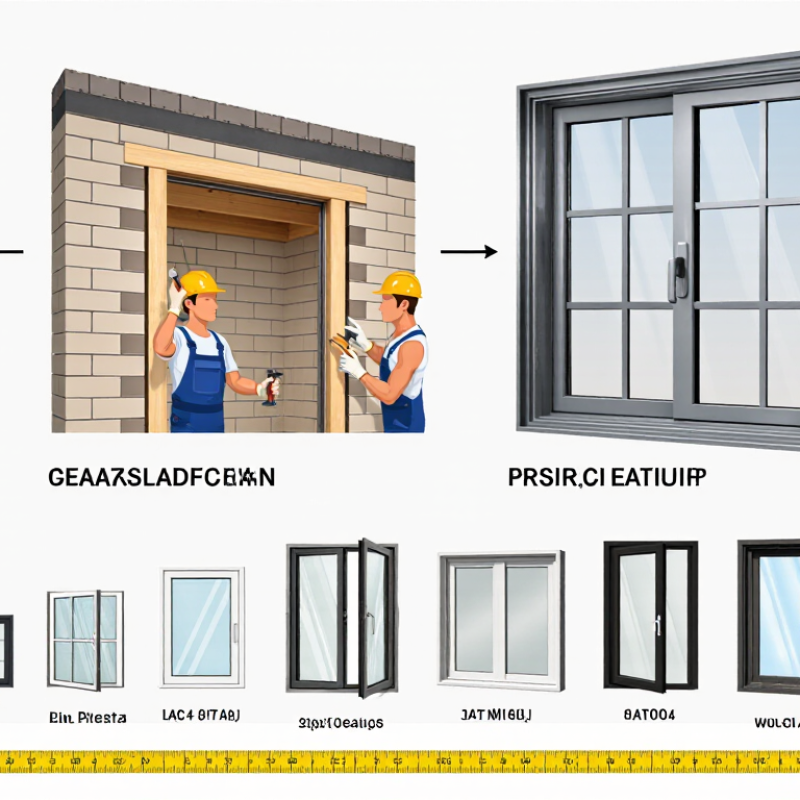
What Is the Average Price of Aluminium Windows?

U.S. Price Benchmark: HomeGuide Estimates $400–$1,200 per Installed Window

For U.S. homeowners, the cited price benchmark is $400–$1,200 per installed aluminium window. The wide range reflects real differences in window size, design, glass, and installation conditions. A standard-size window in an uncomplicated opening may land near the lower end. A large custom unit can cost much more. Small details matter.

The installed price may include the window, labor, removal of an old unit, and basic sealing, but estimates do not always cover the same work. A second-floor opening, damaged framing, or unusual dimensions can add costs. Ask whether disposal, interior trim, and finishing are included. Compare written estimates that describe the same window size and scope. The range is useful, but still frustratingly broad. Measure carefully, and treat the final figure as a project-specific estimate, not a guaranteed price.

How Frame Size, Glazing, and Opening Style Affect the Base Price

An aluminium window’s base price starts with its frame dimensions. A wider opening needs longer profiles and often stronger sections; a tall frame may need extra reinforcement to limit flex. A small fixed window uses less hardware than an operable one, but custom sizing can still raise fabrication costs. Measure the actual opening, not just the visible glass. Small mistakes matter.

Glazing changes the quote quickly. Standard double glazing usually costs less than triple glazing, while low-emissivity coatings, laminated panes, and acoustic glass add material and processing costs. The U.S. Department of Energy notes that low-e coatings can reduce heat loss through windows, but performance depends on the whole window assembly. Better glass is not automatically the best value for every climate or room. Compare the quoted glass specification, not just the pane count.

Opening style affects both hardware and labour. Fixed units have few moving parts; sliding, casement, and tilt-turn windows need tracks, hinges, or locking mechanisms. Installation complexity can also change the final bill. For context, Remodeling’s 2024 Cost vs. Value Report lists a national average of $21,264 for a vinyl-window replacement project, not aluminium windows or a single-unit price. Still, it shows why project totals should not be mistaken for base prices. Ask for itemised costs by frame size, glass package, opening type, and installation. The comparison may feel fussy, but it prevents surprises.

Separate Product Costs from Installation, Removal, and Repair Charges

The average price of aluminium windows depends on size, glazing, frame finish, and the number of units. But the product price is only one part of the bill. A standard replacement may look affordable on a supplier’s price list, while installation adds labour, fixings, sealant, and adjustment. Ask whether the quote covers measuring and fitting, not just delivery. A 1.2-metre window and a wide kitchen opening are not comparable items.

Removal can add charges, especially when old frames are fixed into masonry or need careful handling. Disposal fees may be listed separately. Access matters, too: a window above a conservatory or on an upper floor can require extra equipment and time. Repair costs are different again. Replacing a worn handle or seal is usually less involved than correcting a twisted frame or failed glazing unit. Small detail. Big difference.

Request an itemised quote showing product, installation, removal, disposal, and any repair work as separate lines. Check whether finishing around the opening is included; fresh plaster or trim may not be. A neat estimate can still overlook a damaged sill. That happens. Compare quotes for the same window dimensions and scope, then confirm who handles unexpected issues once the old frame is out.

Compare Quotes by Window Size, Specifications, and Number of Units

In the United States, HomeGuide’s 2025 contractor cost guide puts installed aluminium windows at roughly $300–$1,200 per unit. Treat this as a planning range, not a fixed average: a small bathroom window and a wide sliding unit are not comparable. For a fair quote, give each supplier the same opening dimensions, frame finish, glazing, hardware, installation scope, and removal requirements. Ask whether the price includes sealing, trim, and disposal. Small omissions matter.

Specifications change the price and the home’s performance. A double-glazed unit with low-emissivity coating usually costs more than basic glazing, while custom shapes and thicker frames can add fabrication time. The U.S. Department of Energy notes that windows account for about 25–30% of residential heating and cooling energy use. That figure covers heat loss and gain, not guaranteed savings from a replacement. Compare the quoted U-factor and solar heat gain coefficient, rather than relying on glass descriptions alone.

Tips: Request separate prices for one, five, and ten identical units; volume discounts may reduce the per-window cost. Keep sizes exact, and compare the total installed price, not just the unit price. A lower quote can exclude important work. I’ve seen estimates look clear until disposal or interior finishing appears as an extra—worth checking before signing.

What Is the Average Price of Aluminium Windows? — Compare Quotes by Window Size, Specifications, and Number of Units
Window size (W × H) Configuration Typical specification Units Estimated installed price per window Estimated total for quantity
600 × 900 mm Small opening casement Thermally broken aluminium frame; double-glazed, low-E glass with argon fill 3 £500–£750 £1,500–£2,250
1,000 × 1,000 mm Fixed picture window Thermally broken frame; double glazing; standard powder-coated finish 2 £450–£700 £900–£1,400
1,200 × 1,200 mm Two-light casement One opening sash; double-glazed low-E glass; trickle ventilation where required 4 £650–£950 £2,600–£3,800
1,200 × 1,500 mm Tilt-and-turn window One opening sash; double glazing; multi-point locking hardware 2 £850–£1,250 £1,700–£2,500
1,800 × 1,200 mm Two-panel sliding window One sliding panel; double-glazed low-E glass; standard colour finish 2 £950–£1,450 £1,900–£2,900
2,400 × 1,500 mm Large fixed window Thermally broken frame; double glazing; larger panes may require specialist handling 1 £1,100–£1,700 £1,100–£1,700
Example project total 14 Indicative average: approximately £866 per window £9,700–£14,550

Indicative UK residential prices in GBP, including typical supply and installation and VAT. The example project average is based on the midpoint of each listed price range. Actual quotes vary with glazing, frame colour, access, removal and disposal of old windows, building condition, and installation requirements. Confirm inclusions and VAT treatment with each installer.

Check NFRC Ratings and Warranty Terms Alongside the Price

Aluminium windows can vary widely in price. Frame size, glazing, hardware, finish, and installation all affect the final quote. A low price may reflect a basic configuration, not a like-for-like comparison. Ask for itemized estimates that separate the window, delivery, removal, and fitting costs. Small details matter.

Tips: Check the NFRC label on each proposed window. Compare its U-factor and solar heat gain coefficient, or SHGC, for similar sizes and glazing. Lower U-factor generally indicates better insulation, while SHGC shows how much solar heat enters. Ratings help compare performance; they do not guarantee lower energy bills or correct installation.

Read the warranty before paying a deposit. Confirm how long coverage lasts for the frame, finish, glass, and hardware. Check whether labor is included, what conditions void coverage, and whether the warranty transfers to a future owner. Keep the quote, product specifications, and installation records together. One detail is easy to miss: a long warranty may still exclude common issues, such as damage from improper care. If terms are unclear, request written clarification and compare the answer with the quoted price.

FAQS

What affects an aluminium window’s base price most?

Frame size, glazing, opening style, hardware, finish, and installation all affect the quote. Wider or taller frames may need more material or reinforcement. Small mistakes matter.

Should I measure the visible glass when ordering a window?

No. Measure the actual opening, not just the glass area. A small measurement error can affect fabrication and fitting.

Does triple glazing always offer better value than double glazing?

Not always. Triple glazing usually costs more, and the best choice depends on the room and climate. Compare the full glass specifications.

How does the opening style change the price?

Fixed windows need fewer moving parts. Sliding, casement, and tilt-turn styles require tracks, hinges, or locking hardware. Installation can add costs too.

Which performance ratings should I compare?

Compare the U-factor and solar heat gain coefficient for windows of similar size and glazing. A lower U-factor generally indicates better insulation. Ratings do not guarantee lower energy bills.

What should an itemized window quote include?

Ask for separate costs for the frame, glass, hardware, delivery, removal, and fitting. This makes basic and upgraded configurations easier to compare.

What should I check in the warranty?

Check coverage periods for the frame, finish, glass, and hardware. Confirm whether labor is included, what voids coverage, and whether it transfers to a future owner.

Is a long warranty enough to make a quote reassuring?

Not by itself. Some warranties exclude damage from improper care. Ask for unclear terms in writing, then compare the answer with the price. I might still miss a detail.

Conclusion

Aluminium Windows Prices in the U.S. can vary considerably, with a typical installed window estimated at about $400–$1,200. The final cost depends on factors such as the window’s dimensions, glazing options, and opening style. Larger frames, upgraded glass, or less common configurations may raise the base price, so a single average is best treated as a starting point rather than a guaranteed quote.

When comparing estimates, separate the window product cost from installation, removal of an existing unit, and any necessary repairs. Request quotes based on the same sizes, specifications, and number of windows to make comparisons more meaningful. Also review energy-performance ratings and warranty terms alongside the price, since these details can help you judge overall value and suitability for your home.

Oliver

Oliver

Oliver is a dedicated marketing professional with a strong understanding of the company’s products, customers, and industry landscape. With a practical, research-driven approach, he transforms complex product information into clear, valuable insights that help readers make informed decisions.......