1. Embodied Carbon Metrics & Recycled Aluminium Extrusions
As international green building ratings such as LEED v4.1, BREEAM, and DGNB enforce strict Embodied Carbon targets, procurement managers are shifting toward low-carbon aluminium extrusions. Modern tilt and turn windows manufactured by Karon Window & Door Co., Ltd. utilize primary aluminium billets refined with hydroelectric power alongside post-industrial recycled content. Paired with Environmental Product Declarations (EPD), our systems support low-carbon architectural submittals.
Additionally, multi-chambered thermal break profiles engineered with recycled PA66 nylon significantly lower operational carbon over a building's 50-year life cycle by reducing HVAC heating and cooling loads.
2. Integration of Concealed Motorized Actuators & Smart Automation
The intersection of home automation and facade engineering has created strong demand for smart electric tilt and turn windows. Future-focused procurement schedules increasingly specify concealed chain actuators integrated directly into the window rebate channel.
These smart tilt systems interface with Building Management Systems (BMS), mobile applications, and environmental sensors (wind, rain, CO2 levels). In tilt mode, automated actuators facilitate night cooling and air exchange, automatically retracting and hermetically sealing the sash when rain or high wind speeds are detected.
3. Advanced Acoustic Interlayers for High-Density Urban Megacities
Urban noise pollution has elevated sound isolation to a core specification priority. Recent technical breakthroughs involve pairing tilt and turn multi-point compression seals with Acoustic Laminated Glass containing PVB or SGP interlayers of varying structural densities.
By breaking sound wave frequency resonance using asymmetric glass thickness (e.g., 6mm outer pane + 1.52mm PVB + 8mm inner pane), sound transmission class (STC) ratings exceeding 45 dB are reliably achieved, turning noisy urban apartments into quiet indoor environments.
4. Strict Compliance Harmonization Across Regional Building Codes
Navigating global trade requires fenestration products that simultaneously satisfy disparate structural, thermal, and safety codes. The trend in global procurement favors manufacturers capable of delivering single-source compliance across multiple jurisdictions.
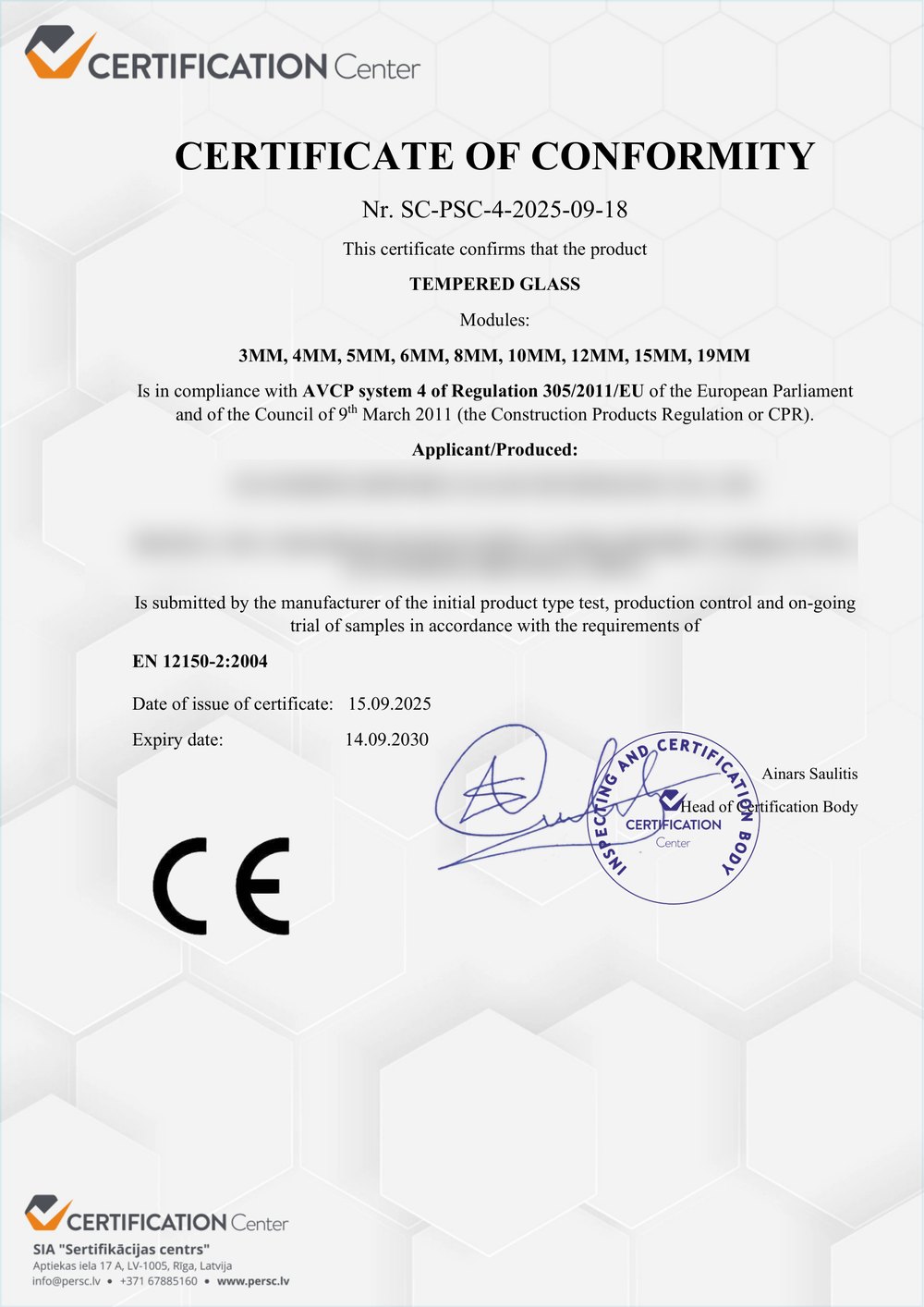
KARON’s tilt and turn window lines are tested and certified to European CE standards, US SGCC safety glass requirements, Australian AS 2047/AS 2208 standards, New Zealand AS/NZS 2208, and Southeast Asian TISI / CIDB credentials, ensuring seamless customs clearance and building inspector sign-offs worldwide.
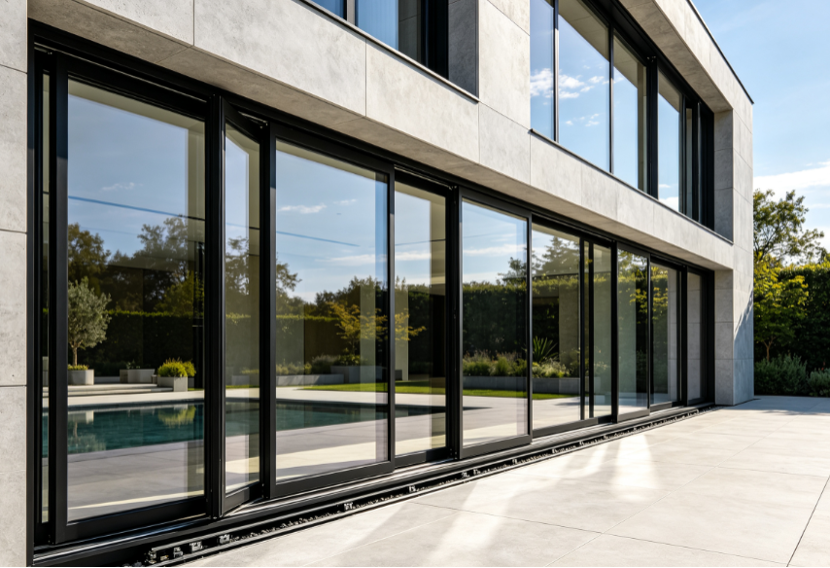

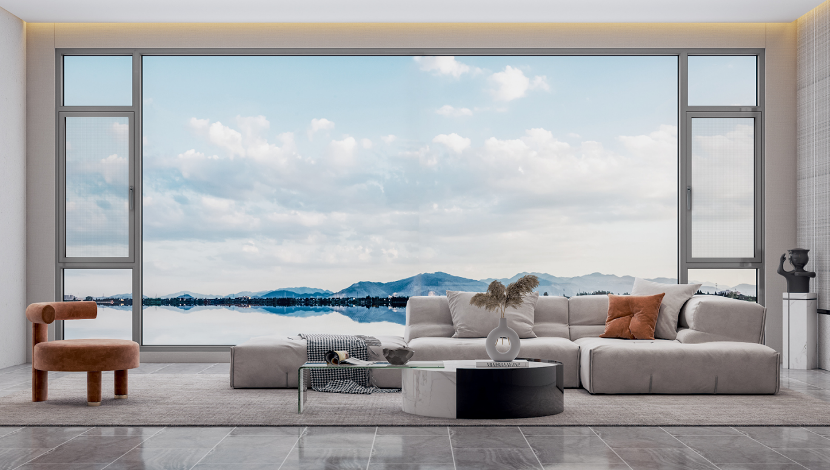 Series TT-75