What makes the 2026 best Aluminium Doors And Windows? The answer is not simply a sleek frame or a premium price. Strong choices should balance thermal performance, weather resistance, security, daylight, maintenance, and responsible material use. They must also suit the building’s climate, orientation, and daily life.
Dr. Helen Sanders, a building-envelope consultant and specialist in high-performance glazing, states, “The best window is designed for its climate, not selected from a catalogue.” That principle deserves attention. A slim aluminium frame may look impressive beside a large glass wall. However, poor installation can create drafts, condensation, and uncomfortable indoor temperatures. The detail matters.
This guide examines the qualities that may define leading products in 2026. Expect closer attention to thermal breaks, low-emissivity glazing, recycled aluminium content, durable powder coatings, acoustic control, and secure hardware. Smart sensors may improve ventilation and energy monitoring. Yet technology is not automatically better. Sometimes, a reliable hinge and a correctly sealed joint matter more.
Look closely.
Real performance depends on the complete system. A high-quality door can still fail beside weak thresholds or careless drainage. Independent testing, documented U-values, warranty terms, and installer experience should guide the decision. Regional standards also differ, so buyers should verify technical claims locally. No single product suits every project. That is an inconvenient truth, but it makes comparison more honest.
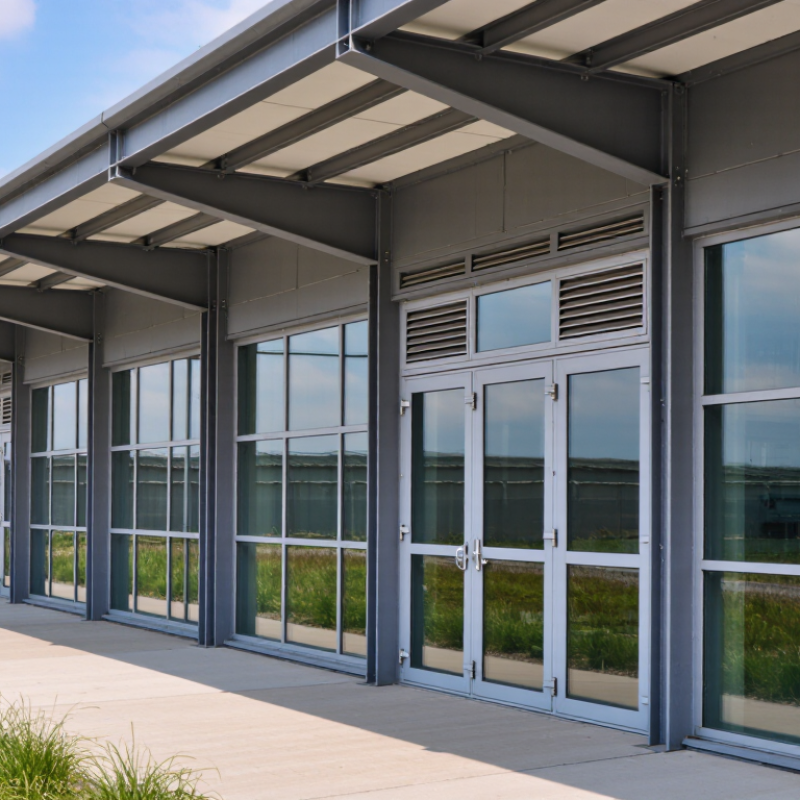
The best aluminium doors and windows in 2026 are defined by balanced performance, not appearance alone. In real projects, slim frames look attractive, but poor thermal design can create cold edges and indoor condensation. A reliable system uses thermal breaks, correctly specified glazing, and continuous seals around the frame.
Performance should be measured, not assumed. Look for independently tested air permeability, water tightness, wind resistance, and thermal transmittance. These figures help compare products under realistic conditions. Good hardware should operate smoothly after repeated use, even when doors are large or frequently opened. Safety glass, secure locking points, and accessible thresholds also matter in daily life. Small details often reveal professional engineering.
Installation is equally important. A high-performing frame can fail when the opening is uneven or the drainage path is blocked. Experienced installers check plumb, level, insulation, and seal continuity before final adjustment. Maintenance should remain practical: removable gaskets, replaceable hardware, and durable powder-coated surfaces reduce future disruption. Still, no product is perfect. Dark finishes may show dust, moving parts need occasional care, and larger glazing can increase heat gain without suitable shading. The best choice depends on climate, orientation, building use, and budget—not marketing language alone.
In 2026, the best aluminium doors and windows should meet measurable performance standards, not appearance alone. Check documented thermal transmittance values before comparing frame designs. Lower U-values generally indicate better insulation, especially during cold mornings or intense summer heat. Thermal breaks should be continuous and carefully connected at corners. Small gaps can weaken an otherwise advanced system.
Air, water, and wind resistance also matter. Reliable products should have test reports based on recognized local or international standards. Ask for performance classes, test conditions, and installation limits. A strong frame may still leak if the sill drainage is poorly designed. Acoustic performance depends on glass thickness, seals, and installation quality, not aluminium alone. These details are easy to overlook.
Tips: Examine corner joints, gaskets, drainage holes, and locking points on a sample unit. Request test documents, warranty terms, and maintenance guidance. Confirm that values match your climate and building code. Field inspections often reveal problems that brochures do not mention. Also check corrosion resistance for coastal locations. Powder coating helps, but it is not magic. Clean drainage paths regularly, and inspect seals after extreme weather. There is no perfect door or window; performance can decline when installation is rushed or maintenance is ignored.
What Are the 2026 Best Aluminium Doors and Windows?
Leading Aluminium Door and Window Designs for 2026
The strongest 2026 designs combine slim aluminium frames, larger glass areas, and better thermal control. Thermally broken profiles reduce heat transfer through the frame. Low-emissivity glazing can also support steadier indoor temperatures.
The UNEP 2023 Global Status Report for Buildings and Construction states that buildings create about 37% of global energy-related emissions. This makes performance more important than appearance alone. In practice, a well-designed lift-and-slide door should open smoothly, seal tightly, and avoid cold edges around the glass. Acoustic glazing is gaining attention near busy streets. Not every wall needs glass. Large panels can increase heat gain, glare, and cleaning demands.
Tips: Ask for tested U-values, air-tightness ratings, and drainage details. Check the frame’s thermal break, not only its powder-coated finish. The International Aluminium Institute reports that recycled aluminium production uses roughly 5% of the energy required for primary aluminium. Therefore, designers should request verified recycled content and clear material documentation. However, recycled content alone does not guarantee a responsible product.
A practical mistake is choosing the narrowest frame before checking installation quality. Even premium profiles can perform poorly with weak sealing or inaccurate fitting. Review opening sizes, solar exposure, maintenance access, and local climate together. The best 2026 solution may look less dramatic, but feel quieter, warmer, and easier to operate daily.
Lower U-values indicate better thermal insulation. For 2026 aluminium doors and windows, thermally broken frames combined with low-emissivity double or triple glazing can provide a strong balance of energy efficiency, daylight, durability and slim contemporary design. The figures shown are representative centre-of-glazing values; complete window performance also depends on the frame, spacer, seals, size and installation.
Reference framework: EN 673 and ISO 10077 calculation conventions. Values are representative design benchmarks, not brand or company product ratings.
What Are the 2026 Best Aluminium Doors And Windows?
In 2026, the best aluminium doors and windows balance energy efficiency, security, durability, and smart control. They are not judged by appearance alone. A thermally broken frame reduces heat transfer through the metal. Low-emissivity glass can help retain indoor warmth during winter. It can also limit solar heat in summer. Small gaps matter. Professional installation prevents drafts around the frame and glass. During an inspection, check the seals, corner joints, and drainage paths carefully.
Security begins with the complete system, not one impressive lock. Multi-point locking mechanisms can resist forced movement more effectively. Laminated glass adds another protective layer. Strong hinges and reinforced fixing points also deserve attention. Durability depends on proper coating, drainage, and corrosion resistance. Coastal homes need extra protection from salt air. Still, no aluminium product is maintenance-free. Dust can block drainage channels, while neglected seals may harden. A practical maintenance schedule remains necessary.
Smart features should solve real problems. Sensors can report unusual opening, indoor temperature, or moisture near a window. Automated shading may reduce glare and cooling demand. However, more technology does not always mean better performance. Connectivity failures, software updates, and privacy settings require consideration. Choose systems with manual controls and clearly documented maintenance requirements. One easy mistake is prioritizing a sleek interface over reliable hardware. A durable frame with simple controls may serve a family better for many years.
Choosing aluminium doors and windows in 2026 starts with the building, not the frame colour. A quiet home needs thermally broken frames, low-emissivity glazing, and reliable weather seals. Large south-facing windows may need solar-control glass to reduce summer heat. Measure opening direction and daily sunlight before selecting hardware. It is easy to overvalue appearance. Performance matters more.
For offices, prioritize acoustic control, durable hinges, and smooth access for frequent users. Sliding doors can save floor space, but their tracks require regular cleaning. In schools and healthcare buildings, choose impact-resistant glazing, rounded hardware, and clear sightlines. Safety requirements differ by region, so confirm local building codes and fire regulations with a qualified professional. Do not assume one specification fits every floor.
High-rise and coastal projects need structural calculations for wind pressure, water penetration, and corrosion exposure. Specify suitable surface treatments and corrosion-resistant hardware where salt air is present. Test samples on site, especially when drainage paths are hidden. A small mock-up can reveal leaks before installation. Site reviews often reveal missing cleaning access. That oversight becomes expensive. Ask about warranties, replacement seals, and service response. A perfect specification rarely exists. The best choice balances energy performance, safety, ventilation, maintenance, and budget. Sometimes the cheaper frame is not cheaper.
Balanced performance matters more than appearance. Strong systems combine slim frames, thermal breaks, suitable glazing, continuous seals, and reliable installation.
Thermal breaks reduce heat transfer through the frame. Without them, indoor surfaces may feel cold and condensation can appear along the edges.
Ask for tested air permeability, water tightness, wind resistance, and thermal transmittance. Measured results are more useful than attractive product descriptions.
Not always. Large panels provide more daylight, but they can increase heat gain, glare, cleaning work, and cooling demands.
Low-emissivity glazing can support steadier indoor temperatures. Acoustic glazing may reduce street noise, but climate and building orientation still matter.
Installation can decide whether the system performs well. Installers should check level, plumb, insulation, drainage paths, and seal continuity.
Doors should move smoothly after repeated use. Safety glass, secure locking points, accessible thresholds, and clear drainage paths also matter.
Choose removable gaskets, replaceable hardware, and durable coated surfaces. Dark finishes may show dust, while moving parts need occasional care.
No. Verified recycled content is useful, but it does not prove responsible production alone. Material records and measured performance deserve attention.
Compare climate, sunlight direction, building use, maintenance access, opening size, and budget. The narrowest frame is not always the best choice.
In 2026, the best Aluminium Doors And Windows are defined by a balanced combination of strength, thermal performance, security, long service life, and modern design. High-quality systems should meet reliable standards for insulation, weather resistance, air tightness, water protection, operation, and structural stability. Slim profiles, large glass areas, sliding systems, folding panels, and minimalist framed designs are expected to remain popular because they provide natural light and flexible connections between indoor and outdoor spaces.
Energy efficiency is also a central consideration, with thermally improved frames, carefully selected glazing, and effective sealing helping reduce heat loss and improve indoor comfort. Enhanced locking systems, impact-resistant components, durable surface finishes, and smart access or monitoring features can further improve safety and convenience. When choosing products, building type, local climate, orientation, usage, maintenance needs, and budget should all be considered. Residential, commercial, and public buildings may require different combinations of performance, style, ventilation, accessibility, and security.