Choosing among the 7 Best Aluminum Doors With Windows means looking beyond the frame’s clean, modern finish. The right Aluminum Door With Window should suit the room, bring in useful daylight, and feel secure and smooth in daily use. A slim profile can make a patio view feel wider. But glass area, hardware, and installation details matter just as much.
This guide compares door styles and practical features buyers can inspect: glazing options, thermal breaks, frame strength, locking systems, and maintenance needs. Look closely at the corners and seals. Ask how the door handles rain, drafts, and temperature changes in your climate. Specifications help, but they do not tell the whole story. A poorly installed premium door can disappoint; an overlooked detail may matter later.
One important note: no source was provided for a named expert’s verified quotation, so this introduction does not invent one. For a trustworthy buying guide, add a direct quote only after confirming the expert’s identity and exact wording. That extra check may seem fussy. It protects readers from advice that sounds authoritative but cannot be traced. Compare the products carefully, measure the opening accurately, and ask the supplier what is included before deciding.
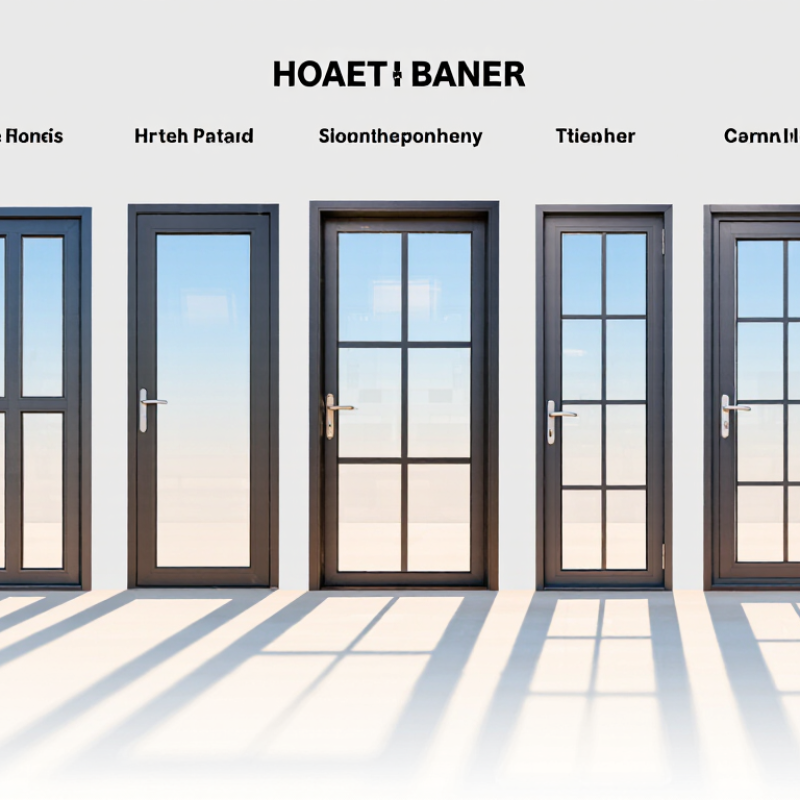
An aluminum door with windows combines a metal frame with glazed panels. The glass may sit within the door, beside it, or above it. Each arrangement affects daylight, privacy, and the view outside. Some designs use slim glass strips; others feature broad panes. The difference is easy to see in a hallway or entry where natural light is limited.
Aluminum is strong and allows relatively slim frame profiles, which can leave more space for glass. But the material alone does not define performance. Check frame depth, weather seals, drainage paths, and glazing details. A thermal break separates the frame’s inner and outer sections to help limit heat transfer. Double glazing and low-emissivity coatings may also improve insulation, depending on the product and climate. Glass options vary. Their suitability depends on where the door is installed and how it will be used.
Look beyond the showroom appearance. A heavy glazed panel needs hinges or rollers rated for its weight, while a poorly fitted threshold may let in drafts or water. Ask for available performance documentation, such as air-leakage or water-resistance results. A larger window does not always make a room more comfortable. Sun direction, shading, and glare matter too, and I would check them before settling on a layout. That detail is easy to overlook.
These examples show how overall nominal width can vary across common door configurations. Widths are illustrative, not universal product standards or a ranking of the “best” doors; actual dimensions depend on the design and manufacturer. When choosing a door, also compare glazing, thermal performance, security, and installation requirements.
Seven aluminum door styles offer different balances of daylight, privacy, and floor space. A full-lite hinged door brings broad, direct light into a hallway, though it can make an entry feel exposed. A half-lite design keeps glass above a solid lower panel, useful where shoes or bags often bump the door. French doors pair two glazed leaves and suit wider openings, but their swing needs clear floor space. Sliding doors move along a track, making them practical beside a patio or narrow room. Keep the track clean; grit can make it drag. Measure twice.
A bi-fold door stacks panels to open a wide connection between rooms, though its hardware needs careful adjustment. A pivot door turns on top-and-bottom fittings and can create a striking entrance; heavier glass may require engineered support. A door with sidelights or a transom adds daylight around a more modest central panel. For any style, check frame depth, drainage, seals, and glass specifications—not just the appearance. Thermal breaks can help limit heat transfer through aluminum frames. Clear glass is bright, but privacy film or textured glazing may be more comfortable near a street. I would not choose glass area by showroom appearance alone; the best-looking option may feel too exposed at home.
Aluminum doors with windows can bring daylight into a room, but the frame affects comfort as much as appearance. Look for a thermal break: this insulating barrier between the frame’s inner and outer sections can reduce heat transfer. In a cold climate, an unbroken metal frame may feel chilly and contribute to condensation. Check the stated air and water performance, too. A slim profile looks elegant, but it should still feel rigid when you open and close the door.
Glass choice depends on the room and its exposure. Double glazing can improve insulation and reduce outside noise, while low-emissivity coatings may help limit unwanted heat gain. Ask for the glass specifications, not just a general “energy-efficient” claim. Operation matters just as much. Sliding doors save floor space, but their tracks need regular cleaning and can collect grit. Hinged doors need clearance for their swing. Measure the opening carefully; a beautiful door that blocks a cabinet is a frustrating mistake.
Tips: Check the frame depth, glass details, and hardware warranty before ordering. Test the handle and lock in person if possible. One detail buyers sometimes overlook is the threshold: a low, accessible design may offer less resistance to wind-driven rain, so compare the door’s tested performance with your site conditions.
Match the door to the room’s proportions before choosing a finish. A wide opening often suits a sliding aluminum door with broad glass panels; a narrow hallway may feel calmer with slimmer glazing. Measure twice. Note where the sun falls, too: west-facing glass can bring strong afternoon light, while a shaded entrance may benefit from clearer glazing. The U.S. Department of Energy’s Energy Saver guidance estimates that windows account for 25–30% of residential heating and cooling energy use. That figure covers windows broadly, not every door, but it shows why glass area and performance deserve attention alongside appearance.
For a contemporary room, a dark frame can echo cabinet pulls or window trim. In a small space, a lighter frame may keep the opening from feeling visually crowded. A divided-light design can add rhythm to a traditional home, though too many bars may interrupt the view. Small detail, big effect. Check the door’s listed U-factor and solar heat gain coefficient, then compare them with local climate needs; these ratings describe insulation and solar heat gain, not style. I’d also bring a paint or flooring sample to the showroom. Screens and bright lighting can distort color, and I have misjudged that before. A good match feels intentional from both sides of the doorway.
| Door style | Typical configuration | Best suited to | Daylight and privacy | Space and operation | Key buying considerations |
|---|---|---|---|---|---|
| Full-lite hinged door | One hinged panel with glazing across most of its area | Patios, garden entrances, and rooms where a clear view outdoors is useful | High daylight; clear glass offers limited privacy, while frosted or textured glass can provide more | Needs clear swing space on one side | Check safety-glazing requirements, glass options, weather seals, and whether the handing suits the room |
| Three-quarter-lite door | Glazing covers the upper portion, with a solid lower section | Main entrances and exterior doors where a balance of light and visual screening is wanted | Moderate to high daylight; less direct visibility through the lower part | Requires space for the door to swing open | Compare glass height, privacy level, threshold details, and the door’s insulation performance |
| Half-lite door | One glazed section in the upper half of the door | Utility rooms, side entrances, and homes seeking a more solid-looking door | Moderate daylight; the lower solid panel limits views at seated or low angles | Requires swing clearance; generally has a more substantial lower panel | Consider the amount of light needed, the glass type, and the proportions of the opening |
| French doors | A pair of hinged panels, often with glazing in both leaves | Wide patio openings, dining areas, and formal connections between rooms and outdoor spaces | High daylight and a broad view when both panels are glazed | Both leaves need clearance; one panel may be used as the everyday entry, depending on the hardware | Check the clear opening with both leaves open, meeting-stile seals, and which leaf is active |
| Sliding patio door | Two or more panels, with one or more panels sliding along a track | Rooms with limited interior or exterior swing space and access to a patio or balcony | Often provides a broad glazed area; privacy depends on glass choice and coverings | Panels move parallel to the wall, so they do not need swing clearance | Review track maintenance, screen options, panel configuration, and the clear opening width |
| Multi-slide door | Several glazed panels slide, commonly stacking or moving into a pocket | Large openings where a wide connection to an outdoor area is desired | Can provide extensive glazing and a wide view when panels are open | Needs suitable wall space or a planned pocket for panels to collect | Confirm structural opening requirements, panel storage space, track design, and installation details |
| Bi-fold door | Multiple hinged panels connected to fold to one or both sides | Wide patio openings and spaces designed for a broad, mostly unobstructed opening | Glazed panels can bring in substantial daylight; open panels create a wide passage | Panels fold at the sides and need room to stack | Check the folded-panel footprint, threshold height, operating hardware, and the opening’s dimensions |
Before choosing an aluminum door with windows, measure the opening at the top, middle, and bottom. Older walls can be uneven. Check the door’s handing, swing direction, frame depth, and threshold height against the space available. Consider how much daylight and privacy you want, and whether the glass needs to limit heat gain. Look for clearly stated information about glazing, seals, and frame construction.
Before installation, confirm the opening is sound, square, and plumb. A small tilt can make the door bind or leave uneven gaps. Follow the installation instructions for flashing, drainage, and fasteners; water trapped around the frame can damage nearby materials. In colder or humid rooms, a thermally broken frame may help reduce condensation. After fitting, check that the lock engages easily and the door closes without scraping. Even careful planning can miss a detail, so inspect the finished work in daylight.
Tips: Measure twice. Ask how the sill sheds water. Check the glass for visible damage, and test the handle, hinges, and seals before accepting the installation. Keep the care instructions for future adjustments.
It separates the frame’s inner and outer sections, reducing heat transfer. Without one, the frame may feel cold and collect condensation.
Ask for exact glazing specifications. Double glazing can improve insulation and reduce outside noise; low-emissivity coatings may limit unwanted heat gain.
Sliding doors save floor space, but grit can collect in their tracks. Hinged doors need room to swing, so check nearby cabinets.
Measure at the top, middle, and bottom. Older walls may be uneven. Measure twice; I might still miss something.
Make sure the opening is sound, square, and plumb. A slight tilt can cause scraping or uneven gaps.
A low threshold can be easier to access but may offer less resistance to wind-driven rain. Compare tested performance with site conditions.
Open and close it, test the handle and lock, and check the seals. The lock should engage easily, without scraping.
Follow instructions for flashing, drainage, and fasteners. Ask how the sill sheds water, and check the finished work in daylight.
An Aluminum Door With Window combines the strength of a metal frame with the daylight and visual openness of glass. Buyers can consider several styles, including sliding, hinged, folding, French, and pivot designs, as well as options with larger glazed panels or divided sections. Each style suits different needs: some save space or create wide openings, while others offer a more traditional entrance. The right choice depends on the room layout, desired access, privacy, and how much natural light you want.
Performance depends on the frame’s construction, the type and thickness of glass, weather seals, and the door’s opening mechanism. Before buying, measure the opening carefully and check clearance, installation requirements, drainage, hardware, and maintenance needs. Consider how the door will handle local weather and whether the glazing provides suitable insulation and privacy. Comparing these details helps you select a door that fits your space, operates smoothly, and balances appearance with everyday practicality.