Choosing the right Aluminium Sliding Doors manufacturer in China requires more than comparing catalog prices. Global buyers must examine material quality, production discipline, communication, and after-sales support. This guide introduces manufacturers that serve international projects, including residential towers, hotels, villas, and commercial buildings.
Experienced suppliers usually provide 6063-T5 or similar aluminium profiles, precise cutting, durable powder coating, and tested sliding hardware. Details matter. A smooth roller should move a heavy panel without vibration. Seals should remain flexible after exposure to heat, rain, and coastal air. Buyers should also check glass options, thermal breaks, drainage design, packaging methods, and replacement-part availability.
Factory visits, video inspections, sample orders, and third-party testing can reveal more than attractive websites. Reliable manufacturers explain production capacity, quality-control checkpoints, export documentation, and realistic lead times. Certifications are useful, but they should be verified against the destination market and project requirements. One certificate cannot prove every product performs well.
Not every “best” supplier fits every buyer. A low price may hide weaker hardware or limited customization. Conversely, premium specifications may exceed a modest project’s needs. Buyers should compare complete quotations, not only unit costs. Ask difficult questions. Request evidence.
This overview will help global buyers assess China’s leading manufacturers with greater confidence. It also acknowledges an important limitation: supplier rankings can change as factories expand, update equipment, or alter their service standards. Careful verification remains essential before signing a contract.
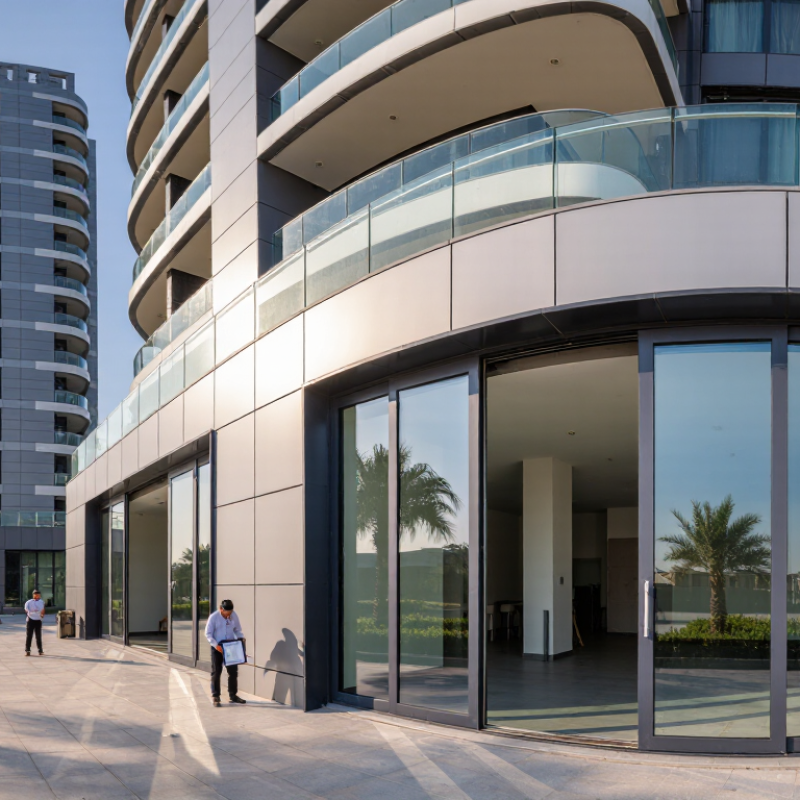
Aluminium sliding doors combine low weight, structural strength, and smooth everyday operation. Their narrow frames create wider glass openings, improving daylight and outdoor views. Powder-coated surfaces resist corrosion and require little maintenance in coastal environments. Thermal breaks also reduce heat transfer, although performance depends on frame design, glazing, seals, and installation quality. A strong door can still perform poorly when drainage is overlooked.
Global demand reflects broader construction trends. The International Aluminium Institute reported approximately 70.6 million tonnes of primary aluminium production in 2023, showing the material’s substantial industrial scale. The International Energy Agency estimates that aluminium production contributes about 3% of global carbon dioxide emissions. Therefore, responsible manufacturers should explain recycled content, energy sources, and lifecycle performance instead of presenting aluminium as automatically sustainable.
These doors serve balconies, villas, offices, hotels, retail spaces, and interior room dividers. Large panels suit warm climates, while insulated systems support colder regions. The Global Building System Market reports that regional codes strongly influence glazing, wind-load, water-tightness, and thermal requirements. Global buyers should request tested air infiltration, water penetration, structural loading, and acoustic results. Hardware availability matters too. A replacement roller should not require a new door. I would not treat one market report as universal truth; research methods differ, and local construction data can be incomplete. Manufacturers with documented testing, clear tolerances, installation guidance, and export experience offer more reliable purchasing evidence than attractive catalog images.
China Best Aluminium Sliding Doors Manufacturers for Global Buyers
Aluminium sliding doors vary by project, climate, and opening size. Standard sliding doors suit balconies and moderate traffic. Lift-and-slide systems carry wider panels with less operating effort. Thermally broken frames perform better in cold or highly conditioned buildings. Non-thermal systems may remain practical for interior partitions or mild climates. They are not interchangeable.
A reliable manufacturer should specify the alloy, temper, wall thickness, and surface treatment. Common architectural alloys include 6063-T5 or 6063-T6. Powder coating and anodizing need controlled thickness and adhesion checks. Thin frames can look elegant, but large panels may expose deflection problems. That detail is easy to underestimate.
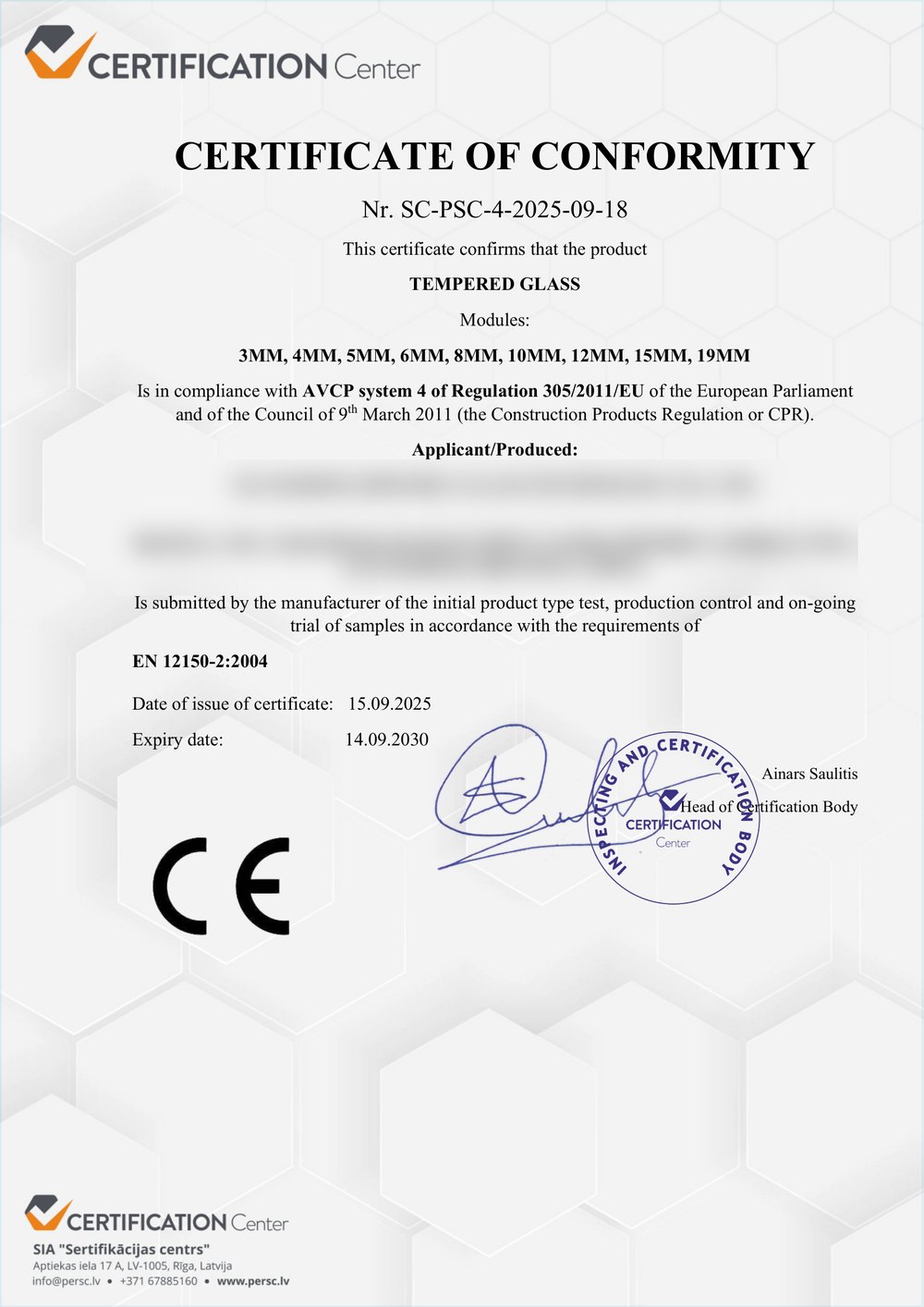
Glass selection changes comfort and safety. Double glazing with Low-E coating and argon can reduce heat transfer. Tempered glass resists impact better, while laminated glass retains fragments after breakage. Warm-edge spacers may reduce edge condensation. Ask for tested U-values, not estimates. Performance documents should cover air leakage, water penetration, wind resistance, and hardware cycles. Standards such as EN 14351-1, ASTM E283, ASTM E331, and ASTM E330 may apply, depending on the destination market. Confirm local requirements separately. One certificate rarely proves every configuration. Factory inspection, batch traceability, installation guidance, and replacement-hardware access also matter. Small omissions can become expensive on site.
Glass selection has a major impact on the thermal performance of aluminium sliding doors. Typical center-of-glazing U-values decrease from single clear glass to double and triple Low-E insulating glass units; lower values indicate better insulation.
The values are indicative center-of-glazing figures in W/m²·K, not complete door-system U-values. Global buyers should also verify thermally broken aluminium frames, air and water tightness, wind resistance, and testing under standards such as EN 14351-1, EN 1279, NFRC 100, and ASTM E283.
China’s aluminium sliding door manufacturers design products around climate, building use, and installation conditions. This matters because UNEP’s 2023 Global Status Report found that buildings consumed 34% of global energy in 2022. A poorly sealed door can undermine an efficient wall.
Engineers begin with profile depth, thermal breaks, glass thickness, and drainage paths. Coastal projects may require stronger surface protection and corrosion testing. High-rise applications need careful wind-load calculations, not simply thicker frames. Manufacturing often combines CNC cutting, automated corner processing, powder coating, and controlled glass assembly. Technicians check diagonal tolerances with gauges, then inspect rollers for smooth movement under repeated cycles. Small details matter.
Testing follows project requirements and applicable standards, including air permeability, water tightness, wind resistance, and thermal performance. ISO 10077-1 provides methods for calculating doorset thermal transmittance. China’s national building-door standard, GB/T 8478-2020, also guides technical performance and testing. These references help overseas buyers compare specifications objectively.
Yet production is not flawless. A beautiful frame can still fail when drainage is blocked on site. Some factories also rely too heavily on laboratory results. Real installation quality deserves equal attention. Buyers should request test reports, section drawings, coating data, hardware load ratings, and sample inspection records before ordering. Vague claims are not engineering evidence.
For global projects, choosing a reliable Chinese aluminium sliding door manufacturer requires evidence, not attractive promises. Factory photos are not enough. Request business licenses, production capacity details, quality certificates, and recent project references. Verify documents independently where possible. A video tour can reveal material storage, cutting equipment, assembly areas, and inspection procedures.
Technical competence matters when projects involve large openings, coastal weather, or unusual installation conditions. Ask whether the manufacturer can provide structural calculations, thermal performance data, glass specifications, and tested hardware options. Request a full-size sample corner, not only a small profile section. It can expose poor drainage, rough finishes, weak rollers, or difficult locking systems. No sample is perfect. That is useful.
Quality control should cover incoming aluminium, powder coating thickness, glass inspection, assembly accuracy, and final operation tests. Ask for inspection records and clear acceptance standards. Packaging also deserves attention. Protective film, reinforced corners, moisture barriers, and labeled crates can prevent expensive damage during long shipping. Communication is another practical test. Does the team answer technical questions clearly and record changes accurately? Written drawings, revision numbers, and agreed lead times reduce misunderstandings. Pricing should be compared with specifications, warranty terms, replacement procedures, and installation support. A low quotation may conceal weaker hardware or incomplete packing. I would allow time for one correction cycle, because rushed decisions often create larger costs later.
When ordering aluminium sliding doors from China, define performance requirements before comparing prices. Specify opening sizes, frame finish, glass thickness, thermal insulation, hardware, and installation conditions. Ask manufacturers for technical drawings, material certificates, and production lead times. In my experience, unclear measurements create costly revisions. A small sample often reveals more than a polished catalog. Confirm colors with physical samples because screen displays can misrepresent finishes.
Customization should balance appearance with local climate and building conditions. Coastal projects may need stronger corrosion protection, while cold regions require suitable seals and insulated glass. Provide accurate wall dimensions and drainage details. A reliable factory should review these drawings instead of accepting every request blindly. That review shows engineering experience. Still, custom designs can introduce weak points, especially around oversized panels or unusual tracks.
Quality inspection should cover alloy thickness, coating adhesion, glass edges, lock operation, rollers, and diagonal measurements. Request inspection records for each production batch. Independent inspection before loading is useful, but it cannot detect everything. Photos can mislead. Check packaging strength, corner protection, labeling, and container loading. For international shipping, agree on delivery terms, export documents, packing standards, and responsibility for damage. Use moisture-resistant wrapping and reinforced crates where the route is long. Confirm the correct customs classification with a qualified logistics provider. Build extra time into the schedule; ports, weather, and document corrections can delay delivery.
Design should consider coastal air, rainfall, temperature changes, and local wind conditions. A polished frame can still fail.
Profile depth, thermal breaks, glass thickness, drainage paths, rollers, and locking systems all matter. A blocked drain creates trouble.
Thermal breaks reduce heat transfer through the frame. They help the door support a more efficient building envelope.
Request results for air permeability, water tightness, wind resistance, and thermal performance. A report is not magic.
Request production details, quality records, recent project references, and a factory video tour. Photos alone prove little.
It can reveal poor drainage, rough coating, weak rollers, and difficult locking operation. Small profile samples hide problems.
Inspect incoming aluminium, coating thickness, glass condition, assembly accuracy, and repeated door operation. Small errors become expensive.
Reinforced corners, protective film, moisture barriers, and labeled crates protect doors during long transport. Packaging deserves real attention.
Compare specifications, hardware ratings, warranty terms, replacement procedures, packing, and installation support. Cheap is not always cheaper.
They record technical changes, reduce misunderstandings, and clarify agreed lead times. Allow one correction cycle when possible.
Aluminium Sliding Doors are valued in residential, commercial, hospitality, and industrial projects for their slim profiles, smooth operation, durability, and efficient use of space. This overview explains common door configurations, aluminium alloy choices, glass options, thermal and acoustic performance, weather resistance, security features, and relevant quality expectations for international applications. It also considers how manufacturers in China develop products through profile extrusion, surface finishing, precision cutting, assembly, hardware installation, and performance testing.
For global buyers, selecting a reliable Chinese manufacturer requires careful evaluation of production capacity, customization capabilities, technical documentation, quality control procedures, communication, and project experience. The guide also outlines a practical process for confirming specifications, requesting samples, approving drawings, arranging inspections, checking packaging, and coordinating international shipping. By comparing materials, certifications, lead times, after-sales support, and total project costs, buyers can make informed decisions and obtain sliding door solutions suited to their building design, climate, safety requirements, and installation conditions.