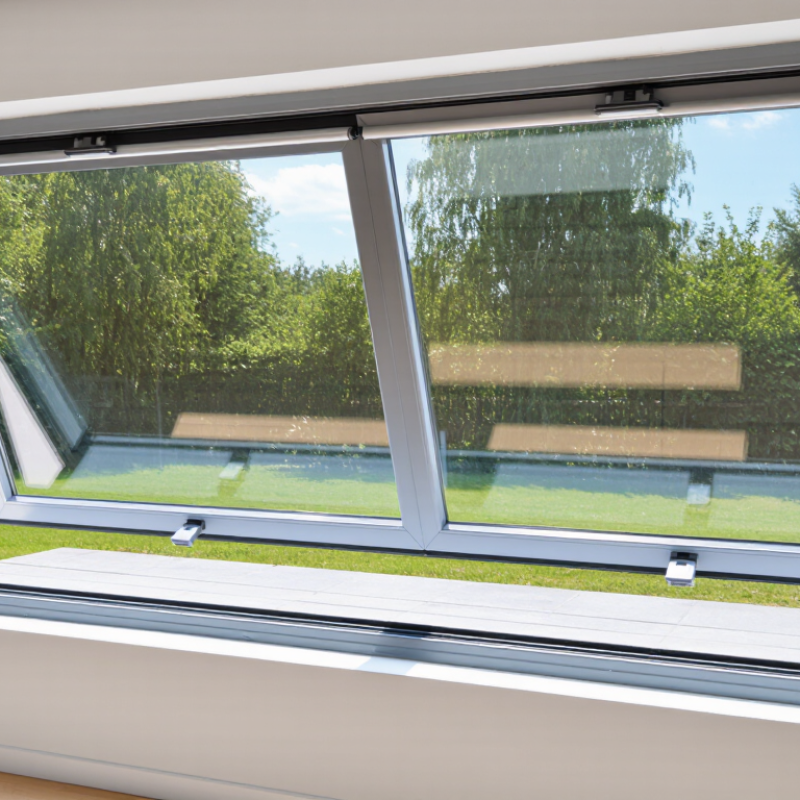
Global buyers increasingly seek window systems that balance durability, energy performance, design flexibility, and manageable maintenance. An Aluminium Sliding Window can meet these demands through strong frames, smooth operation, and adaptable glass options. Its slim profile also creates wider openings for daylight and outdoor views. That matters in homes, offices, hotels, and coastal developments.
Performance depends on more than the frame. Alloy grade, powder coating, drainage design, rollers, seals, and glass specification all influence service life. A well-engineered system should resist rain entry, reduce air leakage, and remain stable through changing temperatures. Double glazing may improve comfort, but it can also increase weight and hardware demands. Small details matter.
Experienced buyers should review test reports, installation guidance, warranty terms, and supplier production records. Product performance can vary between markets. Local wind loads, humidity, temperature ranges, and building requirements must guide the final specification. A supplier with documented quality controls offers more confidence than attractive images alone. Factory communication also matters, especially when drawings, packaging, and replacement parts cross borders.
The choice is not perfect. Aluminium may conduct heat without a suitable thermal break, and poor installation can weaken an excellent design. Even premium hardware needs inspection and occasional adjustment. These limitations deserve honest attention. A careful comparison of lifecycle cost, maintenance access, delivery reliability, and verified performance can help global buyers choose an Aluminium Sliding Window with practical, long-term value.
What Is an Aluminium Sliding Window?
An aluminium sliding window is a glazed unit that moves horizontally along tracks. Its main parts include an aluminium frame, sash, rollers, locks, seals, and glass panels. One panel slides behind another, saving interior space near balconies, kitchens, and narrow corridors. Aluminium offers strong, slim profiles and resists swelling, termites, and moisture. These qualities suit humid coastal areas and large openings.
However, aluminium alone does not guarantee good insulation. Standard metal frames can transfer heat quickly. The U.S. Department of Energy reports that windows may cause 25–30% of residential heating and cooling energy use. The International Energy Agency also identifies buildings as responsible for about 30% of global final energy demand. Therefore, buyers should examine thermal breaks, glazing type, air leakage, and installation quality. Low-emissivity glass and insulated frames can improve comfort, but performance depends on the complete window system. This point is often underestimated.
Tips:
Ask for verified U-value, solar heat gain, water-tightness, and air-leakage data. Check whether testing follows recognized standards, such as ISO or regional window-certification procedures. Choose corrosion-resistant rollers for coastal projects. Inspect the track design, because small debris can affect smooth movement. In my experience, a beautiful frame still disappoints when drainage is weak. Reflect on climate before selecting glass.
How Aluminium Sliding Windows Are Designed and Operated
Aluminium sliding windows are designed around a simple movement: panels glide horizontally along fixed tracks. Their frames use lightweight aluminium profiles, which provide strength without making the sash difficult to operate. Modern designs often include thermal breaks to reduce heat transfer through the metal. Multiple seals help limit drafts, dust, and rain. The frame also needs internal drainage channels, because trapped water can damage surrounding finishes over time.
The sliding mechanism depends on accurately fitted rollers and level tracks. A well-adjusted panel should move smoothly with one hand, without scraping or sudden resistance. Locking points usually pull the sash tightly against its seals, improving security and weather performance. During installation, the opening must be measured carefully. Even a few millimetres of misalignment can cause uneven movement. This is where practical experience matters more than attractive drawings.
Different climates require different design decisions. Coastal areas may need corrosion-resistant finishes and regular track cleaning. Cold regions benefit from improved glazing and insulated frame sections. Hot locations may require solar-control glass and external shading. Maintenance is not complicated. Remove loose dirt, inspect seals, and keep the rollers free from grit. Still, no system is perfect. Larger panels can feel heavier, and narrow tracks may collect debris. That trade-off deserves attention before selecting a configuration for a home or commercial project.
Why Choose Aluminium Sliding Windows for Global Buyers?
Aluminium sliding windows combine slim profiles, durable frames, and smooth horizontal operation. Their thermal performance can be improved with insulated glazing, low-emissivity coatings, argon gas, and thermally broken frame systems.
The chart shows typical center-of-glazing U-values for common glazing configurations. Lower values indicate less heat transfer and better insulation. Actual whole-window performance also depends on the aluminium frame, thermal break, spacer, window size, and installation quality.
Key Benefits for International Residential and Commercial Projects
Why Choose Aluminium Sliding Window for Global Buyers?
International residential and commercial projects need windows that travel well across climates, codes, and construction methods. Aluminium sliding windows offer strong frames, narrow sightlines, and smooth operation for wide openings. They suit balconies, offices, retail fronts, and coastal homes. The U.S. Department of Energy estimates that windows can cause 25–30% of residential heating and cooling energy use. Correct glazing, thermal breaks, and airtight seals therefore matter as much as the frame material.
Performance must be verified, not assumed. ISO 10077-1 supports thermal-transmittance calculations for windows and doors, helping buyers compare tested specifications. Low-emissivity double glazing can improve insulation, while laminated glass adds safety and acoustic control. In humid or salty locations, powder coating quality and drainage design deserve close inspection. Small details matter. A poorly aligned roller can create noise, air leakage, and complaints within months.
Aluminium also supports circular procurement. The International Aluminium Institute reports that recycling aluminium requires up to 95% less energy than producing primary aluminium. That advantage depends on collection and recycling systems in the destination market. It is not automatic. Buyers should request verified test reports, coating information, hardware cycles, and installation guidance. A beautiful sliding panel may still underperform if the sill is uneven or the seal is compressed incorrectly. Global projects need practical evidence, not impressive brochures.
Performance Factors: Strength, Energy Efficiency, and Weather Resistance
For global buyers, aluminium sliding windows offer a strong frame with relatively low maintenance. Common 6063-T5 aluminium extrusions have a minimum tensile strength near 152 MPa under ASTM B221. Actual performance depends on alloy, temper, wall thickness, and corner fabrication. Thin profiles may look elegant, but poor reinforcement can reduce stability.
Energy performance requires more than an aluminium frame. The U.S. Department of Energy reports that windows can cause 25–30% of residential heating and cooling energy use. Thermal breaks reduce conductive heat transfer through the frame. Double glazing, low-emissivity coatings, and suitable solar heat gain control also matter. Lower U-factor usually means better insulation. Yet, specifications can mislead when glass and frame values are listed separately. Ask for the complete-window rating.
Weather resistance is equally practical. Testing under AAMA/WDMA/CSA 101/I.S.2/A440 evaluates air leakage, water penetration, and structural performance. Proper drainage paths help remove rainwater from the track. Correct installation remains critical, especially in coastal zones or areas with driving rain. A stronger seal is not always a better solution; blocked drainage may trap water. That detail is easy to miss. Buyers should review test reports, operating-force data, hardware corrosion protection, and project-specific wind requirements before approval.
How Global Buyers Can Evaluate Suppliers and Product Quality
Global buyers often choose aluminium sliding windows for slim frames, corrosion resistance, and stable operation. Yet material choice alone does not prove performance. The U.S. Department of Energy’s Energy Saver guidance reports that windows can account for 25–30% of residential heating and cooling energy use. That makes supplier evaluation a cost issue, not only a style decision.
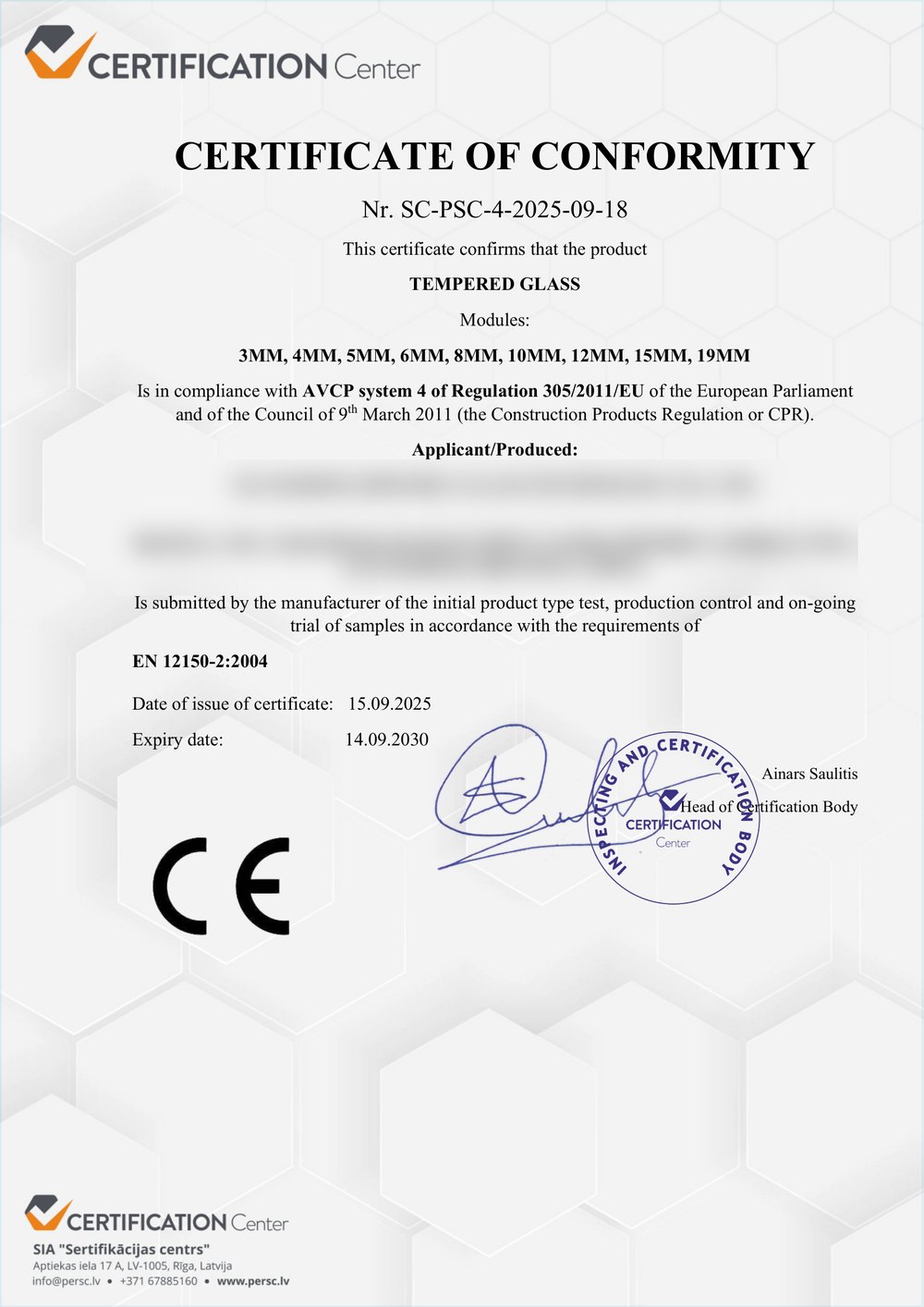
Ask for independently tested U-value, solar heat gain coefficient, air leakage, water penetration, and structural-load results. Compare reports with destination-market standards, such as EN 14351-1, ASTM procedures, or local certification rules. A credible supplier should provide alloy grade, temper, coating thickness, hardware-cycle testing, and glass configuration. Request samples with corner joints, drainage paths, rollers, seals, and locking points visible. Small details matter. Check whether the tested window size matches your order. Larger panels can perform differently.
The International Aluminium Institute’s aluminium recycling data indicates that recycling uses about 95% less energy than primary production. Ask for recycled-content evidence and traceable documentation, rather than accepting a vague “eco” claim. Factory audits should review material records, coating controls, glass inspection, and final packing. Pre-shipment inspection can catch scratches, uneven gaps, and rough rollers. Do not trust the lowest quotation too quickly. It may exclude testing, protective packaging, or replacement hardware. Even experienced buyers can miss installation conditions, especially wind loads and coastal salt exposure. Recheck the assumptions.
FAQS
Common 6063-T5 profiles can reach about 152 MPa tensile strength. Actual strength depends on thickness, temper, alloy, and corner fabrication. Thin frames may look refined. They may need extra reinforcement.
Thermal breaks reduce heat transfer through the frame. Double glazing and low-emissivity coatings can improve insulation. A lower U-factor usually indicates better performance. Check the complete-window rating, not separate glass data.
Windows may account for 25–30% of residential heating and cooling energy use. Poor insulation can make rooms feel hot or cold. The frame alone does not determine energy performance.
Request results for air leakage, water penetration, and structural loads. Testing should reflect the intended market and project conditions. The tested window size should match your ordered size. Larger panels may behave differently.
Drainage paths help remove rainwater from the sliding track. Strong seals are not always better. Blocked drainage can trap water inside the frame. That detail is easy to miss.
Ask for alloy grade, temper, coating thickness, glass details, and hardware-cycle results. Request independent U-value, solar-gain, air-leakage, and water-penetration data. Samples should show rollers, seals, locks, joints, and drainage openings.
Inspect material records, coating control, glass quality, and final packaging. Pre-shipment checks can find scratches, uneven gaps, and rough rollers. Replacement hardware should be confirmed. I would not trust photos alone.
Compare testing, packaging, installation requirements, and replacement parts. A low quotation may exclude important services. It can look attractive. Recheck wind loads, coastal salt exposure, and panel size before ordering.
Recycling aluminium uses about 95% less energy than primary production. Ask for traceable recycled-content evidence. A vague environmental claim is insufficient. Documentation matters more than attractive wording.
Conclusion
An Aluminium Sliding Window is a practical opening system made with durable aluminium frames and sliding glass panels that move horizontally along tracks. Its space-saving design allows smooth operation without requiring extra room for hinged movement, making it suitable for apartments, offices, retail spaces, and other modern buildings. Depending on project needs, it can be configured with different glass options, frame profiles, locking systems, and ventilation arrangements.
For international residential and commercial projects, key advantages include structural strength, low maintenance, corrosion resistance, and a clean contemporary appearance. Buyers should also consider thermal insulation, energy efficiency, sound reduction, drainage, sealing, and resistance to wind and rain. To evaluate suppliers and product quality, global buyers should review material specifications, manufacturing consistency, hardware performance, surface finishes, testing documentation, installation support, and after-sales communication. Comparing samples, technical drawings, certifications, lead times, and customization capabilities can help ensure the selected Aluminium Sliding Window meets local building requirements and long-term project expectations.