Precision-Engineered Architectural Systems
Explore our flagship CE certified aluminium window and door configurations designed for luxury villas, hospitality resorts, and modern commercial projects.
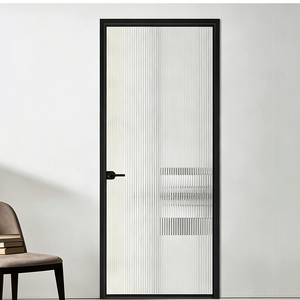
Aluminium Glass Flush Door Aluminum Smart Swing Door Bathroom Door Design
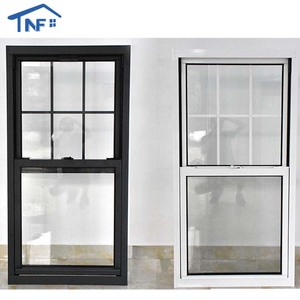
Foshan America Aluminum Tempered Glass Glass Waterproof French Black Windows
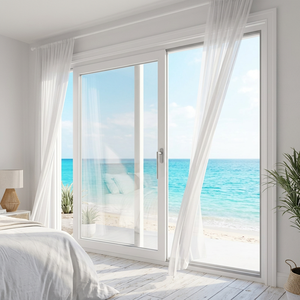
Custom Modern Lift Sliding Door System Aluminum Alloy Double Glazed Glass
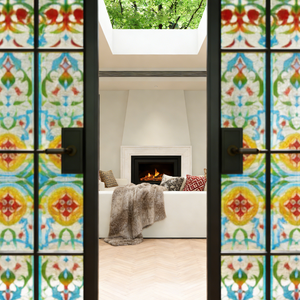
Classic Crittall Style Slim Frame Aluminum Alloy Manual Finished Windows
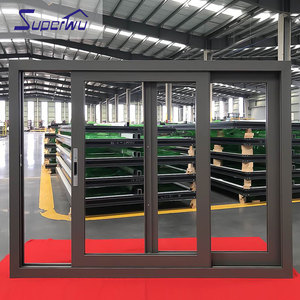
Superhouse Aluminium Energy Saving Double Glass Sliding Window
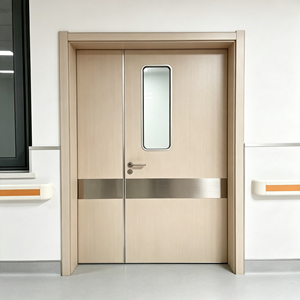
Aluminium Interior Screen Door Crimsafe 304 Stainless Steel Security Door
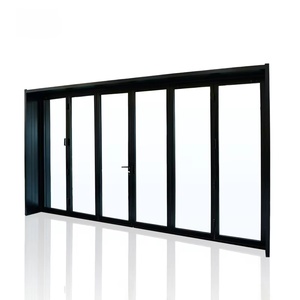
China Factory Waterproof Soundproof Aluminum Folding Crystal Door
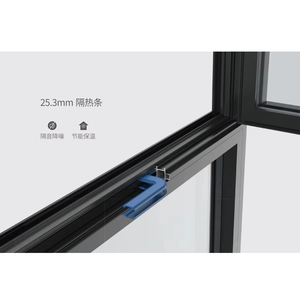
Fuson Hotel Airproof Aluminum Frame Storm Casement Windows
Engineering High-Performance Aluminium Bathroom Ventilation Windows
A comprehensive technical report on overcoming moisture accumulation, sound transmission, and heat loss in modern architectural wet rooms.
In modern architectural engineering and high-end residential development, the bathroom environment poses unique structural, physical, and thermodynamic challenges. As modern luxury villas, commercial hotels, and urban multi-unit developments prioritize indoor air quality (IAQ) and moisture management, the selection of CE certified aluminium bathroom ventilation windows has evolved from a basic hardware choice into a critical micro-climate engineering decision.
1. The Physics of Moisture Control in Bathroom Micro-Environments
Bathrooms are inherently dynamic micro-environments characterized by rapid fluctuations in relative humidity (RH), transient thermal spikes during hot showers, and high localized air pressure during forced exhaust fan operation. Standard non-thermal residential windows installed in wet zones suffer from chronic condensation (dew-point activation), leading to black mold propagation (Stachybotrys chartarum), seal decay, frame oxidation, and paint failure on adjacent interior walls.
To eliminate these systemic risks, Karon Window & Door Co., Ltd. leverages primary 6063-T5 aluminium alloy profiles outfitted with multi-cavity thermal break technology (Polyamide PA66 GF25 reinforced strips). By isolating the interior aluminum frame from the exterior profile, heat conduction is reduced dramatically, raising the interior profile frame surface temperature above the dew point even in sub-zero winter ambient conditions. Coupled with hydrophobic EPDM triple-sealing continuous gaskets, air infiltration and capillary moisture migration are completely blocked.
Waterproof & Anti-Corrosion
Fluorocarbon (PVDF) electrostatic spraying and anodized finishes (>15 microns) withstand continuous exposure to high humidity, soap scum, and chemical cleansers without pitting or flaking.
Acoustic Dampening
Argon gas-filled, double-glazed soundproof glass units (IGUs) cut exterior street and mechanical fan noise by up to 42 dB (Rw), providing total acoustic privacy.
Micro-Ventilation Friction Stays
Heavy-duty stainless steel 304 friction hinges enable draft-free background trickle air exchange while locking firmly at variable opening angles up to 90 degrees.
2. Anatomic Specification Matrix of CE Certified Ventilation Systems
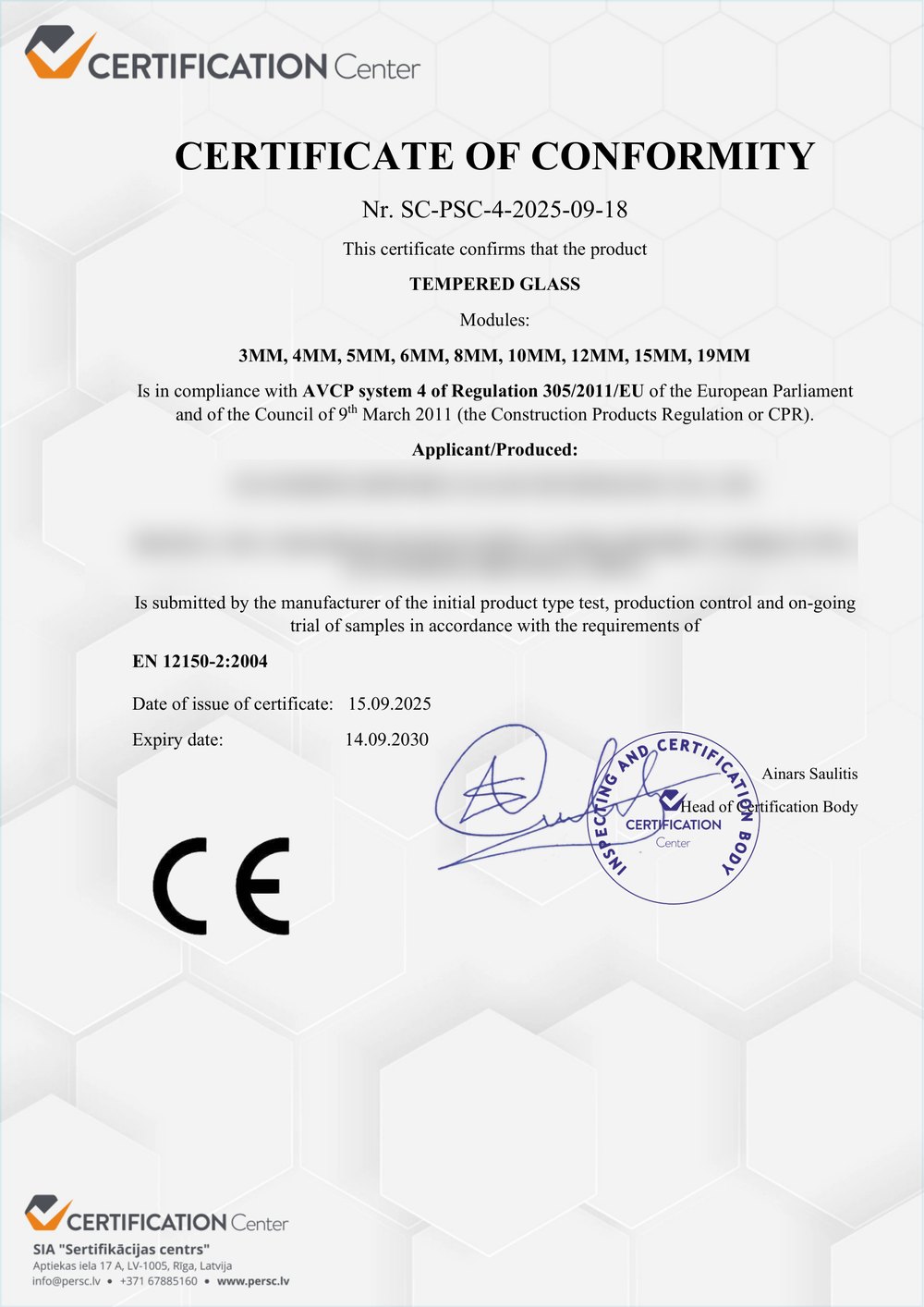
Engineering compliance requires strict adherence to international building codes. Under European Standard EN 14351-1 and EN 12150 (toughened safety glass), windows exported to European and global markets must present verified structural load capacity, water tightness, and air permeability test results. Below is a engineering comparative specification matrix of bathroom window opening mechanisms manufactured at our Foshan facility:
| Opening System | Ventilation Efficiency | Water Tightness (Pa) | Privacy Index | Primary Application |
|---|---|---|---|---|
| Top-Hung Awning Window | High (Rain-proof draft air) | 600 - 900 Pa (Class 9A) | High (Sash tilts outward) | Villas, Master Bathrooms, Hotels |
| Tilt & Turn Aluminium Window | Maximum (Dual Mode) | 750 - 1050 Pa (Class E1050) | Medium-High | Luxury Apartments, Cold Climates |
| Glass Louver / Jalousie Window | Continuous 100% Airflow | 300 - 450 Pa | Variable (Adjustable Blades) | Tropical Resorts, Coastal Villas |
| Smart Electric Lift Window | Automated Sensor Controlled | 700 Pa | High (Integrated Smart Tint) | High-Tech Homes, Skylight Vents |
3. E-E-A-T Compliance: Manufacturing Rigor at KARON Foshan Facility
Situated in the heart of China’s premium extrusion hub—Songxia Industrial Park, Nanhai District, Foshan—Karon Window & Door Co., Ltd. operates a 10,000 square meter standardized production base. Our enterprise strength relies on transparent, verifiable manufacturing standards rather than unverified marketing claims:
- Raw Material Traceability: We exclusively process 6063-T5 aluminum extrusions with nominal wall thicknesses exceeding 1.4mm for windows and 2.0mm for heavy-duty doors, adhering strictly to GB/T 5237 standards.
- International Certification Portfolio: Our glass and window assemblies hold active testing credentials including CE (EN 12150), US SGCC (Safety Glazing Certification Council), Australia AS 2208 / AS 2047, New Zealand AS/NZS 2208, Thailand TISI (965-2560 & 1231-2560), and Malaysia CIDB PPS.
- Precision Machining: Automated double-head CNC cutting equipment delivers angular precision within ±0.5mm, while pneumatic corner-crimping injected with two-component polyurethane corner glue ensures permanent structural rigidity and zero water seam leakage.
Future Procurement Trends in Bathroom Ventilation Windows
Key technological shifts shaping global B2B window sourcing for commercial developers and architectural firms over the next decade.
1. Automated Sensor-Driven Ventilation
Procurement is rapidly shifting toward smart windows featuring integrated humidity sensors and rain detectors. Upon detecting indoor humidity exceeding 70% RH or external rainfall, motorized linear actuators automatically tilt the sash for optimal moisture release without manual intervention.
2. Switchable PDLC Privacy Glass
Modern hospitality developments are replacing traditional blinds and frosted films with laminated Polymer Dispersed Liquid Crystal (PDLC) glass. With a single switch or smart home command, the glass alternates instantly between crystal-clear transparency and complete opaque privacy.
3. Ultra-Slim Sightlines & Flush Finish
Architects demand minimal visible frame profiles. Flush-frame architectural aluminium designs hide sash profiles inside wall cavities, maximizing natural daylight while offering concealed multi-point lock hardware for superior burglary resistance (RC2 standard).
Why International Developers Partner with KARON
From initial shop drawing review to container loading, our end-to-end engineering service minimizes risk for overseas buyers.
Custom Architectural Engineering
We do not force buyers into rigid catalog dimensions. Every window schedule sent to us is analyzed by our senior window engineers. We generate detailed CAD/BIM shop drawings detailing profile sections, glass U-values, wind pressure calculations, and flashing anchorage details customized for your specific building code.
Full-Process Quality Inspection (QC)
Prior to shipment, every batch undergoes simulated water leakage testing, air permeability verification, and hardware cycle testing (over 20,000 open/close cycles). Our sea-freight packing features fully enclosed plywood crates, corner protection, and protective polyethylene film to prevent scratch damage during transit.
Proven Global Delivery Record
Our bespoke window and door solutions have been specified and successfully delivered for major international hospitality and residential developments worldwide, including:
- ✓ Kora Beach Resort Phuket: 672 units across 9 low-rise buildings
- ✓ Texas Private Residence (USA): Custom thermal break package
- ✓ Azure Blue Residence (Greece): Coastal wind-resistant glazing
- ✓ Les Jardins de la Mer (France): Slim-frame French doors & windows
- ✓ Pirak Villa Cherngtalay: 12 high-end luxury villas (>10,000㎡)
- ✓ TIP Group Logistics Park: Commercial administrative office facades
Procurement & Technical FAQ
Direct answers to critical technical, certification, and export questions asked by architects, general contractors, and procurement heads.
Where is the KARON factory located and what are your primary manufacturing capabilities? +
Which international safety and quality certifications do KARON products hold? +
How do you guarantee water tightness and prevent frame corrosion in bathroom high-humidity environments? +
Can you manufacture windows according to custom architect drawings and schedules? +
What is the key functional difference between thermal break and non-thermal break profiles for bathroom windows? +
What is the standard lead time and process to initiate a project inquiry? +
Ready to Engineer Your Project's Window Schedule?
Connect directly with our engineering team in Foshan. Submit your architectural plans or window requirements for an immediate technical evaluation and factory-direct quotation.