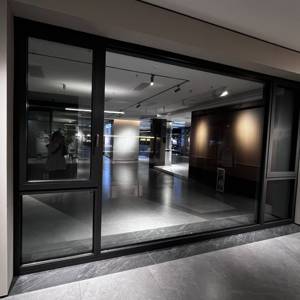
 Smart Series
Product Showcase
Architectural Glass & Aluminium Window Systems
Explore our export-grade aluminium window and door series manufactured under ISO 9001 and strict CE quality protocols.
Smart Series
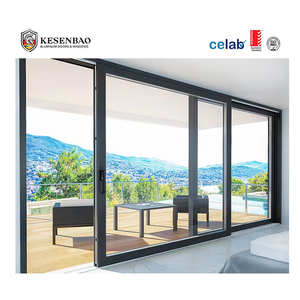 Sliding Series
AS2047 Australia Balcony Aluminum Sliding Glass Door Double Tempered Glass Stacker Doors
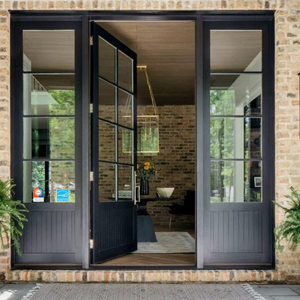 Casement / Patio
AMJ Exterior Entry Crittal Doors USA Design Tempered Glass Aluminum French Double Glass Swing Door
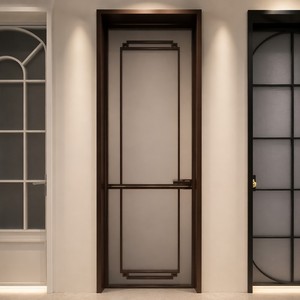 Bathroom Special
High Grade Modern Interior Waterproof Finished Baking Paint Aluminum Alloy Door for Bathroom
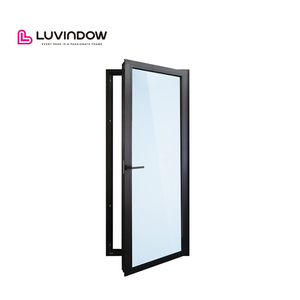 Thermal Break
Customizable Thermal Break Soundproof Aluminum Doors for North American Builders
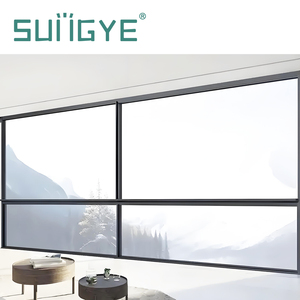 Minimalist Slim
SUNGYE Minimalist Panoramic Sliding Window & Door Flush Track Ultra-Slim Aluminum Frame
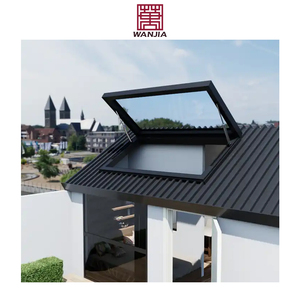 Louver / Skylight
Manufacturer Customized Modern Automatic Aluminum Skylight Roof Window & Vertical Louver
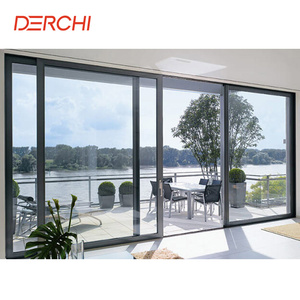 Fire Rated / Top Hung
DERCHI Fire Rating Glazed Aluminium Top Hanging Sliding Doors for Modern Interior
Enterprise Credentials
Why Global Procurement Managers Partner with KARON
Operating a 10,000㎡ standardized production facility in Foshan, China—the world's architectural aluminium hub—Karon Window & Door Co., Ltd. delivers custom engineering for villas, resort hotels, and commercial developments.
15+
Years Industry Expertise
10,000㎡
Modern Production Plant
6+
Global Certifications
50+
Countries Exported To
Certified CE Compliance
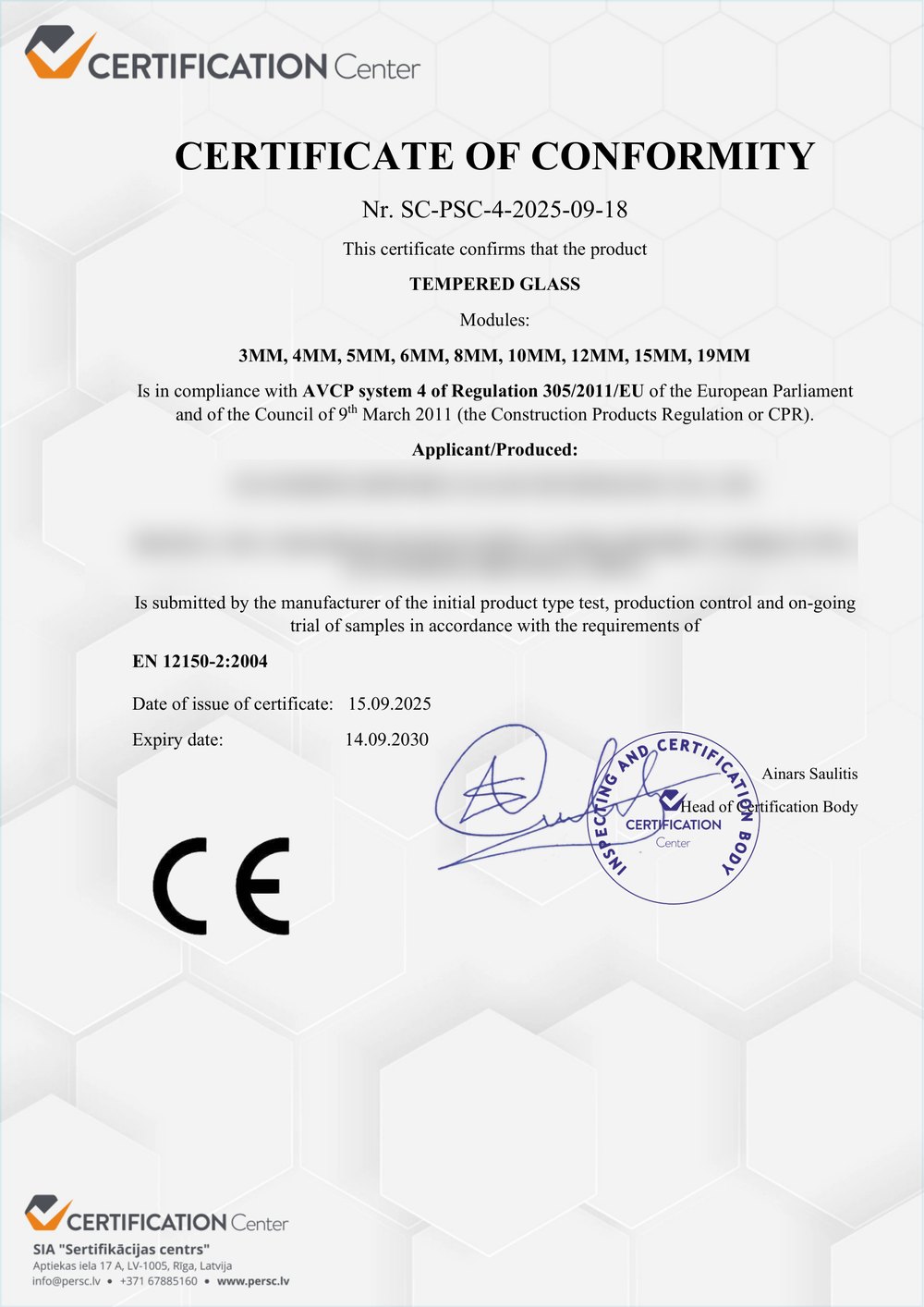
Our aluminium bathroom windows strictly adhere to European standard EN 14351-1 and EN 12150 safety glass protocols. Fully documented factory production control guarantees seamless customs clearance across the EU.
Moisture & Corrosion Resistance
Utilizing high-tensile 6063-T5 aluminium alloy profiles treated with fluorocarbon (PVDF) powder coating or anodizing (>15µm film thickness), our bathroom windows resist high humidity, soap scum, and harsh cleaning agents without oxidation.
Full Structural Customization
Engineered directly from architect CAD/BIM drawings. We support customized dimensions, opening styles (tilt-and-turn, awning, top-hung, side casement, or sliding), integrated mosquito screens, and smart electronic frosted glass systems.
Industrial Engineering Whitepaper: Specifying CE Certified Aluminium Bathroom Windows
In high-moisture building enclosures such as residential master bathrooms, hotel en-suites, and commercial wellness facilities, fenestration systems are subject to aggressive environmental stressors. Unlike standard living room or bedroom windows, bathroom windows must simultaneously resolve three conflicting architectural challenges: absolute water tightness against localized steam accumulation, rapid natural micro-ventilation, and foolproof visual privacy protection without compromising daylighting transmittance.
As a premier OEM/ODM manufacturer headquartered in Foshan, Karon Window & Door Co., Ltd. builds CE-marked aluminium bathroom windows engineered under European Standard EN 14351-1:2006+A2:2016. This technical overview outlines the critical engineering benchmarks B2B buyers, facade engineers, and project developers must evaluate during overseas procurement.
1. Alloy Metallurgy & Surface Treatment Standards for Wet Environments
The structural backbone of KARON bathroom windows is extruded 6063-T5 architectural aluminium alloy, conforming to EN 755-2. While raw aluminium naturally forms a thin oxide film, prolonged exposure to high relative humidity (RH > 85%), elevated ambient temperatures, and chemical surfactant vapors (chlorine, bathroom cleansers) triggers intergranular corrosion if the metal surface is unpassivated.
To eliminate corrosion risks, KARON applies two specialized surface finishes tested under ISO 9227 Neutral Salt Spray (NSS) protocols:
- Architectural Powder Coating (Qualicoat Class 2 Standard): Electrostatically applied thermosetting TGIC-free polyester powder with a minimum dry film thickness of 60–80 µm. Provides exceptional resistance to chalking, color fading, and detergent stains.
- Anodized Finish (Qualanod Class 15 & 20): Electrochemical conversion creating an integral aluminium oxide layer exceeding 15 µm to 20 µm thickness. Recommended for coastal luxury resorts and high-end hotel bathrooms where maximum abrasion and salt-mist resistance are mandated.
2. Thermal Break Structural Integrity & Condensation Control
Condensation forms when indoor warm, humid air contacts cold glass or metal frames, leading to structural mold growth, wall disfigurement, and air quality degradation. KARON solves thermal bridging by incorporating structural Polyamide PA66-GF25 (25% Glass-Fiber Reinforced) insulating thermal strips within the inner and outer extrusion profiles.
The insertion of PA66 thermal breaks reduces frame thermal conductivity ($U_f$) down to 1.6–2.2 W/(m²·K). Paired with double-glazed low-emissivity (Low-E) tempered glass units, the overall window system achieves a thermal transmittance ($U_w$) suitable for stringent European energy codes (Passive House compatible models available upon request).
| Performance Criterion | Standard Non-Thermal Break Window | KARON CE Certified Thermal Break Window | Architectural Impact / Value Gain |
|---|---|---|---|
| Frame U-Value ($U_f$) | > 5.8 W/(m²·K) | 1.6 – 2.2 W/(m²·K) | Prevents frame sweating and indoor condensation rot |
| Water Tightness (EN 12208) | Class 3A (150 Pa) | Class 9A / E1050 (1050 Pa) | Resists storm-driven water ingress into tile cavities |
| Air Permeability (EN 12207) | Class 2 | Class 4 (Highest EU Rating) | Eliminates cold drafts and enhances HVAC efficiency |
| Safety Glass Standard | Standard Float Glass | EN 12150 / SGCC Toughened Glass | 5x impact resistance; shatter-safe granular fragmentation |
| Hardware Cycle Durability | < 5,000 cycles | > 25,000 cycles (Siegenia/HOPO) | Reduces long-term maintenance costs for commercial operators |
Global Procurement Trends: Sourcing Bathroom Windows (2025–2030 Analysis)
Driven by shifting hotel guest expectations, evolving green building standards (LEED v4.1, BREEAM), and rising construction labor costs in Europe and North America, international buyers are re-evaluating their fenestration procurement strategies. Below are the key technological and design trends dominating B2B inquiry volumes across global markets:
1. Smart Electrochromic (PDLC) Switchable Privacy Glass
Traditional frosted glass or mechanical blinds pose hygienic challenges in high-humidity bathroom settings due to dust accumulation and mold buildup. Modern boutique hotels and luxury villa projects are increasingly specifying double-glazed insulated units with integrated Polymer Dispersed Liquid Crystal (PDLC) smart film. At the flip of a switch or smart-home command, the glass alternates from crystal-clear transparency to 99% opaque white privacy within 100 milliseconds.
2. Micro-Ventilation & Tilt-and-Turn Multi-Lock Mechanisms
To eliminate stale odor and excess humidity without fully opening the window sash during rainy weather, architects favor Tilt-and-Turn opening systems. By rotating the handle 180 degrees, the top of the sash tilts inward by 10–15 degrees, allowing continuous passive ventilation while maintaining security and rain shielding. Multi-point locking pins around the frame perimeter ensure uniform EPDM gasket compression for sound insulation ($R_w \ge 38 \text{ dB}$).
3. Ultra-Slim Frame Sightlines & Concealed Hardware
Minimalist interior design demands maximum visual daylighting. Next-generation aluminium profiles feature sightlines as narrow as 35mm to 50mm, concealing hinges and drainage channels within the frame cavity. Concealed friction stays and concealed drainage paths prevent exterior water backflow while delivering an uninterrupted aesthetic suitable for modern architectural facades.
4. Prefabricated Whole-House & En-Suite Standardization
Developers are seeking single-source suppliers capable of delivering unified architectural finishes across windows, sliding balcony doors, glass shower enclosures, and exterior sunrooms. KARON provides total aesthetic synchronization—matching RAL colors, anodizing sheens, glass tinting, and hardware finishes across all fenestration components to streamline on-site assembly and lower procurement friction.
B2B Sourcing Risk Mitigation & Quality Control Checklist
Direct factory sourcing from China offers substantial cost efficiency and custom design flexibility; however, mitigating quality risks requires rigorous verification of physical manufacturing standards. Below is the 5-point quality audit checklist enforced by KARON engineers before container dispatch:
Step 1: Raw Material Verification (Alloy & Extrusion Thickness)
Verify that wall thickness for structural load-bearing window profiles meets or exceeds 1.4mm (for windows) and 2.0mm (for sliding/casement doors) according to Chinese National Standard GB 5237 and European EN 12020. Non-compliant thin-walled profiles (< 1.2mm) are prone to frame bowing under wind-load stress.
Step 2: Glass Certification Verification (CE EN 12150 / SGCC)
All glass units installed in bathroom applications must be safety tempered or laminated to prevent injury upon accidental collision. Ensure every glass pane bears a permanent laser-etched certification logo (e.g., CE EN 12150, US SGCC, Australia AS/NZS 2208). Dual-sealed insulated glass units (IGU) must utilize butyl primary seals and silicone secondary seals to prevent argon gas leakage and internal fogging.
Step 3: Corner Joint Crimping & Water Sealing Technology
The weakest point for water leakage in aluminium windows is the frame corner joint. KARON utilizes automated heavy-duty corner crimping machines injected with dual-component corner assembly glue (German Weiss-Chemie structural sealant). This process converts mechanically jointed frames into a monolithic, leak-proof structural ring.
Step 4: Hardware Salt-Spray & Wear Testing
Bathroom environments accelerate the corrosion of low-grade zinc-alloy handles and iron hinges. Specify 304/316 stainless steel friction hinges and multi-point gear handles certified under EN 13126. Hardware components must pass a minimum 480-hour Neutral Salt Spray test without red rust formation.
Step 5: Export Packaging & Ocean Freight Protection
Ocean shipping exposes goods to extreme moisture fluctuations and container condensation ("container rain"). KARON packages every window assembly with protective polyethylene blue film, corner rubber guards, honeycomb cardboard covers, and vacuum-sealed wooden crates lined with moisture desiccant bags to guarantee pristine condition upon arrival at destination ports.
Frequently Asked Questions
Commercial Procurement & Technical Specifications FAQ
Clear answers for architects, general contractors, facade consultants, and commercial importers evaluating custom aluminium bathroom window orders.
What international certifications do KARON aluminium bathroom windows hold?
Our products hold full CE certification under EN 14351-1 (Windows & External Pedestrian Doorsets) and EN 12150 (Thermal Toughened Safety Glass). Additionally, our factory maintains ISO 9001:2015 Quality Management System credentials, US SGCC safety glazing approval, Australia AS 2208 / AS 2047 standards compliance, Thailand TISI 965-2560 certification, and Malaysia CIDB PPS qualification. Full test reports and factory production control (FPC) documentation are supplied with every order.
Why choose aluminium profiles over UPVC or wood for bathroom windows?
While UPVC is low-cost, it suffers from high thermal expansion, frame warping, and yellowing when exposed to UV and humidity. Timber frames warp, rot, and absorb moisture in bathroom environments. 6063-T5 aluminium alloy provides superior structural strength, zero moisture absorption, dimensional stability, ultra-thin profile sightlines, and a service lifespan exceeding 30 years with minimal maintenance.
Can KARON manufacture windows based on custom CAD drawings & window schedules?
Yes, 100% of our production is customized. Our in-house engineering team reviews your architectural DWG drawings, BIM models, or project window schedules. We issue detailed 2D/3D shop drawings—including frame profile cross-sections, thermal break locations, drainage paths, glass build-up specs, and anchor bracket locations—for engineering sign-off prior to profile cutting.
What privacy glass options are available for bathroom applications?
We provide a broad selection of privacy glass options: 1) Acid-etched frosted glass; 2) Sandblasted translucent glass; 3) Decorative textured glass (Reeded / Fluted / Moru / Rain patterns); 4) Tinted glass (Grey, Bronze, Ultra-Clear Low-Iron); and 5) Smart PDLC switchable electric privacy glass that toggles between clear and opaque instantly via remote control, wall switch, or automation.
What is the typical production lead time and minimum order quantity (MOQ)?
Our standard production lead time is 25 to 35 working days following final shop drawing approval and deposit confirmation. For custom extruded profile dies or special RAL color powder coating, add 7–10 days. We support flexible MOQ requirements for commercial and villa projects, ranging from single high-end custom villa packages to multi-container hotel development orders.
How does KARON ensure water tightness and prevent rainwater leakage?
Our window systems utilize a triple-seal EPDM rubber gasket configuration, multi-point compression locks, continuous corner crimping glued with structural sealant, and pressure-equalized concealed drainage slots equipped with anti-backflow flap valves. This engineered drainage matrix efficiently channels water outward even under heavy wind-driven rain.
Transform Your Project with CE Certified Windows
Have CAD drawings or a project window schedule ready? Contact our engineering team for instant technical evaluation, profile optimization, and direct factory pricing.
Get a Quote