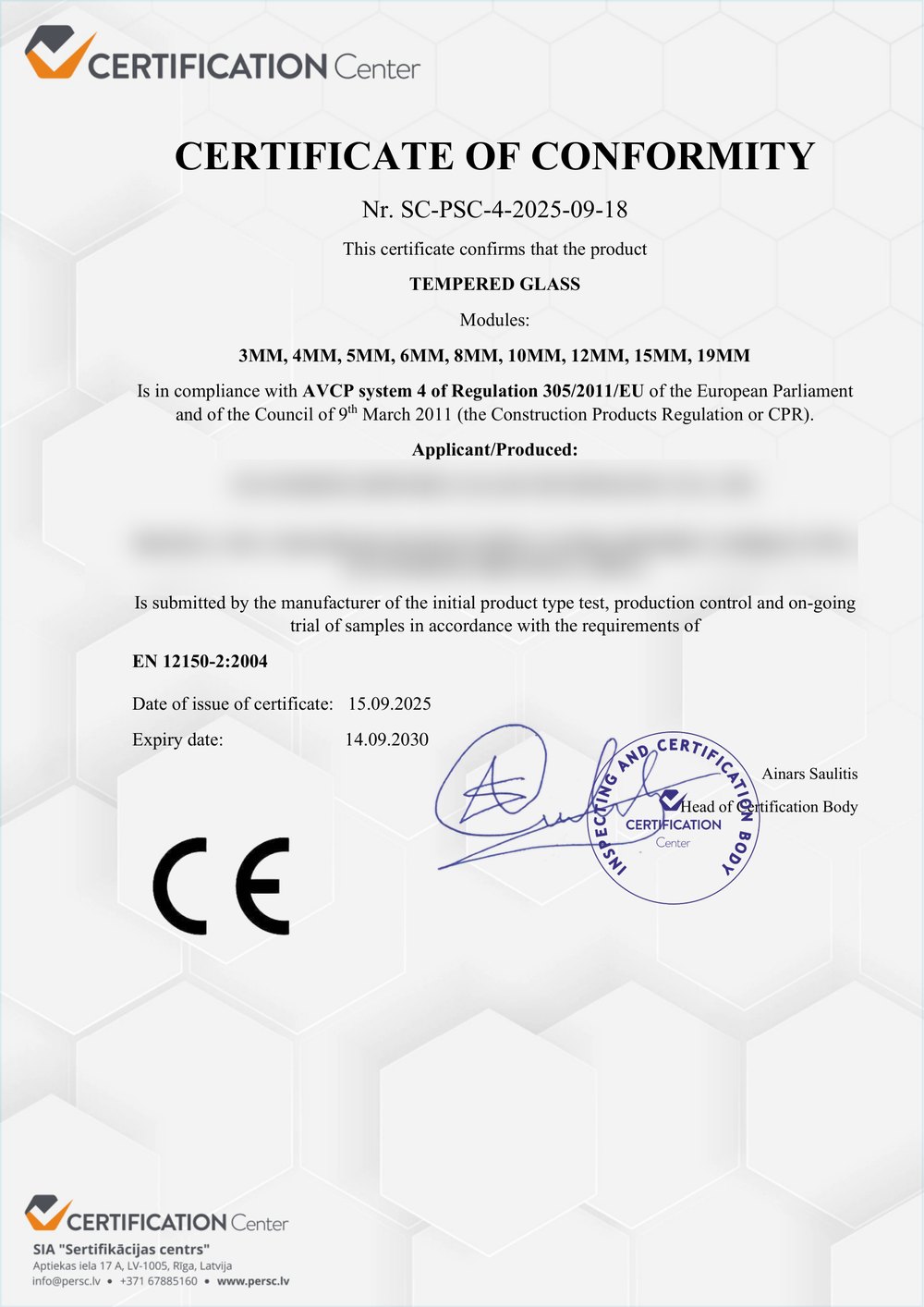
CE Certified
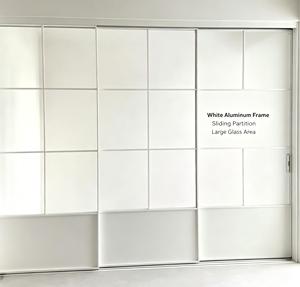
Explore our engineering-grade architectural profiles, hurricane-impact doors, thermal break windows, and commercial shutter solutions built to strict European CE standards.
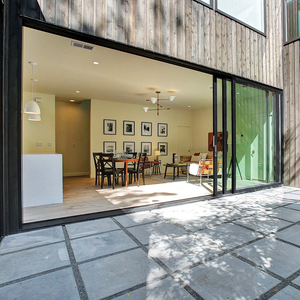
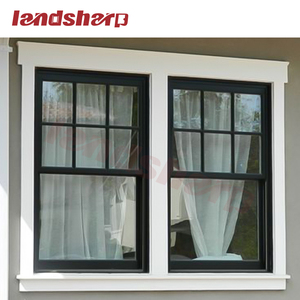
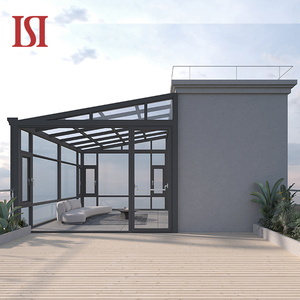
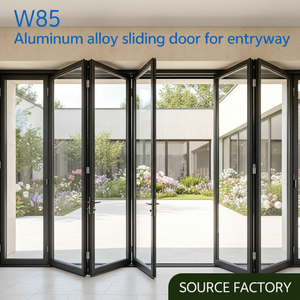
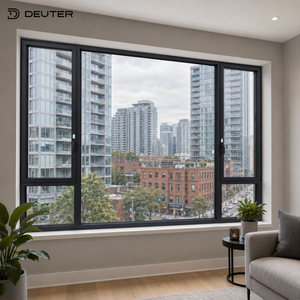
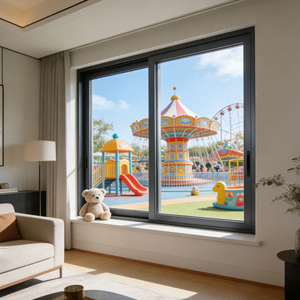
Situated in Songxia Industrial Park, Nanhai District, Foshan, Guangdong—the recognized global epicenter of high-end architectural aluminium extrusion—Karon Window & Door Co., Ltd. operates a 10,000 m² modern manufacturing complex. With over 15 years of dedicated engineering expertise, we specialize in high-security, burglar-resistant aluminium windows, hurricane impact doors, multi-track sliding systems, and thermal break fenestration.
Our facility seamlessly integrates precision CNC machining center lines, automated European corner-crimping equipment, multi-point locking assembly stations, and strict hydrostatic pressure test bays. Every order undergoes rigorous quality audit checkpoints—from raw 6063-T5 aluminum billet spectroscopy to final hardware fatigue testing.
A technical analysis of forced-entry prevention, anti-pry hardware metallurgy, thermal isolation physics, and European standard compliance for commercial and residential procurement.
Burglar resistance in modern aluminium fenestration is classified under European Standard EN 1627 to EN 1630. RC2 and RC3 certified windows are engineered to resist attacks using heavy-duty manual tools such as crowbars, screwdrivers, pliers, and hand drills for defined resistance times. KARON’s reinforced profile chambers feature internal steel sleeves and anti-jacking locks to prevent frame distortion under extreme leverage forces.
Standard latch locks are vulnerable to single-point pry attacks. Certified burglar windows utilize gearboxes driving 304/316 stainless steel mushroom-head locking cams that interlock tightly into hardened steel keeps mounted along the entire perimeter frame. This multi-directional engagement locks the sash against horizontal pulling, vertical lifting, and outward prying.
Structural integrity depends on extrusion quality. KARON utilizes primary 6063-T5/T6 architectural aluminum alloy with a nominal wall thickness of 1.4mm to 2.5mm for structural outer frames. FEA (Finite Element Analysis) stress simulations ensure profile geometry withstands extreme torsional loads and wind pressures exceeding 5000 Pa.
Thermal break burglar windows integrate 24mm to 34mm polyamides reinforced with 25% glass fiber (PA66 GF25). These strips split the interior and exterior aluminum chambers, eliminating thermal bridging, reducing U-values to below 1.4 W/m²K, and preventing interior condensation while maintaining high mechanical shear strength.
Security windows require shatter-proof glazing. Utilizing PVB (Polyvinyl Butyral) or ultra-rigid SGP (SentryGlas®) interlayers sandwiched between tempered Low-E glass panes (e.g., 6mm Low-E + 1.52PVB + 6mm Clear), the glass remains intact even when impacted repeatedly by heavy blunt objects, preventing unauthorized entry.
Combined with heavy-duty 304 marine-grade woven stainless steel wire mesh (0.8mm-1.0mm wire diameter), our burglar-proof windows provide dual protection: anti-theft insect filtration and physical barrier resistance against knives, shears, and forced impact without blocking optical transparency.
| Resistance Class | Target Intruder & Tool Level | Min. Profile Thickness | Recommended Glazing Specs | Locking Points Required |
|---|---|---|---|---|
| EN 1627 RC1N | Opportunistic violence, kicking, shoulder force | 1.4 mm - 1.6 mm | Double Tempered Glass (5mm + 12A + 5mm) | 3-Point Perimeter Locks |
| EN 1627 RC2 | Ductile intrusion using screwdrivers, pliers, wedges | 1.8 mm - 2.0 mm | Laminated Safety Glass (6mm + 1.14PVB + 6mm) | 5 to 7-Point Anti-Pry Cams |
| EN 1627 RC3 | Experienced thieves using crowbars, hand drills | 2.0 mm - 2.5 mm | SGP High-Impact Laminated (6mm + 1.52SGP + 6mm) | Multi-directional Hook Locks |
| Miami-Dade Impact | Severe hurricane debris & forced storm impact | 2.2 mm - 3.0 mm Heavy Wall | Laminated Insulated Low-E (6mm + 2.28PVB + 6mm) | Heavy-Duty Lift-&-Slide Gearbox |
Strategic insights for global architectural buyers, property developers, and building material importers navigating the evolving security fenestration market.
Modern luxury architecture demands maximum daylight and minimal frame visibility. The historical trade-off between slim frames and structural security is disappearing. Next-generation procurement favors ultra-narrow sightline systems (15mm - 25mm interlocks) that conceal multi-point locks, heavy-duty hinges, and anti-pry hardware completely within the frame channel.
Burglar windows are transforming from passive physical barriers into active smart nodes within modern home automation networks. Sourcing trends indicate a sharp increase in demand for motorized tilt-and-turn windows and lift-and-slide doors equipped with automated mechatronic locking systems.
Strict energy codes (such as EU NZEB standards and US ENERGY STAR® criteria) mean security cannot compromise thermal efficiency. Manufacturers are adopting recycled post-consumer aluminum billets and eco-friendly powder coating technologies while engineering ultra-insulated thermal breaks.
Global developers are shifting away from standard catalog windows toward project-specific shop drawing customization. Direct factory collaboration allows precise alignment with architectural elevation drawings, custom structural expansion joints, and pre-engineered BIM model integration.
Key technical insights to guide architects, contractors, and project managers when specifying and importing CE certified aluminium burglar windows from China.
CE certified burglar windows undergo strict third-party laboratory testing under European Standards EN 1627-1630. This includes static load testing, dynamic pendulum impact resistance, and manual forced-entry attack trials. Standard security windows lack verified structural testing, whereas CE-marked fenestration guarantees documented performance in mechanical strength, water tightness, air permeability, and wind load resistance.
Effective burglar prevention requires multi-point locking gear equipped with hardened steel mushroom cams, anti-lift pins, steel corner gear drives, and anti-drill gearbox plates. Sashes should be paired with lockable handles tested to 100 Nm torque resistance, preventing intruders from rotating the handle via external glass drilling.
Yes. As a custom factory manufacturer, 100% of KARON’s production is tailored to project specifications. Our structural engineers review your architectural drawings, elevation schedules, target U-values, wind loads, and opening styles to generate detailed shop drawings for approval prior to production.
Thermal break profiles incorporate an insulating polyamide strip (PA66GF25) separating the interior and exterior aluminum frames, blocking conductive heat flow. They are essential for energy-code compliance, heating/cooling energy savings, and condensation prevention. Non-thermal break profiles are uninsulated and suited for interior office partitions, mild tropical zones, or budget-sensitive projects.
Products are protected using a multi-layer export packaging protocol: protective plastic wrapping on aluminum surfaces, corner foam armor, waterproof bubble wrap, and fully sealed fumigation-free wooden crates or steel frame A-frames. Containers are strapped with heavy-duty tension belts to prevent movement during sea transit.
KARON products carry CE Certification (EN 12150), US SGCC (Safety Glazing Certification Council), Australia AS 2208, New Zealand AS/NZS 2208, Thailand TISI 965-2560 / 1231-2560, and Malaysia CIDB PPS certification. Our manufacturing facility operates under an audited ISO 9001 quality system.
Need engineered shop drawings, CE test documentation, or competitive direct-factory pricing for your upcoming commercial villa or residential development project?
Get Catalog