Project-Grade Aluminium Window & Door Collection
Precision-engineered architectural profiles tested and certified to CE EN 14351-1, AS2047, and NFRC international standards.
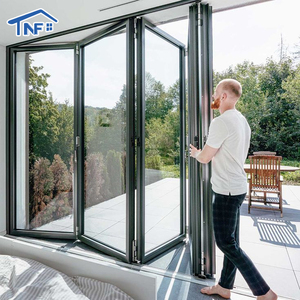 Bi-Fold Series
Modern Waterproof Aluminium Exterior Patio Accordion Double Tempered Low-e Glass Bi-Fold Folding Door For Villa Application
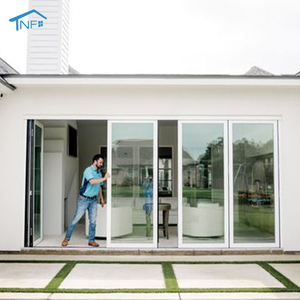 Panoramic Doors
Custom Aluminium Exterior NFRC AS2047 Waterproof Double Low-e Glass Patio Bifold Sliding Swing Panoramic Doors For Home Garden
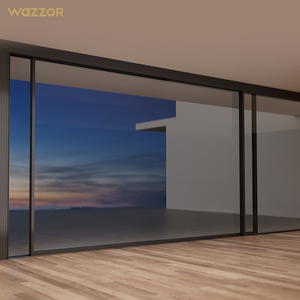 Hurricane Rated
Wazzor Hurricane Rated in Stock Double Tempered Glass Sliding Doors System Exterior Interior Balcony Patio Glass Aluminum Door
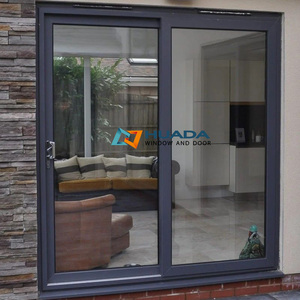 Lift & Slide
High-End Waterproof Entry Front Door Hurricane Impact Sliding Glass Windows and Doors Energy Efficient Lifting and Sliding Door
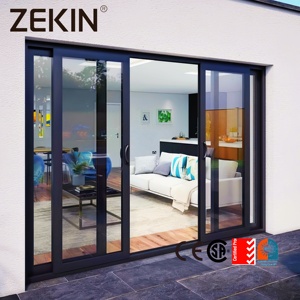 Courtyard Sliding
Customized Aluminum Double Tempered Glass Sliding Door NFRC AS2047 Balcony Courtyard Avoid Hurricane Impact Sliding Door
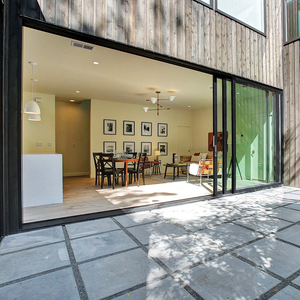 Miami-Dade Approved
Florida Certification Aluminum Hurricane Impact Glass Doors Miami Dade Hurricane Sliding Door
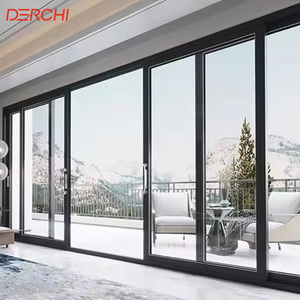 Commercial Glazing
Heavy-Duty Commercial Modern Energy Efficient Office Door External Glass Slide Large Sliding Patio Doors and Windows for Home
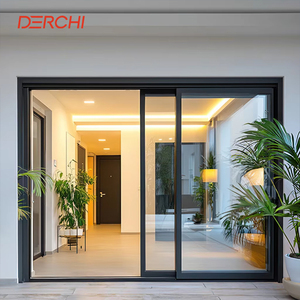 US NFRC Standard
DERCHI NFRC America Standard Large Sliding Glass Doors For Patio Aluminum Frame Thermal Insulation Double Glass Sliding Doors
Karon Window & Door Co., Ltd. — Enterprise Capabilities
Operating out of a 10,000 m² standardized manufacturing complex in Songxia Industrial Park, Nanhai District, Foshan, Guangdong, China — the world’s leading hub for architectural aluminum extrusions — Karon Window & Door Co., Ltd. brings over 15 years of continuous engineering innovation to global building projects.
Architectural Engineering Specifications & Structural Integrity
In-depth technical breakdown of aluminum extrusion alloys, polyamide thermal breaks, acoustic insulation engineering, and hurricane wind-load defense mechanism design.
6063-T6 Structural Alloy & Surface Finishes
All extrusions utilize high-grade 6063-T6 or 6060-T66 aluminum alloys featuring a wall thickness ranging from 1.6mm to 3.0mm depending on structural span needs. Surface treatments include Fluorocarbon PVDF coating compliant with AAMA 2605, Class 1 Anodizing (25 microns), and Qualicoat-certified architectural powder coatings resistant to extreme salt-spray environments (ASTM B117 tested over 3000 hours).
Polyamide (PA66GF25) Thermal Break Architecture
To mitigate thermal conduction, profile systems integrate 24mm to 34mm Technoform polyamide strips reinforced with 25% fiberglass (PA66GF25). This multi-cavity thermal barrier creates a complete thermal separation between external and internal aluminum extrusions, yielding profile U-values as low as Uf = 1.3 to 1.8 W/m²K and stopping thermal condensation in cold climates.
Impact & Structural Wind Resistance Engineering
Engineered for extreme coastal weather zones and high-rise applications, our hurricane-rated sliding systems feature reinforced heavy-duty mullions capable of withstanding design wind pressure exceeding 5000 Pa (equivalent to Category 5 hurricanes). Laminated safety glass assemblies utilize SentryGlas® (SGP) or high-viscosity PVB interlayers certified under Miami-Dade TAS 201/202/203 protocols.
| System Category | Thermal Transmittance (Uw) | Acoustic Rating (Rw) | Wind Load Resistance | Water Tightness (Pa) | Target Application |
|---|---|---|---|---|---|
| Thermal Break Sliding Door | 1.4 – 1.8 W/m²K | 38 – 42 dB | Class C5 (5000 Pa) | Class 9A (600 Pa) | Villa Patios, High-rise Balconies |
| Ultra-Slim Sightline Sliding Door | 1.6 – 2.0 W/m²K | 35 – 39 dB | Class C4 (4000 Pa) | Class 8A (450 Pa) | Modern Living Rooms, Resorts |
| Lift & Slide Heavy Duty System | 1.2 – 1.5 W/m²K | 40 – 45 dB | Class C5 (5500 Pa) | Class E1050 (1050 Pa) | Luxury Mansions, Coastal Estates |
| Bi-Fold Accordion Door Series | 1.5 – 1.9 W/m²K | 36 – 40 dB | Class C3 (3000 Pa) | Class 7A (300 Pa) | Restaurants, Patios, Garden Rooms |
| Casement & Awning Windows | 1.1 – 1.4 W/m²K | 42 – 48 dB | Class E2400 (6000 Pa) | Class E1200 (1200 Pa) | Passive Houses, Commercial Offices |
Future Procurement Trends in Architectural Glazing Systems
As decarbonization policies tighten worldwide and architectural aesthetics shift toward minimalist transparency, the procurement landscape for aluminum windows and sliding doors is experiencing fundamental technological shifts.
1. Ultra-Narrow Sightline Minimalism (< 18mm)
Architects are increasingly rejecting bulky aluminum profiles in favor of concealed frame systems. Modern procurement specs demand interlocking vertical stiles under 18mm in width while maintaining structural load-bearing capacity. Achieving this requires structural silicone structural glazing (SSG) techniques where the glass pane functions as a load-bearing element of the sash assembly.
2. EPD & Decarbonized Low-Carbon Extrusions
International tenders across Europe, Australia, and North America now evaluate Environmental Product Declarations (EPD). Modern window manufacturing relies heavily on hydro-powered or recycled primary aluminum extrusions (reducing embodied carbon to below 4.0 kg CO2e/kg Al). Procurement teams prioritize suppliers with ISO 14064 carbon footprint auditing.
3. Smart Motorization & Mag-Lev Sliding Tracks
The integration of brushless DC smart motors, automated sensor safety edges, and magnetic levitation (Mag-Lev) drive tracks represents a major growth vector. Oversized sliding panels weighing up to 600 kg can now be operated effortlessly via smartphone connectivity, home automation protocols (KNX, Zigbee), or silent touch pads.
4. Vacuum Insulated Glazing (VIG) Integration
While Low-E double and triple glazing remain industry mainstays, next-generation procurement specifies Vacuum Insulated Glazing (VIG). By removing air between glass panes to create a vacuum cavity, VIG achieves center-of-glass Ug values of 0.4 W/m²K in a total profile thickness under 10mm, drastically reducing overall door weight and building facade load.
5. Multi-Point Security & Concealed Hardware
Burglar resistance standard EN 1627 RC2 and RC3 is moving from commercial bank requirements into residential luxury building codes. Hardware procurement requires concealed heavy-duty hinges, anti-lift interlocks on sliding tracks, stainless steel 304 mushroom head locking points, and motorized multi-point locksets.
6. Extreme Marine-Grade Surface Treatment
With coastal villa developments accelerating in regions like Florida, the Caribbean, Southeast Asia, and the Mediterranean, baseline powder coatings are being replaced by Seaside Grade pre-anodizing combined with fluorocarbon PVDF finishes to prevent filiform corrosion and degradation caused by salt spray and high UV radiation.
Global Compliance Schemes & Factory QC Protocol
Ensuring full regulatory compliance across international target markets through standardized testing, third-party audits, and rigorous full-process inspections.
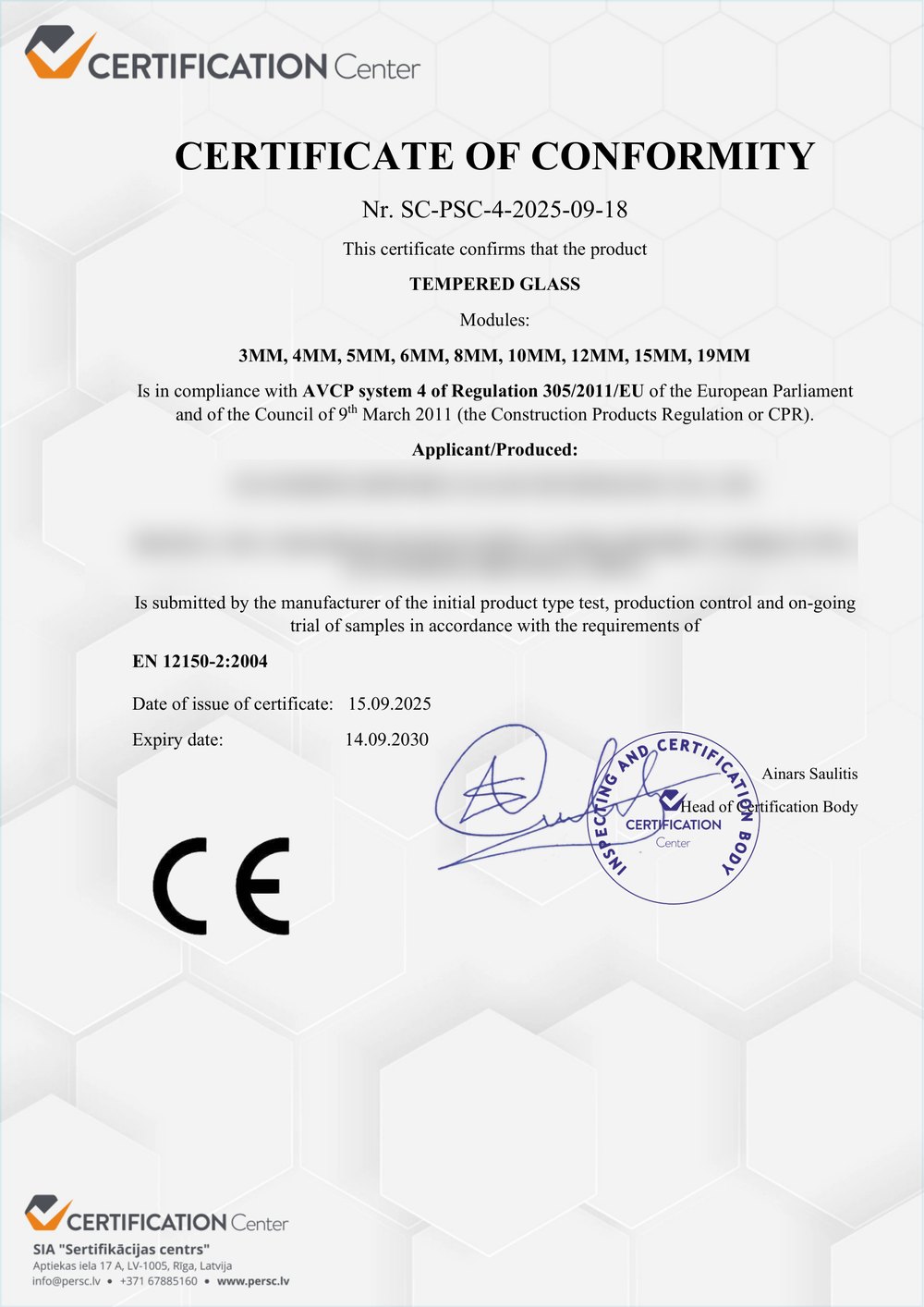
European Union (CE EN 14351-1 & EN 12150)
Mandatory CE marking for external windows and doors. Glass processing adheres strictly to EN 12150 for thermally toughened safety glass, accompanied by Declaration of Performance (DoP) documentation detailing air permeability, watertightness, and thermal performance.
North America (SGCC & NFRC Certification)
Safety Glazing Certification Council (SGCC) compliance verified according to ANSI Z97.1 and CPSC 16 CFR 1201 standards. Energy performance thermal ratings registered via National Fenestration Rating Council (NFRC) testing protocols for U-factor and SHGC.
Australia & NZ (AS 2047 & AS/NZS 2208)
Structural integrity compliance certified under AS 2047 (Windows and doors in buildings) covering deflection, operating force, air infiltration, water penetration, and ultimate strength tests. Safety glazing fully certified under SAI Global AS/NZS 2208 StandardsMark.
Southeast Asia (TISI & CIDB PPS Schemes)
Products certified under Thailand Industrial Standard Institute (TISI 965-2560 & TISI 1231-2560) alongside Malaysia Construction Industry Development Board (CIDB PPS Certification 2-03250048/49) for high-rise building projects across the ASEAN corridor.
Florida Miami-Dade High Velocity Hurricane Zone
Designed specifically for coastal storm resistance, engineered door lines feature Miami-Dade Notice of Acceptance (NOA) qualifications verified via large missile impact tests (TAS 201) and cyclic wind pressure loading (TAS 203).
ISO 9001 Full-Process Factory Auditing
From aluminum raw extrusion alloy spectrographic analysis to corner crimping mechanical shear strength testing, hardware cycle testing (100,000 cycles minimum), and pre-shipment sea-freight container packing protection inspection.
Frequently Asked Engineering & Ordering Questions
Clear, definitive answers for architects, structural engineers, commercial developers, and procurement agents.