Recommended Architectural Glass & Door Systems
Engineered to international regulatory standards, certified for extreme wind loads, thermal efficiency, and high-traffic commercial durability.
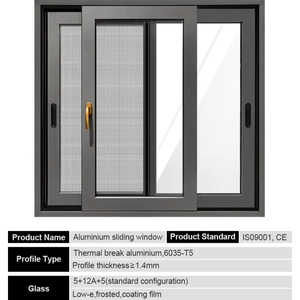
Wholesale Custom Ventilation Glass Courtyard Window Aluminum Sliding Window System for Sunroom Laminated Safety Glass Window
Contact Us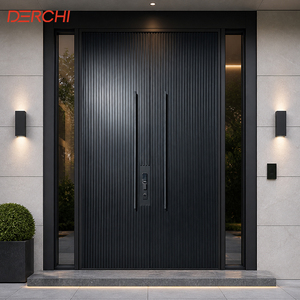
Double Front Entry Door Aluminum Exterior Security Door Heavy Duty For Residential And Commercial Buildings
Contact Us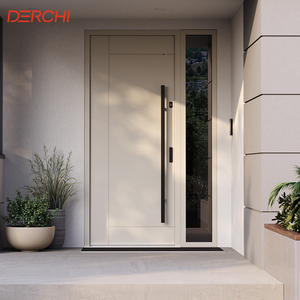
Modern Aluminum Entrance Door Front Door Exterior Security Aluminum Door Custom Design House Use
Contact Us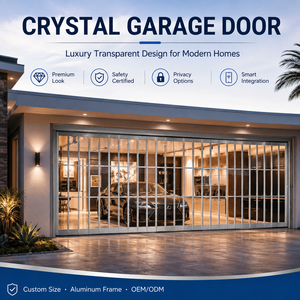
Transparent Shop Aluminum Alloy PC Sliding Crystal Door PVC Plastic Cheap Mall Modern Folding Sound Insulation Polymer Finished
Contact Us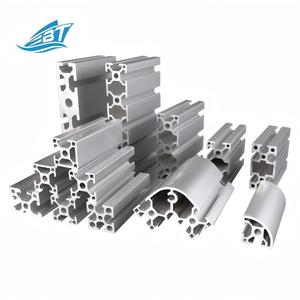
Aluminum Alloy Profiles for Door Window LED Application with Bending Cutting Welding Services Custom Extrusion Processing
Contact Us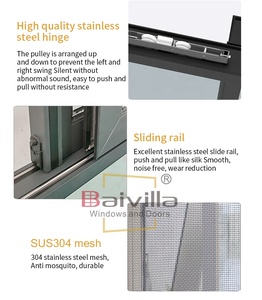
Thermal Break Aluminum Window Energy Efficient Slimline Frame Double Glazed Window OEM RAL Color Customized Side Sliding Window
Contact Us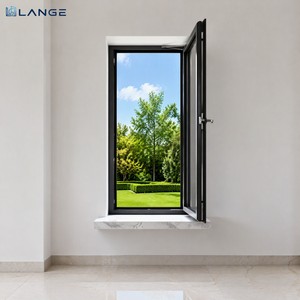
LANGE Luxury CE Certified Thermal Break Aluminum Tilt Turn Casement Windows Aluminum Alloy Windows Inward Opening Windows
Contact Us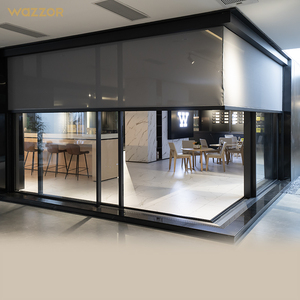
Wazzor Energy Efficient Aluminum Sliding Doors With Tempered Glass Frameless Patio Balcony Interior Spaces Aluminum Sliding Door
Contact UsCE Certified Aluminum Double Swing Doors: Structural Engineering & Mandatory Standards
In modern architectural procurement, the selection of heavy-duty exterior entry systems and high-traffic commercial portals demands rigorous adherence to structural mechanics, environmental insulation standards, and third-party verification. CE certification under standard EN 14351-1:2006+A2:2016 (Windows and doors - Product standard, performance characteristics) is not merely a European regulatory requirement; it serves as a global benchmark for mechanical durability, wind-load resistance, and thermal performance for international buyers across North America, the Middle East, and Oceania.
CE-certified aluminum double swing door assemblies manufactured by leading Chinese export facilities integrate structural 6063-T6 or 6060-T66 aluminum extrusions with precise wall thicknesses ranging from 2.0mm to 3.0mm. Unlike residential single-leaf casements, double swing doors (french-style active/inactive dual opening sashes) experience complex torsional stress and perimeter pressure gradients, requiring dedicated central astragal seals and heavy-duty corner crimping with dual-component polyurethane adhesive injection.
Core Testing Parameters Required for CE EN 14351-1 Approval
To obtain CE authorization and issue a Declaration of Performance (DoP), factory production lines must undergo Initial Type Testing (ITT) conducted by accredited notified bodies. The critical evaluation metrics include:
| Performance Metric | EN Test Standard | CE Minimum Rating Grade | Engineering Specification Notes |
|---|---|---|---|
| Air Permeability | EN 12207 | Class 4 (600 Pa) | Measures draft resistance; achieved via continuous EPDM triple gaskets and drop-down bottom seals. |
| Watertightness | EN 12208 | Class E900 / E1050 | Evaluates driving rain resistance under static water pressure up to 1050 Pa without internal leakage. |
| Resistance to Wind Load | EN 12210 | Class C5 / B5 (2000 Pa) | Structural deflection safety under peak gale pressures; structural mullions reinforced with internal steel inserts. |
| Thermal Transmittance (U-Value) | EN ISO 10077-2 | Ud ≤ 1.2 to 1.6 W/m²K | Configured using PA66-GF25 glass-fiber reinforced polyamide thermal break strips (24mm–34mm width). |
| Operating Forces | EN 12046-2 | Class 2 | Ensures smooth ergonomics for high-frequency public usage with low opening torque. |
Information Gain Insight: Procurement directors must verify that the factory's CE documentation covers the entire door system assembly—including the frame, thermal breaks, sash joints, glass units, and panic/lock hardware—rather than isolated raw material component certificates.
Hardware Architecture & Multi-Point Locking Systems
The mechanical integrity of a heavy-duty double swing aluminum door relies heavily on its hardware subsystem. In double-leaf configurations, the inactive leaf relies on top and bottom flush bolts or concealed edge locks, while the active leaf features multi-point mortise locks with anti-lift hooks and deadbolts.
Advanced Component Metallurgy & Hardware Specifications
Leading exporters partner with premier European hardware manufacturers (such as GU, Siegenia, HOPPE, and Giesse) as well as certified heavy-duty domestic hardware systems to provide long-term durability:
- 3D Adjustable Surface-Mounted & Concealed Hinges: Fabricated from high-tensile extruded aluminum alloy or AISI 304 stainless steel. Designed to sustain sash weights up to 200kg per leaf without vertical sagging over 100,000 continuous operation cycles.
- Multi-Point Security Gearboxes: Featuring 3-point to 5-point locking pins that engage automatically upon door closure, ensuring perimeter compression against the weatherstripping for optimal sound attenuation (Rw up to 42 dB).
- Panic & Emergency Exit Hardware (EN 1125 / EN 179): For commercial applications, double swing doors are configured with touch-bar panic exit devices on both leaves to facilitate instantaneous emergency egress.
- Drop-Down Automatic Threshold Seals: Concealed mortise bottom seals drop down automatically when the door closes, sealing the bottom gap against air leakage, acoustic penetration, and driving water while allowing barrier-free zero-threshold accessibility.
Future Procurement Trends in Architectural Aluminum Openings (2025–2030)
Key technological shifts shaping global B2B sourcing decisions for commercial and residential exterior double swing portals.
Smart Access & Motorization
Integration of concealed electromagnetic multi-point locks, biometric fingerprint scanners, facial recognition, and motorized swing actuators linked to building management systems (BMS).
Ultra-Narrow Sightlines
Architects demand minimal aluminum frame visibility. Emerging double swing systems incorporate micro-bezel profiles (20mm visible stiles) while maintaining high structural load ratings.
Low-Carbon Extrusions
Procurement bids increasingly mandate LEED and BREEAM compatibility, prioritizing factories utilizing recycled scrap aluminum billet melting and renewable hydropower extrusion operations.
Product Evolution: From Standard Commercial Doors to High-Performance Thermal Systems
Historically, commercial aluminum double swing doors suffered from high thermal conductivity, cold bridges, and joint deterioration caused by simple screw-and-butt plate assembly. Modern manufacturing facilities in Foshan have revolutionized aluminum door engineering through advanced automated processing:
| Feature Era | Traditional Commercial Aluminum Doors | Next-Gen CE Certified Thermal Break Double Doors |
|---|---|---|
| Thermal Isolation | Non-thermal break single extrusion; high thermal bridge. | Dual-chamber PA66-GF25 polyamide thermal breaks; insulated cavity foams. |
| Corner Connection | Direct mechanical screw tapping; vulnerable to sagging. | Hydraulic corner crimping with internal cast-aluminum cleats & epoxy injection. |
| Glazing Capacity | 6mm – 10mm single tempered glass. | 28mm – 48mm double/triple laminated insulated glass units (Low-E + Argon). |
| Surface Treatment | Basic anodizing or standard powder coating. | Qualicoat Class 2 / PVDF fluorocarbon coatings resisting 3,000+ hrs salt spray test. |
Enterprise Advantage: Foshan Manufacturing Excellence & Global Compliance
Based in Foshan, Guangdong—the world's premier cluster for aluminum extrusion engineering—Karon Window & Door Co., Ltd. operates a 10,000 m² standardized manufacturing plant with over 15 years of OEM/ODM export experience. Our production facility combines automated precision CNC cutting machines, dual-head corner crimping stations, and rigorous full-process testing protocols.
Every structural profile, thermal break strip, and glass installation undergoes systematic quality inspection. We specialize in project-grade custom architectural windows, heavy-duty entrance double swing doors, sliding doors, sunrooms, and frameless glass railing systems built to exact architectural CAD drawings.
Frequently Asked B2B Procurement Questions (FAQ)
Technical guidance for architects, general contractors, developers, and trade importers sourcing custom aluminum doors from China.