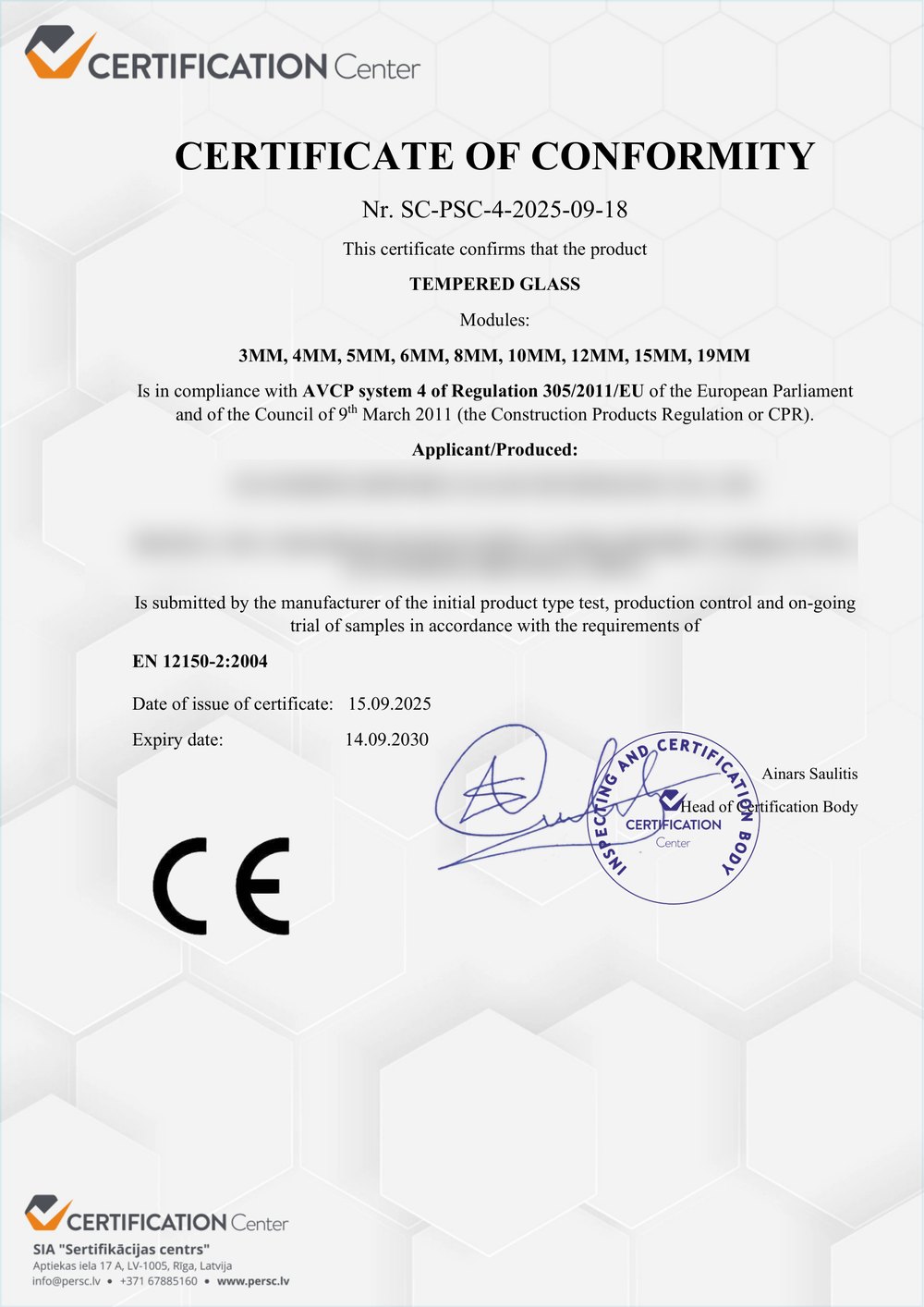
CE Certified Aluminum Entrance & Fenestration Systems
Explore our engineering-grade aluminum Jali security doors, hurricane-impact sliding assemblies, thermal break tilt-and-turn units, and ultra-narrow architectural profiles crafted in Foshan, China.
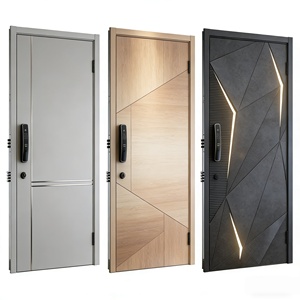
Modern Aluminum Security Door Residential Front Entrance Strong Outdoor Protection System Contemporary Minimalist Design
Inquire Now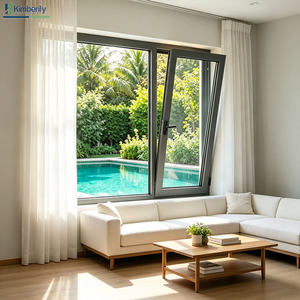
Double Glazed Windows Soundproofing Aluminum Tilt and Turn Windows House Interior Casement Windows
Inquire Now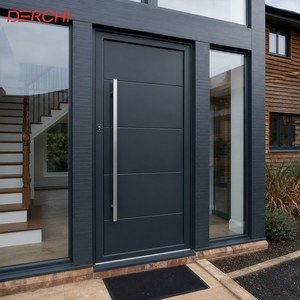
Luxury Aluminum Front Door Entry Door Exterior Security Door for Residential and Commercial Use
Inquire Now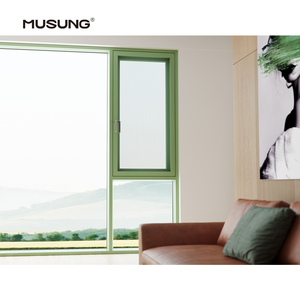
Ultra Narrow Glass Windows and Doors Double Glazed Aluminum Alloy Line Slimline Window Casement Windows
Inquire Now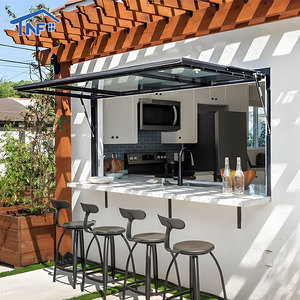
Modern Thermal Break Aluminium Gas Strut Pass Through Windows Vertical Aluminum Push Out Flip Awning Windows For Kitchen Use
Inquire Now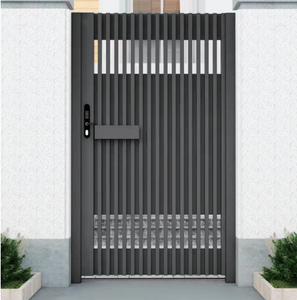
30 Years of Experience Professional Manufacturer Hot-Selling Safe Entry Front Door Laser Cutting Grey Aluminum Double Door
Inquire Now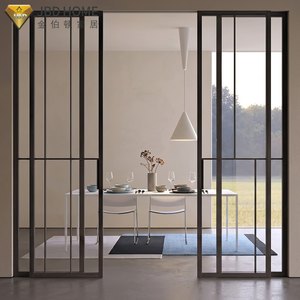
NFRC Certified Hurricane Impact Heavy Duty Aluminum Sliding Glass Door Double Tempered Glass for Houses Sliding Glass Doors
Inquire Now
Aluminum Bathroom Door Frosted Tempered Glass Waterproof Moisture Proof Swing Interior Slim Frame Hotel Villa OEM Custom
Inquire NowThe Engineering Science Behind CE Certified Aluminum Jali Doors
In contemporary architecture, the term Jali—historically referring to intricate perforated lattice screens—has undergone a massive technological transformation. Modern CE Certified Aluminum Jali Doors combine heritage aesthetic geometries with high-strength structural metallurgy, precision CNC laser cutting, stainless steel security mesh integration, and advanced thermal break technology. As a premier Foshan-based fenestration manufacturer, Karon Window & Door Co., Ltd. engineers custom aluminum Jali doors engineered to meet rigid European (CE EN 14351-1 / EN 12150), American (SGCC), and Australian (AS 2208) standards.
Information Gain Insights: Structural Alloy Grade vs. Decorative Jali Performance
Not all aluminum Jali doors deliver structural security. Generic suppliers often use soft 6063-T5 aluminum with raw punched mesh that degrades under forced entry or coastal corrosion. KARON utilizes T6-treated 6063 architectural aluminum extrusions coupled with 0.8mm high-tensile 304/316 marine-grade stainless steel woven security screens or 3.0mm–5.0mm solid laser-ablated aluminum alloy plates. This achieves an RC2 to RC3 anti-burglary rating under EN 1627 European testing guidelines while maintaining 68% natural airflow efficiency.
1. Metallurgical Composition & Structural Extrusions
The foundation of a CE certified Jali door system lies in its extrusion profile geometry. Wall thicknesses for structural door frames range from 2.0mm to 3.0mm, exceeding standard residential window profiles. The extruded 6063-T6 alloy provides tensile strength up to 205 MPa, yielding immense resistance against flexural stress and wind pressures exceeding 4.5 kPa (ASTM E330 / EN 12210 Class C5).
2. Laser Ablation & Precision Jali Lattice Geometry
Using ultra-high-speed fiber laser cutting systems operating with zero thermal distortion, complex geometric patterns—ranging from Islamic arabesque and modern minimalist linear grilles to parametric customized perforated panels—are cut directly into heavy-gauge aluminum sheets. The perimeter of each Jali insert is continuously welded or mechanically locked inside a double-rebated aluminum sash frame, eliminating weak points along the perimeter.
3. Comprehensive Engineering Matrix: Jali Door Specifications
| Engineering Parameter | Standard Commercial Grade | KARON CE Certified Jali Security System | Testing Standard |
|---|---|---|---|
| Alloy Base & Temper | 6063-T5 (Basic Extrusion) | 6063-T6 High-Tensile Architectural Alloy | GB/T 6892 / ASTM B221 |
| Frame Wall Thickness | 1.2mm – 1.4mm | 2.0mm – 3.0mm Structural Profile | EN 12020-2 Compliance |
| Jali Security Screen | 0.5mm Steel Mesh / Soft Perforated Sheet | 0.8mm SS316 Woven Mesh or 4.0mm Laser Cut Alloy | EN 1627 RC2 / RC3 Burglary Test |
| Thermal Insulation Bar | None / PVC Strips | PA66GF25 (25% Glass-Fiber Reinforced Polyamide) | DIN 53455 / EN 14024 |
| Surface Finish & Coating | Standard Powder Coating (50µm) | Qualicoat Class 2 PVDF / AkzoNobel Fluorocarbon (>80µm) | ASTM B117 (3,000h Salt Spray Test) |
| Locking Mechanism | Single Point Latch | German-Engineered Multi-Point Gear Locking (5-8 Points) | DIN 18251 Grade 3 |
| Glazing Integration | Single 5mm Float Glass | Double/Triple Tempered Low-E Argon-Filled Glass (CE EN 12150) | EN 1279 Gas Leakage & Seals |
4. Thermal Break & Acoustic Decoupling Performance
Traditional metal security doors act as heat conductors, leading to condensation, energy loss, and high HVAC utility consumption. KARON integrates a 24mm to 34mm PA66GF25 polyamide thermal bridge within the aluminum door profile. This thermal break decouples the interior and exterior aluminum chambers, reducing overall door thermal transmittance to $U_f \le 1.6 \text{ W/m}^2\text{K}$. Furthermore, when combined with double-sealed EPDM gaskets and double-glazed low-E glass, sound attenuation reaches $R_w = 42 \text{ dB}$, insulating interiors against urban noise pollution.
Future Sourcing & Procurement Trends (2025–2030)
Key technological shifts shaping how real estate developers, contractors, and architectural procurement managers specify metal door assemblies.
1. Biometric & Hidden Smart Hardware Integration
Global procurement is moving away from mechanical keys toward smart biometrics (3D facial recognition, palm vein scanners, hidden keypad entry) seamlessly embedded into slim aluminum door stiles without compromising structural integrity or weather seals.
2. Micro-Sash Sightlines with Heavy-Duty Capacity
Architects demand maximum glass surface area with minimal visual frame. Sourcing trends prioritize ultra-narrow stiles (as thin as 16mm to 25mm) that can support massive glass weights up to 450 kg per panel via concealed stainless steel quad-rollers.
3. Decarbonized Recycled Alloy Extrusions
ESG standards push green building procurement toward low-carbon aluminum extruded using hydro-electric energy. Recycled aluminum billet utilization cuts operational carbon footprint by up to 85% while meeting LEED v4 and BREEAM sustainability scoring.
4. Coastal PVDF Weatherproofing Standards
With luxury resort developments surging in tropical coastal zones (e.g., Phuket, Caribbean, Middle East), specification sheets require 3-coat PVDF fluorocarbon coatings capable of enduring 3,000+ hours of continuous salt spray testing without blistering.
5. BIM-Ready CAD & Parametric Customization
Contractors favor manufacturers providing complete 3D BIM (Building Information Modeling) Revit files, thermal simulation data ($U$-factor models), and custom shop drawing engineering sign-offs prior to factory fabrication.
6. Modular All-in-One Fenestration Kits
Developers are consolidating supply chains by ordering pre-assembled, factory-glazed packages—combining main entry Jali security doors, side-hung casements, interior slim bathroom doors, and sunroom glass systems from a single factory.
Why Global Buyers Trust Karon Window & Door Co., Ltd.
Headquartered in Songxia Industrial Park, Nanhai District, Foshan—the world's hub for premium aluminum extrusion and fenestration technology—Karon Window & Door Co., Ltd. operates a 10,000 m² standardized manufacturing facility backed by over 15 years of hands-on international project execution.
Our engineering matrix integrates advanced CNC profile machining centers, automated double-head corner crimping machines, glass insulating lines, and rigor-tested pressure testing chambers. Every single order is fabricated according to detailed project shop drawings approved by your architectural consultant.
From private oceanfront villas in Texas, USA, and luxury developments in France and Greece, to large-scale commercial hospitality achievements such as the Kora Beach Resort Phuket (672 units across 9 low-rise buildings), KARON delivers uncompromised quality control, documented testing compliance, and punctual containerized shipping.
Frequently Asked Questions (FAQ)
Technical guidance for architects, engineering consultants, general contractors, and door importers.