Featured Architectural Window & Door Systems
Precision-engineered aluminum tambour door slats, thermal break casements, hurricane impact sliders, and custom architectural solutions manufactured directly in Foshan, China.
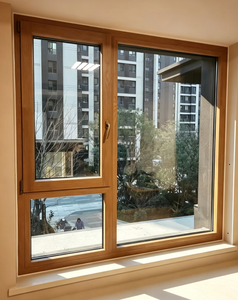
European High Energy Saving Triple Tempered Low-E Aluminum Wood Tilt Turn Windows Heat Insulation Waterproof Exterior Bedroom
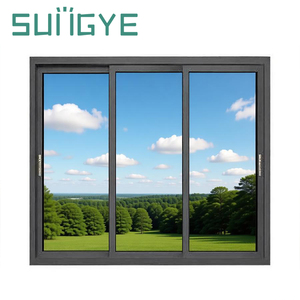
SUNGYE Hurricane Impact Double Glazed Profile Windows And Doors Frame Glass Aluminium Sliding Window
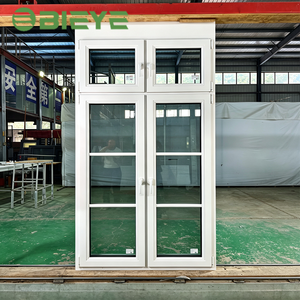
Custom 86 Aluminium Timber Composite Window Double Glazed Glass for Residential Housing Construction Works on Site
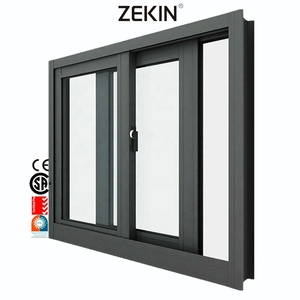
Customized Aluminum Sliding Windows Energy Efficient NFRC AS2047 Tempered Glass Hurricane Certification Aluminum Sliding Window
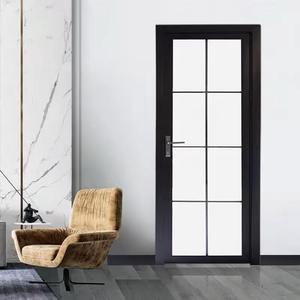
Double-Glazed Narrow-Frame Aluminum Casement Door Ideal for Kitchen, Bathroom, Villa Back Entrance
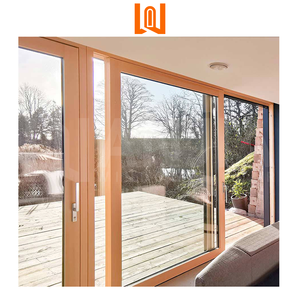
Heavy Duty Aluminum Clad Wood Hurricane Impact Glass Sliding Door Commercial Exterior Pivot Front Door
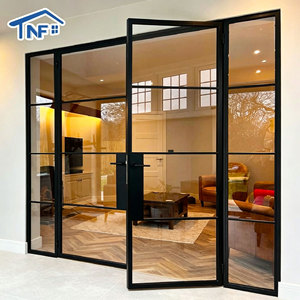
NFRC AS2047 Thermal Break Casement Door Custom Color And Size Double Glazed Swing French Doors Interior And Exterior
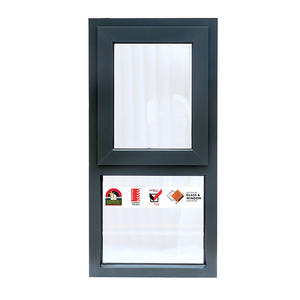
AS2047 Standard Commercial Double Glazed Aluminium Sash Windows Modern Residential Awning House Windows Australia Standard
Engineering Principles & Technical Dynamics of Modern Aluminum Tambour Doors
In contemporary architectural engineering and industrial design, aluminum tambour door systems represent the synthesis of structural space optimization, mechanical durability, and ergonomic aesthetics. Unlike traditional swing doors or bulky bi-folding assemblies that require expansive operational clearance envelopes, tambour doors—often referred to as rolling shutter systems or articulated slat doors—glide seamlessly along precision-extruded vertical or horizontal guide tracks.
This technical whitepaper, curated by top-tier fenestration engineers and SEO growth strategists at Karon Window & Door Co., Ltd. (Foshan, China), analyzes the physical dynamics, material alloy selections, surface finishing protocols, and European CE compliance benchmarks (EN 13659 and EN 12150) governing global procurement of aluminum tambour doors and companion thermal-break architectural systems.
Slat Geometry, Alloy Selection & Mechanical Interlocking
The core structural integrity of an aluminum tambour door lies within its interlocking slat geometry. Premium manufacturers utilize EN AW-6063-T6 architectural grade aluminum extrusions, chosen for its superior tensile strength (minimum 205 MPa), exceptional corrosion resistance, and precise surface finish suitable for powder coating or anodization.
Each slat profile is engineered with male and female hinge joints featuring integrated nylon or EPDM noise-dampening glides. The slat wall thickness typically ranges between 1.0mm and 2.5mm depending on wind load requirements, security classifications, and span dimensions:
- Micro-Slat Profiles (15mm – 25mm Height): Ideal for high-end residential cabinetry, executive office storage units, and kitchen appliance garages where compact winding radii (under 80mm cassette depth) are paramount.
- Medium Commercial Slats (35mm – 55mm Height): Engineered for retail counter enclosures, security kiosks, medical storage carts, and vehicle service bays requiring smooth rolling action over 3000mm clear opening widths.
- Heavy-Duty Structural Slats (75mm – 100mm Insulated Slats): Designed for industrial warehouses, external security shutters, and hurricane-prone openings, incorporating dual-walled profiles injected with high-density polyurethane (PU) foam core insulation.
Aluminum Tambour Door Specification Matrix
Comparative engineering parameters across standard B2B procurement configurations.
| Slat Category | Alloy Grade | Slat Profile Height | Max Clear Width | Cassette Winding Radius | CE Certification / Standard |
|---|---|---|---|---|---|
| Residential Cabinetry | EN AW-6063-T5 / T6 | 18 mm – 25 mm | 1,800 mm | 65 mm – 80 mm | EN 13659 / REACH / RoHS |
| Commercial Counter / Kiosk | EN AW-6063-T6 | 35 mm – 45 mm | 3,500 mm | 120 mm – 150 mm | CE EN 13659 / ISO 9001 |
| Insulated Thermal Shutter | Alloy + PU Foam Core | 55 mm – 77 mm | 5,000 mm | 200 mm – 280 mm | CE EN 13659 / EN 12150 (Glass) |
| Security & Industrial Grade | Extruded Double-Wall T6 | 80 mm – 100 mm | 7,500 mm | 320 mm – 400 mm | CE / EN 1627 RC3 Resistance |
Future Procurement & Architectural Trends (2025–2030)
Analyzing paradigm shifts in global fenestration, building energy codes, and space utilization.
1. Thermal Break & Energy Code Alignment
Global building codes (such as EU NZEB directives and US NFRC standards) demand drastic reductions in overall thermal transmittance ($U$-values). Future aluminum tambour door procurement will heavily pivot toward polyamide-reinforced thermal break slats. By inserting structural polyamide (PA66GF25) thermal barriers between inner and outer aluminum skins, thermal bridging is effectively eliminated, reducing condensation and lowering HVAC energy usage by up to 35%.
2. Smart Automation & IoT Sensor Integration
The modern procurement landscape is rapidly moving away from manual spring-recoil operation toward motorized, smart-enabled drive systems. Next-generation tambour installations feature ultra-quiet tubular DC motors integrated with RS485 / KNX home automation protocol controllers, obstacle detection radar, wind-rain environmental sensors, and smartphone application overrides. Supply chains must source factories capable of providing fully pre-wired tubular motors certified with CE, UL, and RoHS approvals.
3. Advanced PVD & Powder Coating Finishes
Aesthetics are no longer secondary. B2B buyers now mandate exterior-grade Qualicoat Class 2 textured powder coatings, metallic Physical Vapor Deposition (PVD) finishes, and hyper-realistic wood-grain transfer technology. These coatings guarantee 10 to 20 years of UV resistance without chalking, peeling, or color fading—even when subjected to harsh marine, high-salinity coastal environments.
4. Modular Cassette & Plug-and-Play Assembly
To reduce expensive site installation labor in North America and Western Europe, leading suppliers are delivering modular, pre-assembled roller cassettes. Instead of loose slat assembly, contractors receive drop-in aluminum cassette boxes containing factory-tensioned counter-balance springs, pre-routed guide tracks, and aligned motor drives, reducing field installation time by over 60%.
5. Eco-Conscious Circular Aluminum Sourcing
Sustainability criteria (EPR and LEED v4 rating systems) require verifiable carbon footprints. Leading Chinese export manufacturers are adopting low-carbon recycled aluminum billets smelted using renewable hydro-power, achieving certified recyclability rates exceeding 95% at the end of product life cycles.
6. Integrated Multi-Hazard Resistance
Architects are standardizing on multi-hazard fenestration packages. Modern projects combine CE certified aluminum tambour doors with Florida-grade hurricane impact glazing, fire-rated acoustic seals, and burglar-resistant mechanical locking pins certified to European EN 1627 RC2/RC3 standards.
Why Direct Global Buyers Partner with KARON
Karon Window & Door Co., Ltd. operates a 10,000 m² standardized manufacturing plant in Songxia Industrial Park, Nanhai District, Foshan, Guangdong, China.
Foshan Extrusion Ecosystem
Located at the epicenter of China's aluminum manufacturing hub, KARON leverages direct access to top-tier raw aluminum ingot suppliers, custom profile extrusion dies, and advanced anodizing facilities, ensuring unmatched cost efficiency and stringent tolerance controls.
Multi-Market Compliance Portfolio
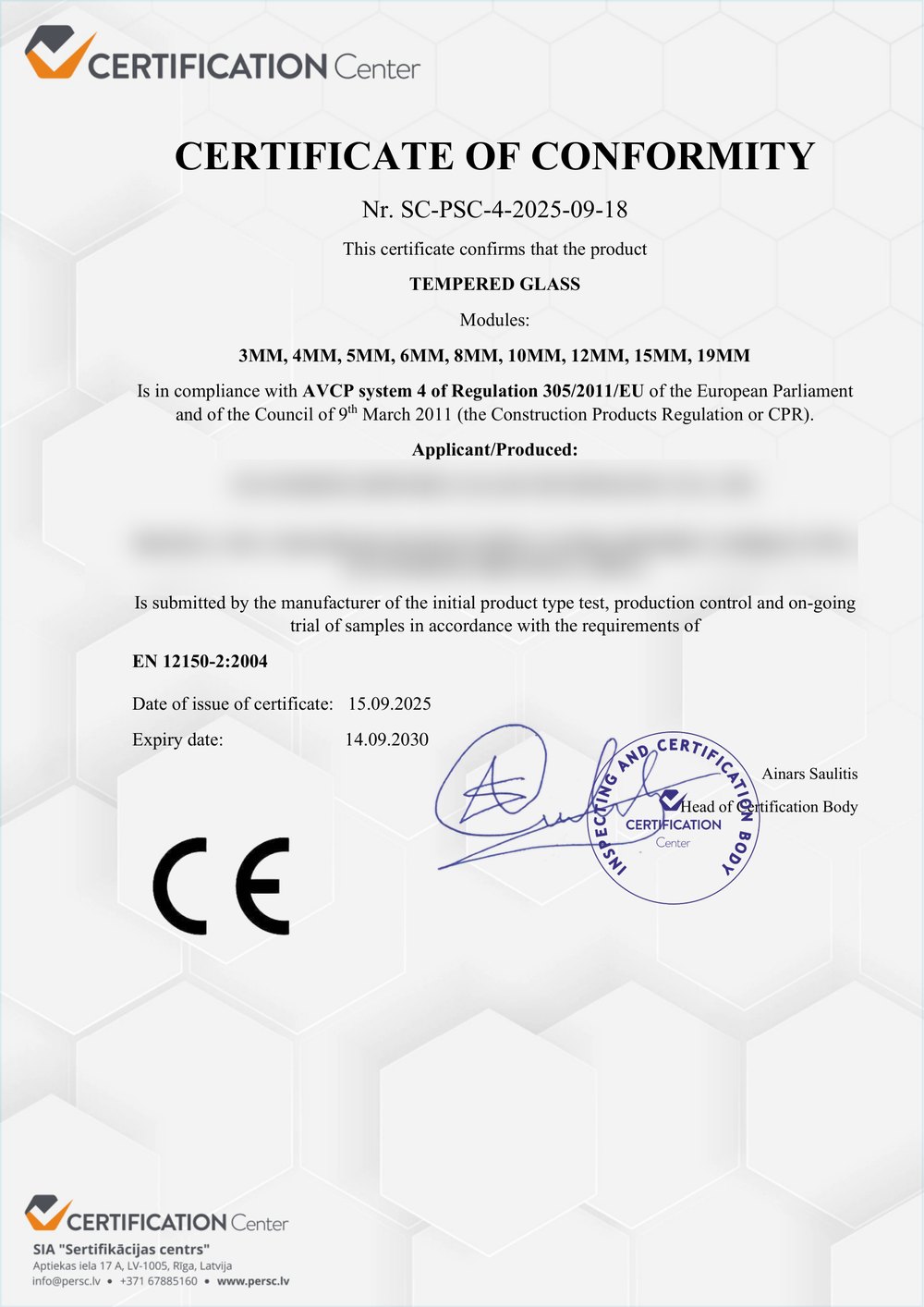
Our production protocols operate strictly under an ISO 9001 certified quality management system. Products carry authentic international accreditations including CE (EN 12150 & EN 13659), US SGCC Safety Glazing, Australia AS 2208, New Zealand AS/NZS 2208, Thailand TISI, and Malaysia CIDB PPS certifications.
Full CAD / BIM Engineering Support
We work directly with architects, general contractors, and B2B importers. Every customized order is backed by detailed CAD shop drawings, wind load structural calculations, cross-sectional detailing, and hardware specification sheets before production release.
Global Project Portfolio & Landmark Installations
Supplying project-grade aluminum window, door, and roller shutter packages across worldwide markets.
Kora Beach Resort (Phuket)
Scope: 672 units across 9 low-rise resort buildings.
Delivered Systems: Custom exterior aluminum sliding doors, tropical casement windows, and security roller shutter doors tailored for high-humidity marine climate resistance.
Texas Luxury Residence (USA)
Scope: Full custom villa fenestration package.
Delivered Systems: NFRC & AS2047 certified thermal break sliding windows, hurricane-rated entrance pivot doors, and motorized aluminum tambour appliance garages.
Azure Blue & European Villas
Scope: Multi-unit residential developments in Greece & France.
Delivered Systems: CE EN 12150 triple-glazed tilt and turn windows, slim-frame architectural sliding glass walls, and structural aluminum tambour shutters.
Frequently Asked B2B Procurement Questions
Essential technical and commercial insights for sourcing aluminum tambour doors directly from Chinese manufacturers.
1. What specific CE standards apply to aluminum tambour doors and rolling shutters?
2. How does KARON guarantee slat profile precision and prevent operational jamming?
3. What is the difference between thermal break and standard non-thermal aluminum slats?
4. Can aluminum tambour doors be customized to fit non-standard opening dimensions?
5. What surface treatments provide maximum corrosion resistance in coastal or high-salinity zones?
6. What lead times and packaging safeguards are implemented for containerized sea freight?
7. How can B2B buyers verify KARON’s international certificates independently?
8. What steps are required to initiate a customized B2B quotation?
Ready to Engineer Your Project Fenestration Package?
Connect directly with KARON's senior technical team in Foshan. Get CAD drawing reviews, certified test reports, and factory-direct pricing for your next residential, hotel, or commercial development.