Precision-Engineered Aluminum Ventilation Windows
Explore our CE-compliant, architectural-grade aluminum window systems tailored for optimal natural airflow, structural load resilience, and thermal isolation.
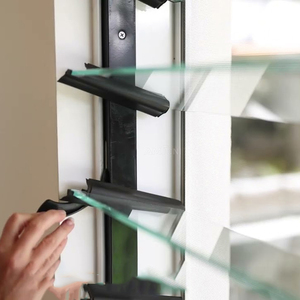 AS 2208 Standard
Australian Standard Automated Glass Jalousie Louver Window
- Smart Motorized Actuation
- 6mm-12mm Toughened Glass
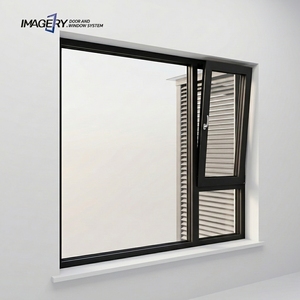 CE EN 12150
Modern Soundproof Thermal Break Tilt and Turn Casement Window
- Uw ≤ 1.1 W/m²K Insulation
- Multi-Point Compression Seal
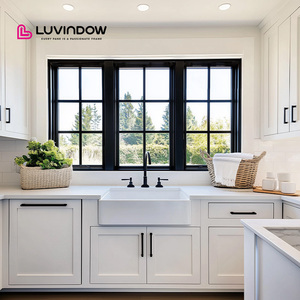 Crank Operation
Low-Maintenance Crank Open Aluminum Ventilation Window
- Heavy-Duty Gear Operator
- Integrated Stainless Mesh
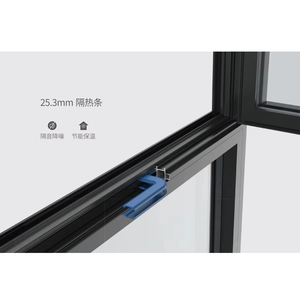 Storm Rated
High-Airtightness Storm Resistance Hotel Casement Window
- Class C5 Wind Resistance
- EPDM Triple Sealing Gaskets
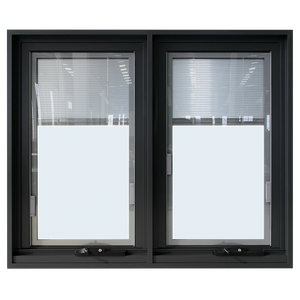 Integrated Blinds
Thermal Break Architectural Casement Window with Motorized Blinds
- Dust-Free Magnetic Shutter
- Argon-Filled Double Glazing
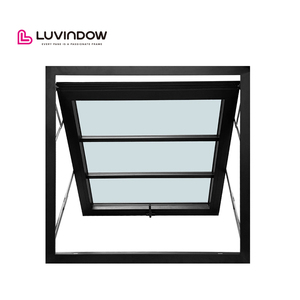 Low-E Glazed
Transom Push-Out Awning Window with Low-E Thermal Control
- Top-Hinged Rain Proofing
- 10-Year Coating Warranty
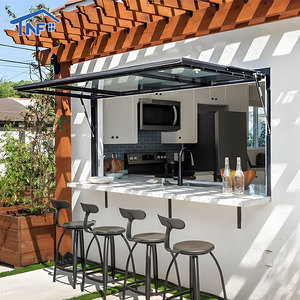 Gas-Strut Flip
Gas Strut Vertical Flip-Out Awning Pass-Through Window
- 90° Full Clear Opening
- Smooth Hydraulic Assist
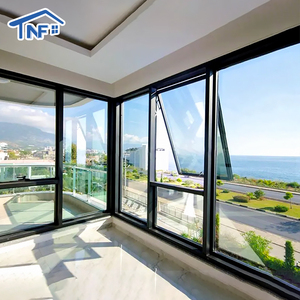 Energy Efficient
Custom Thermal Break Manual Crank Double-Glazed Awning Window
- Polyamide PA66 Thermal Strip
- Sleek Low-Profile Handle
KARON Window & Door Co., Ltd. — Foshan Manufacturing Excellence
Operating a 10,000 m² standardized manufacturing facility in Songxia Industrial Park, Foshan, China. We integrate R&D, structural engineering, precision fabrication, and global certification compliance for multi-family residential, luxury villa, hotel, and commercial projects worldwide.
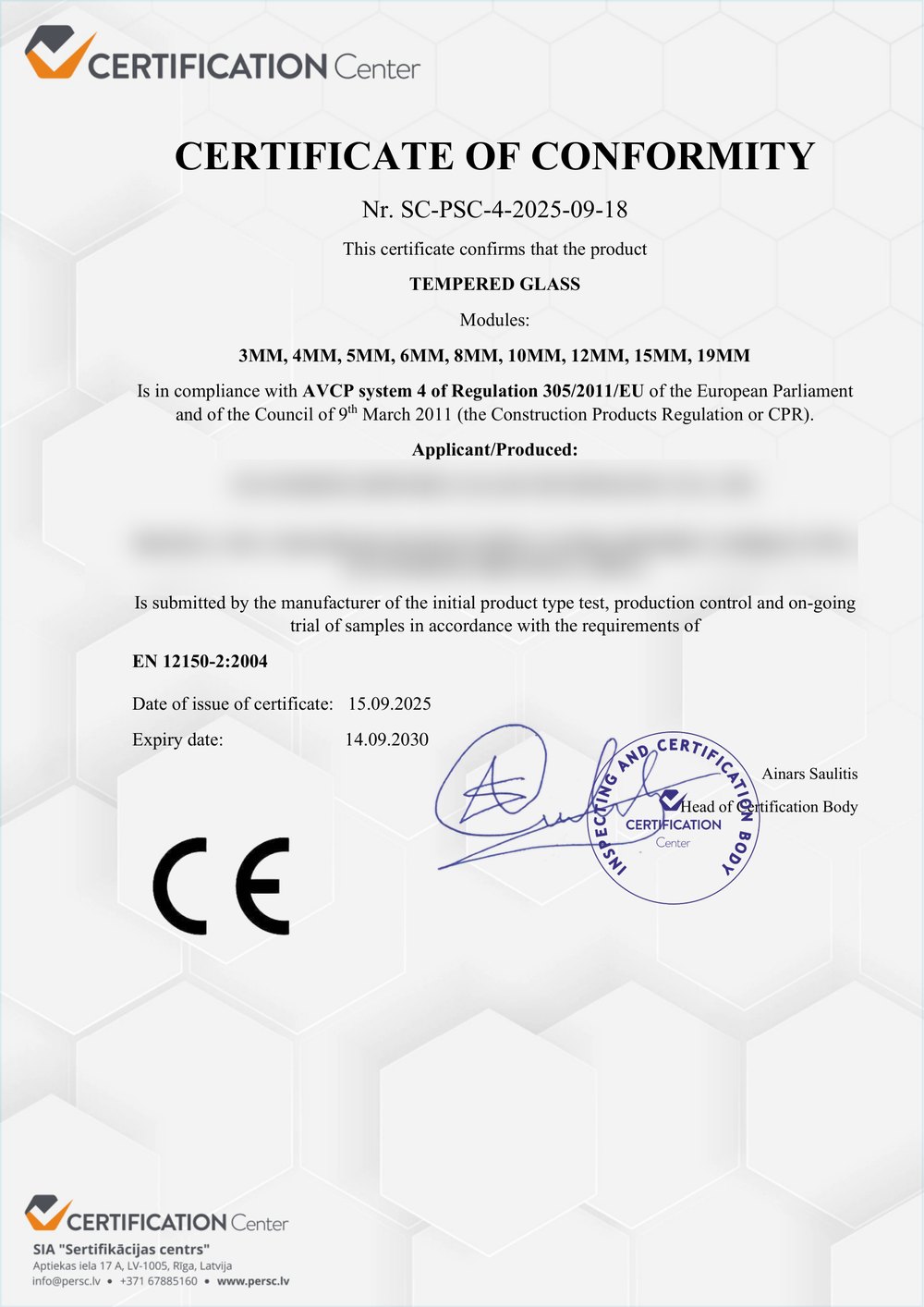
Certified Compliance
Full verification across global markets: CE EN 12150, US SGCC safety glazing, Australia AS 2208, AS/NZS 2208, Thailand TISI 965-2560 & 1231-2560, and Malaysia CIDB PPS certifications.
Advanced Thermal Engineering
High-density Polyamide (PA66) thermal barrier breaks combined with Low-E argon-insulated glass units effectively drastically lower building overall thermal transmittance (U-value).
Precision CNC Milling & Assembly
Automated double-head cutting, corner crimping, and silicone injection lines ensure zero-tolerance joint alignment, preventing frame air leakages and moisture intrusion.
Engineering Analysis: Natural Ventilation & Thermal Performance in Aluminum Window Systems
Modern architectural design increasingly demands high-performance natural ventilation solutions capable of satisfying rigorous green building codes (LEED, BREEAM, NHER) while offering robust protection against environmental extremes. Aluminum ventilation windows—encompassing motorized glass louvers, tilt-and-turn sashes, push-out awnings, and gas-strut pass-throughs—serve a critical dual function: maintaining passive indoor air exchange (IAQ) and acting as a high-durability thermal envelope barrier.
When sourcing aluminum ventilation windows from China OEM/ODM manufacturers, enterprise procurement teams, structural consultants, and facade engineers must rigorously assess profile alloy chemistry, thermal break configuration, air permeability, watertightness under wind-driven rain, sound transmission class (STC/Rw), and certification validity.
CE EN 14351-1 Technical Specification Standard Matrix
The following performance matrix outlines the tested technical thresholds for KARON CE-Certified Aluminum Ventilation Windows compared against standard market baselines:
| Performance Parameter | Test Standard / Method | KARON Technical Specification | Commercial Impact |
|---|---|---|---|
| Air Permeability | EN 12207 / ASTM E283 | Class 4 (≤ 3 m³/h·m² at 600 Pa) | Prevents energy loss & draft infiltration in high-rises |
| Watertightness | EN 12208 / ASTM E331 | Class E1050 (1050 Pa Static Pressure) | Zero water penetration during hurricane-grade rain storms |
| Wind Load Resistance | EN 12210 / ASTM E330 | Class C5 / P3 (Up to 3000 Pa design load) | Structural safety for coastal installations & tall facades |
| Thermal Transmittance (Uw) | EN ISO 10077-2 / NFRC 100 | Uw 1.1 - 1.5 W/m²K (Thermal Break Series) | Reduces HVAC cooling/heating energy demands up to 35% |
| Acoustic Isolation (Rw) | EN ISO 717-1 / ASTM E90 | Rw = 38 dB to 48 dB (with Laminated IGU) | Superior sound attenuation for urban hotels & coastal resorts |
| Profile Alloy & Temper | GB 5237 / EN 755 | 6063-T5 / 6060-T6 Architectural Grade | High yield strength (≥ 110 MPa) with flawless anodizing finish |
Key Industry & Product Development Trends (2025–2030)
The global architectural glazing and ventilation industry is experiencing a technology shift driven by strict decarbonization goals, intelligent building automation, and extreme weather resilience requirements. Key development vectors include:
BMS-Integrated Automated Louvers
Transitioning from manual handles to motorized actuators linked with Building Management Systems (BMS). Automated louver blades dynamically respond to internal CO2 levels, indoor temperatures, and external weather sensor signals.
Micro-Ventilation Thermal Breaks
Advanced profile engineering now incorporates trickling micro-ventilation channels directly inside PA66 thermal strips, permitting controlled background air exchange even when windows are locked in security mode.
Ultra-Slim Sightlines with High Structural Inertia
Developers demand minimal frame visibility (under 35mm sightlines) combined with thick-wall aluminum extrusion profiles capable of supporting large, heavy double and triple-glazed units against high wind pressures.
Future B2B Procurement Trends for Global Buyers
Procurement strategies for general contractors, architectural firms, and window distributors are evolving beyond unit-price negotiations toward total life-cycle value, regulatory compliance, and supply chain transparency:
- Multi-Regional Standard Harmonization: Overseas developers increasingly require suppliers to hold cross-border certifications (e.g., matching European CE with North American SGCC and Australian AS 2208) to simplify international project engineering approvals.
- BIM (Building Information Modeling) Integration: B2B suppliers must provide full 3D REVIT / CAD BIM objects with parametric thermal and wind load data to integrate seamlessly into early-stage architectural workflows.
- Pre-Assembled Modular Crating: To offset rising field labor costs in Europe, North America, and Australia, window frames are pre-glazed, pre-gasketed, and factory-tested before shipping in reinforced steel-framed plywood crates.
- ESG & Decarbonized Production: B2B buyers mandate aluminum profiles extruded using low-carbon primary aluminum powered by hydroelectric energy, along with non-toxic powder coatings (Fluorocarbon PVDF with 20+ year weatherability guarantees).
Frequently Asked Questions by Overseas Buyers
Direct technical answers from KARON's engineering team to streamline supplier selection and project planning.
Where is the KARON factory located and what does it manufacture?
Karon Window & Door Co., Ltd. operates a 10,000 m² standardized manufacturing facility in Songxia Industrial Park, Nanhai District, Foshan, Guangdong, China. We manufacture custom aluminum windows, doors, sunrooms, glass railing systems, and bathroom shower enclosures for global commercial and residential construction projects.
Which international certifications do KARON aluminum windows hold?
Our certification matrix includes CE (EN 12150 compliance for tempered glass), US SGCC (Safety Glazing Certification Council), Australia AS 2208, New Zealand AS/NZS 2208 (for single pane and laminated safety glass), Thailand TISI 965-2560 and 1231-2560, and Malaysia CIDB PPS certification. Manufacturing operates under an ISO 9001 certified quality management system.
Can KARON produce custom ventilation windows based on architectural drawings?
Yes. Every order is engineered directly from your architectural elevation drawings or window schedules. Our engineering department verifies opening dimensions, wind-load pressure requirements, frame profile depth, thermal break strips, glass build-ups, hardware hardware fittings, and custom RAL powder coat colors before generating final shop drawings for client approval.
What is the structural difference between Thermal Break and Non-Thermal Break profiles?
Thermal break aluminum profiles isolate the exterior and interior extruded aluminum sections using a low-conductive Polyamide (PA66GF25) reinforced insulation strip. This eliminates the thermal bridge, drastically reducing heat transfer and interior condensation. Non-thermal break profiles are cost-effective for internal glass partitions or mild tropical climates where heating and cooling load management is not regulated.
How does KARON ensure water-tightness in louvered and awning ventilation windows?
We use continuous, multi-lip EPDM (Ethylene Propylene Diene Monomer) synthetic rubber gaskets, concealed internal drainage channels with anti-backflow valves, and continuous corner-crimped frames injected with dual-component structural silicone to maintain Class E1050 static pressure watertightness under driving rain.
What reference projects has KARON supplied globally?
KARON systems are installed worldwide across luxury developments, including the Kora Beach Resort Phuket (672 units across 9 low-rise hotel structures), private luxury villas in Texas, USA, residential projects in France and Greece, Vinhomes Ocean Park villas in Vietnam, and commercial logistics offices for TIP Group Co., Ltd.
Ready to Engineer Your Project's Ventilation Window Package?
Send your project architectural drawings, window schedules, performance specifications, or quantity estimates directly to KARON's engineering team for immediate review and competitive B2B factory pricing.
Contact Us