Featured Aluminium Windows & Door Systems
Engineered to strict international standards for luxury residential, coastal villa, high-rise construction, and hospitality projects.
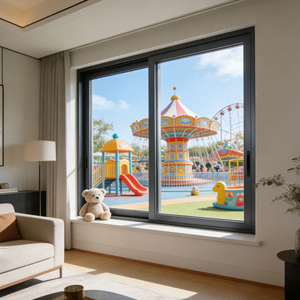
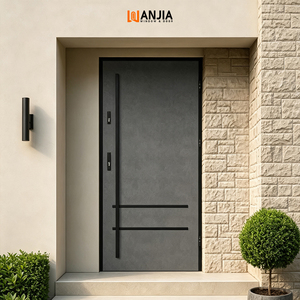
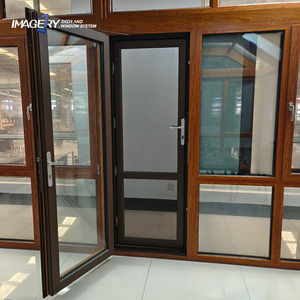
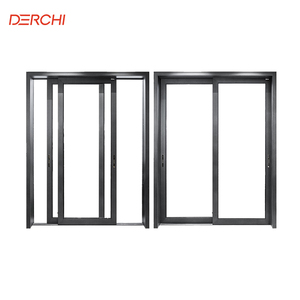
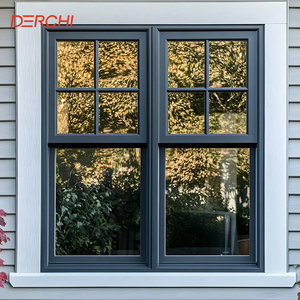
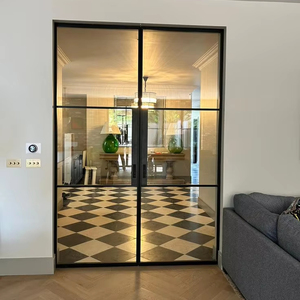
Foshan Manufacturing Supremacy: Karon Window & Door Co., Ltd.
Situated in Foshan, Guangdong—the primary global hub for precision aluminium extrusions—we integrate architectural R&D, precision CNC machining, custom fenestration engineering, and direct overseas export dispatch.
Operating a 10,000 m² standardized production facility in Songxia Industrial Park, Nanhai District, Foshan, Karon Window & Door Co., Ltd. brings over 15 years of rigorous engineering expertise to global commercial construction and high-end residential fenestration. Every project moves through ISO 9001-certified quality checkpoints, ensuring absolute fidelity to architectural shop drawings, structural wind-load tolerances, and international energy rating frameworks.
Aviation-Grade Profiles
Utilizing high-density 6063-T5/T6 primary billet aluminium profiles with wall thicknesses ranging from 1.4mm to 3.0mm, engineered to withstand intense typhoon wind loads and structural compression.
Certified Global Compliance
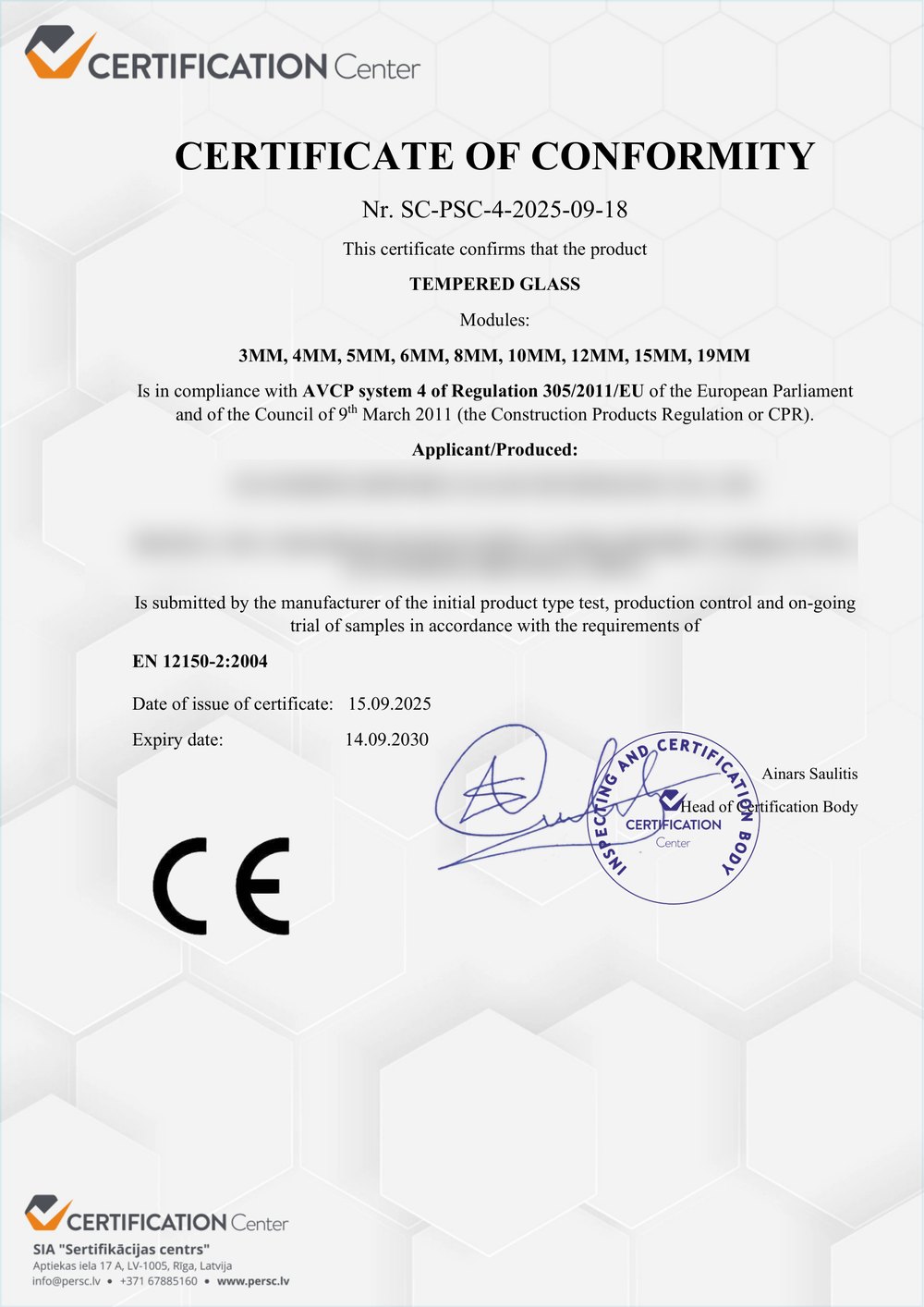
Certified across major global markets including CE (EN 12150), US SGCC, Australia AS 2208, New Zealand AS/NZS 2208, Thailand TISI (965-2560 & 1231-2560), and Malaysia CIDB PPS.
Precision CNC & Assembly
Fully automated German corner-crimping equipment, digital profile milling, pneumatic sealant injection, and strict hardware alignment ensure seamless air-tightness and water-tightness.
Engineering & Structural Superiority of Aluminium Casement Windows
Why high-performance casement window systems remain the preferred choice for structural engineers and architects worldwide.
Aluminium casement windows represent the zenith of exterior fenestration due to their inherently tight mechanical sealing mechanism. Unlike horizontal sliding windows that rely on brush seals, casement sashes compress multi-layer EPDM rubber gaskets directly against the outer profile frame when closed. This creates an impenetrable compression seal capable of achieving exceptional resistance against air infiltration, driving rain rainstorm intrusion, and exterior acoustic pollution.
1. Thermal Break Polyamide Technology (PA66 GF25)
Standard aluminium profiles suffer from high thermal conductivity. Our high-performance casement window series incorporate structural thermal barriers featuring PA66 GF25 (Polyamide 66 reinforced with 25% fiberglass) thermal strips. This multi-chamber break separates the interior and exterior aluminium profiles, dramatically lowering the overall window U-factor. By curbing thermal bridge conduction, heating and air-conditioning energy consumption is reduced by up to 40% in residential and commercial buildings.
2. Acoustic Attenuation & Glazing Configuration
By pairing precision multi-chamber profile designs with dual or triple-pane Low-E insulated glass units (IGU) filled with 95% Argon gas, our casement systems deliver acoustic damping up to Sound Transmission Class (STC) 45dB. Optional PVB/SGP laminated glass configurations provide hurricane impact resistance and enhanced security against forced entry.
| Performance Metric | Thermal Break Casement Window | Standard Non-Thermal Casement | Standard Aluminium Sliding Window |
|---|---|---|---|
| Thermal Insulation (U-Value) | 1.2 - 1.8 W/m²·K (Ultra-Efficient) | 2.8 - 3.5 W/m²·K (Moderate) | 2.6 - 3.8 W/m²·K (Standard) |
| Air Tightness (EN 12207) | Class 4 (Highest Compression Seal) | Class 3 (High) | Class 2 - 3 (Brush Seal Limited) |
| Water Tightness (EN 12208) | Class E1050 (1050 Pa Water Lift) | Class 7A (300 Pa) | Class 5A - 7A (Drainage Track Dependent) |
| Acoustic Rating (STC) | 38 - 45 dB (Superior Damping) | 30 - 35 dB (Standard) | 28 - 34 dB (Gap Vulnerability) |
| Wind Load Resistance | up to 5.0 kPa (Typhoon Grade) | up to 3.0 kPa | up to 2.5 kPa |
Key Technological Development Trends in Casement Window Design
How next-generation material science, hardware engineering, and architectural minimalism are redefining the casement fenestration landscape.
1. Ultra-Narrow Sightlines & Flush Architectural Frames
Modern architectural aesthetics demand maximum glass visual areas with minimal frame visibility. Innovations in structural profile design now allow ultra-slim frame profiles (down to 25mm visible width) while maintaining high moment of inertia ($I_x$) through deep structural profile chambers and concealed heavy-duty friction hinges.
2. Smart Building Automation & Concealed Electric Actuators
Casement windows are rapidly integrating into smart home ecosystems (BMS). Hidden chain actuators built inside the frame profiles allow automated opening via rain sensors, indoor CO2 air quality monitors, or smartphone apps, complete with anti-pinch safety controls.
3. Integrated Security Micro-Mesh Flyscreens
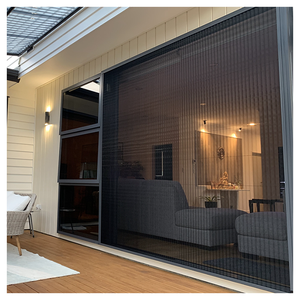
Future-ready casement windows incorporate integrated 304/316 stainless steel high-clarity micro-mesh screens. Combined with inward-tilt outward-swing dual mechanisms or multi-point locking transmissions, homeowners achieve simultaneous pest protection, child security, and uncompromised ventilation.
4. Advanced Surface Finishes & Coastal Anti-Corrosion
With coastal construction rising globally, factories are upgrading to Qualcomm AkzoNobel fluorocarbon (PVDF) powder coatings and 25μm hard anodizing finishes. These treatments guarantee 20+ years of salt-spray corrosion resistance (C5-M environment certified) without fading, chalking, or blistering.
Future Sourcing & Procurement Trends for International Buyers
Key strategic shifts developers, architects, and importers must navigate when sourcing custom architectural aluminium systems from China manufacturers.
1. Shift Toward One-Stop Whole-House Fenestration Packages
Overseas developers are moving away from piecemeal procurement. Sourcing windows, exterior entry doors, interior slim glass doors, sunrooms, and frameless glass railings from a single source eliminates color mismatching between different extrusions, consolidates shipping logistics, and unifies structural warranty claims under one accountable manufacturer.
2. Rigorous Requirement for Verified Regional Certifications
Customs enforcement and local building codes (such as US NFRC/SGCC, Australia AS2208/AS2047, and EU CE marks) have tightened significantly. Importers now require pre-shipment laboratory test reports and third-party verified serial numbers rather than generic factory statements.
3. Adoption of BIM & Detailed 3D Shop Drawing Sign-Offs
To eliminate costly on-site installation modifications, B2B procurement workflows now mandate comprehensive 2D CAD and 3D BIM shop drawing sign-offs before profile cutting. Factory engineering teams are expected to review wall opening details, sill flashing integration, and anchorage points directly with project architects.
4. Sustainable Low-Carbon Manufacturing & Recycled Content
Global green building standards (LEED, BREEAM, Passivhaus) require suppliers to provide transparency regarding recycled aluminium billet content, environmental product declarations (EPD), and non-toxic powder coating processes.
Frequently Asked Questions (FAQ)
Direct answers to the most critical technical, commercial, and logistical questions raised by global project buyers.
Ready to Partner with China's Premier Aluminium Casement Supplier?
Whether you are an architect detailing a high-end coastal villa, a general contractor bidding on a resort project, or a window importer seeking direct factory OEM support—our engineers are standing by.