Industrial Engineering Whitepaper & Sourcing Guide

China Best Aluminium Clad Doors Factory & Exporter

Architectural-grade aluminum clad timber & thermal break window systems custom engineered for global commercial, villa, and high-performance residential projects.

Export Product Portfolio

Featured Aluminium Clad & Architectural Door Systems

Precision-engineered aluminum profiles, thermal break barrier systems, and certified safety glazing built to international architectural standards.
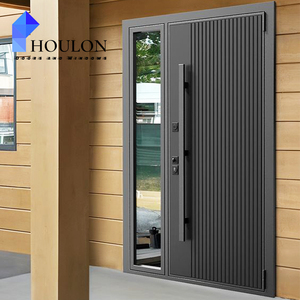
Modern Villa Apartment Security Front Entry Door With Anti-theft Steel And Aluminum Construction
Wholesale Factory Direct Sale Modern Villa Apartment Security Front Entry Door With Anti-theft Steel And Aluminum Construction
Get Catalog
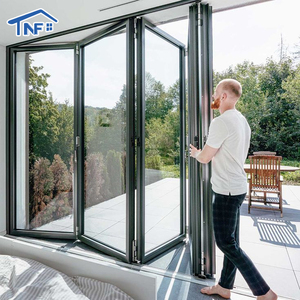
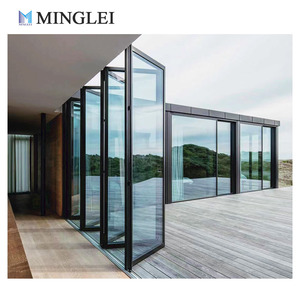
NFRC Aluminium Balcony Accordion Door Thermal Break Double Tempered Glass Exterior Bi Folding Sliding Bi-fold Patio Doors
Get Catalog
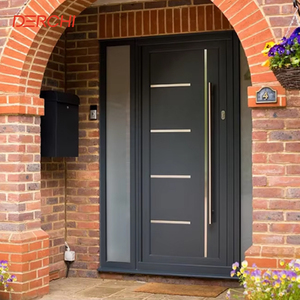
DERCHI Modern Exterior Main Gate Door Designs Aluminum Front Iron Entry Doors Entrance Security Steel Door For House
Get Catalog
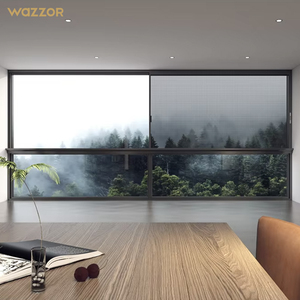
Wazzor Luxury Gliding Waterproof Residential Window Double Tempered Glass Thermal Break Aluminum Frame Sliding System Windows
Get Catalog
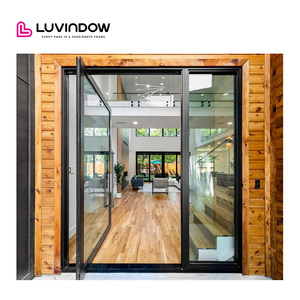
Modern Pivot Aluminum Door Glass Front Villa Entry US Made Thermal Break Energy Efficient
Get Catalog
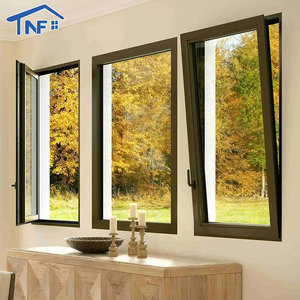
NFRC Certified Modern Aluminium Tilt and Turn Window with Mosquito Net Casement Windows for Houses
Get Catalog
Modern Waterproof Aluminium Exterior Patio Accordion Double Tempered Low-e Glass Bi-Fold Folding Door For Villa Application
Get Catalog
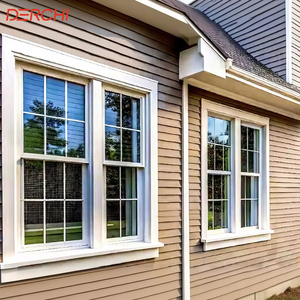
Modern Double Hung Aluminium Alloy Window Small Size Vertical Slide Design New Construction Waterproof Hung Windows For Home
Get Catalog
15+
Years Manufacturing Mastery
10,000㎡
Standardized Plant Facility
0.8W/m²K
Passive House U-Factor Limit
100%
Full-Process QC Inspection
Architectural Engineering Whitepaper

Aluminium Clad Doors & Windows: The Nexus of Structural Durability and Thermal Performance

In contemporary architectural design, the fenestration envelope represents both a vital aesthetic signature and a critical structural element governing overall building envelope energy efficiency. Modern high-end villa developments, luxury resort hotels, and sustainable urban residential projects increasingly demand exterior door systems that seamlessly bridge architectural elegance with uncompromising weatherability. As a premier **China best aluminium clad doors factory and exporter**, our manufacturing philosophy integrates European timber craftsmanship with advanced high-tensile extrusion aluminum technology to solve the traditional conflicts between thermal bridging, exterior weathering, and structural deflection under high wind-load stress.

Information Gain Engineering Insight: Unlike standard single-material wood or aluminum doors, composite Aluminium Clad Wood (and structural Thermal Break Aluminum-Clad) systems utilize an exterior protective shield of high-density 6063-T6 aluminum alloy paired with interior natural solid wood or insulated structural profiles. This dual-layer architecture isolates exterior UV radiation, torrential precipitation, and thermal expansion while presenting rich, warm natural timber aesthetics inside the living environment.

Material Science & Structural Profile Anatomy

The structural performance of an aluminum clad door depends fundamentally on profile alloy purity, thermal separation geometry, and joinery mechanics. Standard commercial-grade profiles often suffer from micro-cracking and thermal transference when exposed to severe temperature differentials. In contrast, our Foshan-based manufacturing center employs primary high-purity aluminum billets extruded under 2,500-ton hydraulic presses to achieve a precise 6063-T6 temper state, delivering yield strengths exceeding 170 MPa.

To completely decouple heat transfer between the interior and exterior environments, structural Polyamide PA66 GF25 thermal break strips (reinforced with 25% glass fiber) are mechanically crimped into the extrusion cavities. This thermal barrier prevents thermal bridging, effectively maintaining internal glass wall surface temperatures and eliminating interior condensation during extreme winter conditions or tropical humidity exposure.

System Specification Standard Commercial Aluminum Thermal Break Aluminum Clad Aluminium-Clad Solid Timber
Thermal Transmittance (U-Value) 3.5 - 5.0 W/m²K 1.2 - 1.8 W/m²K 0.75 - 1.1 W/m²K (Passive House Standard)
Acoustic Isolation Rating (STC) 28 - 32 dB 38 - 42 dB 42 - 48 dB (Triple Glazed)
Exterior Weather Resistance Moderate (Prone to oxidation) High (PVDF / Anodized Finish) Ultra-High (Clad Shield Protection)
Interior Aesthetic Finish Powder Coated Metal Powder Coated / Wood Grain Authentic Oak / Teak / Pine Wood
Wind Pressure Resistance (ASTM E330) Class 3 (2.5 kPa) Class 5 (4.0 kPa) Class 9 (> 5.0 kPa Hurricane Zone)

Advanced Corner Crimping & Triple Weatherproofing Gaskets

Water infiltration and frame joint deflection represent over 80% of window and door installation failures in coastal regions. To combat wind-driven rain penetration, our manufacturing processes eliminate standard screw-joint connections in favor of dual-component hydraulic corner crimping combined with cast-aluminum corner keys and injected German-formula structural epoxy adhesives. This creates a monolithic frame joint capable of enduring severe shear loads during extreme weather events.

Furthermore, sealing integrity relies on continuous EPDM (Ethylene Propylene Diene Monomer) weather-stripping gaskets installed across three distinct sealing planes: an exterior rain-screen deflection seal, a central thermal isolation seal, and an interior acoustic compression gasket. This multi-barrier sealing methodology yields air tightness reaching Class 8 under EN 12207 standards and water tightness up to 1050 Pa (Class E1050 under EN 12208).

Industry Strategic Intelligence

Global Sourcing Trends & Sourcing Forecast for Architectural Glazing (2025–2035)

Key market movements shaping global procurement decisions for commercial developers, architects, and direct B2B importers over the coming decade.

1. Passive House & Net-Zero Carbon Compliance
Global building codes (such as EU EPBD directives and US Title 24 energy standards) are driving mandates for window profiles with U-factors under 0.8 W/m²K. Triple Low-E insulated glass units (IGUs) filled with 95% Argon gas and warm-edge TGI spacers are becoming non-negotiable standards for luxury villa projects.
2. Ultra-Narrow Sightlines & Panoramic Glazing
Architectural aesthetics continue to shift toward minimal frame visibility. Emerging aluminium clad sliding and bi-fold door designs feature interlocking vertical mullions as narrow as 20mm, allowing floor-to-ceiling glass integration without compromising wind-load resistance or structural deflection safety.
3. Smart Home & Motorized Mechatronic Integration
The integration of hidden electric drive motors, motorized tilt-turn micro-ventilation, biometric access control, and smart IoT rain sensors is accelerating. Modern export factories must pre-engineer internal wire channels and conceal motor housings within aluminum extrusions.
4. Supply Chain Certification & Traceability
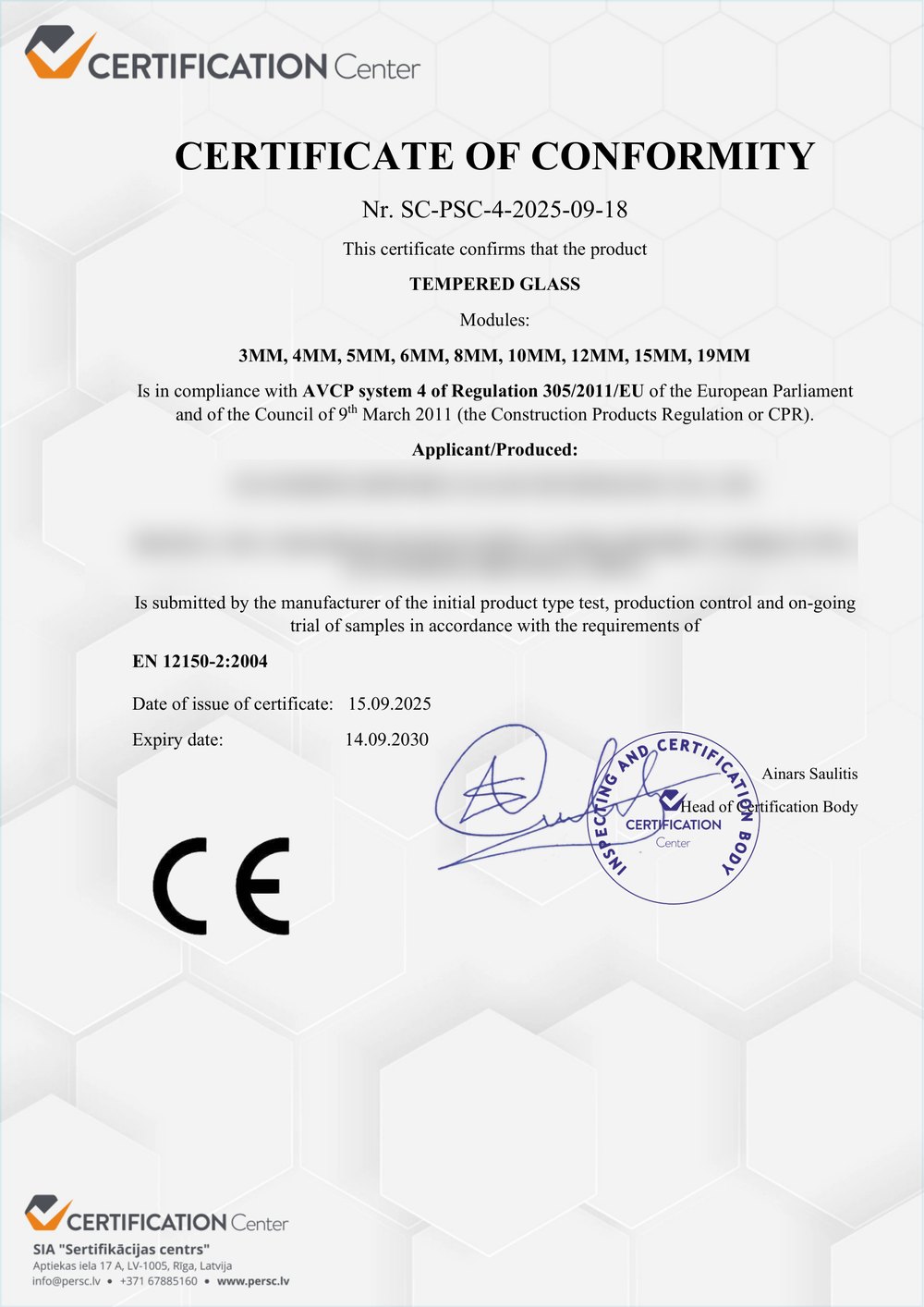
International project buyers are moving away from uncertified fabricators. Full third-party documentation — including NFRC thermal ratings, US SGCC safety glass certification, Australia AS 2208, and European CE EN 12150 standards — is mandatory for customs clearance and project insurance approval.
5. PVDF Fluorocarbon & Marine-Grade Coatings
Coastal resorts and high-salinity island developments require exterior aluminum surfaces coated with PPG / AkzoNobel 3-coat PVDF fluorocarbon paint or 25-micron hard anodizing capable of passing 3,000-hour continuous salt spray tests (ASTM B117) without chalking or peeling.
6. Integrated Whole-House Customization
Procurement teams are prioritizing single-source manufacturing partners capable of supplying matching color-coordinated fenestration packages: casement windows, sliding patio doors, entry pivot doors, sunrooms, and structural frameless glass railings under one unified warranty.
Foshan Production Powerhouse

Why KARON Leads China's Aluminium Window & Door Export Sector

Operating a 10,000 m² standardized plant in Songxia Industrial Park, Nanhai District, Foshan — the globally recognized hub of architectural aluminum extrusion.

CE EN 12150 Safety Standard US SGCC Glazing Certified Australia AS 2208 StandardsMark New Zealand AS/NZS 2208 Thailand TISI 965-2560 Malaysia CIDB PPS Approved

Our facility incorporates automated CNC 5-axis machining centers, digital glass insulating lines, and strict quality control protocols operating under ISO 9001 quality management systems. From initial shop drawing review to container loading protection, every unit undergoes rigorous air-pressure, water penetration, and hardware cycle-testing before leaving our plant floor.

Get Catalog
Frequently Asked Questions

B2B Procurement & Engineering FAQ

Essential technical and logistical insights for architects, developers, contractors, and importers sourcing from China.

What is the structural difference between Aluminium Clad Wood doors and thermal break aluminum doors?
Aluminium Clad Wood doors utilize a solid timber interior frame (such as North American Red Oak, Larch, or Teak) bonded to an exterior heavy-duty aluminum protective shell. This provides unmatched natural interior luxury combined with exterior weather protection. Thermal break aluminum doors, on the other hand, utilize hollow aluminum extrusions isolated by Polyamide PA66 glass-fiber thermal barrier strips. Both systems deliver superior thermal insulation, but Aluminium Clad Wood offers higher thermal resistance (lower U-value) and traditional architectural character.
Which international certifications are available for customs clearance and regional code compliance?
Our products hold verified international certifications tailored to major global markets: CE EN 12150 for Europe; US SGCC (Safety Glazing Certification Council) and NFRC thermal ratings for North America; SAI Global AS 2208 and AS/NZS 2208 for Australia and New Zealand; TISI 965-2560 / 1231-2560 for Thailand; and CIDB PPS certification for Malaysia. Test reports and certificates are provided alongside shop drawings for consultant approval.
Can doors and windows be custom-engineered to architectural CAD drawings and opening schedules?
Yes. We specialize 100% in custom project-based engineering. Our in-house facade engineers review your architectural drawings, elevation plans, and door schedules to calculate structural wind-load requirements, thermal transmittance goals, and hardware load-bearing limits. We provide complete CAD shop drawings and 3D cross-section details for client approval prior to production.
What brand of hardware fittings and locking mechanisms do you integrate?
Hardware is the heart of operational longevity. We partner with top-tier global hardware manufacturers including German Siegenia, Roto Frank, Hoppe, Belgian Sobinco, and premium custom domestic hardware systems (CMECH, Kinlong). Multi-point perimeter locking systems, heavy-duty stainless steel rollers, and concealed hinges are standard across our heavy-duty sliding, bi-fold, and pivot door series.
How do you ensure heavy glass products are protected against breakage during ocean freight shipping?
All finished units are wrapped in protective PE scratch-resistant film, corner-guarded with heavy-duty foam caps, and enclosed in fully sealed IPPC-stamped fumigation-free plywood crates. Crates are loaded into shipping containers with heavy-duty polyester strapping and structural timber bracing to prevent shifting or vibration during maritime transit.
What is the typical manufacturing lead time for custom villa or commercial project orders?
Standard production lead time is 25 to 35 calendar days following final CAD shop drawing confirmation and deposit receipt. For complex custom wood-clad projects requiring specialized timber drying or custom RAL powder coating, lead times range between 35 and 45 days. Expedited production slots are available for fast-track construction contracts.
What surface finishes and RAL powder coating options are available?
We offer an unlimited range of surface treatments including Tiger / AkzoNobel architectural electrostatic powder coating (full RAL spectrum), PVDF fluorocarbon coatings for marine environments, anodized finishes (matte champagne, bronze, silver), and Italian heat-transfer 3D wood grain finishes. Dual-color finishing (different exterior and interior profile colors) is fully supported.
How can global buyers request project quotations or technical catalog packages?
Buyers can initiate a direct engineering inquiry by clicking any of the "Get Catalog" buttons on this page or emailing project window schedules directly to [email protected]. Our bilingual engineering team will provide preliminary estimates and profile recommendations within 24 hours.

Ready to Engineer Your Architectural Fenestration Package?

Partner directly with China's leading aluminium clad door manufacturer. Send us your project CAD drawings or window schedule for immediate engineering analysis and factory-direct pricing.

Get Catalog