Flagship Engineering Systems
Featured Aluminium Security & Entrance Door Solutions
Engineered to international building standards (CE, SGCC, AS 2047/2208). Each series is customizable in extrusion profile, glass spec, hardware mechanism, and architectural finish.
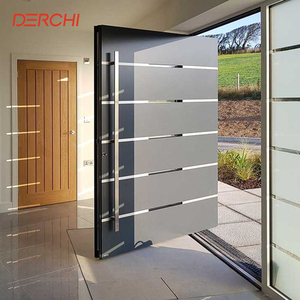 Hurricane Impact
DERCHI USA Exterior Residential Aluminum Security Doors Hurricane Impact Front Entry
Heavy-duty thermal break entry door engineered for windborne debris resistance, severe weather isolation, and multi-point deadbolt security.
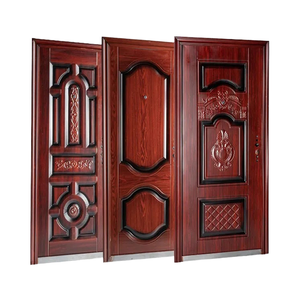 OEM / ODM Custom
OEM/ODM Modern Metal Exterior Security Entrance Doors for Modern Architecture
Custom finished surface profiles with anti-pry armor plating, smart electronic lock integration, and powder-coated durability.
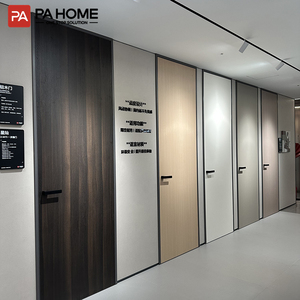 Hotel & Commercial
Slim Indoor Aluminium Profile Wooden Hybrid Doors for Luxury Guest Rooms
Acoustically insulated interior door systems matching minimal aluminium frames with premium solid wood veneers for high-end hospitality projects.
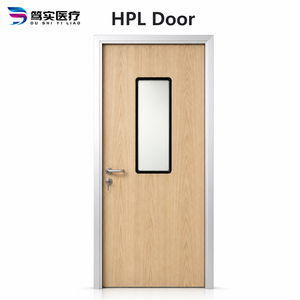 Fire & Water Resistant
Commercial HPL Swing Door with Aluminium Honeycomb Security Core
Antibacterial, fire-rated, and waterproof panel design optimized for healthcare, school, office, and heavy traffic commercial facilities.
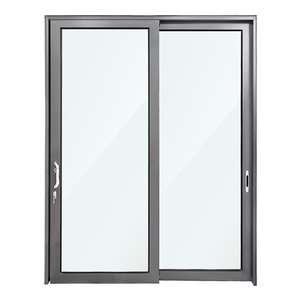 Heavy Duty Patio
Minimalist Heavy-Duty Exterior Patio Aluminium Security Sliding Glass Doors
Ultra-narrow interlock sightlines, stainless steel tracks, and double-toughened safety glass engineered for high wind loads and outdoor living access.
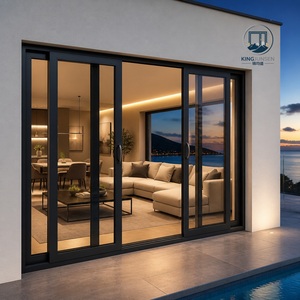 AS2047 Certified
AS2047 Standard Double Tempered Glass Hurricane Impact Sliding Door
Compliance-ready system certified for Oceania and international markets. Features heavy water sill, EPDM weather-stripping, and anti-burglary locks.
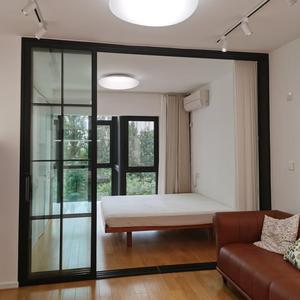 2026 Acoustic Series
2026 Soundproof Insulated Glass Internal Partition Aluminium Sliding Door
Minimalist acoustic partition doors achieving STC 40+ sound insulation, ideal for spatial zoning in luxury residences and executive offices.
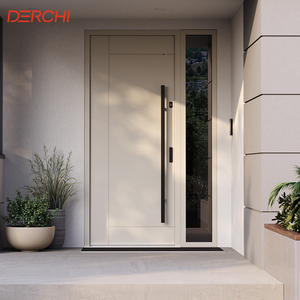 Villa Entrance Security
Modern Villa Aluminium Security Front Entrance Door with Thermal Break
Architectural pivot/swing security door integrating high-density insulated cores, heavy-duty adjustable hinges, and customized surface textures.
Manufacturing Excellence
Foshan-Based Engineering Infrastructure & Production Metrics
Operating from Songxia Industrial Park, Nanhai District, Foshan—the epicenter of global architectural aluminium manufacturing—our standardized plant bridges advanced metallurgy, thermal performance design, and direct OEM/ODM project supply chains.
15+
Years Industry Specialization in Aluminium Security Doors
10,000㎡
Standardized Production Plant & CNC Machining Hub
6+
Global Compliance Schemes (CE, SGCC, AS2208, TISI, CIDB)
100%
Full-Process QA Inspection (Water, Air, Impact & Hardware)
6063-T5 / T6 Architectural Alloy Profile Systems
We extrude high-purity primary aluminium billets under strict T5 or T6 heat-treatment tempers. Profiles feature nominal wall thicknesses between 2.0mm to 3.5mm, ensuring exceptional structural rigidity against forced entry, wind load deflection, and long-term mechanical wear.
PA66-GF25 Polyamide Thermal Barrier Technology
To prevent thermal bridging while maintaining high physical security, our structural break systems utilize 25% glass fiber reinforced polyamide 66 (PA66-GF25) strips. This maintains mechanical shear strength while driving U-values down to eco-efficient project thresholds.
Precision Machining & Automated Corner Crimping
Utilizing multi-axis CNC milling machines and automated hydraulic corner crimping with dual-component structural corner adhesives, our frames achieve airtight joint alignment, zero corner seam water penetration, and diagonal tolerances under 0.5mm.
Industry Whitepaper
Architectural Engineering Guide for Heavy-Duty Aluminium Security Doors
When sourcing heavy-duty security entrance doors from China, real competitive advantage stems from evaluating structural engineering integrity, hardware kinematics, glass lamination chemistry, and surface finishing durability.
Information Gain Insight: Unlike standard steel doors that suffer from edge rust in coastal humidity, or unreinforced timber doors prone to warping under thermal expansion, 6063-T6 extruded aluminium security door systems deliver structural stability, non-corrosive performance, and elevated security ratings over a 30+ year lifecycle.
1. Multi-Point Locking Mechanics & Burglar Resistance Ratings
The primary baseline for high-security doors lies in locking point dispersion and deadbolt penetration depth. Our custom security doors integrate European multi-point gearboxes driving hardened steel hook bolts into continuous stainless-steel keep plates. Systems are tested against RC2/RC3 burglar resistance standards (EN 1627) and US PAS 24 requirements, resisting manual attack methods, crowbar leverage, and lock-cylinder drilling.
2. Structural Infill Options: Honeycomb Cores vs. Polyurethane vs. Armored Steel Inserts
Depending on project requirements (e.g., residential villa front entry, hotel room door, or commercial facility security), internal infill design dictates acoustic insulation, impact resistance, and thermal mass:
| Infill Core Technology |
Acoustic Rating (STC / R_w) |
Thermal U-Value (W/m²K) |
Structural Advantage |
Target Architectural Application |
| Aluminium Honeycomb Core |
STC 35 - 38 dB |
1.8 - 2.2 W/m²K |
High strength-to-weight ratio, 100% fireproof (Class A), zero deflection |
Commercial HPL swing doors, high-traffic public institutions |
| High-Density PU Foam (Polyurethane) |
STC 38 - 42 dB |
0.8 - 1.2 W/m²K |
Maximum thermal insulation, prevents internal cold bridging |
Villa entry doors, cold-climate thermal break security doors |
| Armored Steel Plate + Mineral Wool |
STC 42 - 48 dB |
1.2 - 1.5 W/m²K |
Maximum anti-ballistic/anti-intrusion core, fire barrier up to 120 mins |
High-security residential front entry, armored villa doors |
| Laminated Hurricane Glass (PVB/SGP) |
STC 36 - 40 dB |
1.4 - 1.8 W/m²K |
Withstands windborne debris impact, clear sightlines with security |
Coastal patio sliding doors, storm-rated exterior entry glass doors |
3. Surface Finishing & Corrosion Protection Chemistry
For exterior security doors exposed to UV radiation, coastal salt-spray, or industrial pollutants, surface coating chemistry dictates aesthetic longevity. We offer three primary architectural finishes:
- Fluorocarbon PVDF Coating (AkzoNobel / PPG / Kynar 500): Applied in a 3-coat/2-bake process achieving coating thicknesses ≥ 40 microns. Complies with AAMA 2605 standards, guaranteeing zero color fading or chalking for over 20 years in high-UV tropical or desert environments.
- Sublimated 3D/4D Italian Wood Grain Transfer: Achieves natural timber aesthetics on high-strength aluminium. Features high abrasion resistance without requiring regular sanding, varnish touch-ups, or moisture sealing.
- Anodized Hard-Coat Finishing: Electro-chemical oxide layer (≥ 25 microns) offering extreme surface hardness, scratch resistance, and modern metallic finishes suitable for contemporary architectural entryways.
Market Intelligence
Future Sourcing & Architectural Trends in Aluminium Security Doors (2026-2030)
As global building codes shift toward near-zero energy consumption (NZEB), extreme weather resilience, and smart building integration, security door manufacturing is undergoing rapid technological convergence.
Trend 1: Smart IoT & Biometric Integration
Modern security entry doors are moving away from traditional mechanical keys toward integrated smart access hardware. B2B buyers now request factory-installed 3D facial recognition sensors, encrypted fingerprint scanners, mobile BLE/Wi-Fi mesh connectivity, and motorized multi-bolt locking drives built directly inside the aluminium profile stiles.
Trend 2: Ultra-Narrow Sightlines with Heavy-Duty Capacity
Architectural demand favors ultra-slim frames (interlock profiles as narrow as 20mm to 25mm) that maximize glass surface area while retaining structural security. This requires engineered internal steel reinforcements, heavy-duty stainless steel concealed pivot hinges, and high-performance structural silicone glazing (SSG).
Trend 3: Stringent Energy Codes & Carbon Footprint Audits
European, North American, and Australian building regulations demand lower overall fenestration U-values (under 1.0 W/m²K for Passive House projects). Chinese factories are responding by integrating argon-filled triple glazing, Warm Edge spacer bars, low-emissivity (Low-E) soft coatings, and recycled low-carbon primary aluminium billets.
Procurement Strategy
B2B Sourcing Strategy: Mitigating Risk When Importing Doors from China
For real estate developers, general contractors, and hardware importers, working directly with a qualified Chinese aluminium door factory requires clear technical specifications and milestone verification.
Step 1: Drawing Verification & Shop Detail Approval
Before issuing production deposits, request detailed factory shop drawings showing profile cross-sections, thermal break placement, wall thickness dimensions, glass bite depth, drain hole pathways, and hardware fastening points. Factory engineers should review structural opening sizes against jobsite tolerances.
Step 2: International Certification Compliance
Verify that the factory's test reports are issued by accredited third-party laboratories (such as Intertek, TUV, SAI Global, or SGS) matching your destination market's regulations:
- North America: US SGCC (ANSI Z97.1) safety glazing, NFRC thermal performance ratings, Florida Building Code (FBC) hurricane impact standards.
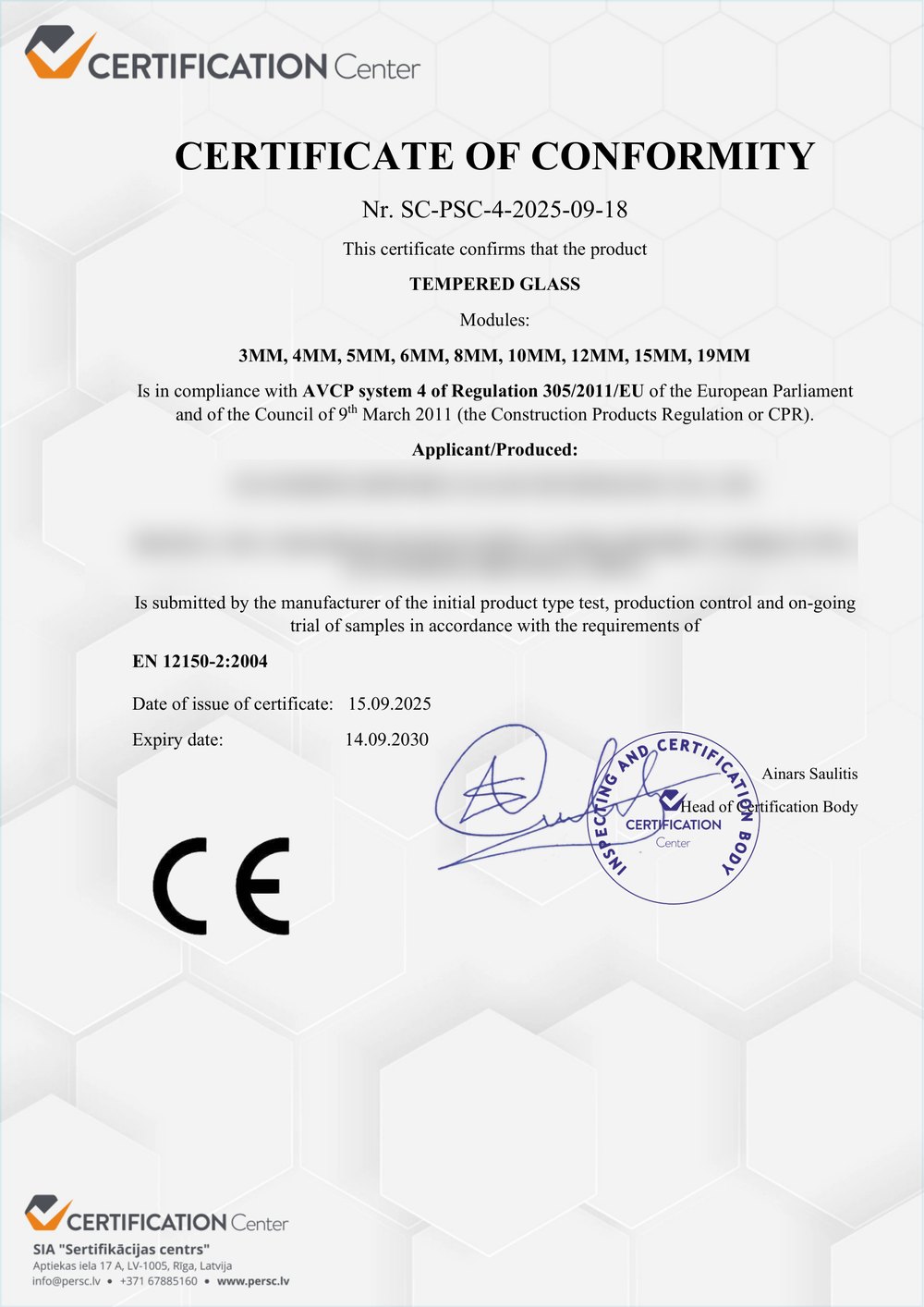
- Europe: CE marking compliance with EN 12150 (tempered glass), EN 14351-1 (windows and external doorsets), and EN 1627 security ratings.
- Australia / New Zealand: AS 2047 (windows and external doors in buildings) and AS/NZS 2208 (safety glazing materials).
- Southeast Asia: Thailand TISI standards (965-2560 & 1231-2560) and Malaysia CIDB PPS certification.
Step 3: Export Packaging & Freight Security
Door frame distortion or glass breakage during ocean transit can derail project schedules. Ensure your manufacturer utilizes full export-grade packaging: protective film over powder-coated surfaces, corner foam guards, heat-treated fumigated plywood crates, and steel-banded palletization for easy forklift unloading.
Frequently Asked Questions
Frequently Asked Sourcing & Technical Questions
Clear, expert answers to key operational questions asked by international project managers, procurement directors, and architects.
What is the lead time for custom aluminium security door orders?
Standard production lead times range from 25 to 35 calendar days following shop drawing sign-off and deposit receipt. For specialized custom powder-coat or wood-grain finishes requiring profile mill extrusion runs, lead times are approximately 35 to 40 days. Emergency project phases can be expedited upon request.
How do thermal break aluminium security doors compare to solid steel security doors?
Thermal break aluminium security doors offer vastly superior corrosion resistance (especially in coastal or humid environments), lighter operating weight (reducing hardware strain), superior thermal insulation options via PA66 polyamide breaks, and greater design flexibility (such as integrated glass sidelights or narrow sightline sliding frames). Solid steel doors provide extreme raw mass but are subject to rust and cold bridging if untreated.
Can your factory manufacture custom sizes and opening configurations?
Yes. 100% of our production is engineered to order. We manufacture according to your architectural window and door schedules, accommodating oversized pivot entrance doors, multi-track patio sliding doors, bi-fold systems, and specialized arches or transom lights.
What hardware brands are fitted on your security door systems?
We partner with top-tier international and premium Chinese hardware manufacturers, including Siegenia, HOPPE, GU, Roto, CMECH, and Kin Long. Hardware configurations can be specified in stainless steel 304 or 316 grade to resist salt-air corrosion.
What certifications are provided for hurricane impact and safety glazing?
Our safety glass options carry US SGCC (ANSI Z97.1), European CE (EN 12150 / EN 14449), and Australian AS/NZS 2208 certifications. For storm and hurricane regions, we supply laminated safety glass constructed with SentryGlas (SGP) or high-impact PVB interlayers designed to pass large missile impact tests.
What is the minimum order quantity (MOQ) for commercial or residential projects?
We support both custom high-end private villa projects (starting at 30 to 50 square meters) and large multi-unit residential or hotel developments (10,000+ square meters). Containerized consolidation services are available to maximize shipping efficiency.
Ready to Engineer Your Project's Security Doors?
Send us your architectural drawings, door schedule, or project specifications. Our engineering team in Foshan will prepare detailed shop drawings and an itemized competitive quote.