Engineered Architectural Aluminium Door & Window Systems
Discover factory-direct, precision-engineered fenestration solutions tested to rigorous international standards (CE, SGCC, AS 2208, TISI) for luxury villas, commercial projects, and residential developments worldwide.
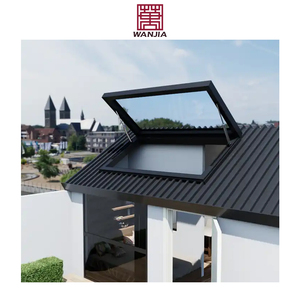
Manufacturer Customized Modern Automatic Aluminum Dormer Skylight Roof Window Swing Open Style Vertical Opening Pattern Louver
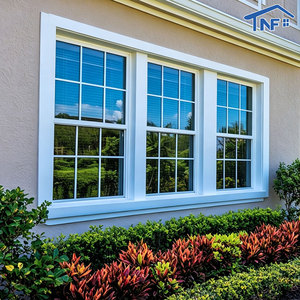
NFRC Energy Saving Thermal Break Aluminum Vertical Sliding Window Soundproof Double Single Hung Windows for Houses Kitchen
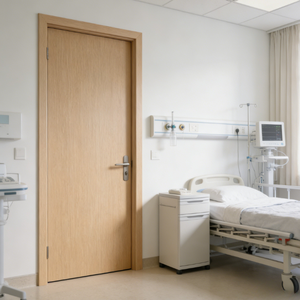
Ecological Minimalist Waterproof Interior Door Aluminum Honeycomb Core Custom Carbon Crystal Door for Hotel Apartment Bedroom
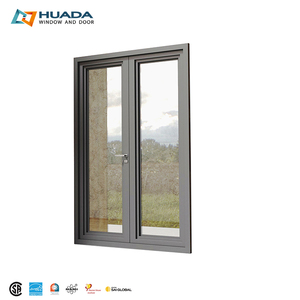
High-End Exterior Door Front Entry Doors Grill Between Glass Patio Balcony French Doors for House
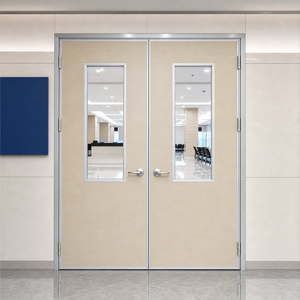
Commercial Use Side Opening Fire Door Modern Construction Finished Surface Fire Prevention Aluminum-Wood Door
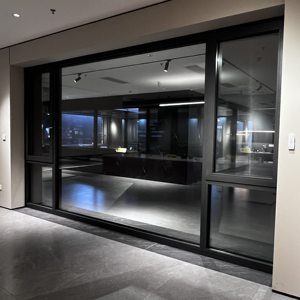
Fuson European Standard Bathroom Aluminum Alloy Broken Bridge Self -Built House Laminated Glass Sash Sustainable Window
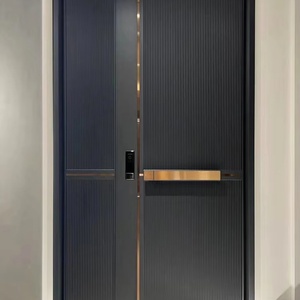
FoShan High-End Cast Aluminum Security Anti-Theft Villa Entry Door Stainless Steel Entrance Door of a Self-built House
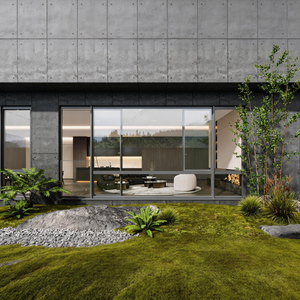
Acoustic Windows Customized Feiyu Aluminium Casement Window Double Glazed Insulated with Flat Frame Flush Sash System for Villa
1. Strategic Overview: Foshan's Dominance in Architectural Aluminium Manufacturing
As global building codes continuously tighten regarding energy efficiency, structural load factors, and acoustic insulation, selecting the right China aluminium standard doors manufacturers and factory has become a vital strategic imperative for real estate developers, general contractors, and facade procurement directors. Foshan, located in Guangdong Province, serves as the epicentre of world-class architectural aluminium extrusion, hardware engineering, and advanced glass processing.
Leading Foshan manufacturers such as Karon Window & Door Co., Ltd. (KARON) leverage fully integrated supply chains—from raw 6063-T5/T6 billet extrusion and precision CNC machining to automated corner-crimping and multi-cavity thermal barrier insertion. Operating out of a 10,000 m² state-of-the-art facility in Songxia Industrial Park, KARON represents the high-water mark of Chinese manufacturing expertise: combining custom shop drawing engineering with mass-production efficiency.
Precision Extrusion Metallurgy
Utilizing high-purity primary aluminium alloys (6063-T5 / 6060-T66) engineered for extreme tensile strength, structural rigidity, and superior anodizing or PVDF powder coating adhesion.
Certified Compliance Matrix
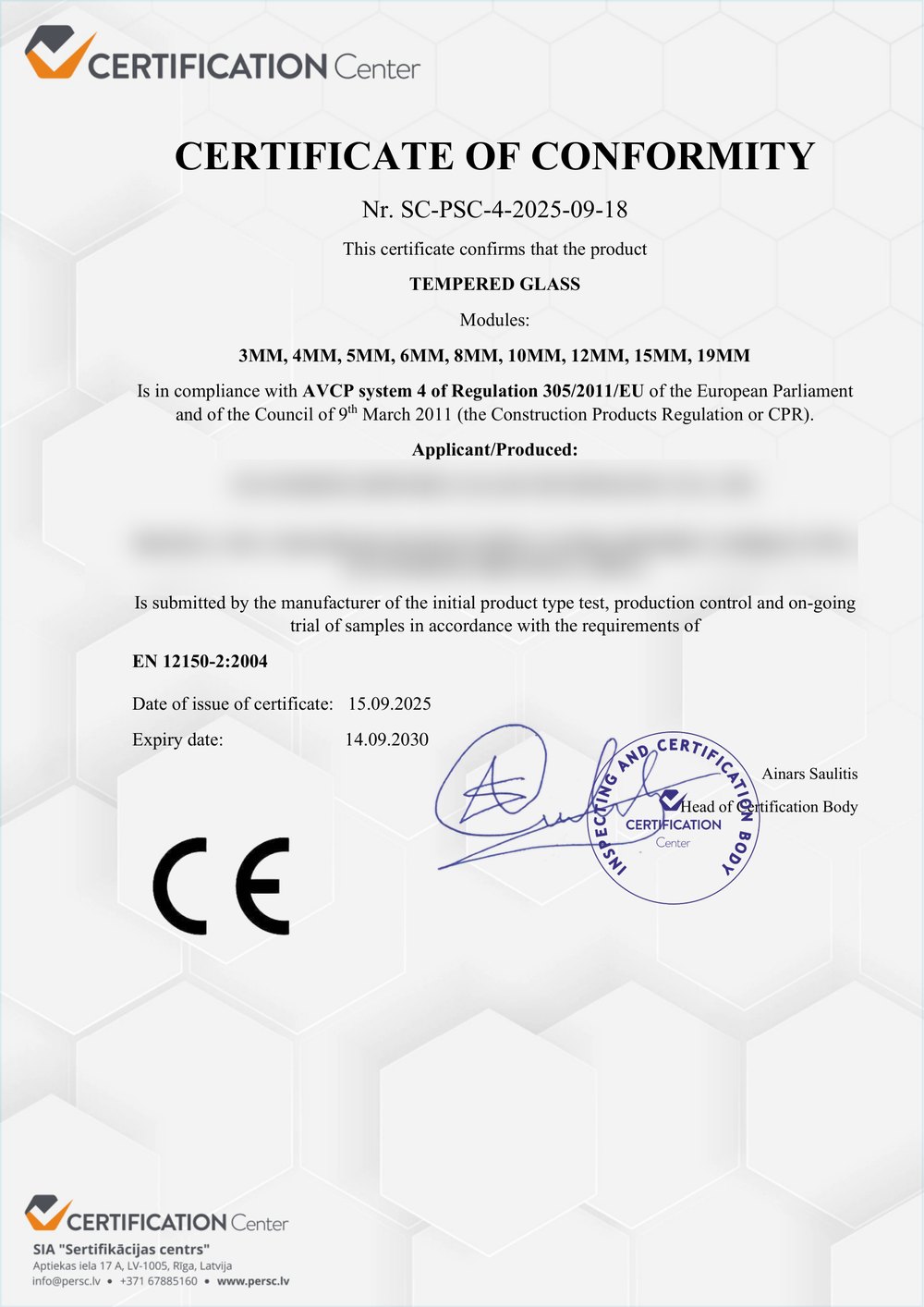
Certified market access across North America (SGCC), Europe (CE EN 12150), Australia/New Zealand (AS/NZS 2208), Thailand (TISI), and Malaysia (CIDB) ensuring frictionless project approval.
Full-Cycle Engineering
Dedicated facade engineering teams converting architectural elevation drawings into structural shop drawings, thermal calculations (U-Factor), and custom profile die developments.
2. Future Procurement Trends in Architectural Aluminium Doors & Windows (2025–2030)
The international fenestration market is undergoing a seismic transition driven by decarbonization mandates, extreme weather resilience, and minimalist architectural aesthetics. B2B buyers evaluating Chinese suppliers must align their procurement strategies with four key industry vectors:
A. Ultra-Low Thermal Transmittance (Polyamide Thermal Break PA66-GF25)
Standard non-thermal aluminium profiles are rapidly being replaced by multi-cavity thermal break systems. Modern specifications demand polyamide 66 reinforced with 25% glass fiber (PA66-GF25) insulating strips. These thermal bridges physically separate the interior and exterior aluminium extrusions, preventing heat conduction and interior condensation while dropping overall assembly Uw values below 1.2 W/m²K when combined with low-emissivity (Low-E) double or triple glazing.
B. Structural Slim Sightlines & Maximized Daylight Ratios
Minimalist interior and exterior design trends have pushed structural engineering to its limits. Modern villa and high-rise developments mandate ultra-slim vertical stiles (often less than 20mm to 25mm visible width) capable of carrying heavy, laminated insulated glass units (IGUs) weighing upwards of 300kg per sash. Advanced lift-and-slide door systems now feature concealed sub-frames and flush floor threshold tracks for seamless indoor-outdoor transition.
C. Integrated Carbon Crystal & Honeycomb Composite Interiors
For interior door applications—specifically in commercial hospitality, luxury multi-family apartments, and modern residential suites—aluminum honeycomb core carbon crystal doors have emerged as the dominant trend. Combining 100% waterproof performance, zero-formaldehyde emissions, superior sound attenuation (STC > 35dB), and extreme warp resistance, these systems solve the rot and swelling vulnerabilities inherent to traditional timber doors in humid climates.
D. Direct Factory Technical Collaboration (OEM/ODM Customization)
Off-the-shelf catalog sourcing is giving way to direct engineering collaboration. Overseas developers and contractors require standard door manufacturers to customize mullion depths, glass rebate dimensions, integrated insect screens (micro-mesh stainless steel), and concealed multi-point lock hardware (e.g., German Siegenia, Hoppe, or CMECH) directly on the factory floor before export packaging.
3. Technical Material & Performance Matrix Comparison
To assist procurement managers in selecting the appropriate door and window profile architecture, the following data matrix details the key physical performance metrics across different material categories:
| Performance Indicator | Thermal Break Aluminium (KARON) | Standard Non-Thermal Aluminium | uPVC / Vinyl Systems | Solid Timber / Wood Clad |
|---|---|---|---|---|
| Thermal Transmittance (U-Factor) | 1.0 - 1.6 W/m²K (Excellent) | 2.8 - 4.5 W/m²K (Poor) | 1.2 - 1.8 W/m²K (Good) | 1.3 - 2.0 W/m²K (Moderate) |
| Structural Wind-Load Resistance | Class 9 (≥ 5.0 kPa - High Rise) | Class 7 (≥ 3.5 kPa) | Class 4 (≤ 2.0 kPa - Flexible) | Class 6 (≥ 3.0 kPa) |
| Acoustic Rating (STC / Soundproof) | 38 dB - 45 dB (Multi-Layer EPDM) | 25 dB - 30 dB | 30 dB - 35 dB | 32 dB - 38 dB |
| Lifespan & Corrosion Resistance | 50+ Years (PVDF/Anodized) | 30+ Years | 15 - 20 Years (UV Degradation) | 15 - 25 Years (Requires Maintenance) |
| Water Tightness & Air Infiltration | Class 4 (600 Pa) / EPDM Gasket | Class 2 (250 Pa) | Class 3 (300 Pa) | Class 3 (300 Pa) |
| Fire Safety Rating | Non-Combustible (A Grade / Fire Door) | Non-Combustible | Self-Extinguishing (Releases Toxins) | Combustible (Requires Treatment) |
4. Enterprise Advantages: Why KARON is the Preferred Partner for Global Projects
When procuring from China, establishing E-E-A-T (Experience, Expertise, Authoritativeness, and Trustworthiness) is vital. Karon Window & Door Co., Ltd. operates not merely as a manufacturer, but as an end-to-end technical consulting partner for major construction projects globally.
The KARON Quality & Compliance Advantage
Located in Foshan, KARON brings 15+ years of specialized experience in customized fenestration manufacturing. Our ISO 9001 certified plant handles project orders ranging from single high-end villa packages to massive resort complexes.
Proven Global Track Record: KARON has successfully supplied landmark international developments, including the Kora Beach Resort Phuket (672 luxury units across 9 low-rise structures), customized private villa packages in Texas, USA, oceanfront developments in Greece and France, as well as multi-unit residential communities in Vietnam.
Get a Quote5. Industry Development Trends: Advanced Manufacturing & Sustainable Materials
The standard door and window manufacturing ecosystem in China is rapidly modernizing. Standardizing profile wall thicknesses (minimum 1.4mm for windows, 2.0mm to 3.0mm for heavy-duty sliding and bi-fold doors per national standard GB/T 5237) ensures structural integrity under extreme typhoon conditions. Key engineering shifts include:
- Automated Corner Crimping & Glue Injection: Traditional screw-fix corner joins have been superseded by hydraulic corner crimping combined with two-component corner sealing glue (cast-in-place epoxy). This guarantees zero water penetration at frame joints and prevents long-term sagging.
- Fluorocarbon (PVDF) & Electrostatic Powder Coatings: Utilizing Qualicoat-certified powders (such as AkzoNobel or PPG) that withstand 3,000+ hours of neutral salt spray testing (ISO 9227), ensuring zero fading or chalking in harsh coastal environments.
- Structural Laminated & Smart Glass Technologies: Integrating SentryGlas® (SGP) interlayers for blast and hurricane resistance, alongside switchable smart electrochromic glass for privacy control in modern executive offices and luxury master suites.
Comprehensive Fenestration Sourcing FAQ
Everything procurement officers, facade engineers, and project architects need to know when importing aluminium standard doors and windows from China.