High-Performance Aluminium & Timber Architectural Solutions
Explore our top-tier export window and door assemblies engineered for luxury villas, commercial developments, and high-rise envelope projects worldwide.
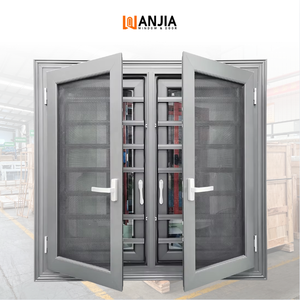
Professional Design Customizable Double Glazed Window Aluminium Casement Windows With Screen
Inquire Now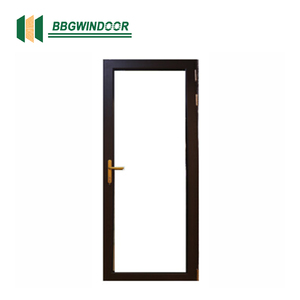
Lukliving Windproof Insulated Crittall Swing Doors French Doors Swing Doors
Inquire Now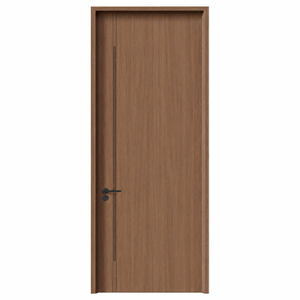
Aluminum Clad Timber Door for Hotel Commercial Building Project
Inquire Now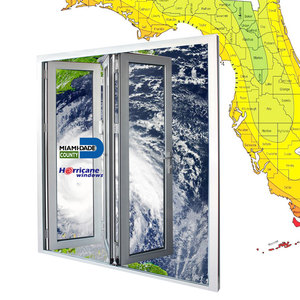
USA Commercial Residential Lowes Glass Aluminum Bi Folding Accordion Bifold Sliding Exterior Door With Locks
Inquire Now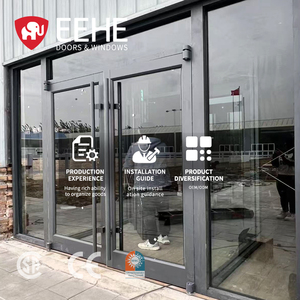
EEHE Storefront Door Modern Heavy Duty Aluminum Energy Efficient Slim Frame Tinted Glass Commercial Door For Durable Design
Inquire Now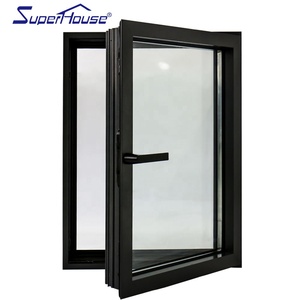
Canada USA Title 24 NFRC Certified Thermal Break Aluminum Energy Efficient windows with Triple Glass
Inquire Now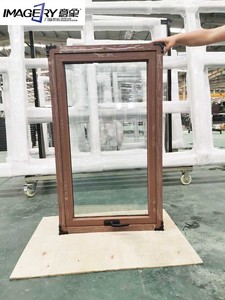
Aluminum Awning Window for Kitchen Bathroom Balcony Ventilation with Mosquito Net Insect Screen Window
Inquire Now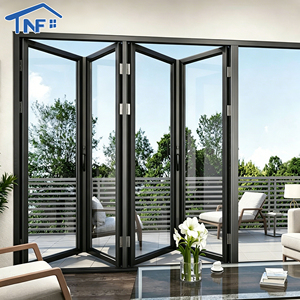
Waterproof Aluminum Tempered Glass Patio Sliding Accordion Folding Doors
Inquire NowUnderstanding Aluminium Timber Composite Fenestration Architecture
In contemporary high-end architecture, the quest for maximum energy efficiency combined with organic aesthetics has positioned Aluminium Timber Composite Windows (also known as Aluminium-Clad Wood Windows) as the gold standard for luxury residential and commercial envelopes. Unlike traditional single-material frames, composite fenestration leverages the contrasting physical properties of structural timber and high-tensile architectural aluminium to eliminate the inherent weaknesses of each material.
At the core of this engineering design is a multi-layer composite matrix: interior-facing sustainably harvested solid timber (such as Siberian Larch, North American Red Oak, or Burmese Teak) provides warm visual appeal and exceptional natural thermal insulation. Concurrently, an exterior shield of extruded 6063-T6 aluminum alloy coated with Fluorocarbon (PVDF) or powder finish protects the timber core from solar radiation, rain, wind pressure, and atmospheric corrosion.
Technical Fact: The linear thermal expansion coefficient of aluminium (23 × 10⁻⁶ /K) differs drastically from wood. Superior manufacturers utilize specialized snap-fit nylon connection clips (polyamide PA66 GF25) that lock the aluminium exterior to the timber interior while allowing controlled structural slide, preventing thermal warping and profile tension.
Thermal Insulation & U-Value
By decoupling thermal bridging via multi-cavity Polyamide insulation strips combined with solid wood cores, overall window U-values reach down to 0.75 W/m²K (0.13 BTU/h·ft²·°F), satisfying Passive House Institute (PHI) rigorous standards.
Extreme Weather Resilience
Exterior PVDF-coated aluminium extrusions resist salt-spray corrosion (tested over 3,000 hours ASTM B117), coastal UV degradation, and hurricane wind loads up to 4500 Pa (ASTM E330 Class CW-PG50 to AW-PG80).
Acoustic Decibel Reduction
Combined triple-seal EPDM weatherstripping and unequal laminated glass thickness (e.g., 6mm Low-E + 12Ar + 4mm + 12Ar + 6.38mm PVB acoustic glass) achieve sound transmission class ratings up to STC 45 dB.
Material Performance Comparison Matrix
When specifying envelope hardware for commercial or high-end residential architectural projects, selecting the appropriate profile composition directly dictates long-term lifecycle performance and energy compliance cost.
| Profile System | Thermal Transmittance (U-Value) | Maintenance Cycle | Structural Lifespan | Acoustic Performance |
|---|---|---|---|---|
| Aluminium-Clad Timber Composite | 0.75 - 1.1 W/m²K | Zero Exterior Maintenance | 50+ Years | STC 40 - 48 dB |
| Standard Thermal Break Aluminium | 1.4 - 2.0 W/m²K | Low Maintenance | 40+ Years | STC 32 - 38 dB |
| Pure Solid Timber | 1.1 - 1.4 W/m²K | High (Repaint every 3-5 yrs) | 25-30 Years (Weather Dependent) | STC 35 - 40 dB |
| uPVC Vinyl Frames | 1.3 - 1.8 W/m²K | Low Maintenance | 15-20 Years (UV Brittle Risk) | STC 28 - 34 dB |
Future Procurement & Manufacturing Trends in China Fenestration
How evolving international energy codes, smart automation, and advanced manufacturing in Foshan are redefining global window sourcing strategies.
1. Strict Decarbonization & NFRC/Title 24 Tightening
Global building regulations—such as California Title 24, Canada's NECB, and the EU Energy Performance of Buildings Directive (EPBD)—are enforcing significantly lower Solar Heat Gain Coefficients (SHGC ≤ 0.22) and U-factors (≤ 0.16 BTU/h·ft²·°F). Modern Chinese composite manufacturers are scaling output of triple glass warm-edge units infused with 95% argon gas to effortlessly comply with these mandated benchmarks.
2. Ultra-Narrow Sightlines & Concealed Hardware Integration
Architectural demand for expansive glass elevations has accelerated the development of minimal-frame aluminium timber composite sliding doors and tilt-and-turn windows. European hardware integrations—such as German SIEGENIA, ROTO, and HOPPE concealed hinges—allow massive sash weight capacities up to 300kg while maintaining flush minimal profiles.
3. Smart Motorized Fenestration & Building Automation (BMS)
Future-ready fenestration procurement increasingly demands embedded smart sensors, electric linear actuators for high awning openings, electrochromic smart-tinting glass, and integrated rain/wind automated closure systems natively compatible with KNX and smart home protocols.
Why Source Aluminium Timber Windows from Foshan, China?
Foshan, Guangdong represents the world's dense cluster of high-end aluminum extrusion and custom architectural glass manufacturing. Facilities operating in Songxia Industrial Park benefit from localized supply chains, cutting-edge German CNC 5-axis machining equipment, and rigorous international quality standards.
Leading manufacturers like Karon Window & Door Co., Ltd. operate over 10,000 m² of standardized production space, enforcing ISO 9001 Quality Management Systems. Every batch of timber undergoes precise kilning (moisture content stabilized between 8% to 12%), anti-fungal dip treatments, and automated 4-layer polyurethane lacquering prior to assembly.
Certified for Global Market Compliance
Our window and door assemblies undergo rigorous third-party laboratory testing to guarantee structural safety, wind load resistance, and thermal performance across key export regions.
US SGCC & NFRC Certified
Safety Glazing Certification Council (SGCC) compliance under ANSI Z97.1 and NFRC thermal performance rating verification for US and Canadian building inspector approval.
Australia AS 2208 & AS/NZS
SAI Global StandardsMark certification for single pane and laminated safety glass meeting AS 2208 and AS/NZS 2208 requirements for Australian construction codes.
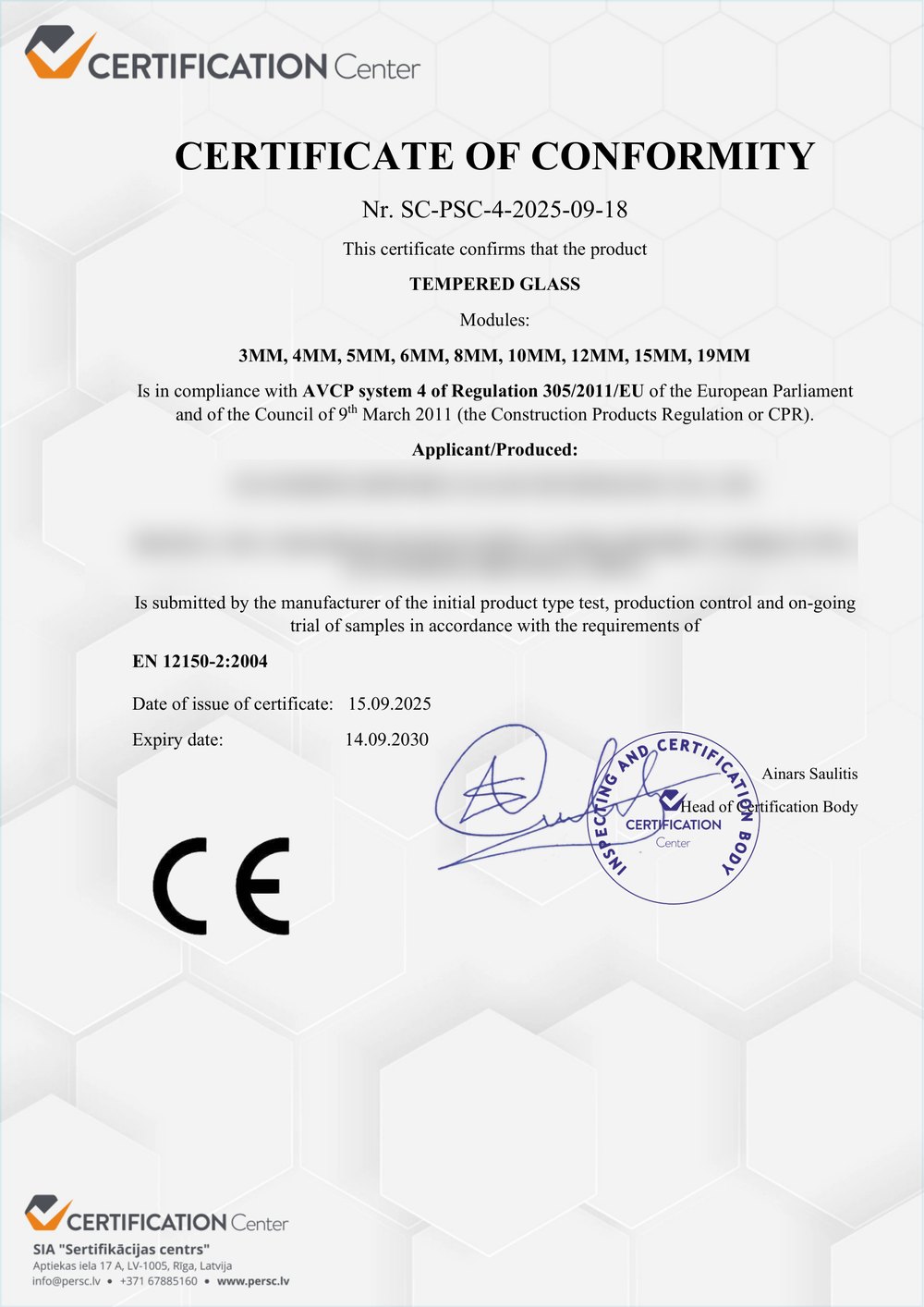
CE Mark (EN 12150 & EN 14351)
Full CE mark compliance verifying toughened safety glass integrity, air permeability Class 4, and water tightness Class E900 under European directives.
Frequently Asked Technical Questions (FAQ)
Essential technical and logistical answers for architects, general contractors, developers, and importers sourcing high-performance windows from China.
What is the structural difference between Aluminium-Clad Timber and Timber-Clad Aluminium windows?
▼
The core distinction lies in which material carries the main structural load. In Aluminium-Clad Timber (Alu-Clad Wood) windows, solid engineered timber forms the primary load-bearing frame, providing structural strength and natural insulation, while exterior aluminum clip-on profiles serve as a protective rainscreen. In Timber-Clad Aluminium windows, a heavy-gauge thermal break aluminium frame provides the primary structural strength, and thin interior timber veneers or solid wood trims are applied inside purely for decorative warmth. Alu-Clad Timber generally provides superior thermal performance, whereas Timber-Clad Aluminium offers higher structural resistance for ultra-large commercial spans.
Which timber species are best recommended for export window production?
▼
We primarily utilize three certified engineered timber species based on project geography and budget:
1. Siberian Larch: Exceptionally dense, naturally resistant to moisture rot, and cost-effective; ideal for Northern European and North American climates.
2. North American Red Oak / White Oak: Outstanding grain beauty, high mechanical hardness, and high luxury appeal for modern villas.
3. Burmese Teak: Premium density with natural oil content, rendering it immune to termite attack and extreme tropical humidity. All wood is finger-jointed and laminated in 3-layers to prevent warping or splitting.
How do Chinese manufacturers ensure window glass complies with local import building codes?
▼
Reputable OEM/ODM manufacturers engineer glass packages to regional building standards prior to cutting. Each glass panel receives permanent laser-etched certification stamps: SGCC / ANSI Z97.1 for North America, AS 2208 for Australia/New Zealand, and CE EN 12150 / EN 14351 for Europe. Furthermore, test certificates and NFRC thermal report submissions are provided directly to project consultants for hassle-free building department approvals.
What hardware brands are integrated into high-tier custom windows, and what is the warranty?
▼
To guarantee 50,000+ opening cycles without sash sag, we standardize on premium German hardware systems including SIEGENIA, ROTO Frank, GU (Gretsch-Unitas), and HOPPE handles, alongside high-grade custom stainless steel 304/316 friction stays. Hardware components carry a standard 10-year factory replacement warranty.
How are fragile glazed units packed to prevent damage during sea freight transit?
▼
Export packaging complies with international ISPM-15 crate standards. Each window assembly is sealed in a 5-layer protective wrap: (1) PE protective surface film, (2) corner plastic guards, (3) shock-absorbing bubble wrap, (4) heavy-duty cardboard edging, and (5) fully enclosed fumigated plywood wooden crates with internal steel strapping and foam cushioning. Breakage rate in transit is less than 0.1% across ocean shipping routes.
What is the typical manufacturing lead time for custom architectural orders?
▼
Following final shop drawing confirmation and deposit receipt:
• Sample orders & shop drawings: 7 to 10 days.
• Standard production run (100 - 1000 ㎡): 25 to 35 working days (accounting for wood kilning and custom powder coating cycles).
• Large project / hotel developments (10,000+ ㎡): Staggered container shipping schedules arranged per contractor construction milestones.
Ready to Engineer Your Project's Fenestration Package?
Send your architectural drawings, window schedules, or performance specifications to our engineering team. Receive free shop drawings, NFRC/CE thermal calculations, and competitive factory-direct pricing within 24 hours.