Architectural Sourcing Guide & Whitepaper
High-Performance Aluminum Commercial Storefront Engineering
In modern commercial architecture, the entrance system serves as both an aesthetic centerpiece and a critical envelope barrier. Selecting a high-caliber China aluminum shop front doors supplier requires evaluating structural wind-load performance, thermal transmittance (U-Factor), cycling durability, and adherence to international safety standards. This technical procurement whitepaper examines engineering specs, material selections, and technological developments governing modern aluminum commercial door systems.
15+
Years Engineering Experience
10,000㎡
Standardized Production Plant
PA66-GF25
Polyamide Thermal Barriers
6+
Global Safety Certifications
Featured Commercial Aluminum Entrance & Storefront Systems
Explore our engineering-grade aluminum shop front door systems manufactured in Foshan, China. Built with high-tensile 6063-T5/T6 extrusions, safety tempered glazing, and commercial-grade hardware for retail centers, shopping malls, offices, and hospitality projects.
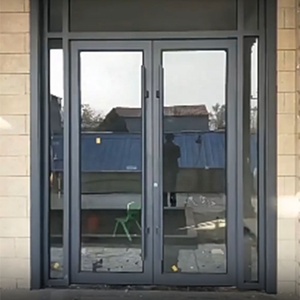
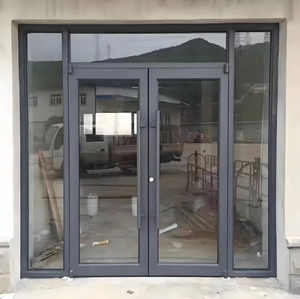
Heavy-Duty Secure Commercial Aluminum Casement Door For Shopping Malls Restaurants Retail Stores
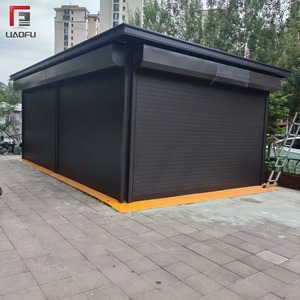
Modern Customized Aluminum Roller Shutter Door For Commercial Shop Front Outdoor Wind Resistant Energy Saving Motor
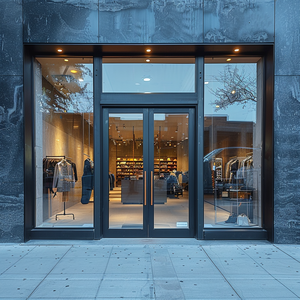
Store Front Door Factory Price Commercial Doors Slidng System Aluminum Frame Tempered Glass Storefront Door
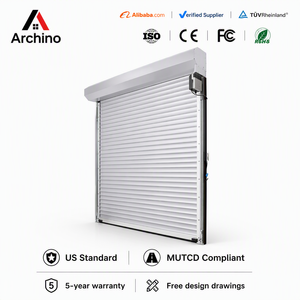
Heavy Duty Aluminum Rolling Shutter Door for Commercial Shop Front Security Extruded Alloy Roller Doors Factory Price
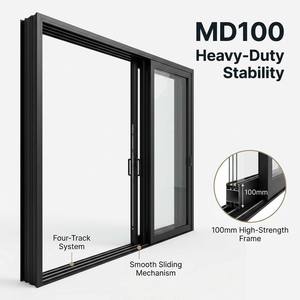
Triple Glazed Four Panel Sliding Door Four Track Thermal Insulated Energy Rated Draft-Proof Aluminum Door
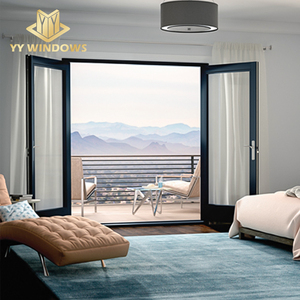
Modern Style Thermal Break Insulation Aluminium Casement Doors Fiberglass Screen Netting for House Entry
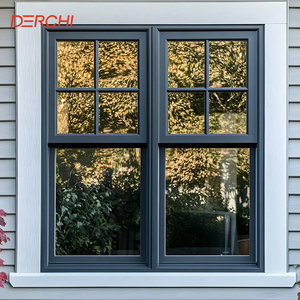
High Security Custom Design Slide up American NFRC Certification SoundProof Double Single Hung Windows
Foshan Industrial Expertise: Karon Window & Door Co., Ltd.
Located in Songxia Industrial Park, Nanhai District, Foshan, Guangdong — the world's premier aluminum extrusion manufacturing hub — Karon Window & Door Co., Ltd. operates a 10,000 m² standardized manufacturing plant. With over 15 years of technical experience supplying commercial architectural systems globally, KARON delivers project-grade storefronts engineered to exact architect shop drawings.
Full Extrusion Precision
Utilizing high-grade 6063-T5/T6 structural aluminum alloys with wall thicknesses from 2.0mm to 3.0mm, ensuring minimal deflection under heavy wind loads and heavy daily foot-traffic cycling.
Global Certification Suite
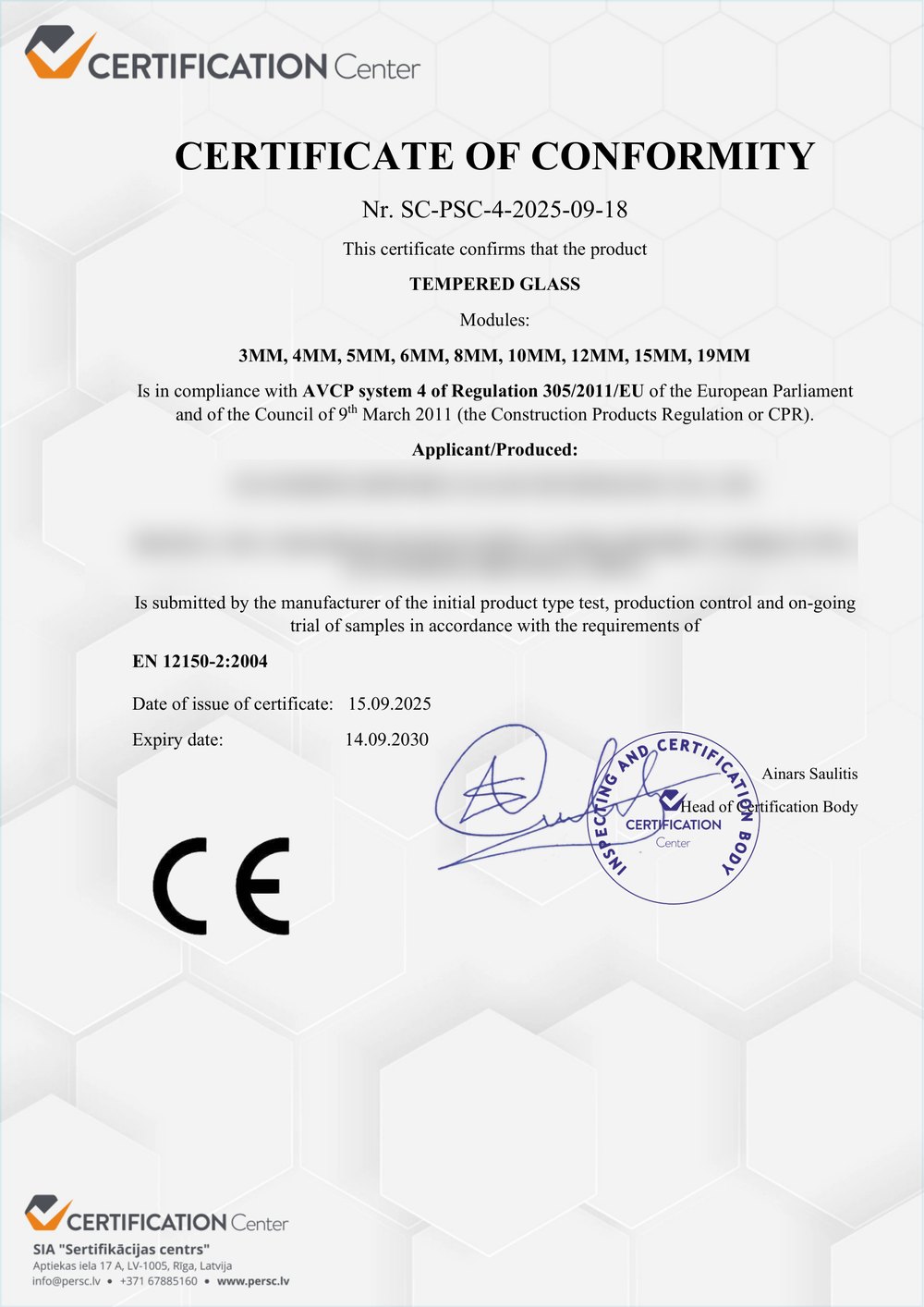
Fully compliant with international compliance benchmarks: European CE (EN 12150), US SGCC Safety Glazing, Australia AS 2208, New Zealand AS/NZS 2208, Thailand TISI, and Malaysia CIDB PPS certification.
Corner Crimping Rigidity
Automated hydraulic corner crimping combined with dual-component structural corner adhesives guarantees extreme water-tightness, frame squareness, and shear resistance under dynamic pressure.
Information Gain Note for Procurement Directors: Unlike trading intermediaries, a direct Foshan manufacturer allows customized profile dies, specific powder coating colors (AkzoNobel/PPG PVDF fluorocarbon finishes), integrated smart glass controllers, and mill-certified structural testing delivered directly to site containers.
Technical Performance Comparison: Aluminum Shop Front Systems
Compare standard storefront framing against structural thermal break entrance systems for commercial building applications:
| Performance Parameter | Standard Commercial Storefront | Thermal Break Entrance Door | Hurricane Impact Smart Storefront |
|---|---|---|---|
| Alloy Spec & Temper | 6063-T5 Aluminium Alloy | 6063-T6 Architectural Profile | 6061-T6 Heavy Structural Alloy |
| Thermal Barrier Type | Non-Thermal Break | PA66-GF25 Polyamide Strip (24mm+) | Reinforced Thermal Break Insulated |
| Glazing Configuration | 6mm-12mm Monolithic Tempered | 6mm+12Ar+6mm Low-E Insulated | 8mm+1.52PVB+8mm Laminated Smart Glass |
| U-Factor (W/m²·K) | ~4.5 - 5.8 | 1.4 - 2.2 | 1.2 - 1.8 |
| Wind Pressure Resistance | 2500 Pa (ASTM E330) | 3500 Pa (EN 12210) | Up to 5000 Pa (Hurricane Impact Rated) |
| Acoustic Rating (STC/Rw) | 28 - 32 dB | 36 - 42 dB | 40 - 45+ dB |
| Hardware Cycle Rating | 200,000 Cycles | 500,000 Heavy Commercial Cycles | 1,000,000+ Automated/Pivot Cycles |
Future Procurement Trends in Commercial Shop Front Doors
As commercial real estate standards evolve toward zero-carbon targets, structural transparency, and smart automation, global buyers must align their procurement criteria with key upcoming technical shifts:
1. High-Performance Thermal Separation & Low-Carbon Extrusions
Energy codes across North America (ASHRAE 90.1), Europe (EPBD), and Australia (NCC) now mandate strict overall U-Factor compliance for commercial building envelopes. Sourcing storefront systems featuring 24mm to 34mm PA66-GF25 (25% fiberglass reinforced polyamide) thermal break strips reduces thermal bridging by up to 60%, drastically cutting HVAC operational costs for commercial tenants.
2. Electrochromic & Switchable Smart Glass Integration
Modern shopfront doors are shifting from static glass to dynamic switchable PDLC (Polymer Dispersed Liquid Crystal) smart glass systems. This enables instant privacy control, visual projection displays for modern storefront marketing, and automated glare adjustment integrated directly with building management systems (BMS).
3. Ultra-Narrow Sightlines with Heavy Load Capacities
Architects demand minimal visible aluminum frames (slim sightline designs of 20mm–35mm profile width) without sacrificing structural load capability. China leading suppliers utilize micro-alloyed extrusions paired with heavy-duty concealed floor pivots capable of supporting single leaf weights exceeding 350kg.
4. Hurricane Impact & Anti-Intrusion Security Standards
Due to severe climate events and heightened commercial security requirements, storefront buyers increasingly specify laminated safety glass with SGP (SentryGlas® Interlayer) or thick PVB interlayers capable of passing missile impact tests (ASTM E1886/E1996 and EN 1627 RC3/RC4 security levels).
Manufacturing Trends in Chinese Commercial Door Production
The China aluminum processing landscape has advanced from low-cost extrusion to high-precision structural engineering. Understanding these factory-level advancements allows B2B buyers to select suppliers capable of consistent quality output:
5-Axis CNC Machining
Eliminates manual drilling error. Hardware mortises for drop-down seals, concealed overhead closers, and multi-point security locks are milled within 0.1mm tolerances.
Qualicoat Powder Coating
Modern plants utilize automated vertical electrostatic powder lines, offering Class 2/Class 3 Qualicoat powder coating and PVDF spray finishes with 20+ year weatherability guarantees.
Pre-Assembled Modular Shipping
To reduce expensive jobsite labor in North America and Europe, suppliers pre-assemble frame corners, pre-install hardware, and perform factory mock-up tests prior to crating.
Commercial Buyer's Risk Mitigation & Procurement Checklist
When procuring aluminum commercial doors from China suppliers, international buyers should follow this engineering validation process before placing volume purchase orders:
Step 1: Structural Profile & Alloy Verification
Ensure mill test certificates (MTC) confirm 6063-T5 or 6063-T6 aluminum alloy composition. Wall thickness for load-bearing commercial storefront jambs must meet minimum 2.0mm specification.
Step 2: Glass Safety & Certification Validation
Verify that double/triple glazed units bear physical stamp codes for regional standards (SGCC for USA, AS 2208 for Australia, CE EN 12150 for Europe). Insist on dual-seal silicone structural glazing (IGU sealant).
Step 3: Hardware System Compatibility
Specify commercial hardware brands (such as Dormakaba, Geze, Hoppe, or certified heavy-duty domestic equivalents) tested for at least 500,000 opening cycles under rated panel weights.
Frequently Asked Questions: Sourcing Aluminum Shop Front Doors from China
Where is the KARON factory located and what does it manufacture? +
Karon Window & Door Co., Ltd. operates a 10,000 m² standardized production facility in Songxia Industrial Park, Nanhai District, Foshan, Guangdong, China. We manufacture custom commercial aluminum shop front doors, structural windows, sunrooms, glass railings, and specialized entrance systems.
Which international certifications do KARON products hold for overseas compliance? +
Our products hold comprehensive international compliance certifications including CE (EN 12150), US SGCC safety glazing, Australia AS 2208, New Zealand AS/NZS 2208 for single pane and laminated glass, Thailand TISI 965-2560 and 1231-2560, and Malaysia CIDB PPS certification. Manufacturing operates under an ISO 9001 certified quality control system.
Can storefront doors be engineered according to custom architectural drawings? +
Yes. Every commercial order is engineered directly to your project elevation drawings, CAD door schedules, wind pressure specifications, glass build-up parameters, and desired powder coating finish. Our engineering team issues structural shop drawings for client sign-off prior to production.
What is the core difference between thermal break and standard aluminum shopfront doors? +
Thermal break profiles incorporate an engineered polyamide insulating strip (such as PA66-GF25) separating the interior and exterior aluminum extrusion sections. This design reduces thermal conductivity, prevents indoor condensation, and drastically lowers HVAC heating and cooling expenses. Standard profiles lack this barrier and are recommended for mild climates or interior partitions.
What export packaging and shipping protection is provided for heavy glass doors? +
Commercial doors and glass panels are packaged using protective film wrapping, corner corner guards, high-density foam cushioning, and fully enclosed IPPC-stamped fumigated plywood crates. This eliminates transit shock and moisture damage during sea container freight.
How do I initiate a commercial quote or request a product catalog? +
You can click the catalog request button below or submit your project drawings, door schedules, opening dimensions, target performance standards, and destination port to our technical sales team for a comprehensive quotation within 24 hours.
Ready to Partner with China's Leading Aluminum Shop Front Doors Supplier?
Get architectural shop drawings, official certification reports, and factory direct pricing for your upcoming commercial construction project.