Curated Product Catalog
Featured Architectural Aluminum Door & Window Systems
Tested for extreme wind loads, thermal efficiency, and high-traffic commercial durability. Engineered to international building codes.
Industry Whitepaper & Technical Analysis
Navigating the Global Market for Architectural Aluminum Glass Doors
As international energy performance standards tighten—including the European Union's EPBD directives, North American NFRC energy codes, and Australia’s NCC Section J requirements—the global demand for high-performance aluminum with glass door solutions has experienced a structural paradigm shift. Importers, general contractors, and facade engineers sourcing from China are no longer merely seeking price competitiveness; the strategic priority has pivoted toward verified thermal transmittance values (U-factors), mechanical structural integrity, corrosion resistance in coastal zones, and direct alignment with BIM/CAD architectural specifications.
China's aluminum profile export ecosystem, centered around industrial hubs like Nanhai District in Foshan, leads global production capacity. However, differentiating between standard commodity fabricators and project-grade OEM/ODM manufacturers requires an in-depth understanding of material science, extrusion tolerances, thermal breaking technologies, and international structural glass safety certifications.
Core Procurement Metric: Modern high-rise and luxury residential specifications require aluminum door systems to exhibit structural wind pressure resistance beyond 5000 Pa (equivalent to Category 5 hurricanes), water tightness ratings exceeding 700 Pa, and overall frame U-factors below 1.4 W/m²K when combined with low-emissivity argon insulated glass units (IGUs).
This technical guide evaluates the engineering methodologies, structural innovations, compliance credentials, and sourcing strategies required to successfully procure high-grade aluminum glass doors from China's leading export manufacturers.
Enterprise Manufacturing Authority
Karon Window & Door Co., Ltd. - Foshan Factory Excellence
Integrated engineering, precision fabrication, and certified compliance for global commercial and residential projects.
10,000㎡ Standardized Plant
Located in Songxia Industrial Park, Nanhai District, Foshan, our modern facility integrates automated CNC machining centers, high-precision corner-crimping equipment, and dedicated glass assembly lines operating under an ISO 9001 certified Quality Management System.
Multi-Regional Testing Compliance
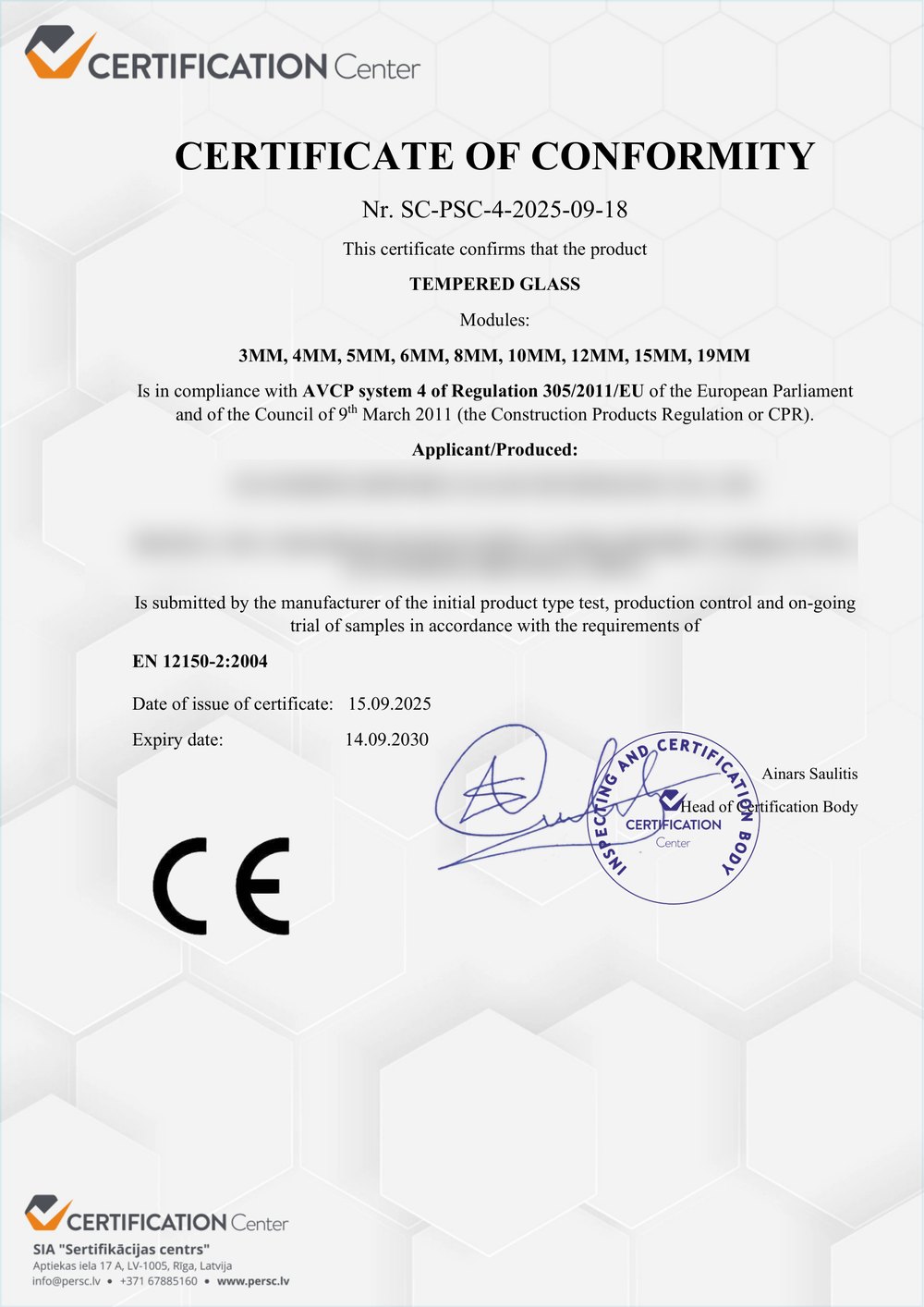
Our products carry independently verified certifications across all major international build markets: CE (EN 12150), US SGCC (Safety Glazing Certification Council), Australia AS 2208, New Zealand AS/NZS 2208, Thailand TISI 965-2560, and Malaysia CIDB PPS accreditation.
Proven Global Track Record
With 15+ years delivering project packages worldwide, KARON has supplied high-profile developments including the 672-unit Kora Beach Resort Phuket, luxury villas across Texas (USA), coastal developments in Greece, France, and master-planned communities in Vietnam.
Procurement Guidance
Frequently Asked Questions for Sourcing Aluminum Doors from China
Direct answers addressing technical compliance, lead times, factory capabilities, and custom manufacturing workflows.
Where is the factory located, and what is its production scale?
Karon Window & Door Co., Ltd. operates a 10,000 m² standardized manufacturing facility situated in Songxia Industrial Park, Nanhai District, Foshan City, Guangdong Province, China. Foshan is the world's primary architectural aluminum extrusion and fabrication hub. Our plant houses precision double-head cutting saws, automated CNC machining centers, hydraulic corner crimping systems, and structural silicone glazing lines tailored for multi-unit residential, hotel, and luxury villa projects.
Which international building code certifications do your doors and windows carry?
Our door and window systems are engineered and tested to satisfy major international building compliance schemes:
- Europe: CE Certification under EN 12150 toughened glass and structural standards.
- United States: SGCC (Safety Glazing Certification Council) certification for safety glass performance.
- Australia & New Zealand: AS 2208 and AS/NZS 2208 StandardsMark for architectural safety glazing (single pane & laminated).
- Thailand: TISI 965-2560 and TISI 1231-2560 industrial approvals.
- Malaysia: CIDB PPS accreditation (Certificates 2-03250048 and 2-03250049).
Can products be manufactured according to custom CAD/BIM architectural schedules?
Yes, 100% of our production runs are built to custom dimensions, profile depth specifications, opening styles, glass build-ups, and hardware configurations provided in your architectural window schedule. Our in-house engineering team reviews architectural drawings, structural wind-load requirements, and elevation details, generating detailed shop drawings for client sign-off prior to material cutting.
What is the structural difference between thermal break and standard non-thermal aluminum frames?
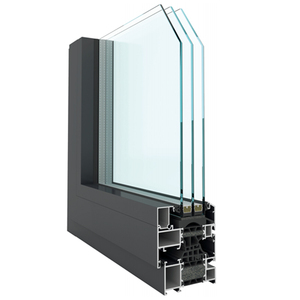
A standard aluminum profile consists of a continuous aluminum extrusion. Because aluminum is a conductive metal (thermal conductivity ~200 W/mK), heat easily transfers through the frame, increasing HVAC energy consumption and causing interior condensation in cold climates. A thermal break profile physically separates the exterior and interior aluminum sections using a low-conductivity glass-fiber reinforced polyamide strip (PA66-GF25). Thermal breaks dramatically cut heat transfer, prevent interior sweat/mold, and are mandatory for meeting modern energy codes.
How are heavy glass door packages protected against transit damage during ocean shipping?
All export door frames and glass assemblies undergo multi-layer protective packaging: primary protective film applied to powder-coated extrusions, corner edge protectors, shock-absorbing bubble wrap layer, and fully enclosed IPPC-stamped fumigated plywood crates. Glass panels are fitted with rubber separators to absorb transport vibrations and prevent breakage during container shipping and site handling.
What is the typical production lead time and Minimum Order Quantity (MOQ)?
Our standard production lead time is 25 to 35 calendar days following shop drawing confirmation and deposit receipt. For custom extrusion dies or specialized powder-coat colors, an additional 7 to 10 days may be required. We accommodate flexible project scales ranging from full custom villa packages (MOQ 30 m²) to multi-container commercial hotel projects.
Ready to Engineer Your Project's Aluminum & Glass Doors?
Send your CAD drawings, architectural elevations, or window schedules directly to our engineering team for preliminary pricing, technical review, and structural system recommendations.
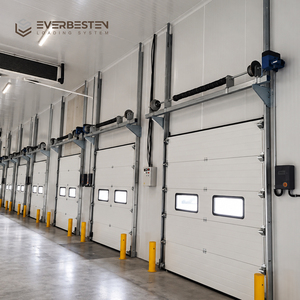 Industrial / Warehouse