Expert technical answers regarding factory specs, customization options, shipping logistics, and compliance standards.
Where is your production facility located and what is your manufacturing capacity?
▼
Our standardized 10,000 m² factory is situated in Songxia Industrial Park, Nanhai District, Foshan City, Guangdong Province, China—the world’s leading hub for architectural aluminium extrusion. With modern CNC machining equipment and automated corner crimping lines, our monthly production capacity exceeds 15,000 m² of custom architectural doors and window systems.
Which international certified safety standards do your concertina doors carry?
▼
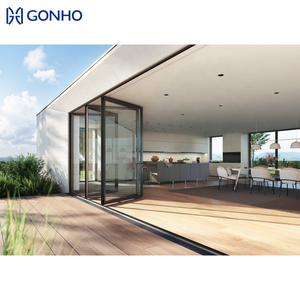
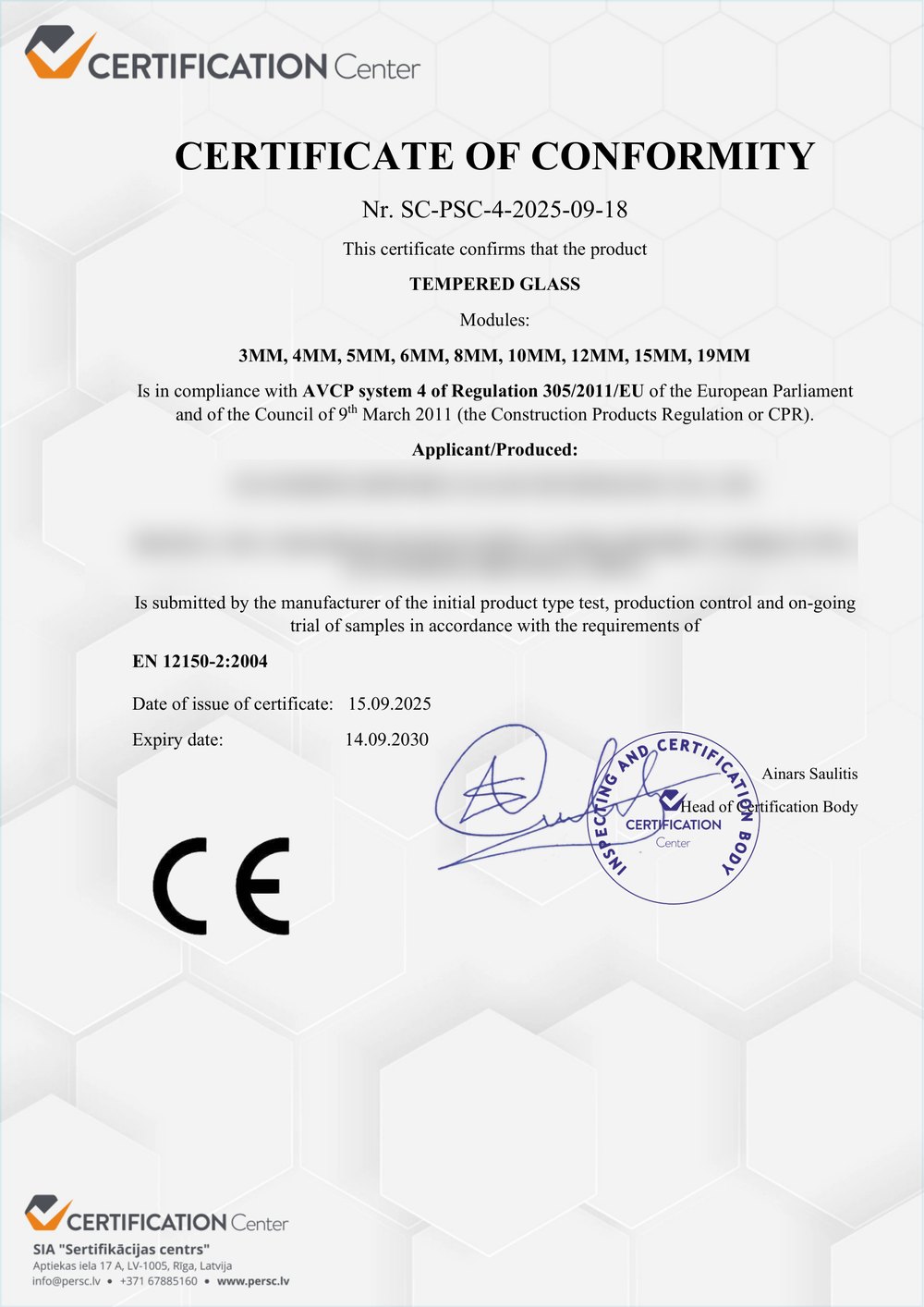
Our aluminium concertina bi-fold doors are tested and certified for major global markets. Glass and frame components hold European CE (EN 12150/EN 14351), US SGCC (Safety Glazing Certification Council), Australian Standards AS 2208, New Zealand AS/NZS 2208 (for toughened and laminated glass), Thailand TISI standard, and Malaysian CIDB PPS compliance. Production is audited annually under ISO 9001 quality management systems.
What is the typical lead time for custom engineered project orders?
▼
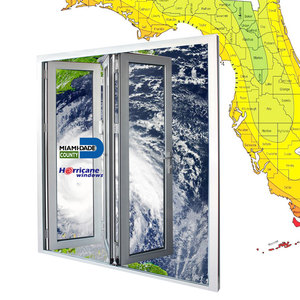
For standard profile colors (e.g., Matt Black, Traffic White, Anthracite Grey), manufacturing lead time is typically 25 to 30 days after shop drawing approval and deposit receipt. For custom RAL color powder coating, custom anodizing, or specialized hurricane-impact glass build-ups, lead time ranges between 35 and 40 days.
What is the difference between top-hung and bottom-rolling bifold door systems?
▼
Top-hung concertina systems suspend panel weight from the overhead structural lintel, resulting in ultra-smooth rolling action and keeping bottom tracks clear of debris. However, top-hung installations require a load-bearing header. Bottom-rolling systems carry panel weight on the floor track, making them ideal for renovation projects where top structural support is limited.
How do thermal break concertina doors improve energy performance in hot and cold climates?
▼
Standard aluminium conducts heat rapidly. Thermal break concertina doors insert a low-conductivity polyamide insulating strip (PA66GF25) between the interior and exterior aluminium extrusions. This breaks thermal conduction, significantly lowering building heating/cooling energy costs, stopping interior frame condensation, and helping achieve low overall U-factors (down to 1.4 W/m²K).
Can your folding door systems withstand high wind loads and heavy coastal rainfall?
▼
Yes. Our heavy-duty architectural series utilize high-tensile 6063-T6 aluminium alloy profiles with wall thicknesses ranging from 2.0mm to 3.0mm. Combined with multi-point stainless steel shoot-bolt locking, continuous EPDM compression gaskets, and high-lip step thresholds, our bi-fold doors are engineered to withstand wind pressures up to 3,000 Pa and water infiltration up to 600 Pa.
Can you manufacture bifold doors based on architectural CAD/BIM drawings?
▼
Absolutely. Every export order is custom-built to your project’s exact window schedule or CAD drawings. Our in-house engineering team reviews structural opening sizes, wind load requirements, glass specifications, and hardware choices, generating detailed 2D/3D shop drawings for client sign-off prior to production.
How are large glass folding door sets packaged for ocean freight transportation?
▼
Export safety is paramount. All aluminium frames are wrapped in protective foam film and corner protectors. Glass panels and assembled door frames are packed into fully enclosed, fumigated wooden crates or steel-reinforced A-frames with moisture-absorbing desiccant packs. This packaging setup protects shipments against ocean humidity, container movement, and rough port unloading.