Product Showcase
Engineering Excellence in Aluminium Door & Window Systems
Explore our flagship structural doors and fenestration products, manufactured under strict ISO 9001 and certified to international standards including CE, US SGCC, AS 2208, and TISI.
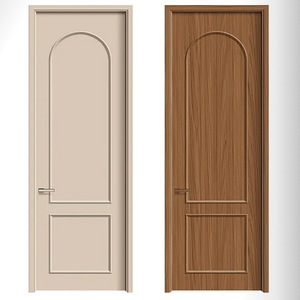
High Quality Modern Interior Wooden Preface Slab Door With Aluminium Material Soundproof Door For Home
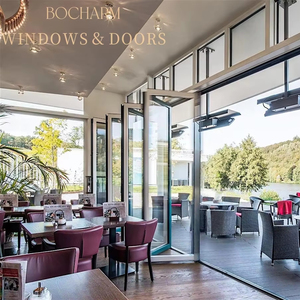
BOCHARM Foldable Aluminum Alloy Door Double Tempered Glass Postmodern Design Sound Insulation for Kitchen Coffee Shop Milk Tea
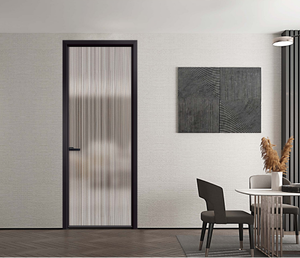
High Quality Modern Control Gate Kitchen Swinging Aluminum Alloy Glass Waterproof Interior Sliding Doors for House Villa
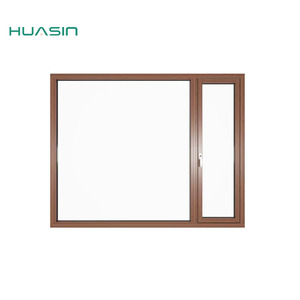
Huasin Modern Canada Standard 2026 Dustproof Waterproof Custom Aluminum Clad Wood Outdoor Exterior Doors Sound Insulation Level
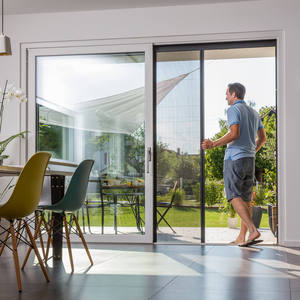
Aluminum Alloy Frame Pleated Mesh Folding Screen Doors Blinds Components Patio Insect Sliding Fly Screen Door
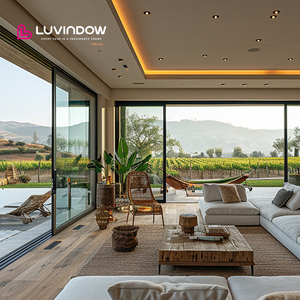
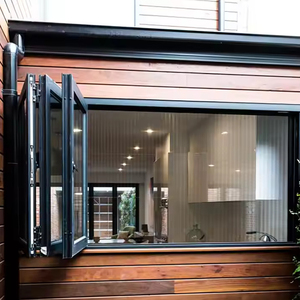
Heavy-Duty Commercial & Residential Modern Energy Efficient Large Patio Sliding Aluminum Glass Doors and Windows
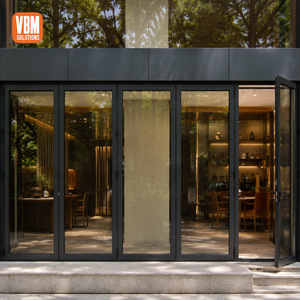
Commercial Aluminum Glass Folding Door for Restaurant Cafe Shopfront Storefront Outdoor Entrance
Manufacturing Powerhouse
Why Sourcing from Foshan's Premier Aluminium Door Factory Matters
Located in Nanhai District, Foshan—the world's capital of architectural aluminium extrusion—Karon Window & Door Co., Ltd. delivers direct factory engineering, enterprise scalability, and compliance certification.
15+
Years Industry Leadership
10,000㎡
Modern Production Facility
6+
Global Standards Certified
100%
Full-Process QC Inspection
Custom Structural CAD/BIM Engineering
Every commercial and villa procurement order undergoes rigorous CAD/BIM drawing validation by our in-house structural engineers. We adjust wall thickness (1.4mm to 2.5mm+), wind-load resistance, and deflection ratios based on site elevation and local building codes.
ISO 9001 Quality Control System
From raw 6063-T5 aluminium profile extrusions to double-tempered insulated glass assembly, our process enforces strict tolerances. Continuous spot tests measure air permeability, water tightness under pressure, and acoustic insulation levels.
Turnkey Export Logistics & Packing
Glazed aluminium doors require specialized protective export packaging. We utilize fully enclosed wooden crates, corner guards, and vacuum plastic wrapping to guarantee zero glass breakage or surface scratches during ocean transport.
Industry Whitepaper
2025–2030 Global Architectural Aluminium Door Procurement & Technology Trends
An in-depth analysis for B2B buyers, architects, real estate developers, and construction procurement managers.
1. Transition to Advanced Thermal Break Systems (PA66 GF25 Integration)
Energy efficiency standards across Europe, North America, and Australia are imposing stricter U-factor requirements on fenestration systems. Monolithic aluminium frames are rapidly being replaced by multi-chamber thermal break profiles equipped with Polyamide PA66 reinforced with 25% glass fiber (PA66 GF25).
This architectural thermal barrier prevents cold bridge effects, reducing thermal conductivity by up to 65% compared to conventional aluminium doors. Sourcing thermal break folding and sliding door systems ensures compliance with modern green building certifications such as LEED and BREEAM.
2. Ultra-Slim Sightlines & Heavy-Duty Structural Capacity
The contemporary architectural movement demands maximum glass surface area to encourage natural daylighting and seamless indoor-outdoor transition. However, reducing frame sightlines requires superior mechanical strength from the aluminium alloy framework.
Top Chinese manufacturers now employ high-density 6063-T6 or 6061-T6 alloy profiles with wall thicknesses exceeding 2.0mm to 3.0mm. This permits ultra-narrow interlocking stiles (as narrow as 20mm) capable of supporting heavy double- and triple-glazed sashes weighing upwards of 400kg per panel.
Information Gain Insight: Low-Carbon Recycled Aluminium & Surface Treatment Longevity
Leading global buyers are prioritizing decarbonized supply chains. Sourcing aluminium doors extruded using low-carbon primary billets (smelted via hydropower) reduces embodied carbon footprints by over 50%. Furthermore, surface treatments have evolved from basic powder coating to advanced Fluorocarbon (PVDF) spraying and heavy-duty Anodizing, granting 20+ years of weatherability without chalking or fading even in harsh marine/coastal environments.
Comparative Technical Matrix: Aluminium Door System Configurations
| System Category | Structural Profile | Glass Configuration | Acoustic Rating (STC) | Optimal Application |
|---|---|---|---|---|
| Thermal Break Folding Doors | 2.0mm - 2.5mm Aluminium + PA66 GF25 | 5mm+12Ar+5mm Double Tempered Low-E | 38 - 42 dB | Luxury Villa Patios, Restaurant Fronts, Cafes |
| Heavy-Duty Lift & Slide Doors | 2.0mm - 3.0mm Architectural Grade | 6mm+16Ar+6mm Triple Tempered Insulated | 40 - 45 dB | High-End Commercial Entrance, Oceanfront Balconies |
| Aluminium Clad Wood Doors | Solid Timber Interior + Exterior Aluminium Shell | 6mm+12Ar+6mm Double Low-E Argon | 42 - 48 dB | Cold-Climate Luxury Residences, North American Standard |
| Slim-Frame Interior Glass Doors | 1.4mm - 1.8mm Ultra-Narrow Alloy | 8mm - 10mm Monolithic Tempered / Laminated | 30 - 35 dB | Modern Kitchen Partitions, Office Enclosures, Villas |
E-E-A-T Authority & Reliability
Verified International Certification & Compliance Protocols
Importing custom architectural aluminium doors requires absolute certainty regarding building safety codes and glass certification in destination countries.
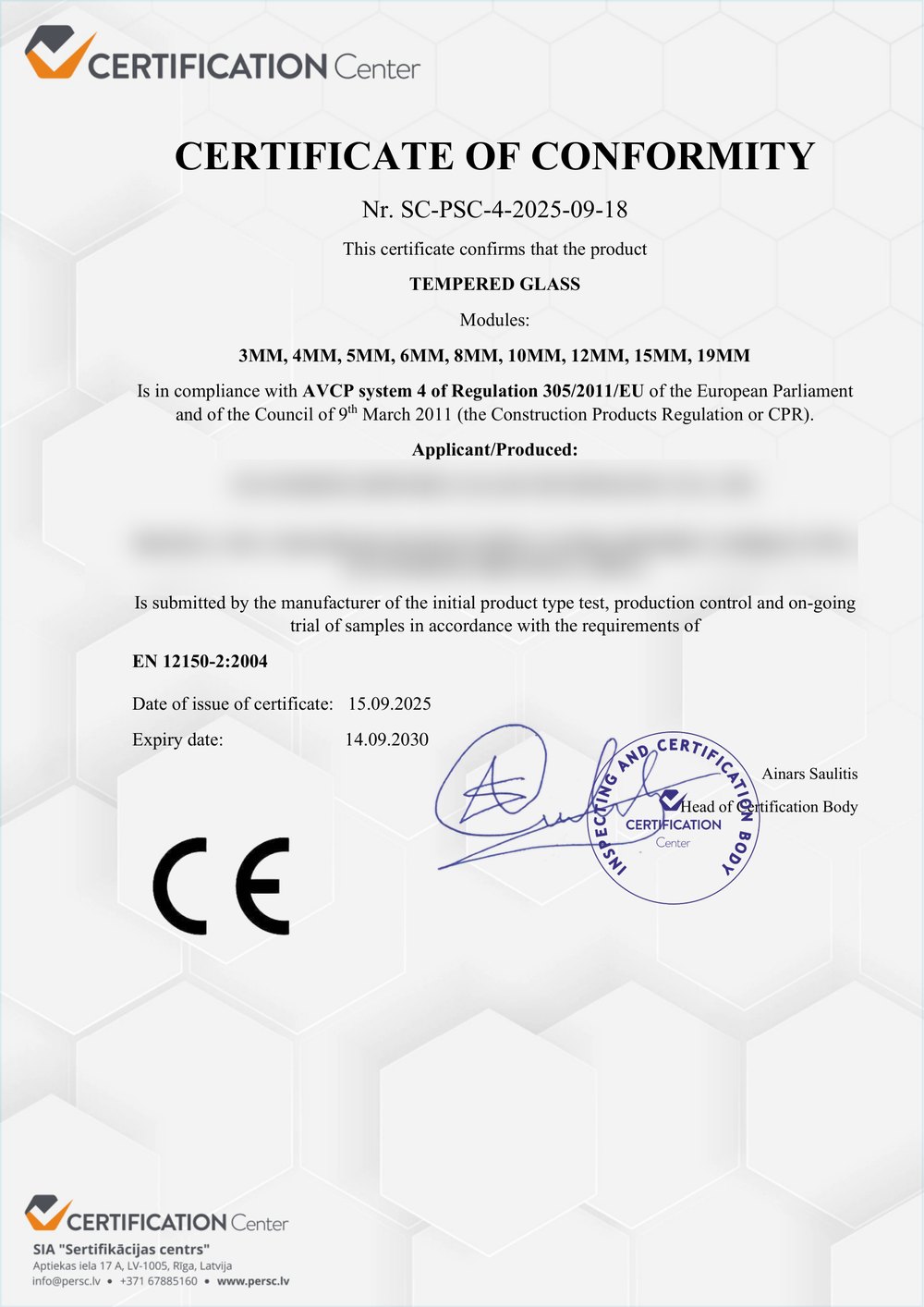
European Union: CE EN 12150
Complies with EU building regulations for thermally toughened soda lime silicate safety glass, ensuring impact resistance, fracture safety, and strict dimensional tolerances.
North America: US SGCC Certified
Certified by the Safety Glazing Certification Council (SGCC) in accordance with ANSI Z97.1 and CPSC 16 CFR 1201 standards for high-impact architectural glazing safety.
Australia & NZ: AS 2208 / AS/NZS 2208
Rigorously tested for safety glazing materials in buildings, satisfying strict cyclonic wind loads, thermal stress, and human impact safety standards across Oceania.
Procurement Guidance
Frequently Asked Questions for Sourcing Aluminium Doors from China
Essential answers for overseas contractors, real estate developers, and wholesale buyers.
Where is the KARON factory located and what is your manufacturing capacity? +
Karon Window & Door Co., Ltd. operates a 10,000 m² standardized industrial manufacturing facility in Songxia Industrial Park, Nanhai District, Foshan, Guangdong, China. Situated in the core cluster of China’s aluminium profile industry, our plant is equipped with precision CNC machining centers, automatic corner crimping production lines, and insulated glass processing units, capable of outputting custom aluminium windows, sliding/folding doors, sunrooms, and glass railings for high-volume commercial and residential developments globally.
What are the structural differences between thermal break and standard aluminium profiles? +
Standard aluminium profiles consist of a continuous metallic alloy structure, which rapidly conducts thermal energy between exterior and interior environments. Thermal break profiles introduce a rigid Polyamide (PA66 GF25) insulating strip that physically separates the interior and exterior aluminium extrusions. This thermal barrier prevents cold bridge effects, lowers building HVAC energy consumption, eliminates interior condensation during winter, and achieves higher sound insulation ratings.
Can KARON manufacture custom doors based on project architectural CAD drawings and schedules? +
Yes, 100% of our orders are engineered to order. We work directly from your architectural elevation drawings, structural specifications, or window/door schedules. Our engineering team conducts drawing reviews, verifies opening sizes, calculates wind-load requirements, confirms glass assembly specs, and issues detailed production shop drawings (DWG/PDF format) for final client approval prior to extrusion cutting.
Which international safety and quality certifications do KARON products carry? +
Our products hold comprehensive market-access credentials, including European CE Certification (EN 12150), US SGCC Safety Glazing Certification (ANSI Z97.1), Australia StandardsMark AS 2208, New Zealand AS/NZS 2208 (for single pane and laminated safety glass), Thailand TISI standards (965-2560 and 1231-2560), and Malaysia CIDB PPS certification. Production operates strictly under an ISO 9001 quality management framework.
How do you protect glass panels and aluminium frames during containerized ocean freight? +
Export shipments are protected using a multi-layer heavy-duty packaging protocol. Aluminium frame surfaces receive protective removable film and foam corner guards. Complete door sashes and glass units are secured inside customized fumigated wooden crates or steel-reinforced A-frame glass racks. Moisture absorber packs are added to prevent humidity damage inside shipping containers during transit.
What hardware brands are integrated into KARON aluminium folding and sliding door systems? +
We partner with top-tier international and premium domestic hardware manufacturers to guarantee smooth long-term operation. Available hardware includes German Siegenia, Hoppe, ROTO, and GU systems, as well as top-grade Chinese brands such as KIN LONG and HOPO. All multi-point lock hardware undergoes salt-spray corrosion testing to ensure durability in coastal environments.
Ready to Upgrade Your Architectural Project?
Send your project drawings or window schedule to our senior engineering team for an accurate technical review and direct factory quote within 24 hours.