Factory Product Showcase
Featured Aluminium Windows & Architectural Door Systems
Explore our precision-engineered aluminium joinery systems designed for high-humidity kitchen environments, patio pass-through counters, and modern architectural envelope integration.
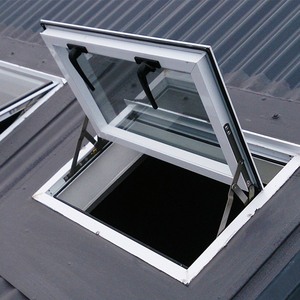
New Design Electrical Skylight Waterproof Thermal Break Tempered Glass Aluminum Windows for Basement, Sun Room
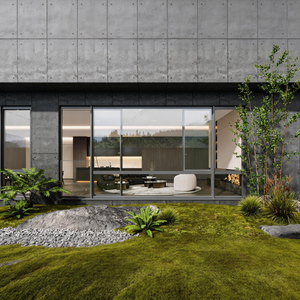
Acoustic Windows Customized Feiyu Aluminium Casement Window Double Glazed Insulated with Flat Frame Flush Sash System for Villa
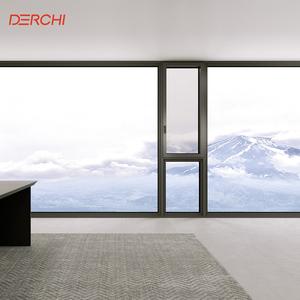
DERCHI Soundproof Aluminum Casement Windows Low E Glass Custom windows for Home Hotel Office Noise Reduction
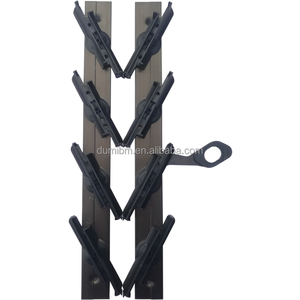
Removable Aluminium Shutter Frame Window Louver Frame Jalouplus for Philippines Market
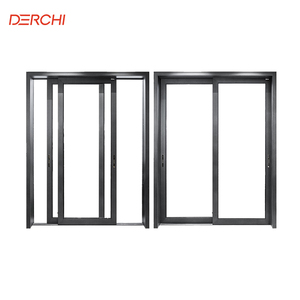
DERCHI Modern Laminated Glass windows Narrow Slim Frame Sliding Aluminum Door Modern Home Modern Doors for Houses Interior
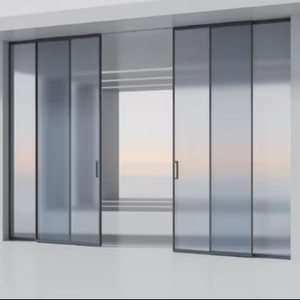
Modern Design Aluminum Alloy Three Tracks Narrow Slim Frame Patio Low E Tempered Glass Double Glazed Sliding Door
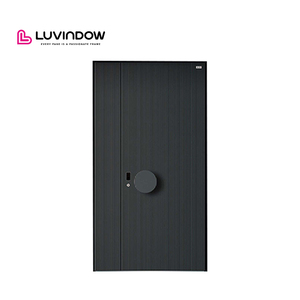
Luvindow Aluminum Doors for House Security Front Entrance Door With Smart Lock
15+
Years Industry Expertise
10,000㎡
Foshan Manufacturing Plant
6+
Global Standards Certificates
100%
Full-Process QC Inspection
Technical Engineering & Sourcing Authority
Why Foshan Aluminium Kitchen Window Manufacturing Leads Global Architecture
In contemporary residential design and commercial hospitality development, kitchen windows have evolved from simple daylight apertures into critical performance elements. Located in Foshan, Guangdong—the international nexus of precision extrusion technology—Karon Window & Door Co., Ltd. (KARON) integrates high-tensile 6063-T5/T6 primary aluminium alloys with advanced multi-chamber thermal insulation to engineer kitchen window systems built for maximum structural resilience, grease resistance, and thermal efficiency.
"Kitchen window openings require specialized hardware engineering to resist high heat, airborne moisture, grease accumulation, and frequent operational cycles without frame warping or seal degradation."
Unlike standard bedroom or living room windows, kitchen applications must solve dual environmental challenges: maintaining air-tight seal integrity against exterior weather conditions while facilitating rapid indoor ventilation of cooking oils, humidity, and heat. As premier China aluminium kitchen windows manufacturers and exporters, KARON utilizes PA66 GF25 continuous polyamide thermal barrier strips, EPDM automotive-grade vulcanized sealing gaskets, and specialized anti-corrosive powder coatings (such as AkzoNobel and Jotun) to guarantee long-term operational performance under rigorous daily use.
ISO 9001 Factory Quality Management
Our 10,000 m² standardized plant operates strict multi-stage quality control from raw billet extrusion analysis to corner crimping precision tolerances within ±0.5mm.
Certified Compliance for Global Markets
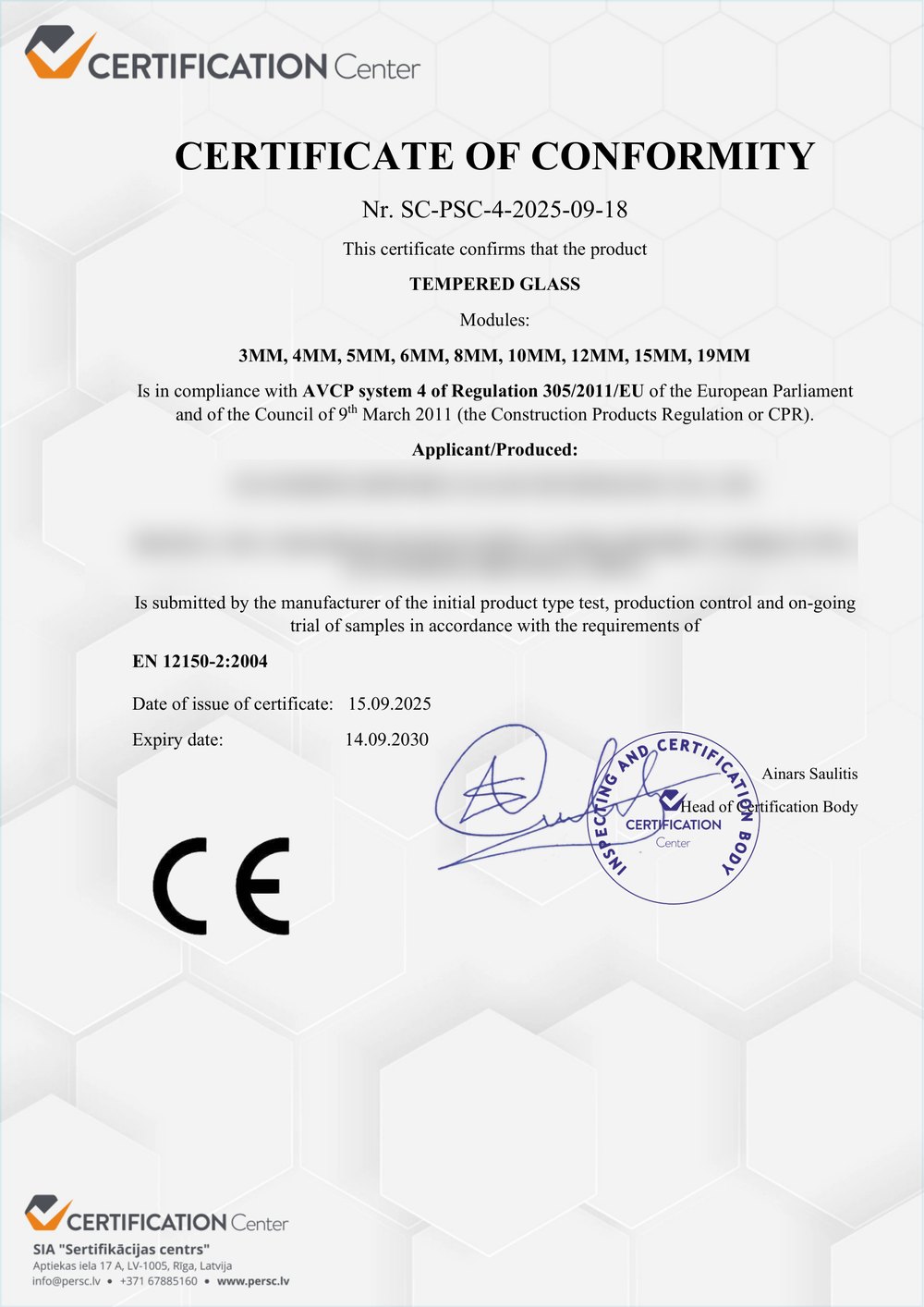
Every export system is tested and certified to EU CE (EN 12150), North American SGCC, Australian AS 2208 / AS/NZS 2208, Thailand TISI, and Malaysia CIDB compliance guidelines.
Bespoke Engineering & CAD/BIM Detailing
Our dedicated engineering team collaborates directly with architects and developers to convert project window schedules into shop drawings optimized for wind load and thermal U-values.
Industry Insights & Market Evolution
Future Sourcing & Design Trends in Aluminium Kitchen Windows
Key technological and architectural shifts shaping global procurement strategy for builders, importers, and architectural specifiers through 2025–2030.
1. Countertop Pass-Through Folding & Gas-Strut Awning Windows
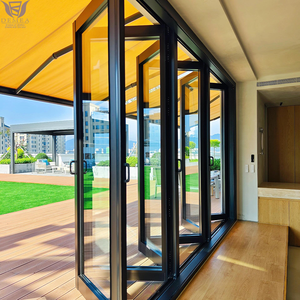
The boundary between indoor kitchens and outdoor alfresco entertainment patio spaces is dissolving. B2B buyers are experiencing surging demand for sill-less bi-fold kitchen windows and gas-strut upwards opening awning windows that create unobstructed dining counters directly from kitchen island setups.
2. Ultra-Narrow Sightlines & Concealed Sash Engineering
Modern minimalist architecture demands maximized glass area. Advanced thermal break extrusion designs enable frame profile face widths as slim as 18mm to 25mm while maintaining high structural inertia (Ix/Iy values) capable of withstanding extreme wind loads in high-rise coastal villa projects.
3. High-Performance Thermal Decoupling & Vacuum Glazing
With strict international building energy conservation codes (such as IECC in the US and Part L in the UK), kitchen joinery is adopting warm-edge spacer technology, triple Low-E insulated glass units (IGU), and hybrid vacuum glazing achieving U-factors below 1.2 W/m²K to minimize solar heat gain and condensation.
4. Smart Automation & Touchless Sensor Integration
Hygiene and convenience drive motorized window innovation in luxury residential and commercial kitchens. Electric chain actuators linked to voice assistants, rain sensors, or motion gesture controls allow hands-free ventilation while chefs prepare food, auto-closing upon detecting moisture or wind gusts.
5. Hydrophobic & Anti-Grease Nanocoated Glass
Maintaining pristine window glass around stove and sink areas has traditionally required constant manual cleaning. Emerging factory-applied easy-clean nano-coatings cause oil droplets and water stains to bead up and rinse away effortlessly, protecting the glass matrix from permanent vapor etching.
6. Integrated Insect Protection & Stainless Flyscreens
Export buyers increasingly require built-in, concealed retractable screens or high-tensile 304/316 stainless steel security mesh screens (0.8mm wire gauge) integrated directly into the window frame system to prevent insect entry while withstanding heavy wear.
Technical Decision Matrix
Aluminium Kitchen Window System Specification Guide
Compare structural opening styles, weather seal performance ratings, and recommended applications for procurement planning.
| Window System Type | Opening Mechanism | Water / Air Tightness | Thermal U-Value Range | Ideal Kitchen Application |
|---|---|---|---|---|
| Aluminium Casement Window | Side-Hinged (Outward / Inward) | Excellent (Compression Seal) | 1.4 – 1.8 W/m²K | Sink views, high-rise wind exposure, tight wall openings |
| Pass-Through Bi-Fold Window | Top-Hung / Bottom Roller Fold | Very Good (Multi-EPDM Seals) | 1.6 – 2.2 W/m²K | Kitchen-to-patio serving counters, outdoor barbecue bars |
| Gas-Strut Awning Window | Top-Hinged Lift Up (90 Degrees) | Excellent (Perimeter Gasket) | 1.5 – 1.9 W/m²K | Unobstructed counter opening with rain overhang defense |
| Slim-Frame Sliding Window | Horizontal Multi-Track Glide | Good (Brush & Rubber Seals) | 1.8 – 2.4 W/m²K | Space-restricted indoor kitchens, apartment balcony dividers |
| Tilt & Turn German System | Dual-Mode Inward Swing / Top Tilt | Superior (Multi-Point Lock) | 1.0 – 1.4 W/m²K | Cold climate villas requiring secure micro-ventilation |
Procurement Guidance
Frequently Asked Questions for Sourcing Aluminium Windows from China
Direct technical insights for project developers, general contractors, architects, and window importers evaluating KARON as a manufacturing partner.
1. Why choose Foshan-based KARON over other global window manufacturers? +
Foshan is recognized globally as the industrial hub for architectural aluminium extrusion and hardware manufacturing in China. Operating a 10,000 m² standardized plant with 15+ years of engineering experience, Karon Window & Door Co., Ltd. provides complete vertically integrated production—from CAD drawing engineering, CNC profile machining, corner crimping, glass unit assembly, to rigorous moisture/air tightness testing. Purchasing directly from our factory eliminates intermediary markup while guaranteeing strict compliance with destination market building codes.
2. How do thermal break profiles benefit kitchen window installations? +
Kitchens experience high internal temperature fluctuations and high humidity from cooking vapor. Standard aluminium profiles conduct thermal energy quickly, which can lead to interior glass condensation, mold growth on sills, and thermal loss. Our thermal break profiles feature a low-conductive polyamide strip (PA66 GF25) engineered between interior and exterior aluminium profiles. This structural break cuts heat transfer by up to 60%, drastically lowers cooling and heating costs, and prevents interior condensation build-up around cooking spaces.
3. What international building code certifications do KARON windows hold? +
KARON products undergo rigorous independent testing to meet strict regional compliance standards worldwide. Our glass and frame systems are certified for:
• Europe: CE EN 12150 compliance for tempered glass.
• North America: SGCC (Safety Glazing Certification Council) certification.
• Australia & New Zealand: AS 2208 and AS/NZS 2208 PAS-Mark (Single Pane & Laminated Safety Glass).
• Southeast Asia: Thailand TISI 965-2560 / 1231-2560 standards and Malaysia CIDB PPS certification.
Our manufacturing factory runs under an ISO 9001 quality management system to guarantee lot-to-lot traceability.
4. Can KARON manufacture custom kitchen windows based on our architectural drawings? +
Yes. Over 90% of our production volume consists of custom-engineered OEM/ODM architectural orders. You can submit your project CAD files, structural elevation drawings, or window schedules directly to our engineering division. We review wall opening dimensions, wind load pressures, glass thickness requirements, and hardware preferences, then issue detailed 2D/3D shop drawings for client approval prior to initiating production cutting.
5. What surface treatments and color options are available for coastal or high-moisture kitchens? +
For kitchen environments exposed to moisture and airborne cooking salts or coastal marine air (C5-M corrosion rating), we offer premium surface finishes:
1. Fluorocarbon PVDF Spraying: Superior UV and chemical resistance with a 20+ year color warranty.
2. Architectural Powder Coating: Utilizing AkzoNobel or Jotun powders in matte, textured, or custom RAL colors.
3. Wood Grain Heat Transfer: Realistic timber aesthetic with durable, non-flammable aluminium structure.
4. Anodizing: Metallic electro-chemical finish resistant to abrasion and grease staining.
6. How are kitchen window orders packaged to prevent sea freight damage during export shipping? +
Export packaging is a critical quality control phase. All KARON windows undergo a 5-layer protective packing protocol:
1. Protective polyethylene scratch film across aluminium profiles.
2. High-density corner guard protectors.
3. Shock-absorbing bubble wrap enclosing the entire frame and glass unit.
4. Moisture-barrier plastic wrapping.
5. Custom fumigated plywood crates or steel-framed A-frame stills secured inside shipping containers to guarantee 0% glass breakage upon port arrival.
7. What is the typical production lead time and minimum order quantity (MOQ)? +
Our standard production lead time is 25 to 35 days following shop drawing sign-off and deposit confirmation. For custom villa projects or commercial developments, lead times are scheduled according to construction site milestones. We maintain a flexible MOQ policy—supporting both single luxury villa full-house packages and multi-container commercial hotel or residential development orders.
Transform Your Project with China's Premier Aluminium Window Manufacturer
Have architectural drawings, CAD plans, or a project window schedule ready for pricing? Connect directly with our senior engineering team in Foshan for a comprehensive technical review and factory-direct quote.