Precision-Engineered Aluminium Door & Window Systems
Featured structural profiles manufactured to international ASTM, AS2047, and EN standards.
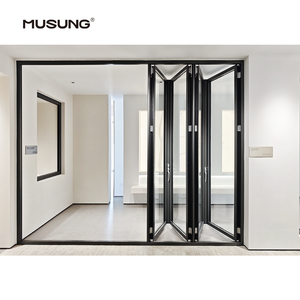
Balcony Accordion Bifold Door Design Exterior Aluminum Folding Patio Doors
Contact Us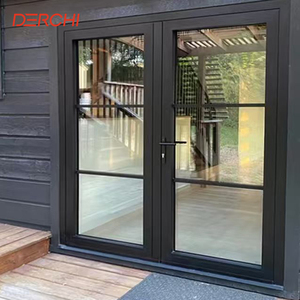
DERCHI NFRC Factory Wholesale Exterior Entry Crittal Door Design Tempered Glass Aluminum French Double Glass Swing Casement Door
Contact Us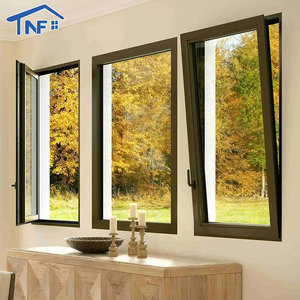
NFRC Certified Modern Aluminium Tilt and Turn Window with Mosquito Net Casement Windows for Houses
Contact Us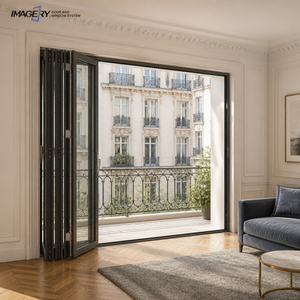
Luxury Bi-Fold Aluminum Folding Door Space Saving Wide Opening for Restaurant Storefront Terrace
Contact Us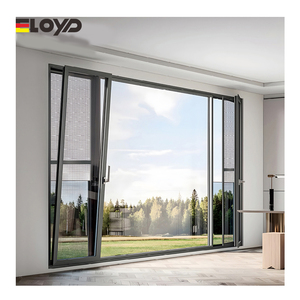
Eloyd Double Glazed Aluminum Tilt and Turn Window with Folding and Germany Hardware 10 Years Warranty Exterior
Contact Us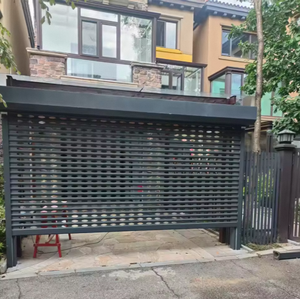
Aluminum Roller Shutter Door Automatic Rolling Door Automatic Perforated Aluminum Grille Roll Up Door
Contact Us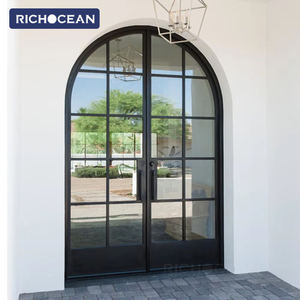
RICHOCEAN Customized Arched Aluminum Framed Swing Glass Door Crittall Style Entrance Metal French Doors for Homes
Contact Us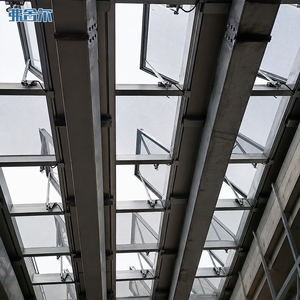
Aluminum Electric Automatic Skylight Roof Window Ceiling Skylight Dormer Windows for Roofs
Contact UsSelecting Top China Powder Coated Aluminium Sliding Window Manufacturers
An authoritative technical evaluation of thermal efficiency, powder coating durability, hardware ergonomics, and global compliance for architectural buyers.
The global demand for architectural-grade powder coated aluminium sliding windows has escalated significantly due to modern architectural emphasis on expansive glazing, daylight harvesting, and building envelope energy efficiency. As developers, facade consultants, and master builders source fenestration systems globally, China—and specifically the Foshan manufacturing hub in Guangdong—remains the premier center for custom extrusion, thermal break assembly, and precision surface finishing. However, specifying high-performance sliding window systems requires technical oversight across metallurgy, polymer chemistry, structural engineering, and weatherproofing design.
1. Metallurgy & Extrusion Standards: 6063-T5 vs. 6063-T6 Alloys
The structural integrity of a heavy-duty powder-coated sliding window depends fundamentally on the selection of raw aluminium alloy billets. Leading Chinese OEM manufacturers like KARON Window & Door Co., Ltd. utilize primary 6063-T5 or 6063-T6 architectural aluminium extrusions complying with GB/T 5237 and ASTM B221 standards.
- Alloy 6063-T5: Offers an optimal balance of structural strength, complex profile extrudability, and smooth surface finish required for flawless electrostatic powder deposition. Ultimate tensile strength exceeds 185 MPa with a yield strength of 145 MPa.
- Alloy 6063-T6: Artificially aged for enhanced hardness (Webster Hardness ≥ 12 HW), ideal for structural curtain wall sub-frames and high-rise, heavy wind-load sliding door and window sashes subject to cyclic wind pressure exceeding 3.0 kPa.
- Profile Wall Thickness: For compliance with Australian Standard AS2047 and North American AAMA specifications, structural frame wall thickness must maintain a minimum of 1.4 mm for window systems and 2.0 mm to 3.0 mm for heavy-duty lift-and-slide door profiles.
| Finish Technology | Resin System | Film Thickness | Salt Spray Resistance | Optimal Project Application |
|---|---|---|---|---|
| Standard Polyester Powder | TGIC / TGIC-Free Polyester | 60 – 80 microns | 1,000 Hours (ASTM B117) | Standard Residential, Inland Urban Developments |
| Qualicoat Class 2 Super Durable | Super Durable Polyester (SDR) | 60 – 80 microns | 2,000 Hours (ASTM B117) | High-UV Tropical Environments, Commercial Towers |
| PVDF Fluorocarbon (2-Coat) | 70% Kynar 500 / Hylar 5000 | 35 – 45 microns | 3,000+ Hours (ASTM B117) | Coastal Coastal Marine, Industrial & Extreme Environments |
| Electrostatic Anodizing | Oxide Layer Electrolytic Dip | 15 – 25 microns | 3,000+ Hours (CASS Test) | Minimalist Architectural Villas, High-Traffic Entrances |
2. Electrostatic Powder Coating & Surface Durability: Qualicoat Standards
Powder coating provides a protective barrier against oxidation, salt-spray degradation, atmospheric pollutants, and solar UV radiation. Top-tier China suppliers utilize automated horizontal and vertical electrostatic powder coating lines from leading brands like Gema (Switzerland) and Nordson (USA), utilizing premium thermosetting powders from AkzoNobel, Tiger Drylac, and PPG.
Quality assurance mandates strict adherence to the Qualicoat Specification (Class 1, Class 2, and Class 3) and AAMA 2604/2605 performance benchmarks:
- Pre-treatment Protocol: Chromate-free zirconium pre-treatment ensures environmental compliance while establishing a micro-etched layer for polymer adhesion. Chemical cleaning involves multi-stage alkaline degreasing, acid etching, and deionized water rinsing.
- Curing & Adhesion Testing: Profiles undergo precise thermal curing at 180°C–200°C. Standard factory quality control includes Cross-Hatch Adhesion Tests (ISO 2409 / ASTM D3359), Impact Resistance (Direct/Reverse 160 inch-pounds), and Mandrel Bend Flexibility testing to prevent micro-cracking during hardware assembly.
Procurement Insight: Thermal Break Technology Matters
When sourcing powder-coated sliding windows for climate-controlled buildings, insist on structural Polyamide PA66-GF25 thermal barrier strips (25% glass fiber reinforced). Avoid low-cost PVC thermal strips, which exhibit mismatched thermal expansion coefficients relative to aluminium, leading to frame warping, seal degradation, and air infiltration over time.
3. Weatherproofing Engineering: Water Tightness & Acoustic Performance
Sliding window mechanics traditionally present sealing challenges along vertical sills and interlocking stiles. Premium Chinese manufacturers solve these issues through engineered sealing architecture:
- EPDM Gasket Integration: Continuous ternary ethylene-propylene-diene monomer (EPDM) synthetic rubber seals maintain elasticity across extreme thermal ranges (-40°C to +120°C).
- Multi-Chamber Track Drainage: Hidden downward pressure-equalized drainage slots prevent rainwater back-up during severe storms (certified to 600 Pa water penetration resistance).
- Acoustic Double & Triple Glazing: Dual-sealed insulated glass units (IGU) incorporating 6mm Low-E + 12Ar + 6mm Toughened Glass deliver sound transmission class (STC) ratings above 38 dB, reducing urban ambient noise effectively.
Why Sourcing from KARON Guarantees Project Success
Combining Foshan's deep industrial chain with ISO 9001 standardized quality control for global architectural projects.
Integrated Solution from Shop Drawings to On-Site Installation
How KARON streamlines global procurement for contractors, developers, and real estate groups.
Custom Engineering & BIM Support
Our in-house design team converts architectural elevation plans into precise shop drawings, CAD section profiles, and BIM models tailored to specific wind-load calculations and energy codes.
International Certification Compliance
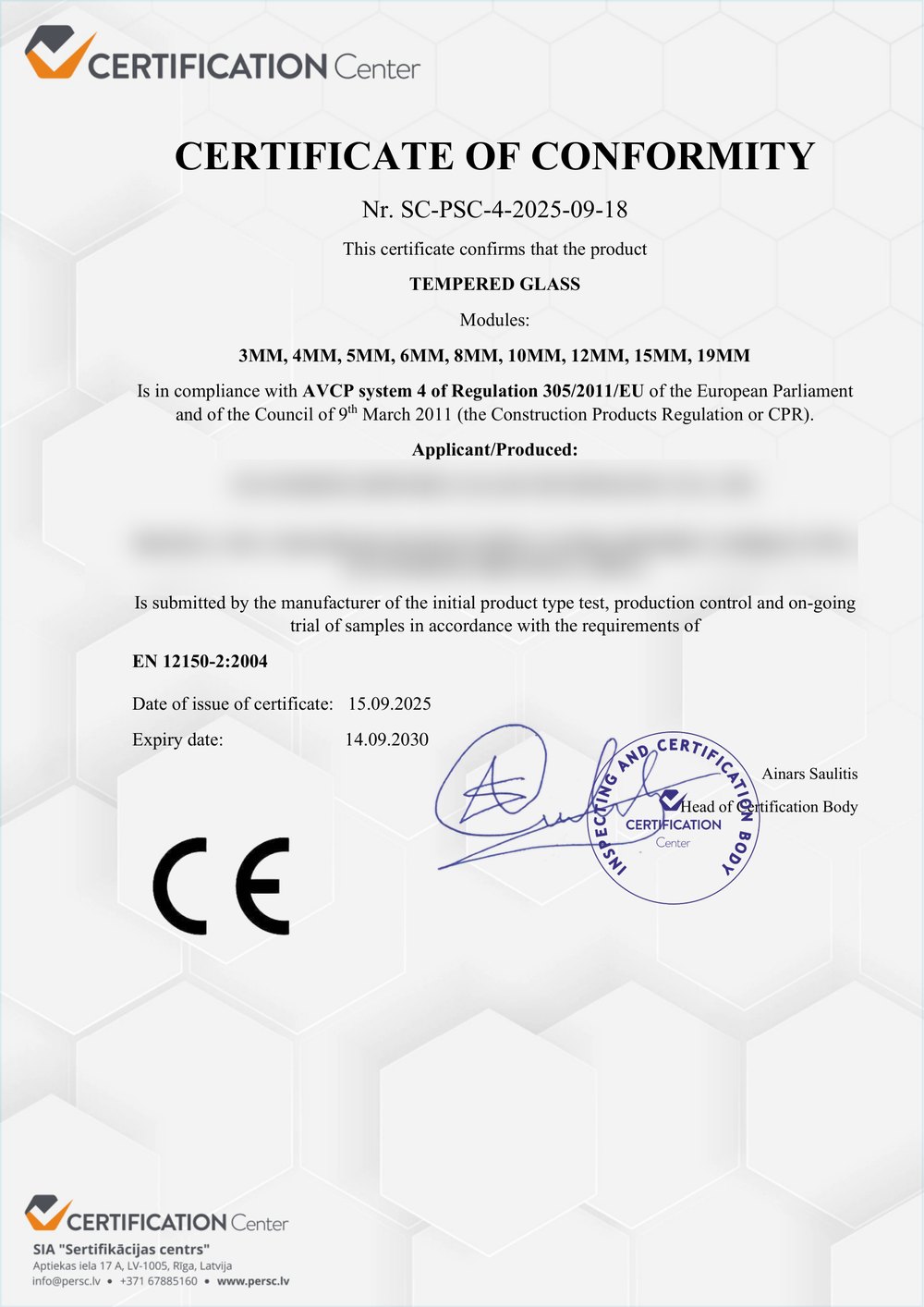
Products hold active test certificates including CE (EN 12150), US SGCC safety glazing standards, Australia AS2208/AS2047, New Zealand PAS-Mark, Thailand TISI, and Malaysia CIDB credentials.
Whole-House System Alignment
Achieve unified powder-coating color matches across sliding windows, casements, bi-fold patio doors, sunroom glass structures, frameless balustrades, and shower enclosures under one factory order.
Future Sourcing & Tech Trends in Aluminium Fenestration
Anticipating structural design shifts, energy regulations, and smart building integration.
1. Minimalist Ultra-Narrow Sightlines
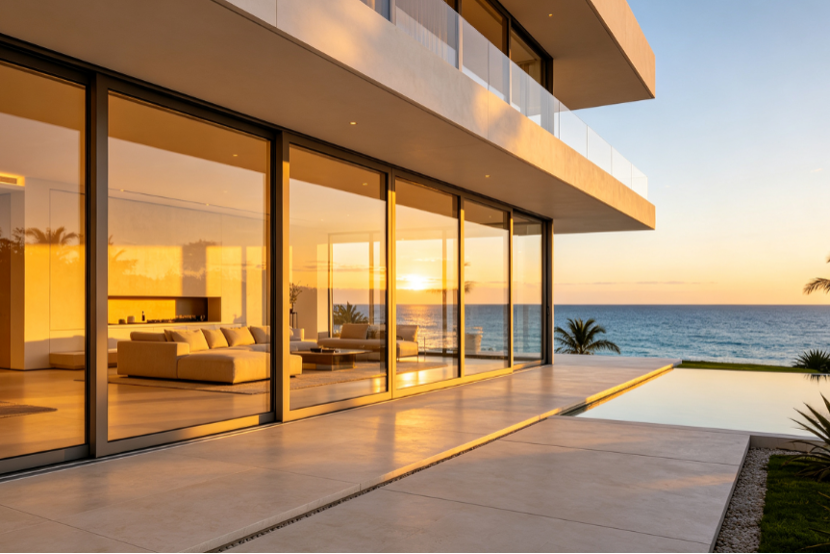
Architectural aesthetic preferences are shifting towards minimal frame visibility. Next-generation powder-coated sliding windows feature concealed outer frames embedded within wall reveals, paired with vertical interlock stiles as narrow as 16mm to 25mm. These systems utilize structurally bonded silicone glass engineering to maintain load-bearing resistance while maximizing unobstructed panoramic views.
Suppliers are also integrating flush track sills with hidden drainage channels to provide seamless barrier-free transitions between interior living quarters and exterior terraces.
2. Smart Automation & Solar Integration
Modern commercial and high-end residential fenestration incorporates smart motorized drive systems. Concealed magnetic linear motors allow sliding window panels weighing up to 400kg to operate smoothly via wall switches, smartphone applications, or building management systems (BMS).
Additionally, forward-looking developers are specifying Electrochromic (Smart Tinting) Glass and micro-BIPV (Building-Integrated Photovoltaics) skylights to automatically adjust solar heat gain coefficient (SHGC) values dynamically based on sunshine intensity, drastically reducing HVAC power consumption.
Frequently Asked Questions for Overseas Procurement
Direct technical responses addressing common procurement, quality compliance, and logistical inquiries.
Where is the KARON factory located and what does it manufacture?
Which international safety and quality certifications do KARON products carry?
Can windows and doors be fully engineered to customized architectural shop drawings?
What is the functional difference between Thermal Break and Non-Thermal Break aluminium profiles?
What powder coating warranty and corrosion resistance standards are provided?
How does KARON ensure product quality and safe ocean freight shipping?
Ready to Engineer Your Project's Fenestration Package?
Send your architectural elevation drawings or window schedule directly to our engineering team for an exact structural calculation, thermal evaluation, and factory-direct quotation within 24 hours.
Contact Us