Featured Architectural Aluminium Sliding & Folding Systems
Engineered for seamless indoor-outdoor transition, exceptional thermal performance, and high wind-load resistance.
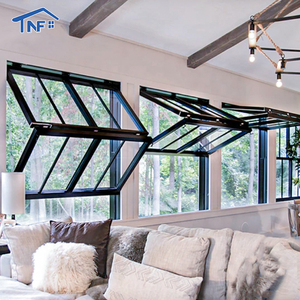
Aluminum Fold Up Kitchen Bar Vertical Bifold Window System
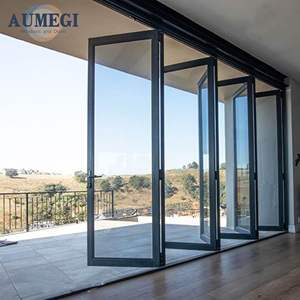
Australian Standard Bi-Fold Patio Sliding & Vertical Folding Door
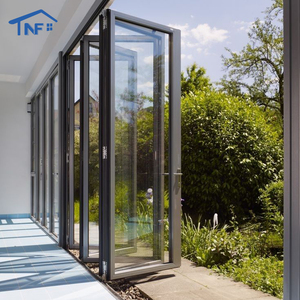
NFRC Waterproof Thermal Break Accordion Stacking Bifold Door
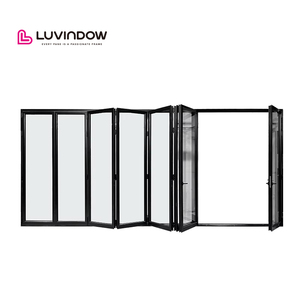
Heavy-Duty Australia Standard Commercial Bi-Fold Window & Door
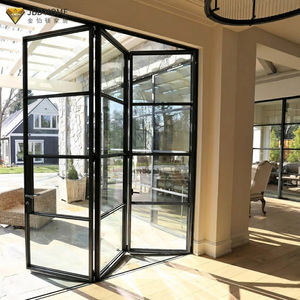
Heat Insulation Moisture-Resistant Exterior Glazed Bifold System
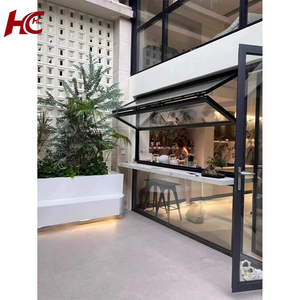
Modern Slim Profile Kitchen Vertical Folding Countertop Window
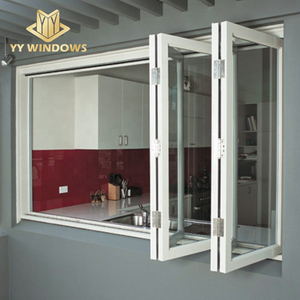
Double Glazed High Performance Aluminium Sliding Folding Window
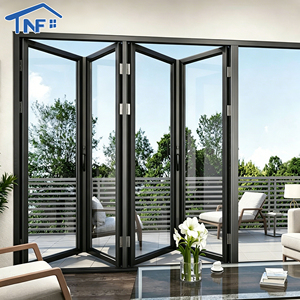
Tempered Safety Glass Weatherproof Patio Accordion Window System
Foshan Manufacturing Powerhouse for Global Fenestration
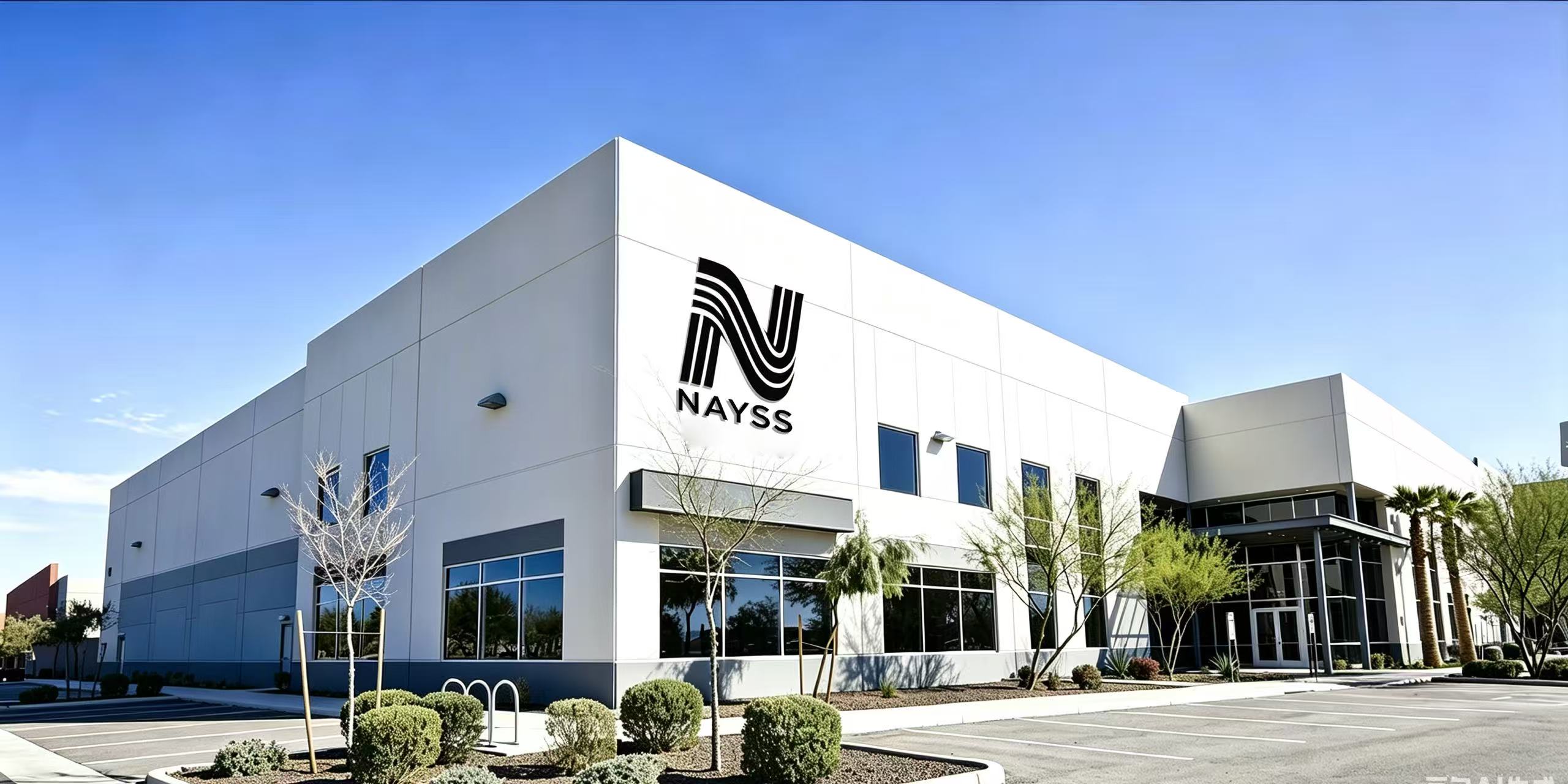
Operating from Songxia Industrial Park in Nanhai District, Foshan—the world’s premiere hub for architectural aluminium extrusion—Karon Window & Door Co., Ltd. stands as a premier OEM/ODM manufacturer specializing in high-end structural aluminium window and door systems.
Our 10,000 square-meter production complex integrates computerized high-precision extrusion tooling, automated CNC cutting lines, multi-point corner crimping machinery, and specialized insulated glazing assembly workshops. We bridge the gap between complex architectural design and precise structural engineering.
- Architectural Profile Alloys: High-density 6063-T5 / T6 structural aluminium with wall thicknesses ranging from 1.4mm to 3.0mm.
- Advanced Thermal Barriers: German-engineered PA66-GF25 polyamide thermal break strips ensuring exceptional U-values and thermal insulation.
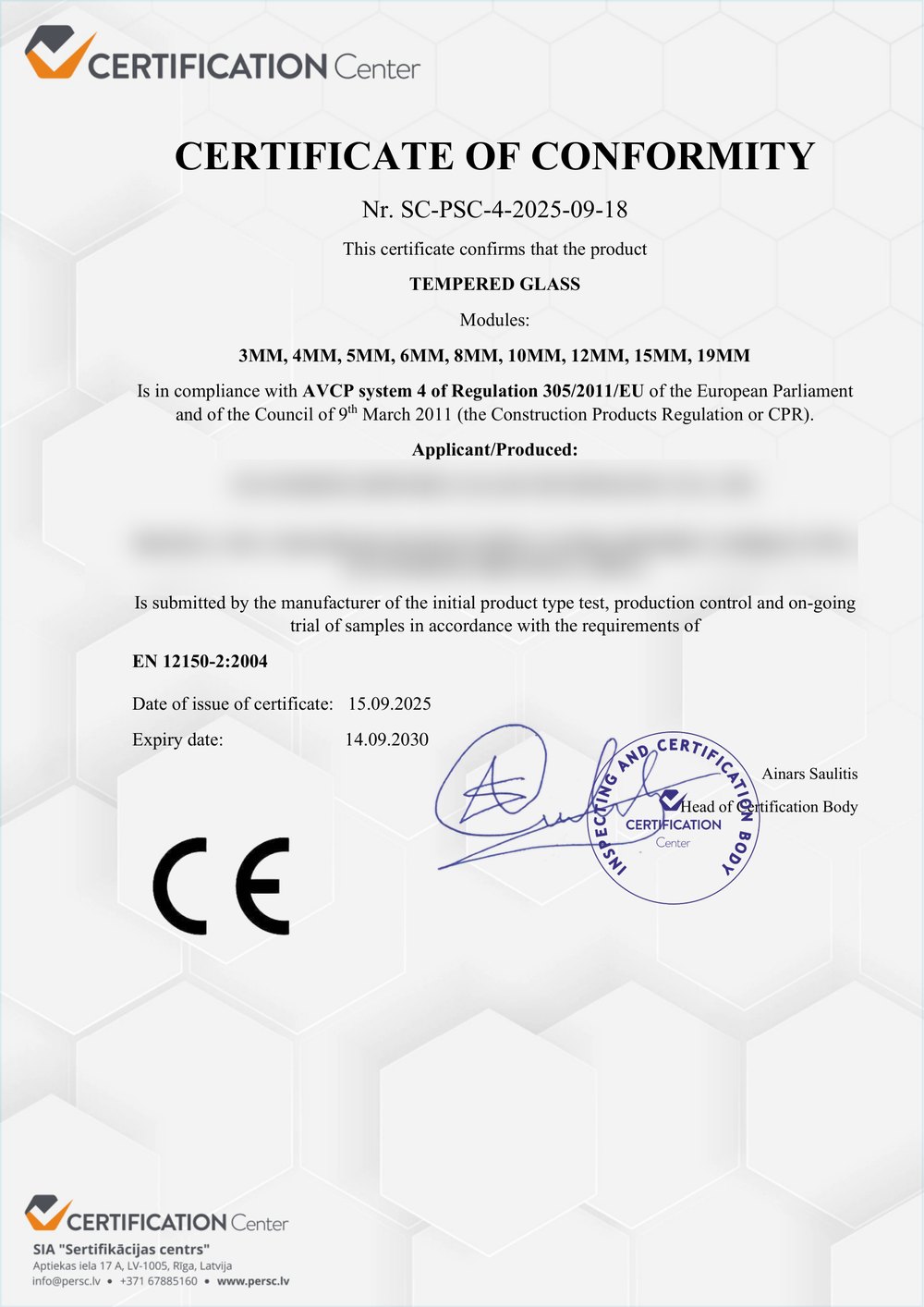
- International Certification: Validated compliance including European CE (EN 12150), American SGCC, Australian AS 2208, New Zealand AS/NZS 2208, and Thai TISI marks.
- End-to-End Quality Management: Operates strictly under ISO 9001 quality frameworks with rigorous air-permeability, water-tightness, and wind-pressure resistance testing.
Architectural Engineering Standards for Aluminium Sliding Folding Windows
Aluminium sliding folding windows (also designated as bi-fold, accordion, or vertical fold-up window systems) represent an advanced architectural glazing classification. Unlike traditional horizontal sliding or outward casement units, bi-folding mechanisms allow 90% to 95% total clear opening capability, turning exterior walls into unobstructed vistas while maintaining strict envelope integrity when closed.
When sourcing custom fenestration products from Chinese manufacturers, project managers, façade engineers, and real estate developers must evaluate critical performance metrics to ensure structural longevity and energy code compliance.
Alloy & Wall Thickness Specs
Structural reliability requires primary-grade 6063-T5 or T6 aluminium extrusions. For heavy-duty exterior bi-fold systems carrying multi-pane insulated glass units (IGU), wall thicknesses must meet or exceed 1.8mm to 2.2mm to prevent profile deflection under dynamic wind loads.
Polyamide Thermal Barriers
Modern green building standards mandate thermal break technology. By interposing PA66-GF25 (25% fiberglass reinforced polyamide) thermal strips between inner and outer extruded frames, thermal bridging is interrupted, drastically reducing heat transfer coefficient values ($U$-factors).
Hardware & Bearing Systems
Bi-fold performance hinges on hardware. Premium installations utilize stainless steel (SUS304/SUS316) heavy-duty top-hung tracks or bottom-bearing rollers rated for 300kg+ per sash load capacities, alongside multi-point locking gear for anti-burglary defense.
System Performance Matrix: Folding Windows vs. Alternative Operating Types
To assist specifiers during project procurement planning, the following technical comparison matrix outlines operational parameters across modern aluminum window typologies:
| Operating Typology | Max Opening Ratio | Air/Water Tightness Rating | Thermal Transmittance ($U$-value Range) | Structural Load Capability | Optimal Application Scenarios |
|---|---|---|---|---|---|
| Horizontal Folding Window | 90% – 95% | Class 4 Air / 450Pa Water | 1.4 – 2.0 W/m²K (Thermal Break) | High (Up to 3000mm Height) | Patio counters, villa balconies, resort lounges |
| Vertical Fold-Up (Gas-Strut/Motorized) | 85% – 90% | Class 3 Air / 350Pa Water | 1.6 – 2.2 W/m²K | Medium-High (Motorized) | Kitchen pass-through bars, cafes, commercial storefronts |
| Heavy-Duty Sliding Window | 50% – 66% | Class 3 Air / 300Pa Water | 1.8 – 2.4 W/m²K | Very High (Large Glass Panes) | High-rise residential apartments, tight space openings |
| Side-Hinged Casement Window | 80% – 100% | Class 4 Air / 700Pa Water+ | 1.0 – 1.6 W/m²K | Extreme Wind Resistance | Coastal villas, hurricane-prone high-exposure zones |
Future Global Procurement Trends in Aluminium Glazing Systems
As international energy codes tighten and architectural design aesthetics lean toward maximalist glass surface areas with minimal framing sightlines, the Chinese fenestration export market is experiencing a rapid technological evolution. Global buyers should align their purchasing strategies with four major industry trends:
1. Automated & Smart Home Integration
Motorized vertical bi-folding and horizontal sliding folding windows are rapidly replacing manually operated hardware in luxury villa developments. Integration with Zigbee, RS485, and smart home automation platforms enables automated rain-sensing closure, smartphone app control, and scheduled ventilation routines.
2. Ultra-Narrow Sightlines (Minimalist Architectural Frames)
Architects are increasingly demanding slim-frame profiles where vertical stile widths are reduced down to 20mm – 35mm. By concealing structural aluminium frames within wall pockets and utilizing structural silicone bonding technology, visible glass surface ratios exceed 92%.
3. Extreme Weather & Hurricane Impact Ratings
Export orders bound for Florida (USA), the Caribbean, Australia (cyclone zones), and Coastal Southeast Asia now routinely demand SGP (SentryGlas® Interlayer) laminated safety glass combined with multi-point locking systems capable of enduring impact loads up to 5000 Pascals.
4. Carbon Neutrality & Recyclable Materials (ESG Compliance)
European and North American real estate developers are demanding Environmental Product Declarations (EPDs). Primary aluminium suppliers in China are transitioning toward low-carbon hydropower-melted aluminium ingots and non-toxic AAMA 2605 fluorocarbon (PVDF) surface coatings.
Frequently Asked Questions for Overseas Buyers
Essential guidance on custom fabrication, export logistics, glass standards, and technical specifications.
Where is the KARON factory located and what are your main manufacturing capabilities?
Karon Window & Door Co., Ltd. operates a 10,000 m² standardized industrial production complex in Songxia Industrial Park, Nanhai District, Foshan City, Guangdong Province, China. Foshan is the world’s leading hub for aluminium extrusion and building materials. We specialize in custom thermal break aluminium windows, sliding/folding patio doors, architectural sunrooms, frameless glass balustrades, and structural curtain wall systems for high-end residential, hotel, and commercial construction projects worldwide.
Which international building codes and product certifications do your products comply with?
Our products are engineered to comply with strict regional testing benchmarks. Our certification portfolio includes:
- Europe: CE Certification under EN 12150 safety glazing standards.
- United States: SGCC (Safety Glazing Certification Council) and NFRC thermal performance compliance.
- Australia & New Zealand: AS 2208 and AS/NZS 2208 StandardsMark for single pane and laminated safety glass.
- Southeast Asia: Thailand TISI (TISI 965-2560 & 1231-2560) and Malaysia CIDB PPS certification (Certification No. 2-03250048/49).
- Quality Systems: Factory operations run under ISO 9001 certified quality management protocols.
Can you fabricate windows and bi-fold doors based strictly on our architectural CAD/BIM shop drawings?
Yes, 100% of our production runs are tailored to project-specific window schedules and architect CAD/DWG drawings. Our team of senior façade engineers reviews structural opening dimensions, wind pressure requirements, preferred glass build-ups (e.g., 6mm Low-E + 12Ar + 6mm Toughened), hardware brands (Roto, Siegenia, Hoppe, CMECH), and custom RAL powder-coat or wood-grain anodized finishes before issuing formal factory fabrication shop drawings for client approval.
What is the engineering difference between thermal break and non-thermal break aluminium profiles?
Thermal break aluminium profiles feature a structural polyamide insulation bar (PA66-GF25) inserted between the interior and exterior aluminium chambers. This bar breaks the thermal bridge, preventing heat gained from solar radiation from entering air-conditioned spaces in hot climates, or interior heat escaping in cold climates. Non-thermal break profiles lack this polyamide barrier; they are structurally robust and cost-effective for mild climate zones, interior partitions, or budget-sensitive non-conditioned spaces.
How do you ensure water-tightness and weatherproofing in large sliding folding window systems?
Folding window systems require rigorous sealing engineering due to multi-sash vertical joints. We utilize continuous multi-channel EPDM (Ethylene Propylene Diene Monomer) gasket seals combined with dual vulcanized corner joints. Bottom track profiles incorporate concealed drainage channels equipped with anti-backflow gravity flap valves, ensuring water pressure up to 450 Pascals is safely drained externally without interior leakage.
What is your typical production lead time and how are products packaged for ocean freight?
Standard fabrication lead times range from 25 to 35 calendar days following shop drawing confirmation and deposit receipt. For export packaging, we utilize heavy-duty export-grade plywood crates with protective foam wrap, edge corner guards, and vacuum-sealed plastic shrink wrap. Windows are loaded with air-bag cushioning inside sea containers to eliminate movement and breakage risk during maritime transport.
How do I initiate a project quotation or request sample hardware profiles?
To request a factory-direct wholesale quotation or engineering consultation, simply submit your project window schedules, CAD elevations, or opening dimensions to our sales engineering department via email or click our live chat button. We provide comprehensive BOQ (Bill of Quantities) estimates, thermal calculation reports, and corner profile samples for physical evaluation.
Transform Your Architectural Vision Into Reality
Partner with China’s premier engineering manufacturer of custom aluminium sliding folding window systems. Get expert technical consultation, CAD drawing verification, and factory-direct pricing for your project.
Contact Us