Featured Products
Engineered Aluminium Door & Window Systems
Precision-extruded, weather-sealed, and structural architectural systems manufactured in Foshan, China for global construction standards.
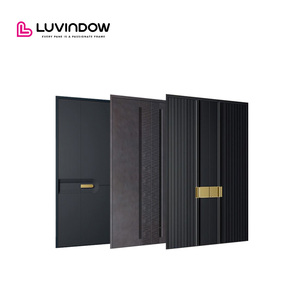
Luxury Custom Aluminum Single Door LA Home Replacement Customizable Size
Get a Quote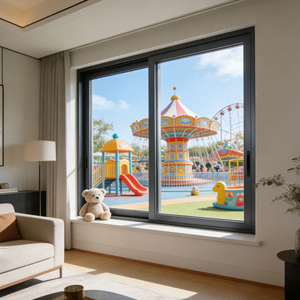
Modern Home Aluminium Sliding Window Low-E Insulated Glass Custom Made for Villa Patio Sunroom Exterior Remodel Project
Get a Quote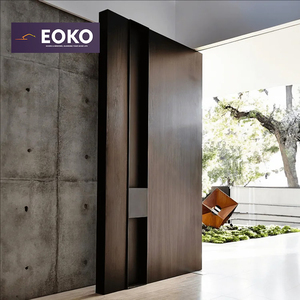
EOKO Custom Wooden Grain Front Entry Main Security Aluminum Decorous Exterior Pivot Door For America House Entrance Doors
Get a Quote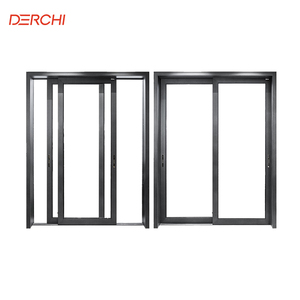
DERCHI Modern Laminated Glass windows Narrow Slim Frame Sliding Aluminum Door Modern Home Modern Doors for Houses Interior
Get a Quote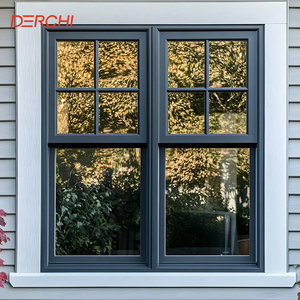
High Security Custom Design Slide up American NFRC Certification SoundProof Double Single Hung Windows
Get a Quote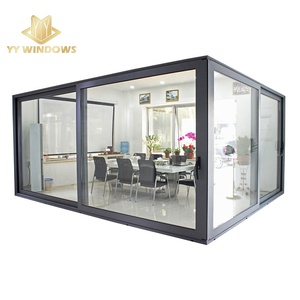
American Hurricane Windows Impact Door NFRC NOA Florida Code Aluminium Corner Lift and Slide Doors for Office
Get a Quote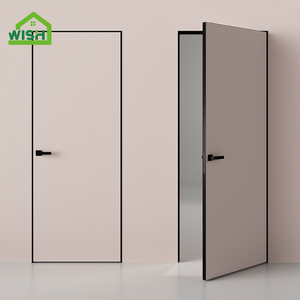
Frameless Invisible Door Aluminum Honeycomb Wooden Interior Soundproof Flush Door Modern Minimalist Custom Size
Get a Quote15+
Years Architectural Aluminium Expertise
10,000㎡
Standardized Production Plant (Foshan)
6+
Global Certifications (CE, SGCC, AS2208, TISI)
100%
Full-Process Quality Control Checkpoints
Industry White Paper
1. Executive Summary: The Structural Evolution of Aluminium Stable Doors in Modern Architecture
Aluminium stable doors—historically referred to as Dutch doors or split entry doors—have undergone a radical architectural renaissance. Once restricted to traditional agricultural outbuildings and rustic timber cottages, modern architectural aluminium stable doors represent a high-performance fenestration system designed for high-end residential villas, coastal equestrian estates, luxury hospitality resorts, and multi-family construction projects.
By leveraging high-tensile 6063-T5 profile extrusions, thermal break polyamide bridges (PA66-GF25), multi-point lock interlocks, and tempered low-emissivity safety glass build-ups, leading Chinese OEM/ODM exporters have re-engineered the classic split-sash door into an airtight, hurricane-resistant, and thermally isolated envelope asset. This white paper serves as an authoritative procurement guide for international developers, facade consultants, commercial contractors, and architectural importers searching for top-tier manufacturing partners in China.
Information Gain Insight: Unlike standard single-sash entry doors, a modern heavy-duty aluminium stable door requires independent upper and lower leaf structural integrity. The primary engineering challenge lies in perimeter weather-stripping at the horizontal split interface, where dynamic wind-driven rain penetration must be countered using continuous multi-channel EPDM gaskets and interlocking drop-down seals.
2. Engineering Benchmark: Aluminium vs. Timber & Steel Stable Doors
When specifying split doors for international projects, procurement directors must evaluate life-cycle costing, thermal performance, structural load tolerances, and atmospheric corrosion resistance. Below is a data-driven technical matrix comparing extruded aluminium systems against conventional materials.
| Performance Metric | Architectural Aluminium (6063-T5) | Solid Hardwood (Oak / Teak) | Galvanized Steel / Iron |
|---|---|---|---|
| Structural Tensile Strength | 200 – 240 MPa (High strength-to-weight ratio) | 40 – 70 MPa (Subject to grain warping) | 350 – 550 MPa (Heavy operational mass) |
| Weathering & Moisture Resistance | Immune to rot, rust, swelling, and termite attack | High risk of swelling, cracking, and decay | Prone to rust if zinc/paint coating is compromised |
| Thermal Insulation (U-Factor) | U ≤ 1.6 W/m²K (With PA66-GF25 Thermal Break) | U ≈ 1.8 – 2.4 W/m²K (Natural insulator) | U ≥ 3.5 W/m²K (Poor without insulated core) |
| Surface Finish Longevity | 20–30 Years (PVDF / Qualicoat Powder Coating) | 3–5 Years (Requires frequent re-staining) | 5–10 Years (Prone to chipping & oxidation) |
| Hardware Cycle Life | Tested to 100,000+ opening cycles | Sagging over time due to screw pull-out | Requires heavy-duty welded barrel hinges |
3. Key Technological Innovations in China's Leading Door Factories
China's top aluminium door manufacturing hubs—concentrated in Songxia Industrial Park, Nanhai District, Foshan, Guangdong—have transitioned from labor-intensive assembly lines to fully automated, CNC-driven Smart Industry 4.0 plants. Leading exporters like Karon Window & Door Co., Ltd. integrate advanced engineering protocols into every split-sash assembly:
Precision CNC Corner Crimping
Frame and sash joints are reinforced with cast aluminium corner cleats, injected with two-component polyurethane corner adhesive (German Weiss glue technology), guaranteeing structural rigidity and zero corner seam water leakage under extreme wind pressure.
Polyamide Thermal Barriers
Extrusions incorporate 24mm to 34mm PA66-GF25 (25% glass fiber reinforced polyamide) thermal break strips, creating an isolated barrier between exterior cold/heat and interior climate systems, drastically reducing HVAC energy loss.
Multi-Point Interlocking Security
Equipped with dual-sash synchronized locking gear, concealed shoot-bolts, and anti-lift pin systems supplied by European tier-1 hardware partners (G-U, Siegenia, Hoppe, Roto) or heavy-duty proprietary precision hardware.
4. Global Sourcing & Procurement Trends (2025–2030)
The global demand for custom architectural aluminium doors is accelerating, driven by strict building performance mandates, hurricane mitigation requirements, and modern minimal-frame aesthetic preferences. Buyers must position their supply chains to capture key emerging market trends:
A. Integration of Smart Electric & Biometric Access Controls
Modern stable entry doors are no longer purely mechanical. Top Chinese exporters now integrate motorized drop-bolts, hidden electric strikes, RFID keyless modules, and fingerprint/facial recognition sensors compatible with Tuya, Matter, and Apple HomeKit protocols directly into the door frame channel during factory fabrication.
B. Extreme Weather & Coastal Marine Coatings
For coastal villa projects in regions like Florida, the Caribbean, Southeast Asia, and Australia, standard anodizing is insufficient. Leading factories utilize Fluorocarbon (PVDF) 3-coat spraying and Qualicoat Class 2 / Class 3 powder coatings that withstand 3,000+ hours of continuous salt-spray testing without chalking or fading.
C. High Impact Glazing & Certification Compliance
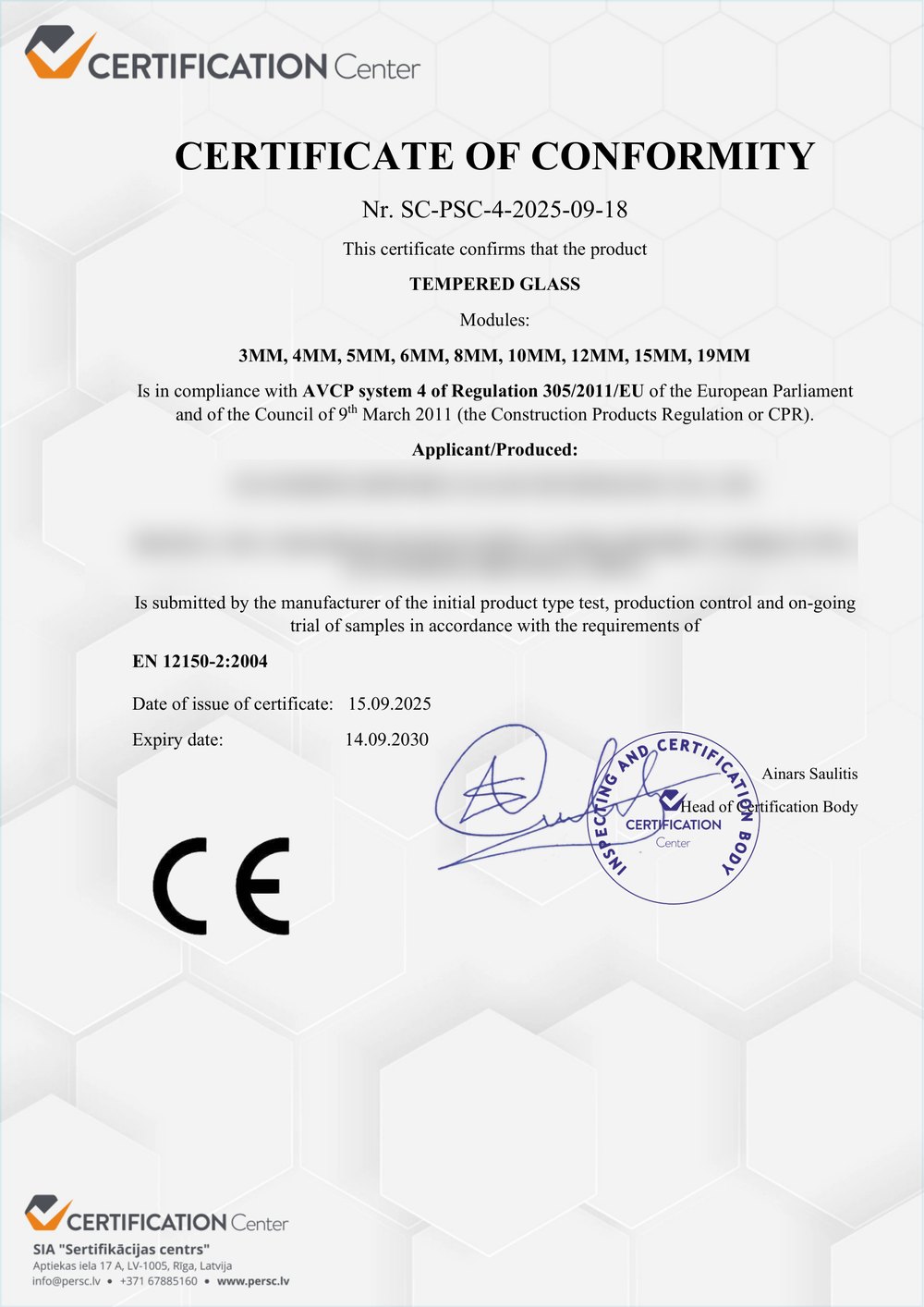
Global building codes demand rigid glass safety certification. Top suppliers ship stable doors fitted with SGCC (US Safety Glazing Certification Council), AS/NZS 2208 (Australia/New Zealand), and CE EN 12150 certified double or triple insulated glass units (IGUs) incorporating laminated Low-E argon-filled specs.
5. Corporate Advantage: Why Source from Foshan's Premier Manufacturers?
With over 15 years of deep industry specialization, Karon Window & Door Co., Ltd. exemplifies the industrial capabilities of Foshan’s top-tier fenestration ecosystem. Operating a 10,000 m² standardized manufacturing facility, KARON delivers project-grade aluminium windows, doors, sunrooms, glass railings, and shower enclosures engineered precisely to architectural shop drawings.
- Direct Drawing Engineering: Dedicated technical engineers transform architectural BIM/CAD drawings into precise production shop drawings, confirming opening dimensions, glass build-ups, structural wind loads, and finish colors prior to cutting.
- Rigorous 100% Full-Process Inspection: Quality assurance spans raw profile wall-thickness checking, hardware cycle testing, water-tightness chamber testing, glass seal verification, and multi-layer protective packaging before container loading.
- International Certification Portfolio: Products carry fully verifiable certifications including CE (EN 12150), US SGCC, Australia AS 2208, New Zealand AS/NZS 2208, Thailand TISI 965-2560 & 1231-2560, and Malaysia CIDB PPS.
- Proven Global Track Record: Supplied flagship commercial and luxury residential landmarks worldwide, including the 672-unit Kora Beach Resort Phuket, Texas Residence USA, Azure Blue Residence Greece, Les Jardins de la Mer France, and Vinhomes Ocean Park Vietnam.
Procurement FAQ
6. Frequently Asked Questions for International B2B Buyers
Key answers to technical, logistical, and commercial inquiries when procuring aluminium stable doors and custom architectural windows from China.
Where is the KARON factory located and what are its core manufacturing specialties?
Karon Window & Door Co., Ltd. operates a 10,000 m² standardized plant in Songxia Industrial Park, Nanhai District, Foshan, Guangdong, China—the central hub of global architectural aluminium extrusion. We specialize in custom thermal break aluminium windows (casement, sliding, tilt-and-turn, single/double hung), exterior/entry doors (stable doors, lift-and-slide, slim-frame sliding, folding, armored entry doors), sunrooms, frameless glass balustrades, and custom shower enclosures.
How do aluminium stable doors ensure weather-tightness at the middle split horizontal joint?
Our engineering team incorporates a dual-interlocking EPDM rubber gasket system combined with an overlapping aluminum drip-cap flange and concealed internal drainage channels. When both the upper and lower sashes are latched together, the compression lock forces the dual gaskets into an airtight seal, successfully resisting wind-driven rain penetration up to high wind-load ratings.
Which international safety and glass certifications do your products carry?
Our fenestration products and safety glass hold extensive third-party certifications including European CE (EN 12150), US SGCC (Safety Glazing Certification Council), Australia AS 2208 StandardsMark, New Zealand AS/NZS 2208 PAS-Mark (for single pane and laminated glass), Thailand TISI 965-2560 & 1231-2560, and Malaysia CIDB PPS certification. Production operates strictly under an ISO 9001 certified Quality Management System.
Can you fabricate custom doors and windows directly from our project CAD/BIM architectural drawings?
Yes. Over 95% of our production is fully customized. We work directly from your architectural schedules, elevation drawings, and performance specs. Our engineering department generates detailed 2D/3D shop drawings detailing profile cross-sections, thermal break locations, hardware placements, and glass build-ups for formal client sign-off before manufacturing begins.
What is the technical difference between thermal break and non-thermal break aluminium profiles?
Thermal break profiles insert an insulating structural polyamide bar (PA66-GF25) between the interior and exterior aluminum profile extrusions. This breaks the conductive thermal bridge, drastically reducing heat transfer, condensation, and energy consumption in HVAC-conditioned spaces. Non-thermal break profiles lack this strip and are ideal for mild tropical climates, internal interior dividers, or budget-focused non-conditioned buildings.
How are heavy doors and glass units packaged to prevent damage during sea freight container shipping?
Every unit undergoes a multi-layer protective packaging process: 1) Protective PE film on aluminum surfaces; 2) Foam corner caps on all four sash/frame corners; 3) Heavy-duty corrugated cardboard wrapping; 4) Fumigated fully enclosed plywood crates or steel A-frame racks with rubber cushioning strips, optimized for forklift loading and safe ocean container transit.
Ready to Request Engineering Shop Drawings & Project Pricing?
Send your architectural schedules, CAD drawings, or project opening dimensions to our engineering team. We provide rapid turn-around quotes, thermal calculations, and custom extrusion recommendations.
Get a Quote