Engineered Aluminum Kitchen Windows & Doors
Precision-fabricated thermal break profiles, specialized glazing builds, and heavy-duty hardware systems engineered for modern culinary environments and commercial projects.
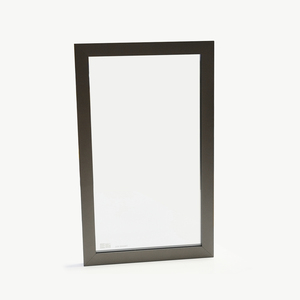
Italy Brand Aluminum Frame System for Kitchen & Bathroom
Architectural-grade slim profile aluminum framing tailored for high-humidity, grease-prone kitchen partitions and modular cabinet Integration.
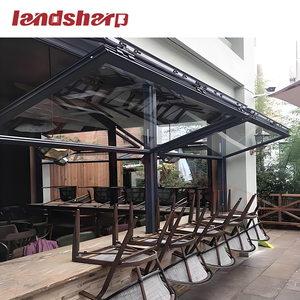
Landsharp Double Glazed Accordion Folding Kitchen Window
Hurricane-rated bi-fold glass window setup with dual-sealed weatherstripping designed for seamless kitchen counter-to-balcony serving transitions.
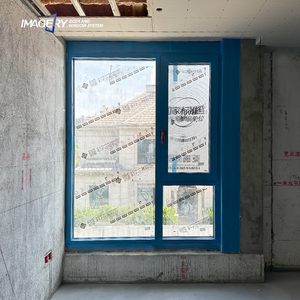
Modern Triple Glass Horizontal Casement Window for Villa Kitchen
High-thermal-performance triple-pane tempered glass window featuring stainless steel friction hinges and multi-point security locking pins.
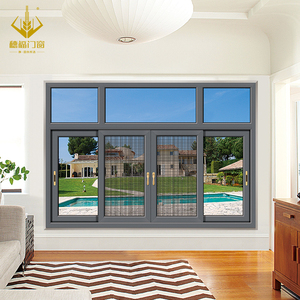
Soundproof Energy Star Double Glazed Horizontal Sliding Window
Precision smooth-gliding aluminum tracks designed for space-saving kitchen counters, offering acoustic reduction and thermal insulation.
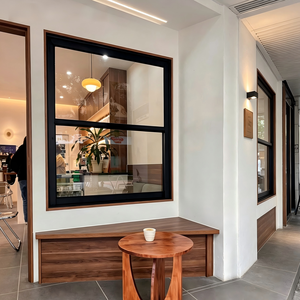
Factory Direct Double Glazed Single Hung Aluminum Kitchen Window
North American style vertical sliding sash engineered with heavy-duty counterbalances for controlled micro-ventilation during kitchen cooking.
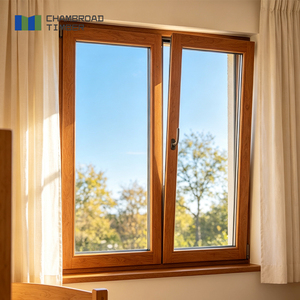
Wood-Aluminum Composite Triple Glazed Kitchen Window System
Premium German-engineered concealed tilt-and-turn hardware combining interior natural wood aesthetics with exterior aluminum weather resistance.
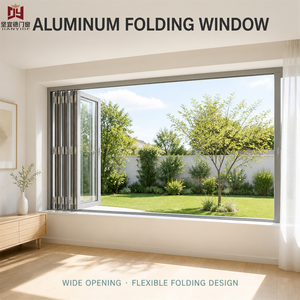
Custom Size Horizontal Folding Window for Kitchen-Patio Pass-Through
Heavy-duty bottom roller bi-fold system allowing full 100% clear opening, transforming residential kitchens into open-air dining bars.
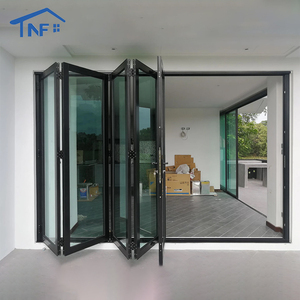
Thermal Insulation Bi-Fold Glass Kitchen Door & Window System
CE-certified glass wall profile equipped with fiberglass-reinforced thermal breaks for high-end resort suites, villas, and restaurant kitchens.
Strategic Sourcing Guide: Navigating the China Aluminum Kitchen Window Supply Chain
Architectural specification of fenestration systems within modern culinary environments requires a rigorous engineering balance between thermal performance, grease resistance, structural wind-load capability, and acoustic isolation. As the premier global manufacturing hub, the Foshan industrial cluster in Guangdong, China, supplies over 60% of the world's commercial and residential architectural aluminum profiles. Selecting qualified China aluminum kitchen window suppliers demands an in-depth understanding of material metallurgy, profile extrusion tolerances, surface treatment longevity, and international building code compliance.
Kitchen windows serve as a critical envelope boundary that faces unique indoor micro-climates characterized by rapid temperature swings, airborne oil vapors, high relative humidity, and aggressive residual chemicals from cleaning agents. Consequently, standardized residential window profiles frequently experience seal degradation, hardware corrosion, and thermal bridging when deployed in heavy-use kitchens. Leading Chinese exporters mitigate these failure modes through advanced engineering—utilizing 6063-T5/T6 architectural aluminum alloys, PA66GF25 polyamide thermal barriers, electrostatically applied Fluorocarbon (PVDF) finishes, and multi-point EPDM gasket sealing systems.
6063-T5/T6 Alloy Rigidity
High tensile strength aluminum extrusions ensuring zero structural deflection under extreme wind loads and continuous sash operation.
Thermal Break Technology
Precision-inserted PA66 nylon insulating strips reducing U-factors down to 0.24 BTU/h·ft²·°F, cutting HVAC operational energy costs.
PVDF Anti-Grease Surface
Triple-coat fluorocarbon coatings providing exceptional resistance against oil accumulation, UV degradation, and chemical abrasion.
Technical Benchmark Comparison Matrix
When evaluating potential manufacturers, architectural procurement specialists must evaluate structural and thermal metrics against target destination building codes (e.g., US NFRC, European EN Standards, Australian AS2047):
| Performance Indicator | Standard Non-Thermal Aluminum | Standard PVC / Vinyl | KARON High-Spec Thermal Break Aluminum |
|---|---|---|---|
| Thermal Transmittance (U-Value) | 5.0 - 6.2 W/m²K | 1.8 - 2.4 W/m²K | 1.1 - 1.6 W/m²K (Low-E Argon) |
| Profile Tensile Strength (Yield) | ≥ 110 MPa | ≥ 40 MPa | ≥ 230 MPa (6063-T6) |
| Acoustic Rating (STC / Sound Cut) | 22 - 26 dB | 28 - 32 dB | 38 - 45 dB (Laminated Triple Glaze) |
| Air Infiltration Resistance | Level 3 (EN 12207) | Level 3 (EN 12207) | Level 4 / Class A4 (Highest Seal) |
| Service Life / Surface Durability | 10 - 15 Years (Chipping Risk) | 8 - 12 Years (Yellowing Risk) | 30+ Years (PVDF / Anodized) |
Future B2B Procurement Trends in Architectural Aluminum Windows (2025–2030)
The global demand for high-performance aluminum kitchen fenestration is undergoing a fundamental structural transition. B2B buyers—including real estate developers, hotel construction syndicates, and bulk importers—are moving away from commodity single-hung frames toward specialized, energy-conscious, and multifunction pass-through window systems. Sourcing directors must align their procurement roadmaps with three macro engineering trends shaping the international architectural hardware market:
1. Motorized Gas-Strut and Up-Folding Pass-Through Openings
Modern architectural layouts heavily favor indoor-outdoor culinary fluid spaces. Gas-strut counter windows and automated vertical up-folding windows are rapidly replacing traditional sliding sashes. These systems allow full 90-degree gas-assisted opening, converting kitchen countertops directly into exterior patio bar counters. Suppliers must offer custom engineered counterbalance mechanisms capable of supporting double-glazed panels weighing up to 120 kg per leaf without structural sag or seal displacement.
2. Ultra-Narrow Sightline Minimalism with Structural Glazing
Contemporary villa design prioritizes maximum visible light transmittance (VLT) and clean geometry. Modern window factories are adopting ultra-slim frame profiles with visible sightlines as narrow as 18mm to 25mm. Achieving structural integrity with minimalist frames requires direct structural silicone glazing (SSG) bonding techniques, transferring wind pressures directly into the insulated glass unit (IGU) while maintaining hurricane-impact compliance (ASTM E1996 / TAS 201/202/203).
3. Smart Integrated Micro-Ventilation & Sensor Controls
To comply with modern indoor air quality (IAQ) directives without incurring immense thermal cooling loss, future-proof kitchen window systems are incorporating integrated micro-ventilation trickles and automated rain/smoke sensors. Automated electric chain actuators connected to building management systems (BMS) automatically trigger micro-ventilation during high-heat cooking sessions, closing instantaneously upon sensing external humidity or high rain velocities.
Emerging Design & Manufacturing Technologies for Kitchen Applications
Kitchen fenestration hardware experiences exponential wear due to particulate grease, steam exposure, and frequent daily adjustments. Forward-thinking Chinese manufacturing facilities have deployed automated CNC machining lines, robotized corner crimping, and specialized alloy treatments to meet these operational stresses:
German 304/316 Hardware Integration
Concealed hinges, multi-point gearboxes, and stainless steel rollers sourced from premier manufacturers (Siegenia, Hoppe, G-U) guarantee 50,000+ smooth opening cycles.
Injectable Corner Crimping Injection
Hydraulic corner joint crimping supplemented by two-component structural corner adhesive injection ensures zero water leakage and absolute frame squareness.
Oleophobic Low-E Glass Coatings
Specialized exterior glass surface treatments repel oil mist and water stains, simplifying window maintenance in active commercial or villa kitchens.
Moreover, the integration of integrated retractable stainless steel mesh screens (304 fly screens) provides robust insect barrier protection without diminishing incoming sunlight or airflow velocity during intensive cooking periods.
KARON Manufacturing Capabilities & Compliance Ecosystem
Operating out of Songxia Industrial Park, Nanhai District, Foshan, Karon Window & Door Co., Ltd. stands at the forefront of custom architectural fenestration production. Over 15+ years of specialized export experience has refined our 10,000 m² standardized manufacturing facility into a high-precision OEM/ODM production node serving client projects across North America, Europe, Australia, and Southeast Asia.
Global Quality & Safety Certification Credentials
International building codes strictly mandate third-party certified safety glazing and structural performance test reports before materials can clear customs or obtain local construction occupancy permits. KARON maintains a robust suite of fully verifiable international credentials:
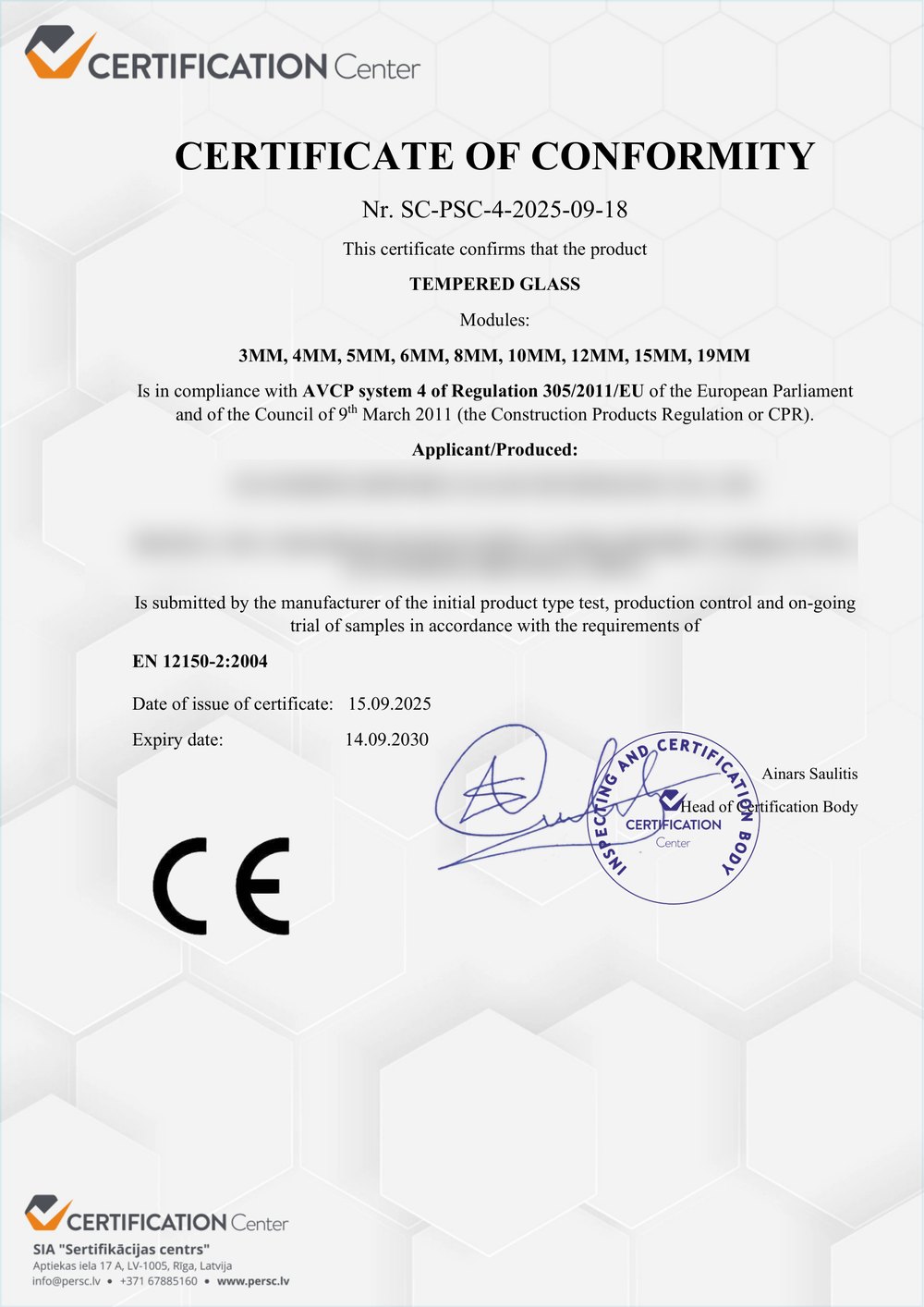
- CE Certification (EN 12150): Mandatory European compliance for toughened safety glass impact performance and dimensional stability.
- US SGCC Certification: Safety Glazing Certification Council validation conforming to ANSI Z97.1 and CPSC 16 CFR 1201 standards.
- Australia AS 2208 & AS 2047: SAI Global StandardsMark approval for safety glazing and structural window performance in high-wind regions.
- New Zealand AS/NZS 2208: CSi PAS-Mark certification for single-pane and laminated insulated glass builds.
- Thailand TISI 965-2560 / 1231-2560: Official industrial standards compliance for industrial structural aluminum profiles.
- Malaysia CIDB PPS Certification: Full regulatory construction material authorization for commercial and residential developments.
From initial shop drawing generation (CAD/BIM modeling) through profile extrusion, powder coating, double glass assembly, automated sealant curing, and protective timber-crate palletization, KARON enforces an ISO 9001 quality management framework across every production lot.
Comprehensive Procurement FAQ for Importers & Contractors
Direct responses to critical engineering, logistics, and quality assurance questions encountered during international B2B aluminum window sourcing:
Where is the KARON factory located and what is your annual production capacity?
How does KARON handle drawing confirmation and custom architectural specifications?
What is the technical difference between thermal break and non-thermal break profiles for kitchen windows?
What surface treatments are available to prevent kitchen oil corrosion and saltwater oxidation?
What are your standard export packaging and transport safety protocols for glass windows?
How can foreign buyers verify product compliance and request physical material samples?
Ready to Engineer Your Kitchen Window & Door Package?
Send your architectural elevation drawings, window schedules, or project specifications directly to our engineering team for instant technical consultation, thermal modeling, and competitive FOB/CIF quotation.