Featured Product Catalogue
Wholesale Commercial & Residential Glazing Solutions
Precision-engineered aluminum-clad wood windows, entrance doors, and heavy-duty sliding systems manufactured to global building codes.
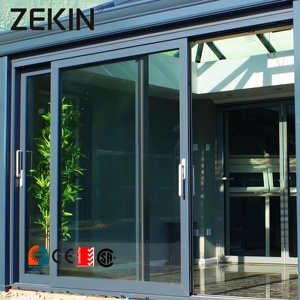
Customized Aluminum Double Glass Sliding Door Energy Efficient NFRC AS2047 Certification Aluminum Heavy Duty Lift Sliding Doors
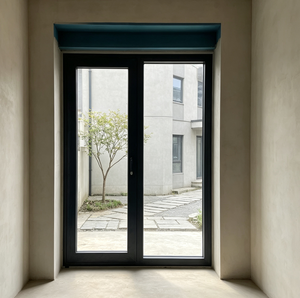
Wholesale Thermal Insulated Aluminum Clad Wood Door Double Glazed Exterior Door for Home
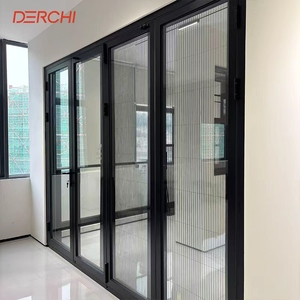
DERCHI Custom Security Bi-fold Aluminum Bifold Patio Doors
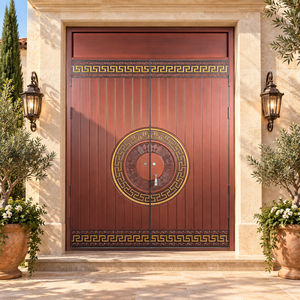
Custom Aluminum Alloy Villa Gate Double Glass Entry Door with Decorative Grille for European Mansion
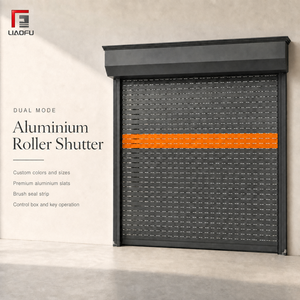
2026 New Perforated And Solid Aluminum Garage Door Roll-Up Shutter Door For Warehouse Industrial Commercial Use
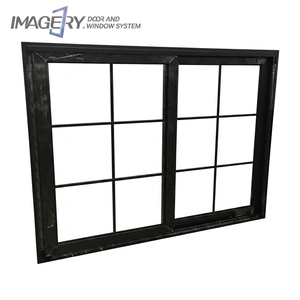
Factory Custom Aluminum Sliding Window with Grill Design Tempered Glass for Modern House Commercial Use
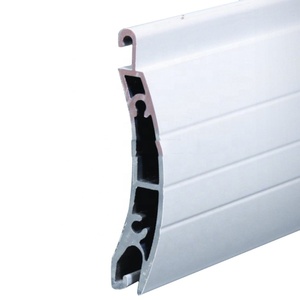
Extruded Aluminum Profile for Roller Shutter Door Slats
Technical Engineering Analysis
Structural Mechanics & Material Standards of Aluminum-Clad Windows
In modern high-performance architectural design, aluminum-clad windows represent the pinnacle of fenestration engineering. By combining the natural thermal resistance, acoustic dampening, and aesthetic warmth of solid interior timber with the weatherability, structural rigidity, and low maintenance of exterior extruded aluminum armor, aluminum-clad systems resolve the classical trade-offs inherent in single-material window profiles. However, for real estate developers, structural engineers, and commercial glazing contractors, sourcing these systems from a China wholesale manufacturer requires rigorous scrutiny of material science, extrusion tolerances, and assembly mechanics.
At KARON (Karon Window & Door Co., Ltd.), manufactured in the heart of China’s non-ferrous metal hub in Songxia Industrial Park, Nanhai District, Foshan, our architectural systems are engineered to withstand extreme environmental loads. The exterior aluminum shell utilizes high-precision 6063-T5 or 6063-T6 grade alloy extrusions with nominal wall thicknesses exceeding 1.8mm to 2.2mm for residential applications, and up to 3.0mm for structural curtain wall interfaces. Unlike low-tier manufacturers that employ recycled aluminum scrap, premier Chinese production relies exclusively on primary aluminum ingots, ensuring tensile strength exceeding 185 MPa and yield strength above 160 MPa.
Differential Thermal Expansion Clips
Composite nylon-nylon suspension clips connect the wood core to the outer aluminum shell. This allows the two materials to expand and contract independently ($2.3 \times 10^{-5} K^{-1}$ for aluminum vs $0.5 \times 10^{-5} K^{-1}$ for wood), preventing frame warping and seal degradation.
Polyamide (PA66 GF25) Thermal Breaks
Our aluminum sub-frames incorporate 24mm to 34mm Technoform polyamide thermal barrier strips reinforced with 25% glass fiber. This breaks the thermal bridge, keeping frame U-factors well below 1.2 W/m²K in freeze-thaw climatic zones.
D4 Hydrophobic Timber Lamination
Interior timber profiles (Larch, Oak, or Pine) undergo multi-stage kiln drying to achieve a precise moisture content of 10% ± 2%. Finger-jointed and bonded with polyurethane D4 water-resistant adhesives, the wood resists checking, splitting, and biological decay.
Advanced Surface Treatments: Kynar 500 & Fluorocarbon Coatings
Architectural exposure to harsh UV radiation, airborne ocean salt spray, and atmospheric pollution requires robust surface passivation. KARON applies advanced AAMA 2605 compliant PVDF (Polyvinylidene Fluoride) fluorocarbon spray coatings and AkzoNobel powder coatings. Utilizing a 3-coat, 2-bake architectural process, the exterior aluminum skin achieves an average dry film thickness of 40-50 microns. This delivers exceptional chalking resistance, color retention over 30-year operational cycles, and corrosion resistance tested to over 3,000 hours of continuous salt spray per ASTM B117 testing standards.
Glazing System Comparison
Engineering Performance Benchmarks Across Window Technologies
Selecting the optimal fenestration profile requires analyzing key thermal efficiency, acoustic insulation, and structural parameters under standardized NFRC, EN, and AS2047 test protocols.
| Window System Profile | Overall U-Factor (W/m²K) | SHGC Range | Acoustic Rating (STC / Rw) | Max Wind Pressure (Pa) | Lifespan & Cycle Stability |
|---|---|---|---|---|---|
| KARON Thermal Break Alum-Clad Wood | 0.78 - 1.20 | 0.22 - 0.45 | 40 - 45 dB | ≥ 5000 Pa (AS4055 N6) | 40+ Years (High Durability) |
| Standard Non-Thermal Break Aluminum | 3.50 - 5.80 | 0.50 - 0.75 | 28 - 32 dB | 2500 - 3500 Pa | 25 Years (Thermal Leakage) |
| Standard Thermal Break Aluminum | 1.40 - 2.10 | 0.25 - 0.50 | 34 - 38 dB | 3500 - 4500 Pa | 30 Years (Moderate) |
| Unreinforced uPVC Vinyl Profile | 1.60 - 2.40 | 0.30 - 0.55 | 30 - 35 dB | 1500 - 2200 Pa | 15 - 20 Years (UV Degradation) |
| Structural Thermally Broken Steel | 1.10 - 1.60 | 0.20 - 0.40 | 38 - 42 dB | ≥ 6000 Pa | 50+ Years (High Weight/Cost) |
Global Market Intelligence
Future Procurement Trends in Wholesale Architectural Glazing (2026–2035)
The global fenestration market is undergoing a paradigm shift driven by stringent decarbonization mandates, net-zero building regulations (such as the EU Energy Performance of Buildings Directive and California Title 24), and changing architectural preferences toward ultra-slim sightlines. B2B buyers, wholesale distributors, and project procurement directors must align their sourcing strategies with three primary technical trends:
1. Triple & Quadruple Low-E Insulating Glass (IGU)
Standard double glazing is rapidly being superseded by warm-edge triple-pane IGUs filled with 90%+ Argon or Krypton gas. Advanced low-emissivity coatings (such as double or triple silver vacuum sputtering) selectively filter infrared heat while maintaining high visible light transmittance (VLT > 70%).
2. Integrated Smart Building Automation & Sensors
Commercial facades increasingly demand motorized lift-and-slide opening hardware, hidden electric chain actuators for high-level transom awnings, and magnetic sensor contacts integrated directly into the multipoint locking gear for seamless smart home (BMS) security integration.
3. Embodied Carbon & Environmental Product Declarations (EPD)
International developers now mandate EPD verification to quantify carbon output across Scope 1, 2, and 3 emissions. Sourcing from certified Chinese factories utilizing hydro-electric powered aluminum smelting and non-toxic powder coating lines ensures full compliance with green building credits (LEED, BREEAM, WELL).
Enterprise Manufacturing Supremacy
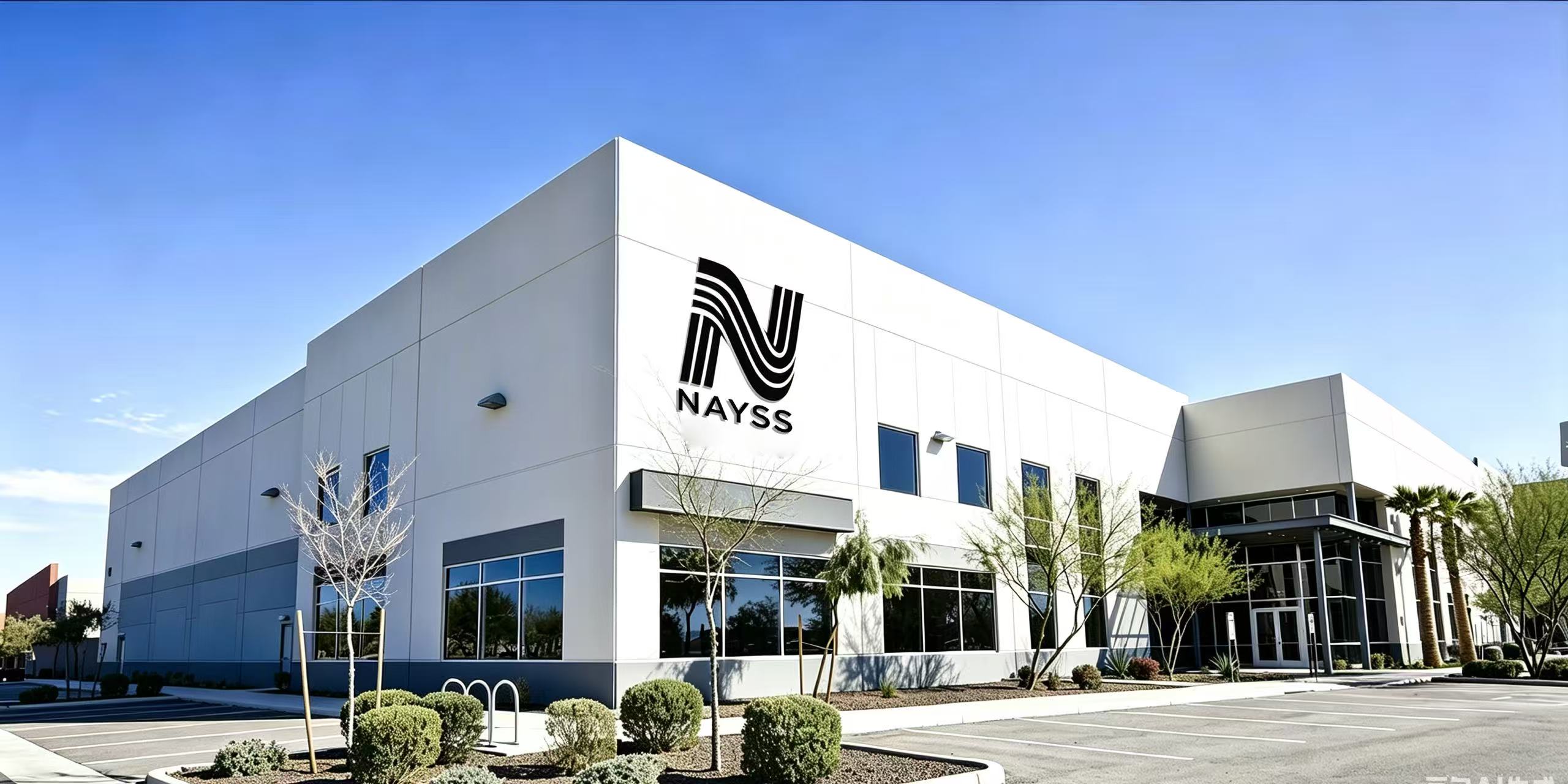
Why Partner with KARON: Direct Factory Production Capabilities
Karon Window & Door Co., Ltd. operates a 10,000 m² standardized manufacturing plant in Foshan, China. Over the past 15+ years, we have built an integrated supply chain that spans custom profile die extrusion, automated wood machining, glass tempering, and rigorous quality assurance.
- German Elumatec CNC Machining: Sub-millimeter tolerances on all corner crimping, lock mortising, and drainage notch milling.
- Integrated IGU Cleanrooms: Automated insulating glass lines with robotic sealant application and online dew point analysis.
- Full-Process Quality Inspection: Every unit undergoes 100% water tightness, air infiltration, and structural deflection testing prior to crate packaging.
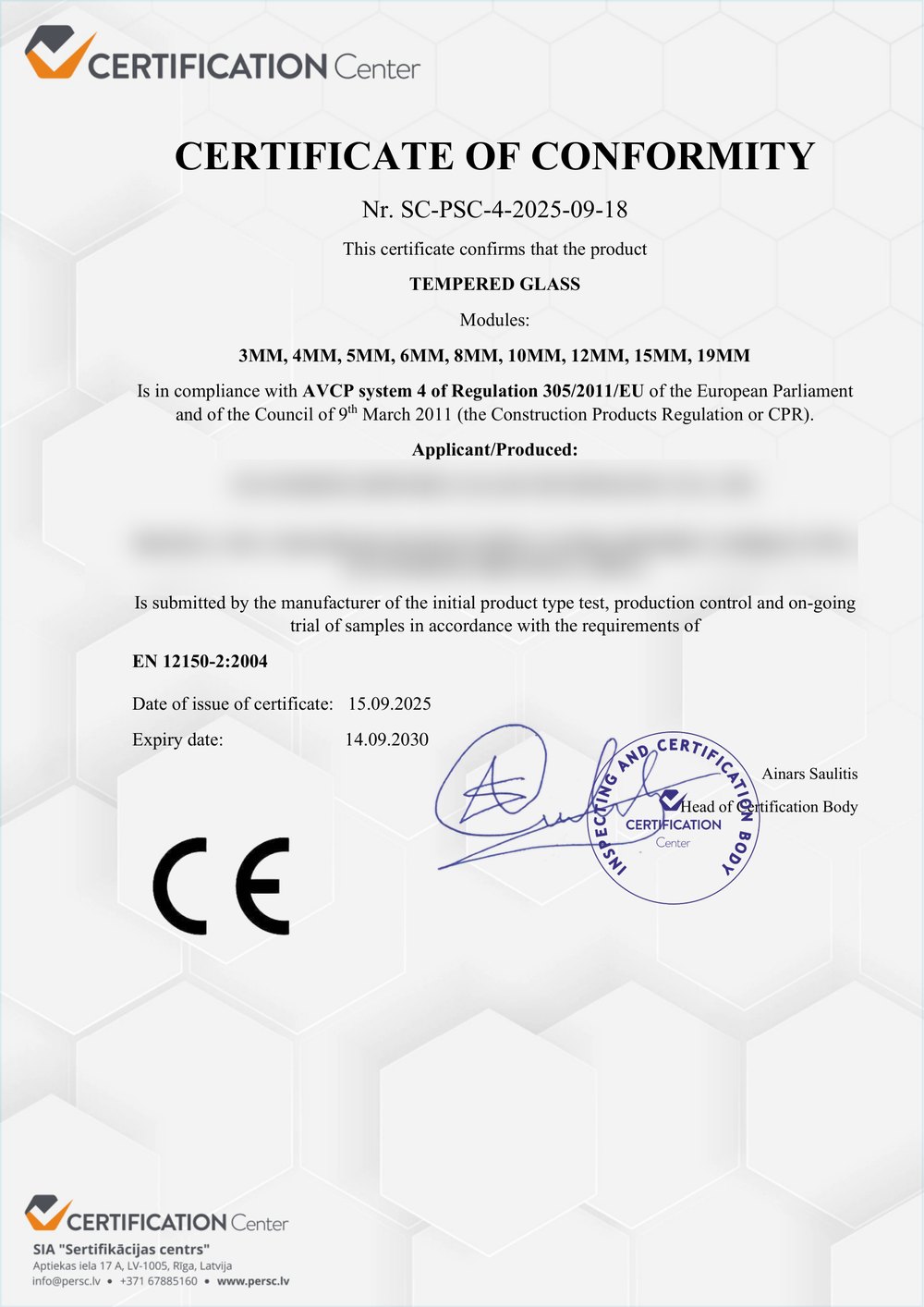
- Global Regulatory Compliance: Certified testing under CE (EN 12150), US SGCC safety glazing, Australia AS 2208, AS/NZS 2208, Thailand TISI, and Malaysia CIDB PPS standards.
B2B Sourcing Guide
Frequently Asked Questions for Wholesale Sourcing & Procurement
Clear engineering and logistical answers for architects, trade importers, and general contractors acquiring custom aluminum-clad fenestration products from China.
1. What is the fundamental structural advantage of aluminum-clad wood over pure aluminum or pure wood windows? +
Aluminum-clad wood windows eliminate the vulnerabilities of both single-material choices. Solid timber provides natural thermal break insulation (eliminating condensation on interior frames) and acoustic dampening, while the exterior extruded aluminum shell (minimum 1.8mm wall thickness) acts as a maintenance-free shield against UV, rain, and thermal degradation. Suspended nylon clip fasteners allow independent expansion and contraction between the materials, eliminating warping.
2. How does KARON verify international building code compliance for North America, Australia, and Europe? +
Our factory operates under an ISO 9001 certified quality management framework. Product lines are independently tested and certified: North America (NFRC 100/200 U-factor and SHGC parameters, SGCC ANSI Z97.1 safety glazing), Australia & New Zealand (AS2047 structural performance, AS2208 glass certification), Europe (CE mark under EN 14351-1 and EN 12150 safety glass), and Southeast Asia (Thailand TISI and Malaysia CIDB PPS certification). Test certificates and laboratory reports are provided with shop drawing submittals.
3. What is the standard Lead Time, MOQ, and OEM customization workflow for commercial orders? +
We accommodate project-based procurement with flexible MOQs (from single luxury villa packages up to multi-building residential developments). Standard lead times range from 25 to 35 calendar days following final CAD shop drawing sign-off and deposit receipt. OEM customization includes custom profile dies, custom RAL powder-coating matches, custom timber species (Oak, Teak, Pine, Larch), hardware brand selection (German Siegenia, Hoppe, Roto, or custom-branded hardware), and specialized glass build-ups (laminated acoustic, bullet-resistant, or dynamic smart glass).
4. How are shipping and handling managed to prevent moisture damage or glass breakage in transit? +
All fenestration units are packed for ocean transport. Windows are wrapped in protective PE film, corner-guarded with high-density EPE foam, sealed in desiccant-infused vapor-barrier wrap, and packed inside fully enclosed fumigated plywood A-frame crates or steel transport racks. Craters are designed for easy forklift unloading on site, guaranteeing zero glass breakage or moisture damage during transit.
5. How do I request shop drawings and technical cost estimations for my project window schedule? +
Simply click the "Get a Quote" button on this page to upload your window schedules, architectural elevations, CAD drawings, or opening dimensions. Our senior fenestration engineers will review your thermal, acoustic, and wind-load requirements, provide system recommendations, generate DWG shop drawings, and issue a competitive factory-direct wholesale quotation within 24 to 48 hours.
Ready to Elevate Your Project Fenestration Standards?
Partner directly with Foshan's leading aluminum-clad window manufacturer. Send your architectural drawings, window schedules, or project specifications today for engineer review and factory-direct pricing.