Precision-Engineered Aluminum Windows & Doors
Certified architectural fenestration solutions tested to global standards for luxury residential, commercial, and multi-unit construction projects.
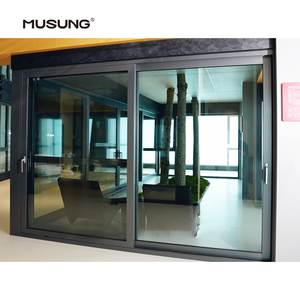
Large Sliding Glass Doors For Patio Aluminum Frame Thermal Insulation Double Glass Sliding Doors
Get a Quote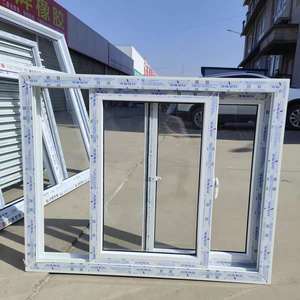
Factory Direct Custom Size Double Glazed Windows & Doors - Energy Efficient For Residential/Building
Get a Quote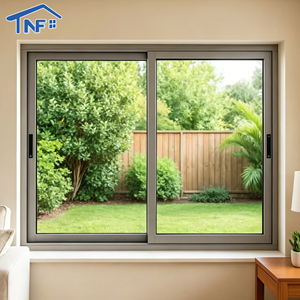
Hurricane Impact Aluminum Windows Double Glass Sliding Window For Houses Villa Living Room
Get a Quote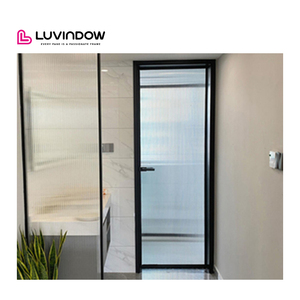
Modern Design Restaurant Kitchen Sliding Entrance Doors Aluminum Alloy Material for Villa Project
Get a Quote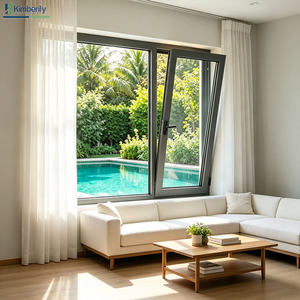
Double Glazed Windows Soundproofing Aluminum Tilt and Turn Windows House Interior Casement Windows
Get a Quote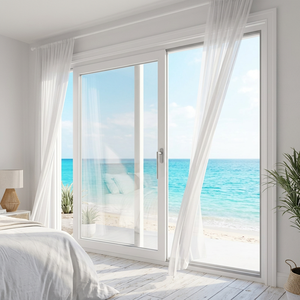
Custom Modern Lift Sliding Door System Aluminum Alloy Double Glazed Tempered Glass For Apartment
Get a Quote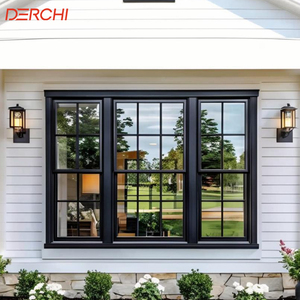
Double Hung Windows Modern Design High Quality Of Aluminium Sash Windows Custom Hung Windows
Get a Quote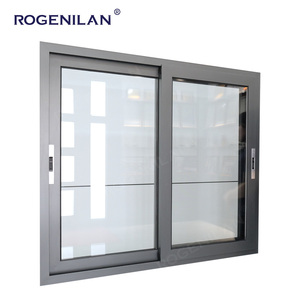
Custom Slide Home Windows Sunroom Aluminum Sliding Glass Window with Integrated Insect Screen
Get a QuoteArchitectural Fenestration Whitepaper: Sourcing Aluminum Double Glazed Windows from China
The global construction sector is undergoing a structural transition driven by stringent energy performance mandates, modern aesthetic requirements, and strict compliance frameworks. As modern architectural design emphasizes floor-to-ceiling glass envelopes and minimal sightlines, the demand for high-performance thermal break aluminum double glazed windows and doors has grown exponentially. China, specifically the Foshan industrial cluster in Guangdong province, stands as the premier hub for custom structural aluminum fenestration systems export worldwide.
This technical guide provides developers, general contractors, commercial architects, and façade consultants with an authoritative, data-backed analysis of aluminum window manufacturing, procurement strategies, structural engineering parameters, and global compliance standards.
Precision Profile Engineering
Fabricated using high-grade 6063-T5/T6 architectural aluminum extrusion with profile wall thickness ranging from 1.4mm to 3.0mm according to structural wind pressure loads.
Thermal Break Mechanics
Integrated PA66-GF25 polyamide glass-fiber reinforced thermal barrier strips interrupt conductive thermal bridges, drastically lowering overall U-factors.
Advanced Insulated Glass
Double and triple glazed units featuring Low-E coatings, Argon gas filling (90%+ purity), warm-edge spacer technology, and toughened safety glass certified under SGCC & EN 12150.
Material Science & Thermal Performance Engineering
Aluminum possesses excellent strength-to-weight ratios and structural durability; however, raw aluminum exhibits high thermal conductivity (K ≈ 200 W/m·K). To meet modern net-zero building codes and LEED/BREEAM thermal benchmarks, thermal break technology is essential.
1. Polyamide Thermal Barrier Strips (PA66-GF25)
Our thermal break windows utilize PA66 polyamide strips reinforced with 25% glass fiber. This material matches the thermal expansion coefficient of aluminum extrusions, preventing shear failure under extreme temperature fluctuations. The insertion of multi-cavity PA66 strips reduces profile thermal transmittance ($U_f$) from over 6.0 W/m²K down to 1.3 - 2.1 W/m²K depending on the profile depth (e.g., 65mm, 75mm, 85mm, 110mm system depth).
2. Insulated Glass Unit (IGU) Assembly Options
The glass build-up accounts for up to 80% of total window surface area. High-performance double glazed configurations engineered at our Foshan facility feature:
- Standard Double Glazing: 6mm Tempered + 12Ar (Argon) + 6mm Low-E Tempered Glass ($U_g \approx 1.1 - 1.4\text{ W/m}^2\text{K}$).
- Acoustic & Safety Laminated Glazing: 6mm Low-E + 12Ar + 5mm + 1.52PVB/SGP + 5mm Laminated Glass for acoustic reduction (STC rating up to 42 dB) and hurricane impact resistance.
- Triple Glazed High-Latitude Units: 5mm Low-E + 9Ar + 5mm Clear + 9Ar + 5mm Low-E Tempered Glass achieving overall window U-factors ($U_w$) as low as 0.85 W/m²K.
Architectural Systems Performance Matrix
Below is a comparative breakdown of key window and door structural systems engineered for B2B wholesale procurement:
| System Type | Profile Depth | Thermal Transmittance ($U_w$) | Acoustic Rating (STC) | Wind Load Resistance | Water Tightness |
|---|---|---|---|---|---|
| Thermal Break Casement Window | 65mm - 110mm | 1.2 - 1.6 W/m²K | 38 - 45 dB | Class 9 (5.0 KPa) | Class 9 (700 Pa) |
| Thermal Break Tilt & Turn Window | 75mm - 90mm | 1.1 - 1.4 W/m²K | 40 - 46 dB | Class 9 (5.0 KPa) | Class 9 (900 Pa) |
| Lift & Slide Heavy-Duty Patio Door | 120mm - 190mm | 1.4 - 1.8 W/m²K | 35 - 40 dB | Class 8 (4.0 KPa) | Class 7 (500 Pa) |
| Ultra-Slim Frame Sliding Door | 100mm - 150mm | 1.6 - 2.0 W/m²K | 32 - 38 dB | Class 6 (3.0 KPa) | Class 6 (400 Pa) |
| Bi-Fold Exterior Aluminum Door | 75mm - 80mm | 1.5 - 1.9 W/m²K | 33 - 38 dB | Class 6 (3.0 KPa) | Class 6 (400 Pa) |
| Thermal Break Double Hung Window | 85mm - 100mm | 1.5 - 1.8 W/m²K | 34 - 39 dB | Class 7 (3.5 KPa) | Class 6 (450 Pa) |
Future Procurement Trends in Global Architectural Fenestration (2025–2030)
As commercial procurement managers and real estate developers recalibrate their supply chains, several key macro trends are shaping the future of global window purchasing from China:
1. Stringent Decarbonization Mandates & Embodied Carbon Tracking
Governments across North America, Europe, Australia, and the Middle East are codifying carbon limits into building regulations. Sourcing aluminum extruded with low-carbon primary aluminum (processed using hydropower) along with high recycled alloy ratios (up to 75% circular aluminum content) is becoming standard requirement for international project tenders.
2. Industrialization of Customization (Flexible OEM/ODM Engineering)
The legacy model of choosing standard catalogue window dimensions is obsolete for modern architectural projects. Tomorrow’s market belongs to agile manufacturers who can translate complex BIM models, CAD shop drawings, and structural calculations directly into multi-axis CNC fabrication lines without exorbitant tooling lead times.
3. Integrated Insect Screens & Motorized Smart Automation
End-users increasingly demand multi-functional window systems. Demand is accelerating for integrated hidden mesh screens (304 stainless steel security screens or retractable pleated screens), automated electric chain actuators linked to smart building management systems (BMS), and dynamic electrochromic glass tinting.
Enterprise Profile: Karon Window & Door Co., Ltd.
Operating a 10,000 m² standardized production facility in Songxia Industrial Park, Nanhai District, Foshan, Karon combines modern multi-axis CNC machining centers, automatic corner crimping technology, and comprehensive double glazing lines. Backed by 15+ years of architectural export experience, KARON delivers certified fenestration systems tailored to your project schedule.
Factory Rigorous Quality Control Protocols
To eliminate site installation issues and guarantee performance compliance overseas, KARON operates a 4-tier Quality Assurance System across all production lots:
- Raw Material Verification: Spectrographic analysis of 6063-T5 aluminum extrusions ensuring wall thickness compliance, web structural integrity, and anodizing/powder-coating adhesion (AAMA 2604/2605 standard compliant).
- Hardware Fit & Dry Assembly Test: Pre-assembly of sashes using multi-point locking hardware systems from top tier brands (e.g., CMECH, Siegenia, Hoppe, Sobinco) to verify smooth operation, latch alignment, and mechanical torque tolerances.
- Air & Water Tightness Spot Testing: Chamber pressure testing on sample frames to verify performance under simulated dynamic wind loads and torrential rain driving conditions.
- Export Container Packaging Inspection: Every unit is wrapped with protective surface film, corner edge protectors, and secured within fully enclosed fumigated plywood crates or metal A-frames to prevent sea transport damage.
International Certification Portfolio
Our window and door systems are tested and certified by independent accredited testing laboratories globally.
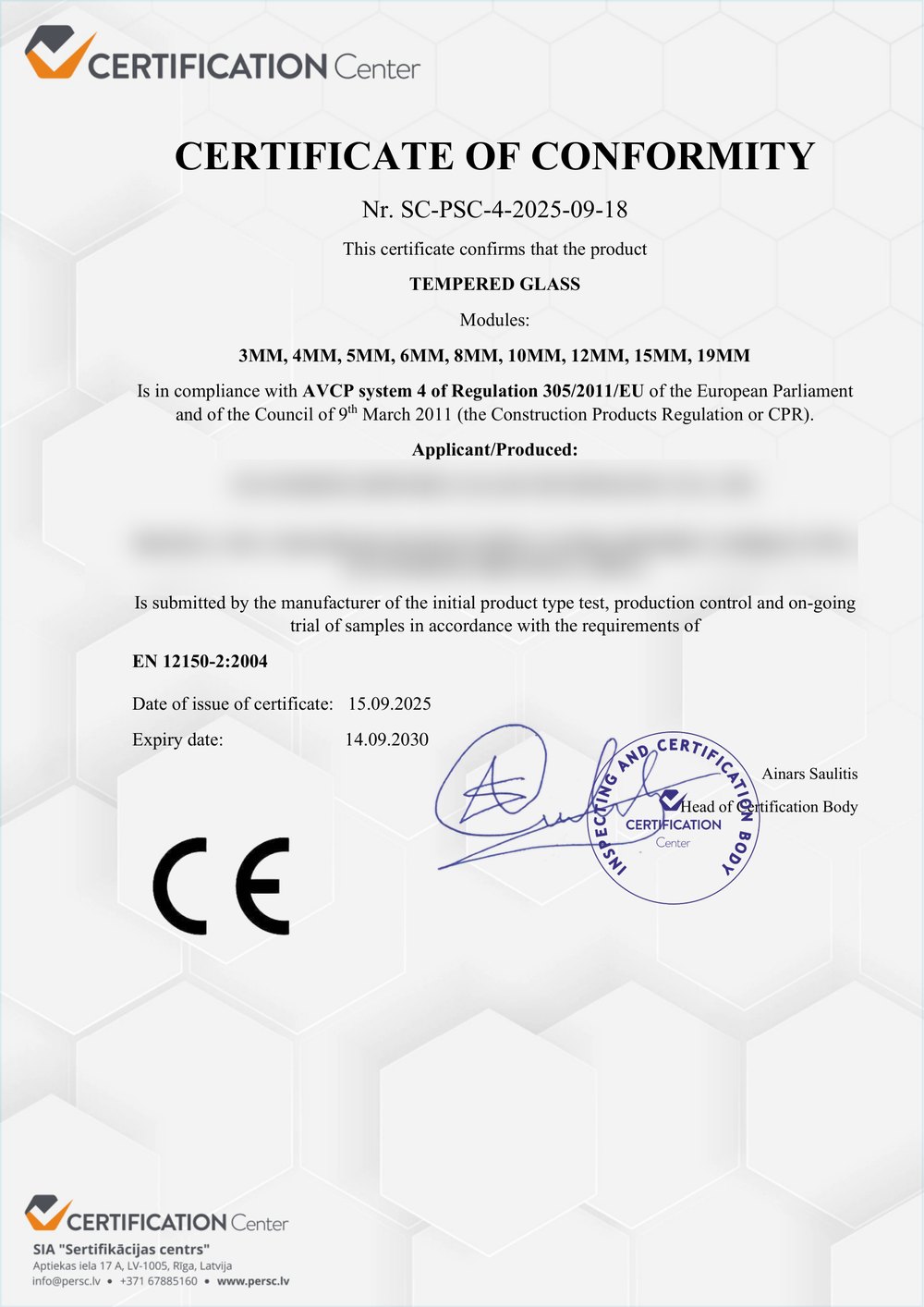
CE EN 12150
European Safety Standard certification for tempered architectural glass and structural window assemblies.
US SGCC
Safety Glazing Certification Council compliance for North American residential and commercial projects.
AS 2208 / AS/NZS 2208
Australia & New Zealand safety glazing standard for single pane, double glazed, and laminated glass units.
Thailand TISI
TISI 965-2560 & 1231-2560 industrial certification for tropical resort and commercial developments.
Malaysia CIDB PPS
Perakuilan Pematuhan Standard (PPS) regulatory approval for construction materials entering Malaysia.
ISO 9001 System
Certified Quality Management System governing all design, manufacturing, inspection, and export workflows.
Frequently Asked Questions for B2B Procurement
Direct answers to critical questions asked by developers, architects, and importers.
Where is your factory located and what is your production capacity? +
How do you handle custom architectural drawings and engineering confirmations? +
What is the financial ROI of Thermal Break vs. Non-Thermal Break Aluminum Windows? +
Which international test certifications do your windows and doors hold? +
What is your export packaging method to prevent glass breakage during sea shipping? +
What is the typical production lead time for a wholesale commercial container order? +
Ready to Request an Architectural Quote or Technical Review?
Send your project window schedule or CAD drawings directly to our engineering department. We will provide a complete structural proposal, U-factor analysis, and factory-direct pricing within 24 hours.