Factory Direct Product Line
High-Performance Aluminum Sash & Casement Windows
Engineered for extreme structural loads, superior thermal insulation, and minimal architectural sightlines. Fully customizable to international building standards (AS2047, NFRC, CE).
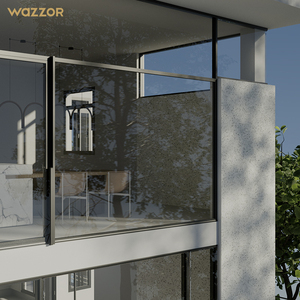
Wazzor House Windows For Sale Factory Direct Price Aluminum Glass Casement Window With Mosquito Fly Net Screen
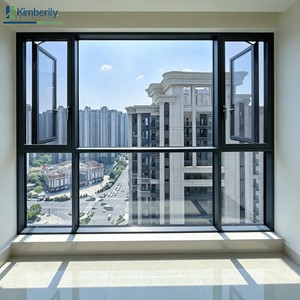
Minimalist Aluminum Alloy Casement Window Hidden Sash Soundproof Double Pane Tempered Clear Glass for Luxury Villa Modern
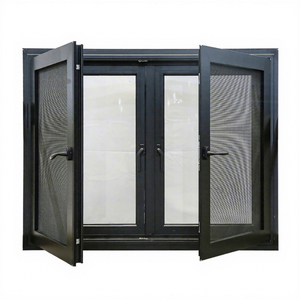
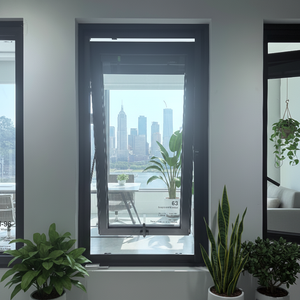
Modern Black Aluminum Double Casement Window with Integrated Outer Bug Screen and Clear Glass Inner Sash
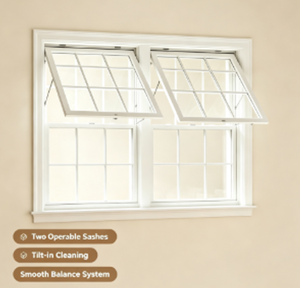
Energy Efficient Aluminium Awning Windows Double Operable Sash for Villa Living Room
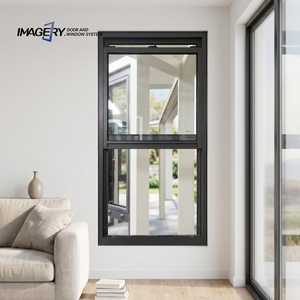
Latest Design Aluminum Frame Single Hung Window Tempered Glass Vertical Sliding Sash for Home Use
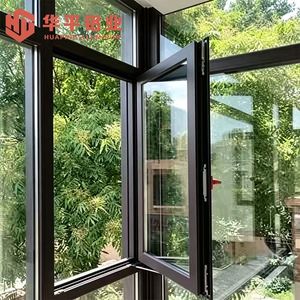
Double Sash Aluminum Casement Window Flexible Convenient Ventilation for Office Building Exterior Window Engineering Project
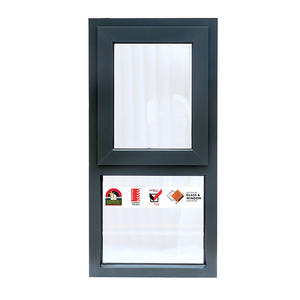
AS2047 Standard Commercial Double Glazed Aluminium Sash Windows Modern Residential Awning House Windows Australia Standard
15+
Years Manufacturing Excellence
10,000㎡
Standardized Factory Plant
6+
Global Regulatory Certificates
100%
Full-Process QC Inspection
B2B Technical Report
Architectural Engineering & Manufacturing White Paper: Aluminum Sash Window Systems
In modern architectural fenestration, the selection of wholesale aluminum sash windows represents a critical juncture between structural integrity, thermodynamic performance, and aesthetic minimalism. As high-rise commercial structures and luxury residential developments demand larger glass spans with narrow visible profile widths, China's manufacturing ecosystem—centered in Foshan, Guangdong—has evolved from basic profile assembly to advanced, precision-engineered thermal break systems certified for strict international building codes.
This technical white paper outlines the core metallurgical standards, thermal break mechanics, acoustic damping technologies, and wind-load engineering principles required by architectural specifiers, general contractors, and real estate developers procuring high-volume aluminum windows from China.
1. Metallurgical Profiles: 6063-T5 vs. 6063-T6 Extrusion Metallurgy
The base structural frame of top-tier sash windows relies on primary aluminum alloy 6063. Recycled or low-grade scrap aluminum exhibits micro-impurities that lead to stress corrosion cracking under high wind loads. High-precision extrusion plants utilize 6063-T5 or T6 heat-treated tempers to balance tensile strength with surface finish quality for powder coating and anodizing.
| Property Metric | Standard 6063-T5 Profile | Structural 6063-T6 Profile | Architectural Standard (GB 5237 / ASTM B221) |
|---|---|---|---|
| Tensile Strength (MPa) | ≥ 160 MPa | ≥ 205 MPa | High wind-load structural mullions requirement |
| Yield Strength (MPa) | ≥ 110 MPa | ≥ 180 MPa | Prevents permanent deflection under typhoon conditions |
| Hardness (Webster HB) | ≥ 8 - 10 HW | ≥ 12 - 14 HW | Resists installation abrasion & frame distortion |
| Nominal Wall Thickness | 1.4mm - 2.0mm | 2.0mm - 3.0mm (Commercial) | AS2047 / NFRC Heavy-duty structural compliance |
Engineering Insight: For high-rise coastal projects subject to severe wind pressures (such as ASTM E330 testing up to 4500 Pa), structural sash mullions must be specified in 6063-T6 temper with structural silicone structural glazing (SSG) mechanics to guarantee zero frame deflection.
2. Thermodynamics: Polyamide PA66-GF25 Thermal Break Integration
Aluminum exhibits a high natural thermal conductivity ($k \approx 200 \text{ W/m}\cdot\text{K}$). Uninsulated aluminum frames create severe thermal bridges, resulting in interior heat gain in tropical climates or thermal loss and frame condensation in sub-zero regions. Advanced wholesale aluminum sash windows incorporate a Polyamide PA66 reinforced with 25% Glass Fiber (PA66-GF25) thermal barrier strip.
PA66-GF25 thermal breaks match the thermal expansion coefficient of structural aluminum extrusions ($2.3 \times 10^{-5} /\text{K}$), eliminating the risk of shear separation between the inner and outer profile during rapid temperature fluctuations. By separating the interior and exterior aluminum profiles with multi-cavity thermal strips filled with expanded polyurethane (PU) foam, modern thermal break sash windows achieve overall thermal transmittance values down to U-factor ≤ 1.1 W/m²·K (Uw 0.19 BTU/h·ft²·°F), exceeding Energy Star and European Passive House criteria.
3. Glazing Architecture, Acoustic Damping & Safety Protocols
The glass unit constitutes up to 85% of an aluminum sash window's surface area. Procurement specifications must accurately define the Insulated Glass Unit (IGU) build-up tailored to the project's geographic zone:
- Double & Triple Double-Sealed Low-E IGUs: Standard configurations such as 6mm Clear Toughened + 12mm Argon Space + 6mm Low-E Toughened provide optimal Solar Heat Gain Coefficients (SHGC 0.25 - 0.40).
- Hurricane Impact Laminated Glass: Utilizing SentryGlas® (SGP) or PVB interlayers (e.g., 6mm Toughened + 1.52SGP + 6mm Toughened) ensures the window resists large missile impacts (ASTM E1996) and hurricane-force cyclic wind pressures.
- Acoustic Isolation Engineering: Asymmetrical glass thickness configurations (e.g., 8mm Outer + 12mm Air + 6mm Inner) combined with multi-channel EPDM synthetic rubber compression gaskets attenuate airborne noise up to STC 42 dB / Rw 45 dB, ideal for airport zones and urban center hotels.
Industry Trends
Future Procurement Trends in Wholesale Aluminum Sash Windows (2025–2030)
Driven by global carbon reduction mandates, smart home integration, and modern architectural aesthetics, global buyers are pivoting toward distinct technological advancements when sourcing from Chinese original equipment manufacturers (OEMs).
1. Embodied Carbon & EPD Certifications
Tier-1 commercial developers in North America and Western Europe now demand Environmental Product Declarations (EPDs). Sourcing aluminum windows manufactured using hydroelectric-melted low-carbon aluminum billets reduces embodied carbon by up to 65% compared to coal-fired primary aluminum smelting.
2. Smart Motorized Vertical & Hidden Sashes
Traditional manually operated single/double hung sash windows are giving way to integrated electric chain actuators and smart sensors. Motorized sash systems seamlessly connect to Building Management Systems (BMS), automatically closing sash vents during rainfall or high winds.
3. Minimalist Narrow Sightline Frame Design
Architectural demand favors concealed sash profiles where the frame sightline is hidden behind the building reveal. Minimalist aluminum sash designs offer glass-to-frame ratios exceeding 90%, maximizing natural daylighting while maintaining thermal compression seal performance.
4. Multi-Point Concealed European Hardware
Procurement preferences have shifted from basic single-latch handles to multi-point perimeter locking hardware (e.g., German Siegenia or G-U systems). Concealed hinges and anti-burglary mushrooms offer burglar resistance up to RC2/RC3 security levels.
Factory Advantage
Karon Window & Door Co., Ltd. — Foshan Manufacturing Hub
Located in Foshan, Guangdong—the world’s premier architectural aluminum hub—Karon Window & Door Co., Ltd. operates a 10,000 m² standardized production facility backed by over 15 years of OEM/ODM fabrication experience. We provide end-to-end fenestration solutions for private villas, luxury residential compounds, commercial towers, and resort developments worldwide.
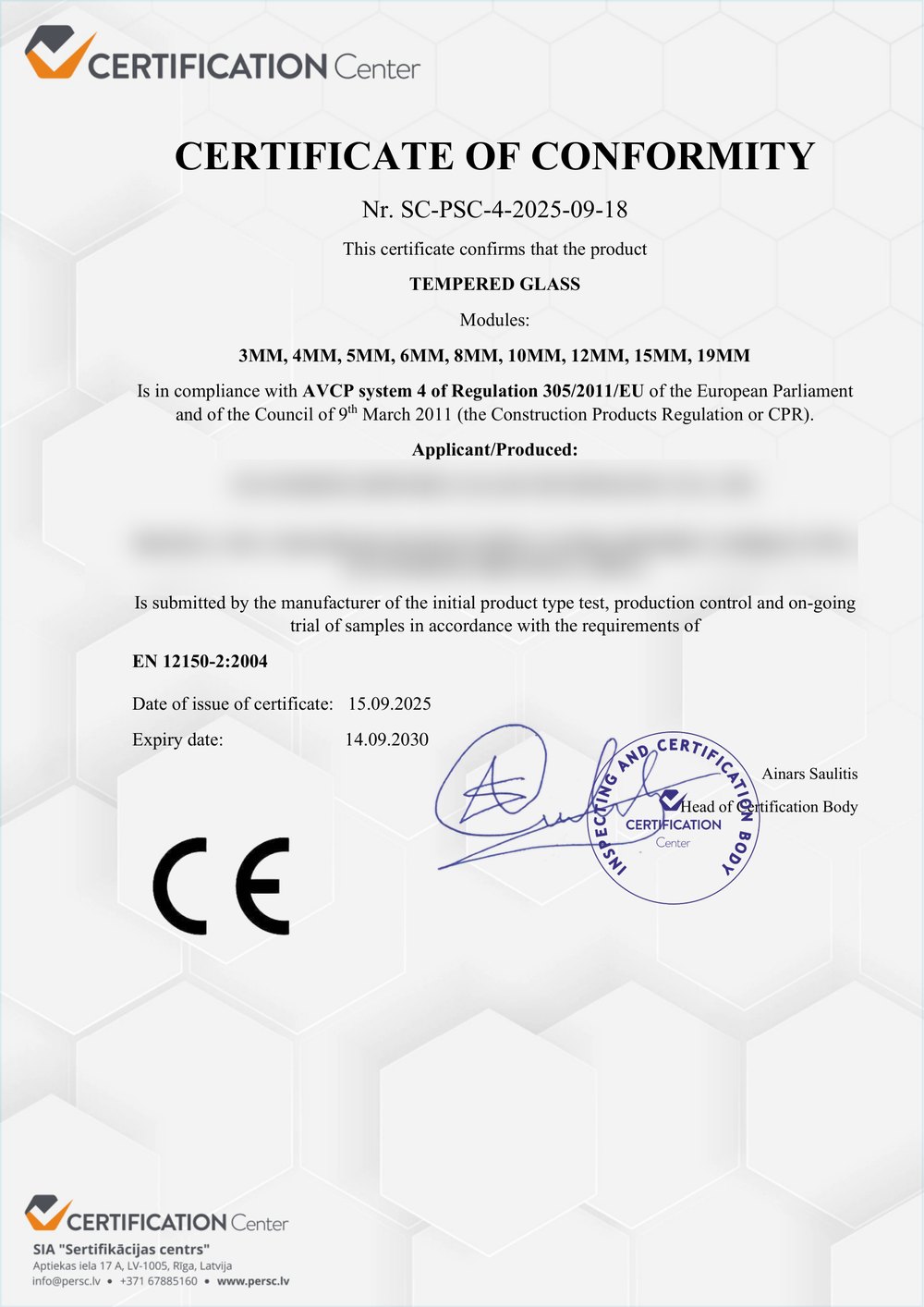
- Global Regulatory Compliance: Factory products hold certified compliance under CE (EN 12150 / EN 14351-1), US SGCC safety glazing, Australia AS 2047 / AS 2208, New Zealand AS/NZS 2208, Thailand TISI, and Malaysia CIDB standards.
- Engineering & CAD/BIM Support: Our dedicated engineering office translates architectural schedules into structural shop drawings, wind-load calculations, and custom extrusion die designs prior to fabrication.
- Strict QA/QC Protocols: 100% full-process quality inspection covering aluminum extrusion wall thickness checks, corner crimping seal integrity, water tightness chamber testing, and protective ocean-freight packaging.
Buyer Knowledge Base
Frequently Asked Questions for B2B Window Sourcing
Key insights and answers for real estate developers, contractors, architects, and wholesale importers procuring aluminum sash windows from China.
1. What is the Minimum Order Quantity (MOQ) and lead time for custom wholesale aluminum sash windows? ▼
Our standard factory MOQ for project orders is 50 square meters for custom aluminum profile colors and specific sash dimensions. Standard lead times range from 20 to 30 working days upon final approval of CAD shop drawings and receipt of deposit. For specialized extrusion dies or custom powder-coat color matching (RAL palette), an additional 7–10 days may apply for initial sample confirmation.
2. How does KARON ensure compliance with North American (NFRC/SGCC) and Australian (AS2047/AS2208) standards? ▼
All structural extrusions, thermal break strips, and glass assemblies manufactured at our Foshan facility undergo rigorous batch testing. Our insulated glass units carry verified SGCC (Safety Glazing Certification Council) marks for the United States and AS/NZS 2208 PAS-Mark certifications for Australia and New Zealand. Structural window units are tested in NATA-accredited laboratories for air infiltration, water penetration resistance (up to 600 Pa), and ultimate limit state wind pressures (up to 4500 Pa) in compliance with AS2047.
3. What is the structural difference between single hung, double hung, and casement sash windows? ▼
Single hung windows feature one fixed sash and one vertically sliding operable sash. Double hung windows feature two vertically operable sashes, allowing dual top-and-bottom ventilation. Casement sash windows hinge on the frame side and swing outward or inward via a hand crank or friction stay. Casement windows generally deliver superior air and water tightness because the operating sash compresses directly against EPDM gaskets upon locking, whereas sliding sashes rely on weather-strip pile seals.
4. Can KARON engineer custom aluminum sash windows based on architect-provided drawings or window schedules? ▼
Yes. Over 90% of our production consists of fully customized project packages. Our engineering team reviews your architectural elevation drawings, structural specifications, wind load requirements, and glass build-ups. We provide comprehensive 2D CAD shop drawings and 3D detail sections for sign-off before raw material cutting begins, ensuring zero error upon site installation.
5. What protective packaging measures are implemented to prevent damage during sea freight transit? ▼
International shipments undergo a multi-layer protective packaging protocol: 1) Protective scratch-resistant film applied over all aluminum profiles; 2) Corner guards on all sash corners; 3) EPE foam wrapping around frame profiles; 4) Fully enclosed fumigated wooden crates or heavy-duty steel-frame pallets with moisture-absorbing desiccants, guaranteeing safe container loading and unloading at destination ports.
6. How does a thermal break aluminum sash window compare in energy efficiency to standard non-thermal aluminum? ▼
Non-thermal break aluminum frames conduct heat rapidly, resulting in elevated U-values (approx. 4.5 to 5.5 W/m²·K). Thermal break aluminum windows incorporating Polyamide PA66-GF25 insulating bridges reduce heat conduction through the frame by up to 60%, achieving overall window U-values down to 1.1–1.8 W/m²·K (depending on glass selection). This significantly lowers HVAC power consumption in both hot air-conditioned environments and cold heating-demanding climates.