Featured OEM Custom Aluminium Window & Door Systems
Engineered to exact project specifications, architectural drawings, and stringent international building codes (CE, SGCC, AS2208, TISI).
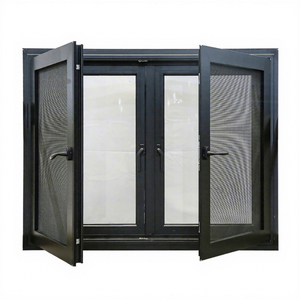
Modern Black Aluminum Double Casement Window with Integrated Outer Bug Screen and Clear Glass Inner Sash
Get a Quote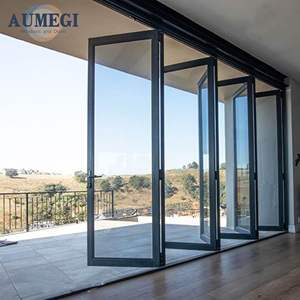
Aumegi Australian Style Vertical Folding Doors Bi Folding Aluminum Bi-fold Patio Sliding Folding Door
Get a Quote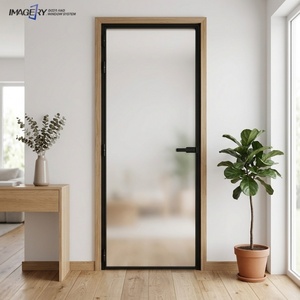
Minimalist Style Extremely Narrow Frame Casement Aluminum Door Soundproof Interior For Kitchen Bathroom
Get a Quote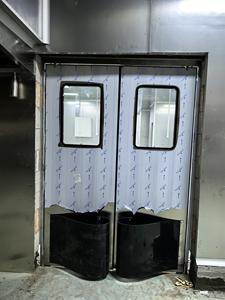
Double Swing Traffic Door Aluminum Frame Steel Door
Get a Quote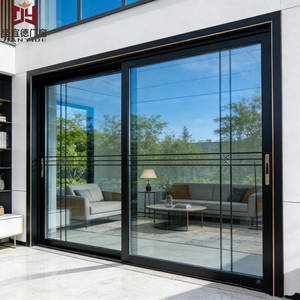
Modern 130 Series Aluminum Sliding Door Window Set Finished Surface Interior Use Custom Size Energy Efficient
Get a Quote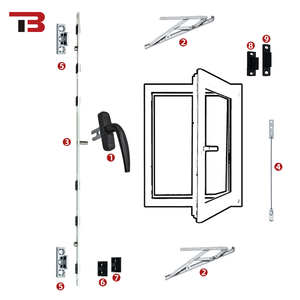
TB-WK200 Top Sale Windows And Doors Aluminum Window Tilt And Turn Window Hinges Aluminum Tilt And Turn Window Hardware System
Get a Quote
Large Sliding Glass Doors For Patio Aluminum Frame Thermal Insulation Double Glass Sliding Doors
Get a Quote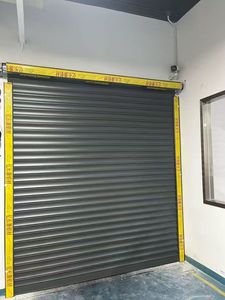
Modern Plastic-Steel Aluminum Alloy Finished Sound Proof Hurricane Storm Roller Window for Villa Commercial Use Factory Price
Get a QuoteIndustrial Engineering & Factory Capabilities from Foshan, China
Operating a standardized 10,000 m² modern manufacturing hub in Songxia Industrial Park, Foshan, Karon Window & Door Co., Ltd. leads the architectural fenestration sector with over 15 years of OEM/ODM export expertise.
Precision Profile Extrusion & Alloys
We strictly utilize primary 6063-T5 and high-strength 6060-T66 architectural grade aluminum alloys. Wall thickness options range from 1.4mm to 3.0mm, complying fully with structural wind-load requirements for high-rise commercial facades and coastal villas.
Advanced Thermal Break (PA66-GF25)
Integrated continuous Polyamide PA66 reinforced with 25% glass fiber (PA66-GF25) creates an impermeable thermal barrier. Reduces system U-factors down to 1.2 W/m²K, minimizing thermal conduction and HVAC energy expenditure.
Certified Safety & Acoustic Glazing
Equipped with automated IGIL insulating glass lines producing double/triple toughened glass with Low-E coatings, Argon gas injection, and acoustic PVB laminated layers, achieving up to STC 42 dB sound attenuation.
Future Procurement Trends & Technical Developments in Aluminium Fenestration
An authoritative report for real estate developers, structural engineers, commercial contractors, and B2B importers on navigating next-generation building envelopes.
1. Decarbonization & Extreme Energy Efficiency Standards
As global energy efficiency directives become increasingly rigid—such as the European Union’s revised Energy Performance of Buildings Directive (EPBD) and North America's ASHRAE 90.1 standards—the architectural demand for low-emissivity, thermal-break aluminium systems is accelerating. Procurement trends indicate a permanent shift away from non-thermal profile systems in commercial and luxury residential sectors.
Future OEM manufacturing relies heavily on multi-chambered thermal strip designs, aerogel-filled profile cavities, and Vacuum Insulated Glass (VIG) technology. These innovations allow custom aluminium windows to achieve passive house certifications (U-values ≤ 0.8 W/m²K) without compromising the slim aesthetic profiles favored by modern architects.
Technical Procurement Insight: Sourcing managers must verify that OEM suppliers use genuine Polyamide PA66-GF25 thermal strips rather than cheap PVC substitutes, which degrade under intense UV exposure and lead to thermal bridge failures.
2. Minimalist Architectures: Slim Sightlines & Large-Span Glazing
Modern architectural design trends heavily favor ultra-narrow sightlines and floor-to-ceiling glass expanses that maximize natural daylighting. Ultra-slim sliding doors and narrow-frame casement windows require specialized structural engineering. OEM manufacturers must increase frame structural rigidity by utilizing T6 heat-treated aluminum-magnesium-silicon alloys and multi-point concealed locking mechanisms capable of supporting single sash weights exceeding 400 kg.
3. Smart Automated Fenestration & Building Management Systems (BMS)
The integration of IoT motorized actuators into aluminum fenestration is moving from high-tech luxury to baseline commercial requirements. Electric lift windows, automated tilt-and-turn systems, and smart wind/rain sensor-driven actuators are now directly integrated into the extrusion profiles during the OEM manufacturing process. Standardized internal wire chases and concealed electrical contacts are becoming mandatory specs in global architectural tenders.
4. Enhanced Resilience: Hurricane Storm Ratings & Coastal C5-M Anti-Corrosion
Due to fluctuating global weather patterns and severe coastal storms, international procurement requests now frequently specify high-impact hurricane resistance (TAS 201/202/203 certification) and extreme anti-corrosion surface treatments. Premium B2B exporters implement AkzoNobel Interpon powder coatings and PVDF (polyvinylidene fluoride) fluorocarbon finishes capable of passing 3,000+ hours of continuous salt-spray testing (AAMA 2605 standard) for marine environments.
System Selection Engineering Matrix
To assist procurement directors in choosing optimal profile systems for regional building requirements, our engineering office compiled the following performance comparison matrix:
| System Type | Thermal U-Value Range | Acoustic Rating (STC) | Max Wind Pressure | Ideal Application |
|---|---|---|---|---|
| Thermal Break Casement Window | 1.2 - 1.8 W/m²K | 38 - 45 dB | 5.0 kPa (Class 9A) | Coastal Villas, High-Rise Residential |
| Heavy-Duty Lift & Slide Door | 1.5 - 2.0 W/m²K | 35 - 40 dB | 4.2 kPa (Class 8A) | Luxury Resort Patios, Ocean View Suites |
| Ultra-Narrow Interior Frame Door | N/A (Non-Thermal) | 30 - 35 dB | 1.5 kPa | Interior Partitions, Kitchen & Bathrooms |
| Tilt & Turn Commercial Window | 1.1 - 1.6 W/m²K | 40 - 46 dB | 5.5 kPa (High Load) | Institutional, Urban Apartment Buildings |
| Vertical / Horizontal Bi-Fold Door | 1.6 - 2.2 W/m²K | 32 - 38 dB | 3.5 kPa | Commercial Balconies, Restaurant Patios |
Certified for Global Market Access
Every order produced in our Foshan facility complies strictly with destination-market building regulations, backed by test documentation verified by independent laboratories.
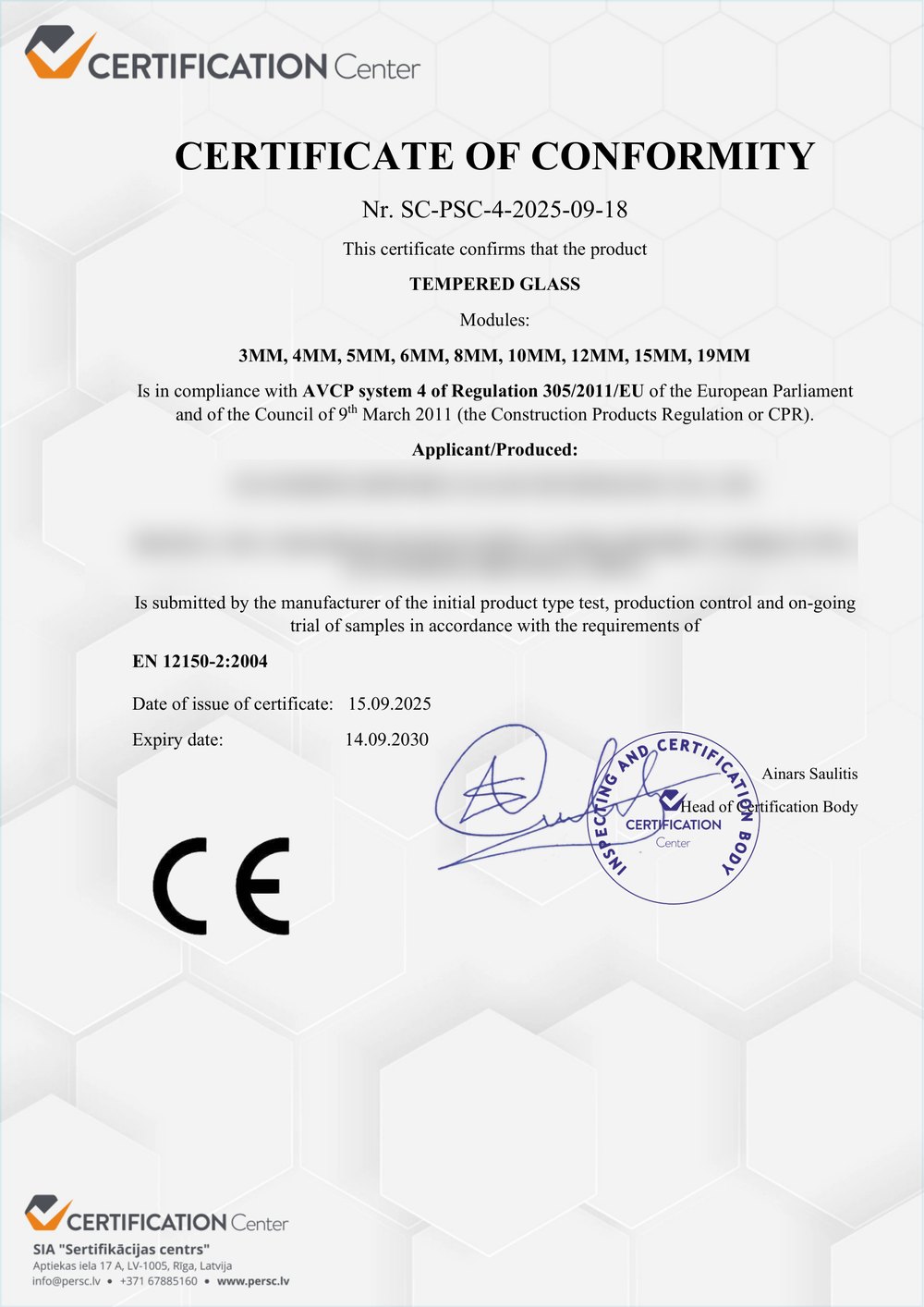
CE EN 12150 Compliance
Thermal toughened safety glass and frame strength certified under European Union harmonized standards for building safety and durability.
US SGCC Certification
Safety Glazing Certification Council (SGCC) approved safety glass meeting ANSI Z97.1 and CPSC 16 CFR 1201 impact standards.
AS 2208 & AS/NZS 2208
SAI Global StandardsMark & CSi PAS-Mark certified safety glazing systems for single pane and high-impact laminated glass safety standards.
TISI 965-2560 / 1231-2560
Full certification under the Thai Industrial Standards Institute for flat glass, thermal performance, and architectural safety.
CIDB PPS Certification
Approved under Construction Industry Development Board (CIDB) PPS numbers 2-03250048 and 2-03250049 for structural build integration.
ISO 9001:2015 Operations
Full manufacturing lifecycle governed by audited quality control protocols—from raw extrusion receipt to sea-freight packing verification.
Frequently Asked Questions by OEM Buyers & Importers
Exhaustive answers to technical, logistical, and commercial inquiries concerning custom aluminum doors and windows sourcing.
1. Why source custom OEM aluminium doors and windows from Foshan, China?
2. What architectural information is required to receive an accurate OEM quotation?
3. What is the fundamental structural difference between Thermal Break and Non-Thermal Break profiles?
4. How does KARON ensure product quality and dimensional accuracy for overseas orders?
5. What hardware systems and surface treatments are available for custom orders?
6. What are the typical lead times and Minimum Order Quantities (MOQ)?
Ready to OEM/ODM Your Architectural Fenestration Project?
Submit your architectural drawings, window schedule, or project specifications today. Our senior engineering team will review wind load requirements, U-factor targets, and deliver a detailed commercial quote within 24 hours.
Get a Quote