Featured OEM Custom Aluminium Glass Doors & Windows
Engineered to exact architectural drawings, featuring thermal break profiles, safety glass glazing, and heavy-duty hardware systems compliant with international building codes.
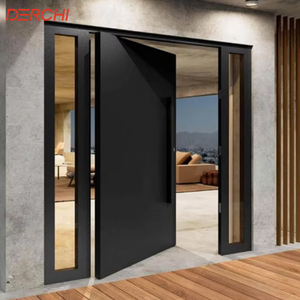
High Quality Exterior Entrance Cast Aluminium Front Main Door Modern Residential With Glass Pivot Security Entry Doors
Send an Inquiry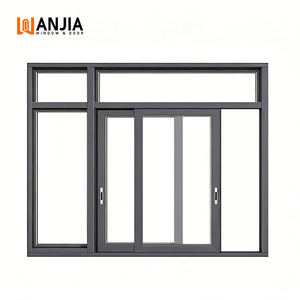
WANJIA Hurricane Impact Resistance Sliding Windows Aluminium Windows and Doors Others Sliding Window for House
Send an Inquiry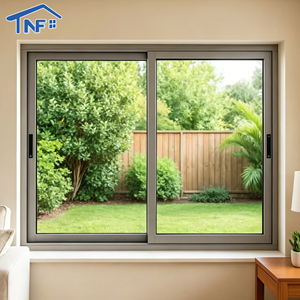
Hurricane Impact Aluminum Windows Double Glass Sliding Window Aluminium Sliding Windows For Houses Kitchen Bedroom Living Room
Send an Inquiry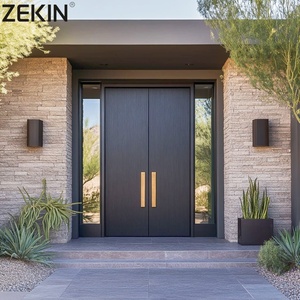
ZEKIN Aluminum Double House Front Entry Luxury Glass Door Anti-theft Front Entry Double Exterior Doors Double Entry Door
Send an Inquiry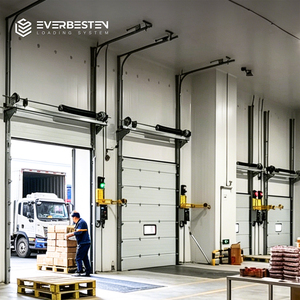
Everbesten Industrial Sectional Door Insulated Overhead Door Aluminum Alloy Construction Electric Motor Operation for Warehouse
Send an Inquiry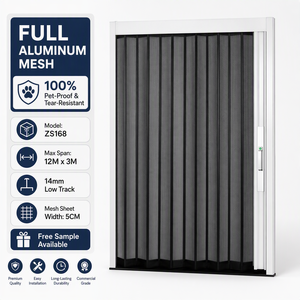
Heavy Duty Full Aluminum Mesh Retractable Screen Door Pet Proof Pleated Insect Screen Sliding Door for French Doors ZS168
Send an Inquiry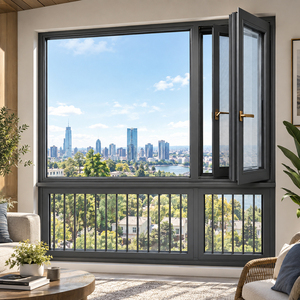
Custom Aluminum Storefront Doors And Windows Glass Entrance Systems For Retail Shops Restaurants And Commercial Buildings
Send an Inquiry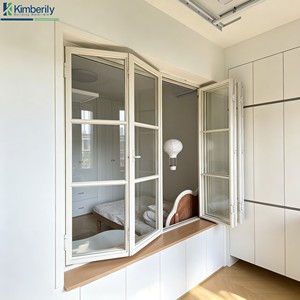
Left and Right Folding Windows Aluminum Bi-Fold Awning Window, for Home & Cafe & Restaurant Service Counter
Send an InquiryFoshan Manufacturing Infrastructure & Technical Scope
Operating from Songxia Industrial Park, Nanhai District, Foshan—China's primary hub for architectural aluminium extrusion—we deliver project-grade doors, windows, sunrooms, and curtain wall glazing worldwide.
Architectural Aluminium & Glass Door OEM Manufacturing Guide
An authoritative breakdown of material selection, thermal break engineering, acoustic dampening, structural wind loads, and international certification compliance for overseas buyers.
1. Extrusion Alloys, Tempering & Surface Treatment Engineering
In high-performance architectural glass door fabrication, the structural integrity of the frame begins with profile metallurgy. As an OEM manufacturer located in Foshan, KARON utilizes primary billet 6063-T5 and 6063-T6 architectural aluminium alloys. Unlike recycled scrap aluminium which introduces impurities and grain boundary defects, primary 6063 alloy offers optimal tensile strength (minimum 160 MPa for T5, 205 MPa for T6) and superior surface finish capability.
To meet diverse climate challenges—ranging from coastal salt-spray environments in Southeast Asia to extreme UV exposure in North America—our custom OEM fabrication processes support four major industrial surface treatment specifications:
- Fluorocarbon (PVDF) Coating: Utilizing 2-coat or 3-coat PPG/AkzoNobel coatings tested to AAMA 2605 standards. Provides exceptional resistance to chalking, humidity, and chemical erosion with a 20+ year color retention guarantee.
- Anodizing Finish (Qualanod Certified): Film thickness ranging from 15μm to 25μm (Class 10 to Class 25). Ideal for coastal entrance doors where high abrasion and saltwater corrosion resistance are mandatory.
- Architectural Powder Coating (Qualicoat Class 2): Electrostatic application providing 60–80μm film thickness, available in complete RAL color ranges, fine textured finishes, and weather-resistant matte series.
- Sublimation Wood Grain Transfer: High-definition timber aesthetic combined with structural metal durability, resisting termite attack, swelling, and thermal warpage common in natural timber entry doors.
Technical Information Gain: Wall Thickness vs. Structural Deflection
For large-span commercial storefronts and residential glass pivot doors exceeding 3.0 meters in height, profile wall thickness must comply with structural wind load calculations (ASTM E330 / EN 12211). Standard window profiles typically employ 1.4mm to 1.6mm nominal thickness, whereas custom structural glass doors and hurricane-rated sliding systems require engineered wall thicknesses of 2.0mm to 3.0mm at load-bearing screw chambers and corner crimping keys.
2. Thermal Break Structural Engineering & Glazing Optimization
Uninsulated aluminium profiles exhibit high thermal conductivity (K-value ~200 W/m·K), leading to significant indoor heat gain in summer and energy loss in winter, along with interior condensation. OEM thermal break glass doors decouple the inner and outer aluminium frames using low-conductivity polyamide thermal barriers.
Our production lines incorporate Polyamide PA66-GF25 (25% Glass Fiber Reinforced) thermal barrier strips. PA66-GF25 matches the coefficient of thermal expansion of aluminium alloy (2.3×10⁻⁵ /K), preventing joint shearing under severe ambient temperature fluctuations (-30°C to +80°C).
| Profile & Glazing Configuration | U-Factor (W/m²·K) | SHGC Range | Acoustic STC Rating | Primary Application Target |
|---|---|---|---|---|
| Non-Thermal Break + Single Tempered Glass (6mm) | 5.8 – 6.2 | 0.75 – 0.82 | 28 – 30 dB | Interior partitions, commercial retail shopfronts, tropical climates |
| Standard Thermal Break (14.8mm PA66) + Double Low-E (6+12A+6) | 2.2 – 2.6 | 0.38 – 0.48 | 35 – 38 dB | Modern residential villas, suburban housing developments |
| Multi-Chamber Thermal Break (24mm–34mm PA66) + Triple Low-E Argon (6+16Ar+6+16Ar+6) | 1.1 – 1.5 | 0.25 – 0.35 | 40 – 44 dB | Passive house construction, cold northern climates, high-noise urban zones |
| Hurricane Impact Laminated Glazing (6+1.52PVB/SGP+6) + Thermal Frame | 2.0 – 2.4 | 0.32 – 0.40 | 42 – 46 dB | Coastal storm zones, high-rise luxury oceanfront resort suites |
3. Future Procurement & Architectural Design Trends (2025–2030)
As international architectural specifications evolve toward net-zero building envelopes and seamless indoor-outdoor transition aesthetics, global procurement managers and developers are shifting sourcing criteria. OEM aluminium glass door suppliers must adapt to five dominant product trends:
Ultra-Narrow Sightline Minimalist Systems
Interlocking stile widths are shrinking from traditional 80mm profiles down to 21mm–25mm micro-slim sightlines. Concealed outer frames embedded into wall structures maximize daylight transmittance while maintaining structural rigidity through bonded structural silicone glazing.
Smart Home IoT & Motorized Automation
Procurement demand is surging for integrated electric lift-and-slide doors, motorized bi-fold window counters, and smart entrance doors featuring hidden electromagnetic locks, biometric access control, and smart glass tinting (PDLC switchable privacy glass).
Extreme Weather & SGP Impact Resilience
Driven by severe weather events, global building regulators enforce strict hurricane impact resistance (e.g., Florida Building Code TAS 201/202/203). High-end doors now incorporate SentryGlas® (SGP) interlayer laminates, offering 5 times the tear strength of conventional PVB.
4. Quality Assurance, Testing Protocols & Global Compliance
To ensure seamless cross-border compliance, KARON operates under an ISO 9001:2015 Quality Management System. Every custom door assembly undergoes rigorous factory acceptance testing (FAT) prior to crating, including corner joint tensile testing, hardware cycle durability (200,000 opening cycles), air permeability (EN 12207 Class 4), and water tightness (EN 12208 Class E1050).
Our architectural glass configurations hold verified third-party certificates for international market access:
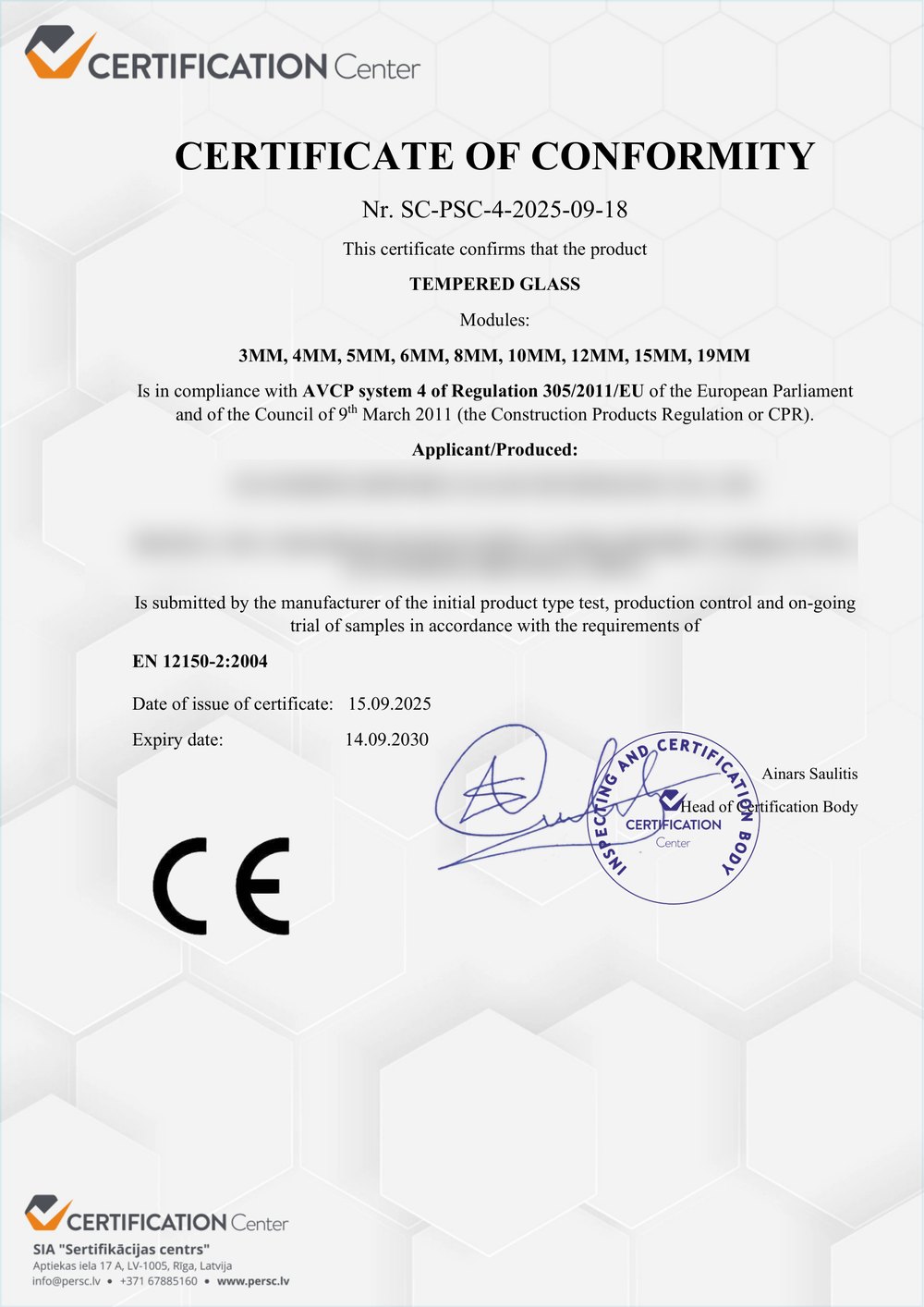
- European Union: CE Certification under EN 12150-1 (Thermally toughened safety glass) & EN 14351-1 (Windows and doors product standard).
- North America: SGCC (Safety Glazing Certification Council) compliance in accordance with ANSI Z97.1-2015 and CPSC 16 CFR 1201.
- Australia & New Zealand: AS/NZS 2208:1996 StandardsMark & CSi PAS-Mark for toughened and laminated safety glazing in buildings.
- Southeast Asia: Thailand TISI 965-2560 & 1231-2560 standards; Malaysia CIDB PPS certification (Permit Certificate No. 2-03250048/49).
Verified Global Project References
Our manufacturing reliability is demonstrated across major commercial and residential developments worldwide, including the Kora Beach Resort in Phuket (672 luxury units across 9 low-rise structures), Pirak Villa Cherngtalay (10,000+ m² system delivery), luxury custom villas in Texas, USA, beachfront residences in Greece and France, and commercial logistics headquarters such as TIP Group Co., Ltd.
Frequently Asked Questions for Sourcing Managers
Direct technical answers addressing OEM customization, structural tolerances, glass specifications, and global logistics.
Where is your glass door manufacturing facility located and what is your monthly capacity?
Can you fabricate glass doors according to custom architectural CAD/BIM drawings?
What hardware brands and multi-point locking systems do you integrate?
What is the difference between thermal break and non-thermal break aluminium door profiles?
How do you ensure safe export packaging for international glass freight?
What international certification documentation can you provide for site inspections?
Ready to Request a Factory Direct Quote or Technical Review?
Send your project elevation drawings, door schedule, or specification details to our engineering team. We provide rapid 24-hour drawing reviews, thermal analysis, and competitive OEM FOB/CIF quotes.
Send an Inquiry