Factory Direct Portfolio
Featured Custom Aluminium Windows & Doors Series
High-performance architectural envelope systems engineered for commercial developments, luxury villas, and multi-family residential projects.
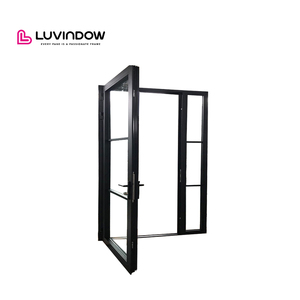
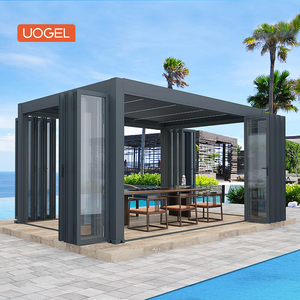
Thermal Broken Soundproof Customized Aluminum Swing Doors for North American Builder
Get a Quote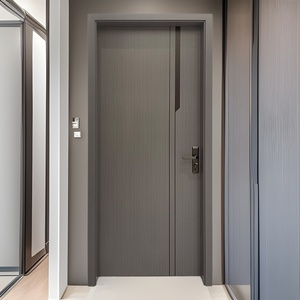
Foshan Aluminum Alloy Anti-Theft Bedroom Door Household Soundproof Environmentally Friendly All-Aluminum Interior Study Door
Get a Quote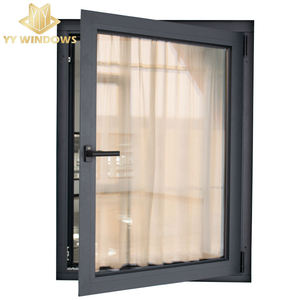
YY Facades NFRC CE Certificate Double Glazing German Aluminium Tilt And Turn Window Tempered Glass Aluminum Casement Windows
Get a Quote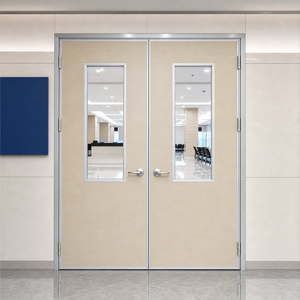
Commercial Use Side Opening Fire Door Modern Construction Finished Surface Fire Prevention Aluminum-Wood Door
Get a Quote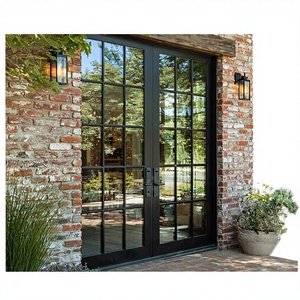
Sunnysky French Style Exterior Entry Double Tempered Glass Waterproof Modern Retro Black Aluminum Swing Door
Get a Quote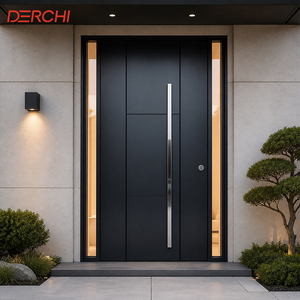
Aluminum Entry Front Door Exterior Security Door for Residential and Commercial Projects Custom Design
Get a Quote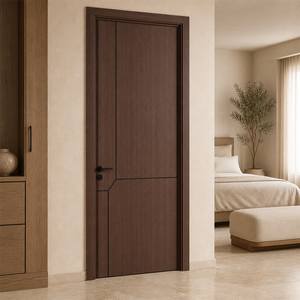
Custom Aluminum Interior Door Aluminum Alloy Door Low Maintenance Soundproof for Bathroom Hotel Commercial Dormitory
Get a Quote10,000㎡
Foshan Factory Plant
15+ Years
OEM & ODM Manufacturing
6+ Global
Certified Standards
0.8 W/m²K
Low Thermal U-Value
Technical Whitepaper: Engineering Custom OEM Aluminum Corner Windows
Modern architectural design is increasingly defined by visual transparency, minimalist frame profiles, and seamless connections between indoor living spaces and exterior landscapes. At the forefront of this evolution is the custom OEM aluminum corner window—a specialized architectural envelope solution designed to eliminate bulky vertical structural corner columns. By uniting two converging glass planes at a precise 90-degree angle (or custom acute/obtuse angles), corner windows unlock uninterrupted 270-degree panoramic views while flooding interior building cores with natural daylight.
However, from a structural engineering and manufacturing perspective, corner windows present unique physical challenges. Unlike conventional flat fenestration systems anchored on four sides by structural wall perimeters, a corner window configuration transfers structural dead loads, wind shear forces, and thermal expansion dynamics across an unsupported corner junction. As a premier source factory and exporter, our engineering team utilizes high-tensile extruded 6063-T5/T6 aluminum profiles, reinforced steel shear pins, and structural silicone glazing (SSG) to maintain rigorous structural integrity under severe environmental stresses.
Information Gain Insight: Standard window suppliers often rely on heavy, non-thermal aluminum corner posts that create severe thermal bridging and condensation points. Superior OEM engineering utilizes specialized multi-cavity thermal break extrusions combined with polyamide PA66-GF25 insulating bars and structural glass-to-glass corner joints, lowering system U-values while maintaining structural wind load resistance exceeding 5000 Pa (ASTM E330 / EN 12210 Grade P3).
Architectural System Classifications: Frameless Glass-to-Glass vs. Thermal Corner Post
When specifying custom aluminum corner windows for commercial or luxury residential projects, architects and B2B buyers must evaluate two primary structural configurations based on local building codes and wind load requirements:
1. Frameless Glass-to-Glass 90° Corner
Features zero vertical aluminum framing at the corner junction. Double or triple insulated glass units (IGUs) are joined using structural silicone sealant (e.g., Dow Corning 983 / SikaSil) and black argon-filled warm edge spacers, providing ultimate visual transparency.
2. Structural Thermal Break Corner Post
Incorporates an ultra-slim 90-degree corner mullion equipped with continuous polyamide thermal breaks. Ideal for high-rise commercial structures and high-velocity hurricane zones (HVHZ) requiring extreme torsional strength and wind deflection control.
3. 90° Bi-Fold & Sliding Corner Openings
Combines corner glass aesthetics with operable functionality. Utilizing heavy-duty stainless steel track rollers and concealed locking mechanisms, both sides open fully without a fixed central column to create seamless indoor-outdoor living transitions.
Product Evolution Trends in Aluminum Corner Glazing Systems
The global facade industry is undergoing rapid technical evolution driven by strict green building decarbonization mandates (such as the EU Energy Performance of Buildings Directive and US LEED v4.1 certifications). OEM aluminum corner window manufacturing has transitioned from simple perimeter daylighting into dynamic, highly engineered building envelope components. Key evolutionary trends shaping future procurement include:
1. Advanced Polyamide Thermal Break & Aerogel Insulation Integration
Traditional single-chamber aluminum profiles suffered from high thermal conductivity (K-value ~200 W/mK). Modern high-performance corner windows utilize multi-chamber aluminum extrusions fitted with 24mm to 34mm PA66-GF25 (25% glass fiber reinforced polyamide) insulation strips. Leading OEM factories are now infusing aerogel insulation pads inside profile chambers, drastically suppressing heat radiation and convection currents to achieve thermal transmittance values down to Uf ≤ 1.1 W/m²K.
2. High-Performance Safety Glazing & Warm-Edge Spacers
Glazing technology for corner windows has advanced beyond basic toughened glass. Current procurement trends prioritize triple-pane IGUs featuring dual Low-E coatings (such as Saint-Gobain Planitherm or PPG Solarban), argon gas filling (90%+ concentration), and composite warm-edge spacer bars (Technoform / Swisspacer). This prevents perimeter cold-bridging, suppresses internal condensation under low ambient winter temperatures, and provides acoustic sound isolation up to STC 45 dB.
3. Surface Finishing Innovations: PVDF vs. Powder Coating
Architects operating in harsh coastal environments demand extreme weatherability. OEM exporters now offer Qualicoat Class 2 / Class 3 certified electrostatic powder coatings and AkzoNobel Fluorocarbon PVDF coatings (2-coat or 3-coat systems). These surface treatments withstand over 3,000 hours of salt spray testing (ASTM B117) without chalking, blistering, or color degradation, ensuring long-term color retention in tropical marine climates.
System Specification & Performance Matrix
Comparative technical data across primary custom aluminum corner window configurations manufactured in our Foshan export facility:
| Performance Indicator | Frameless Glass-to-Glass Corner | Structural Thermal Corner Post | 90° Corner Bifold System |
|---|---|---|---|
| Thermal Insulation (Uw Value) | 1.1 – 1.4 W/m²K (Triple Low-E) | 0.8 – 1.2 W/m²K (Aerogel Enhanced) | 1.3 – 1.6 W/m²K (PA66 Thermal Break) |
| Wind Pressure Resistance | ASTM E330: 3,500 Pa | ASTM E330: 5,500 Pa (HVHZ Rated) | EN 12210: Class C4 (4,000 Pa) |
| Air Infiltration Rating | ASTM E283: < 0.1 cfm/ft² | ASTM E283: < 0.05 cfm/ft² | EN 12207: Class 4 |
| Water Penetration Resistance | ASTM E331: 700 Pa | ASTM E331: 1,000 Pa | EN 12208: Class E1050 |
| Acoustic Rating (Sound Isolation) | STC 40 – 44 dB | STC 42 – 46 dB | STC 36 – 40 dB |
| Corner Junction Sightline | 0 mm (Full Glass-to-Glass) | 45 mm – 65 mm Slim Profile | 90 mm Interlocking Stile |
Future B2B Procurement Trends for Global Fenestration Importers
As global real estate developers, facade contractors, and architectural hardware importers navigate volatile supply chains and rising raw material costs, procurement strategies for aluminum corner windows are shifting dramatically:
1. Rise of Full Envelope OEM Customization
Buyers are consolidating purchasing away from fragmented suppliers. OEM factories capable of supplying matching corner windows, thermal break sliding doors, glass railings, and sunrooms under unified finish batches are capturing key market share.
2. Mandatory Regional Compliance Certification
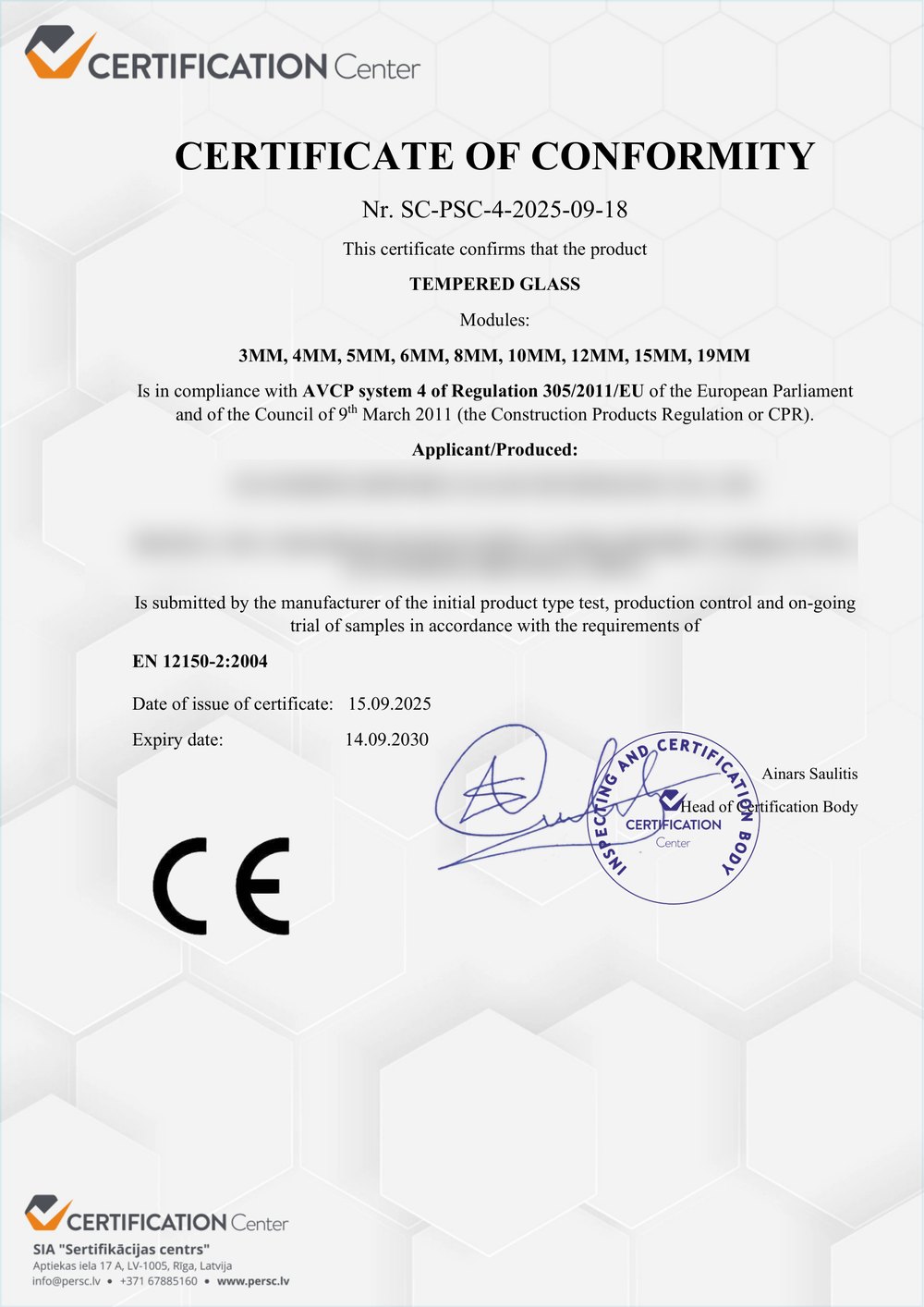
Importers are demanding pre-certified systems validated by third-party testing agencies (CE EN 12150, US SGCC, Australia AS 2208, NZ AS/NZS 2208, Thailand TISI, Malaysia CIDB) to streamline site inspection approvals and municipal occupancy permits.
3. DFM & Modular Knock-Down (KD) Shipping
To reduce container shipping freight costs and mitigate glass breakage risks during ocean transit, leading factories design precise Design for Manufacture (DFM) knock-down frame assemblies with pre-drilled corner keys and specialized crating.
Why Global Developers Partner with Karon Window & Door Co., Ltd.
Located in Foshan, Guangdong—the world’s premier aluminum extrusion and manufacturing hub—Karon Window & Door Co., Ltd. operates a 10,000 m² standardized production plant dedicated to engineering project-grade custom aluminum windows, architectural doors, sunrooms, and frameless glass balustrades.
With over 15 years of OEM/ODM manufacturing expertise, our engineering office turns architectural CAD shop drawings and BIM models into precision-machined reality. From multi-unit commercial resort developments (such as the 672-unit Kora Beach Resort in Phuket) to luxury custom villas across North America, Europe, and Southeast Asia, our full-process quality inspection ensures 100% frame-to-glass fitment before export container loading.
Expert Guidance
Frequently Asked Questions (FAQ) for Corner Window Procurement
Detailed answers covering structural design, shipping protection, thermal performance, and OEM customization processes.
How do you ensure water-tightness at the 90-degree corner joint?
Water tightness at the corner connection is achieved through a multi-tiered sealing system. For frameless glass-to-glass corners, we utilize UV-resistant structural silicone sealant combined with specialized EPDM corner gaskets and internal aluminum drainage channels that divert micro-filtered water outward through concealed weep holes. For framed corner posts, German-imported corner crimping keys are injected with two-component corner adhesive (e.g., Weiss Cosmofren), creating a completely liquid-impermeable joint tested under high-pressure water spray (ASTM E331 > 700 Pa).
What glass configurations are recommended for corner windows in tropical vs. cold climates?
For tropical marine regions prone to high solar radiation (e.g., Southeast Asia, Caribbean, Florida), we recommend double-laminated or double-insulated Low-E glass (6mm Solarban 60 + 12Ar + 6mm Clear) to minimize Solar Heat Gain Coefficient (SHGC < 0.25). For cold Northern climates (e.g., Northern US, Canada, Europe), we engineer triple-pane insulated glass units (6mm Low-E + 12Ar + 4mm Clear + 12Ar + 6mm Low-E) featuring warm-edge spacers, achieving overall window U-values below 0.9 W/m²K to eliminate interior perimeter frost and draft chill.
Can your factory build custom aluminum corner windows according to my architectural CAD schedules?
Yes, 100% of our production is custom-engineered to buyer drawings. Our engineering team reviews your architectural elevation plans, structural opening dimensions, wind-load specs, and local building code standards. Before mass production, we issue detailed 2D/3D CAD shop drawings detailing profile wall thickness, glass build-up, anchor points, flashing details, and hardware placement for formal sign-off.
How are large L-shaped glass units packaged to prevent breakage during container export?
Glass units and assembled corner frames are wrapped in protective polyethylene scratch film, edge-protected with high-density EPDM foam corners, and enclosed in fully closed, ISPM-15 compliant fumigated plywood crates. Crates are loaded into ocean containers using specialized forklift rigs and anchored to structural container walls using heavy-duty polyester ratcheting straps and steel dunnage, ensuring zero shift during high-sea transit.
What is the difference between 6063-T5 and 6063-T6 aluminum profile extrusions for corner windows?
6063-T5 aluminum is artificially aged after extrusion, offering excellent surface smoothness, high corrosion resistance, and optimal tensile strength (~150 MPa) ideal for standard residential windows. 6063-T6 undergoes solution heat treatment and artificial aging, delivering higher yield strength (~210 MPa) and hardness. We specify 6063-T6 aluminum for heavy-duty structural corner posts, commercial curtain walls, and high-wind structural frames requiring maximum resistance to deflection.
What is your typical lead time for OEM extrusion, fabrication, and export shipping?
Standard fabrication lead time for custom aluminum corner windows and doors is 25 to 35 calendar days following shop drawing approval and deposit confirmation. If custom aluminum extrusion dies or specialized non-standard powder coating colors (e.g., custom RAL matching) are required, an additional 7 to 10 days is allocated for profile extrusion tooling and sample verification.
Ready to Engineer Your Custom Aluminum Corner Window Project?
Submit your window schedules, architectural elevations, or BOQ requirements. Our senior facade engineers will provide technical analysis, structural review, and factory-direct pricing within 24 hours.
Get a Quote