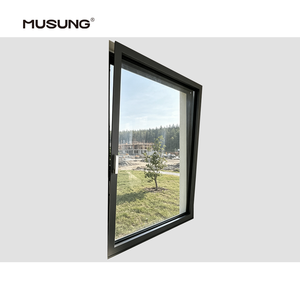
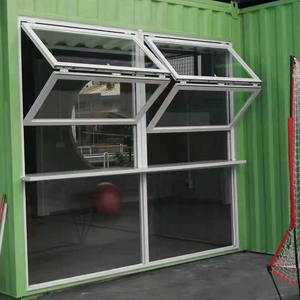
Featured OEM Architectural Aluminum Windows
Factory-direct thermal break extrusions, custom soundproof double-glazed units, and hurricane-impact resistant window systems engineered to exact architectural schedules.
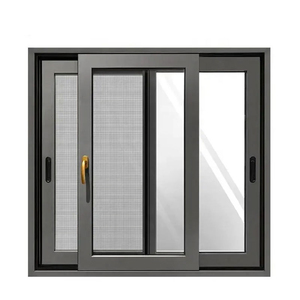
6000-Series Alloys
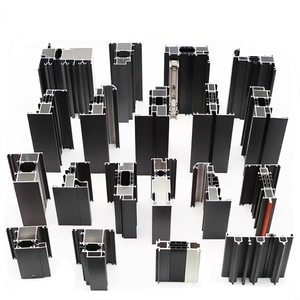
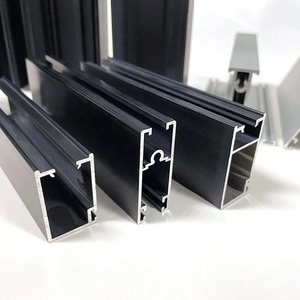
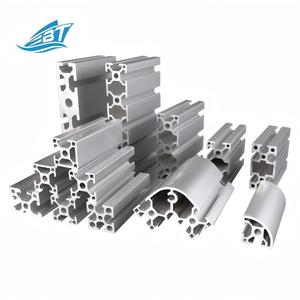
Premium 6063-T5 / 6061-T6 aluminum billets extrusions offering structural rigidity up to DP100 wind pressure standards.
PA66GF25 Thermal Break
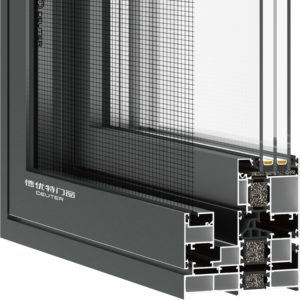
Polyamide insulation strips engineered to eliminate thermal bridges, achieving U-values below 0.8 W/m²K for Passive Houses.
Hurricane Impact Tested
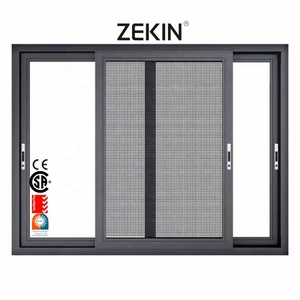
Certified SGCC, AS2047, and Miami-Dade compliant laminated safety glass systems resisting extreme wind load pressures.
1. Technical Whitepaper: Custom OEM Aluminum Fabrication Architecture & Engineering Standards
In modern architectural fenestration, the specification of custom aluminum windows and doors has evolved from basic envelope infill to highly complex structural, thermal, and acoustic engineering. As a premier Foshan-based OEM aluminum fabrication facility, KARON (Karon Window & Door Co., Ltd.) leverages over 15 years of metallurgical research, precision CNC machining, and thermal barrier optimization to deliver project-grade architectural glazing solutions tailored to strict global building codes.
Custom OEM fabrication requires a holistic understanding of alloy selection, surface chemistry, structural corner joint crimping, and silicone structural glazing (SSG). Factory-level precision determines whether an exterior glazed envelope can endure 50+ years of severe dynamic wind loads, salt-spray atmospheric corrosion, and intense thermal expansion differential without structural fatigue or water penetration.
Metallurgical Selection: 6063-T5 vs. 6061-T6 Extrusion Profiles
The structural integrity of an aluminum window system begins at the billet extrusion stage. Our OEM fabrication plant exclusively utilizes primary aluminum billets conforming to international chemical composition limits:
- AA6063-T5 Aluminum Profile: Standard choice for high-end architectural window frames. With controlled addition of Magnesium (0.45-0.9%) and Silicon (0.2-0.6%), T5 artificial aging provides an ultimate tensile strength exceeding 185 MPa. It allows intricate geometric multi-chamber extrusions with exceptionally smooth surface finishes suited for anodizing and PVDF fluorocarbon coatings.
- AA6061-T6 Aluminum Profile: Specified for heavy-duty curtain wall structural mullions, large span lift-and-slide doors, and high-rise structural framing requiring yield strengths above 240 MPa. T6 tempering delivers superior shear resistance under high structural design pressures (DP60 to DP100).
Thermal Barrier Engineering: Polyamide Strip Insertion (PA66-GF25)
To combat thermal conductivity (aluminum thermal conductivity is approx. 200 W/m·K), modern green building codes mandate thermal break technology. Our factory utilizes techno-polymer thermal barriers composed of Polyamide 66 reinforced with 25% glass fiber (PA66-GF25). The glass fiber reinforcement matches the coefficient of thermal expansion of aluminum profiles (2.3 × 10⁻⁵ /K), preventing profile de-crimping or thermal bowing under severe interior/exterior temperature differentials.
| Performance Indicator | Standard Aluminum Profile | PA66-GF25 Thermal Break System | Passive House Ultra Thermal System |
|---|---|---|---|
| Thermal Transmittance (U-Value) | 5.5 – 6.5 W/m²K | 1.6 – 2.2 W/m²K | 0.75 – 1.1 W/m²K |
| Acoustic Insulation (STC / R_w) | STC 26 – 30 dB | STC 38 – 42 dB (Double Glazed) | STC 45 – 50 dB (Triple Glazed/PVB) |
| Water Tightness (Pa) | 300 Pa (Class 6) | 600 Pa (Class 9A) | 900+ Pa (High-Rise Hurricane) |
| Air Infiltration Rating | Level 3 (GB/T 7106) | Level 8 (GB/T 7106 / NFRC) | Class A4 (EN 12207 / Passive) |
2. Future Procurement Trends in Global Architectural Aluminum Fabrication
As commercial developers, facade engineers, and master architects prepare for net-zero building directives, international B2B procurement trends for aluminum windows are undergoing pivotal shifts:
A. Low-Carbon Recycled Billet Sourcing & EPD Compliance
Global architectural procurement increasingly mandates Environmental Product Declarations (EPDs). Primary aluminum smelting is energy-intensive. OEM factories that integrate post-industrial and post-consumer recycled aluminum billets (such as 75% scrap content extrusions) reduce embodied carbon emissions from ~18 kg CO₂e/kg Al to below 4.0 kg CO₂e/kg Al. Factory compliance with ISO 14040/44 lifecycle assessments is rapidly becoming a mandatory pre-qualification standard for European and North American B2B tenders.
B. Prefabricated Unitized Systems & Modular Assembly
On-site labor costs in developed markets continue to escalate. Procurement heads are moving away from stick-built window installations to factory-assembled, fully glazed unitized window packages. OEM factories equipped with automated structural silicone glazing lines, pre-installed EPDM gaskets, and factory-tested hardware alignment deliver drop-in units ready for crane installation, cutting site installation cycles by up to 60%.
C. Smart Fenestration & Electrochromic Glass Integration
The convergence of building automation and window manufacturing has popularized integrated smart hardware. High-end villa projects now request concealed motorized chain actuators, automated multipoint locking gear compatible with KNX/Zigbee smart home protocols, and electrochromic dynamic tint glass powered by low-voltage aluminum internal wireways milled during 5-axis CNC profile machining.
3. Industry Evolution & Manufacturing Technology Breakthroughs
The manufacturing capabilities of leading Chinese aluminum window factories have shifted from manual labor-intensive assembly to automated Industry 4.0 production environments. Key technology trends defining the market include:
- 5-Axis CNC Milling Precision: Automated machining centers perform milling, drilling, hardware slotting, and drain notch punching in a single clamping operation. This achieves micro-scale tolerances (±0.1mm), eliminating site adjustment headaches for heavy-duty multipoint hinges and tilt-turn hardware.
- Seamless Corner Crimping & Injection Vulcanization: Traditional mechanically screwed window corners often suffer from corner misalignment and long-term water leakage. Modern OEM production utilizes heavy hydraulic corner crimping combined with dual-component corner joint glue injection (epoxy/polyurethane resin) to ensure rigid structural corner strength and 100% water sealing.
- Concealed Drainage & Micro-Ventilation Systems: Sub-surface invisible drainage channels replace traditional exterior drain caps. Pressure-equalized drainage chambers force wind-driven rain outwards via gravity, while preventing back-draft air infiltration during high-pressure storm events.
4. Enterprise Manufacturing Advantages & Global Project Credentials
Located in Nanhai District, Foshan City—the epicenter of global aluminum extrusion manufacturing—KARON (Karon Window & Door Co., Ltd.) manages a modern 10,000 square-meter production complex. Operating strictly under ISO 9001 certified quality management, our plant provides end-to-end custom fabrication solutions for overseas developers, construction groups, and facade importers.
Multi-National Certifications
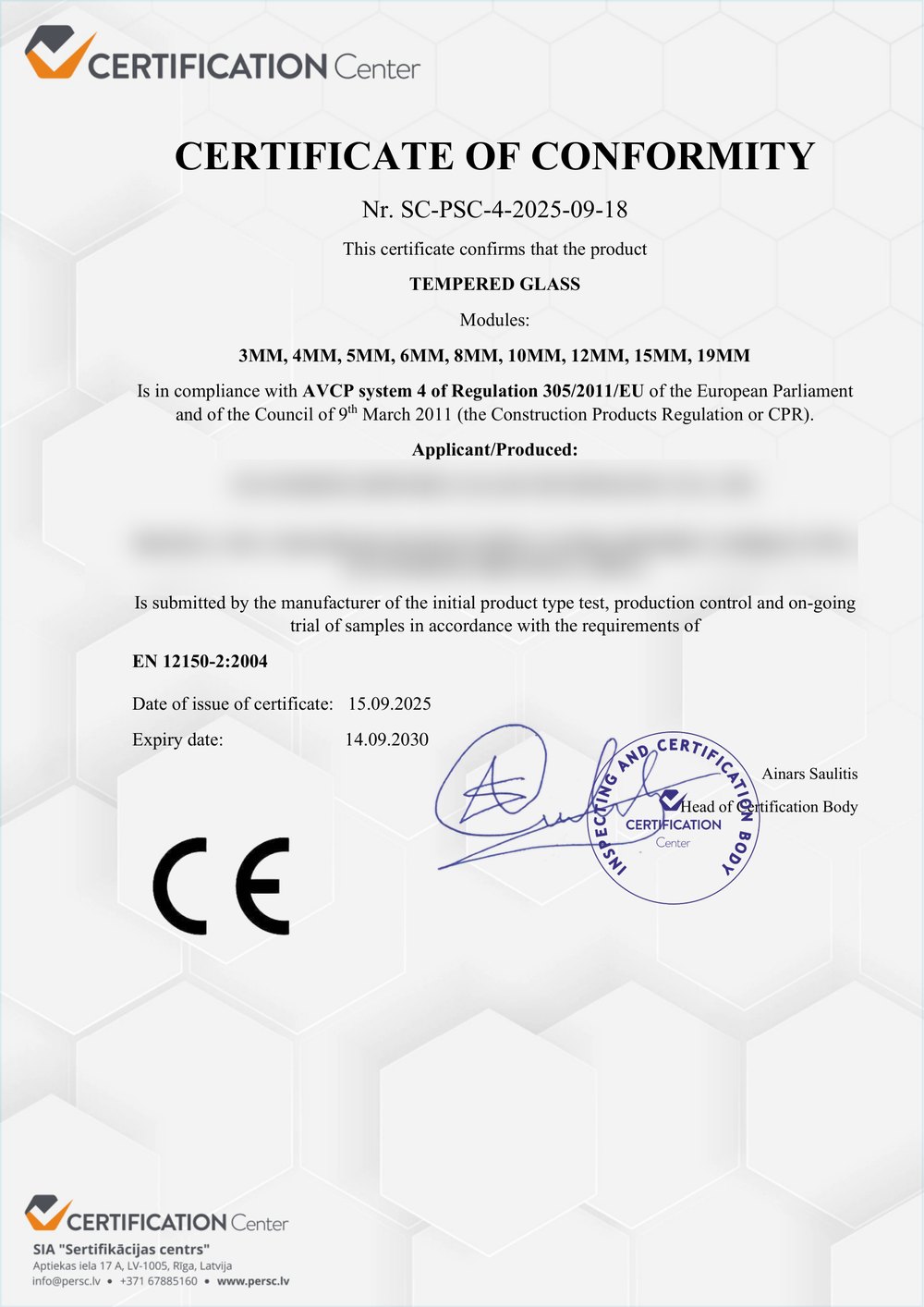
Full compliance credentials including CE (EN 12150), US SGCC safety glass certification, Australia AS 2208, NZS 2208, Thailand TISI, and Malaysia CIDB.
Turnkey OEM Customization
Custom extrusion design, shop drawing verification, acoustic glass buildup, and surface finishes (AkzoNobel powder coating, PVDF, wood grain transfer).
Proven Global Deliveries
Track record of major global deliveries, including the 672-unit Kora Beach Resort Phuket, luxury Texas US private residences, and European villa projects.
5. Frequently Asked Questions (FAQ) for B2B Window Procurement
What is the structural difference between custom thermal break aluminum windows and standard aluminum profile systems?
How does KARON ensure compliance with North American and Australian building codes?
What surface coating options are available for coastal or high-corrosion environments?
What details are required to request an engineering estimate or architectural shop drawing review?
- Architectural window schedules or floor plans showing opening dimensions and opening types (casement, sliding, tilt-turn, folding).
- Performance specifications: Target U-factor, solar heat gain coefficient (SHGC), acoustic STC requirements, or wind pressure resistance.
- Glass configuration preferences (e.g., 6mm Low-E + 12Ar + 6mm Toughened Clear).
- Surface finish color codes (RAL numbers) and hardware brand preferences (HOPO, CMECH, Siegenia, Roto).
How are custom window shipments packaged to prevent glass breakage and frame scratching during ocean transport?
- Frame surface wrapping with anti-scratch protective film.
- Corner protection caps installed on all four frame corners.
- High-density PE foam padding wrapping the entire window assembly.
- Custom fumigation-free plywood crates or steel A-frame glass transport racks with air-cushioned strapping to absorb dynamic shocks inside shipping containers.