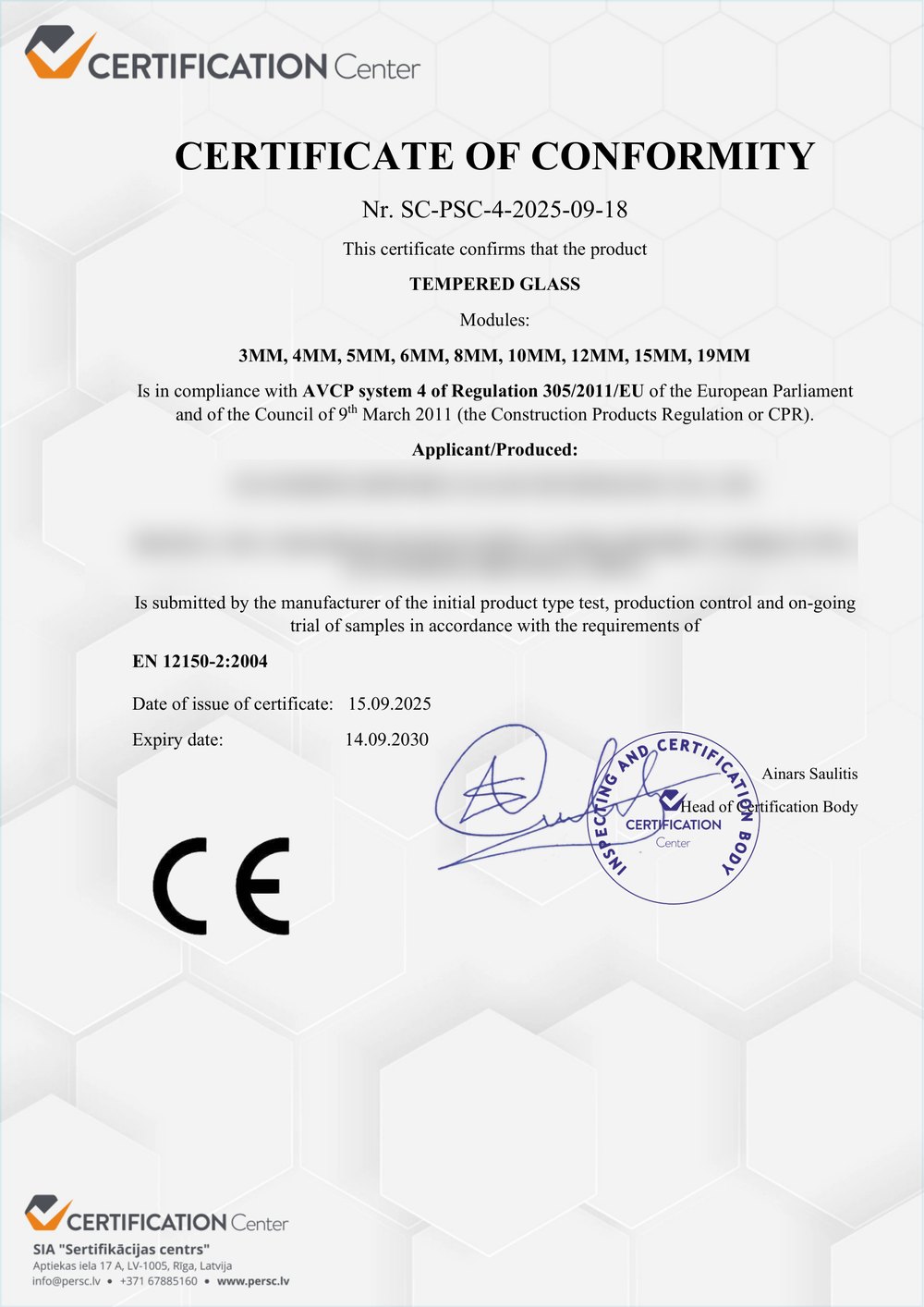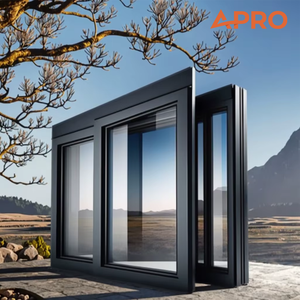
Thermal Insulation Soundproof Double-Glazed Sliding Window
Heavy-duty extruded aluminum sliding system engineered with multi-chamber thermal breaks and dual EPDM seals for extreme acoustic dampening.
Explore our OEM manufacturing line featuring structural thermal break profiles, hurricane-impact resistance, and custom safety glass options engineered to exceed international standards.
Heavy-duty extruded aluminum sliding system engineered with multi-chamber thermal breaks and dual EPDM seals for extreme acoustic dampening.
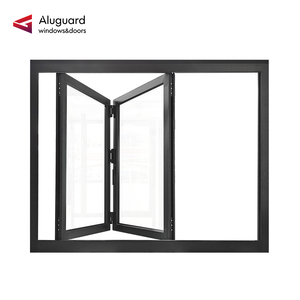
Zero-leakage bi-fold window system designed for commercial restaurant fronts and luxury patio openings with ultra-slim sightlines.
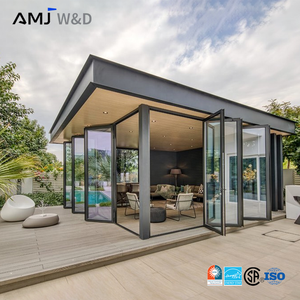
High wind-load engineered folding door system configured with integrated flyscreens and low-E insulated glass units for hot arid climates.
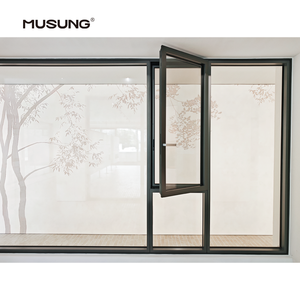
Reinforced 6063-T6 aluminum frame casement system fitted with SGP laminated safety glass for severe coastal windstorms and security protection.
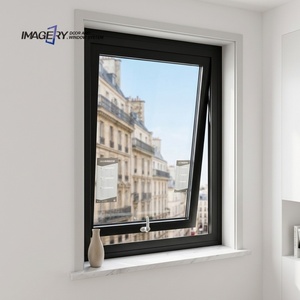
Top-hung outward opening awning window equipped with multi-point locking mechanisms and superior thermal barrier polyamide strips.
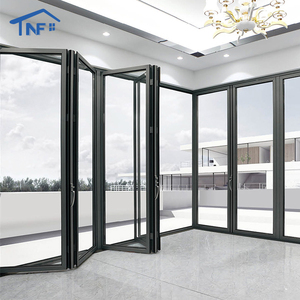
Fully customizable exterior sliding-folding system rigorously tested to North American NFRC energy codes and SGCC safety glazing requirements.
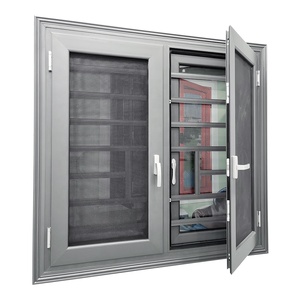
Commercial-grade aluminum casement framework featuring concealed friction hinges and ultra-low U-factor thermal performance for modern villas.
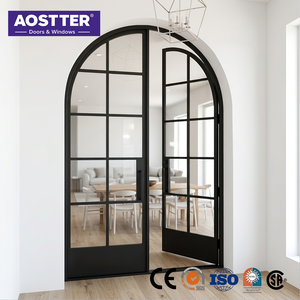
Ultra-narrow mullion aluminum interior partition and swing door system compliant with Australian AS2047 architectural framing standards.
For over 15 years, KARON (Karon Window & Door Co., Ltd.) has operated as a benchmark manufacturer based in Foshan, China—the global epicenter of architectural aluminum profile extrusion.
Fixed glass windows—often designated in architectural schedules as non-operable picture windows or fixed lites—play a paramount role in modern structural glazing facades. Unlike operable window sash mechanisms, fixed aluminum windows are specifically engineered to optimize daylighting, maximize uninterrupted panoramic views, and provide superior structural resistance against extreme wind loads (Positive and Negative Pressure Deflection ratios up to L/175 or L/240).
At our 10,000 m² Foshan manufacturing center, we utilize premium primary-grade 6063-T5 and 6063-T6 aluminum alloys. Profiles are extruded with uniform wall thicknesses ranging from 1.4mm for residential applications up to 3.0mm structural walls for high-rise commercial ribbon windows and storefront curtain wall framing. Surface treatments include AkzoNobel fluorocarbon (PVDF) electrostatic spraying, hyper-durable powder coating (minimum 60–80 microns thickness), and 25-micron architectural anodizing, offering resistance against salt spray corrosion for coastal installations.
Our thermal break fixed windows incorporate imported 25% glass-fiber reinforced Polyamide (PA66 GF25) thermal barrier strips. This structural separation effectively isolates interior and exterior profile sections, dramatically mitigating thermal bridging and lowering system U-factors to under 1.2 W/m²K (0.21 BTU/hr·ft²·°F).
We process Insulated Glass Units (IGU) featuring tempered safety glass, low-emissivity (Low-E) pyrolytic coatings, Argon gas filling (90%+ concentration), and warm-edge composite spacers. For hurricane zones, we integrate Kuraray SGP® or PVB laminated interlayers matching SGCC and AS/NZS 2208 certifications.
Zero-tolerance weatherproofing is achieved using continuous vulcanized EPDM rubber gaskets combined with Dow Corning structural silicone sealant (SSG). This eliminates water penetration under static pressure conditions exceeding 1050 Pa (ASTM E331 performance standard).
The table below summarizes the technical specifications of KARON OEM aluminum fixed glass windows compared to conventional market standards:
| Technical Parameter | KARON OEM Commercial Fixed Lite | Standard Commodity Window | Testing Protocol / Standard |
|---|---|---|---|
| Aluminum Alloy Grade | 6063-T5 / T6 High-Precision Extrusions | Recycled Low-Grade Aluminum | GB/T 5237 / ASTM B221 |
| Thermal Transmittance (U-Value) | 0.8 – 1.4 W/m²K (Triple / Double Low-E IGU) | 2.8 – 3.5 W/m²K | NFRC 100 / EN ISO 10077 |
| Acoustic Rating (STC / Rw) | STC 42 – 48 dB (with Laminated Acoustic IGU) | STC 26 – 30 dB | ASTM E90 / ISO 717-1 |
| Air Infiltration Resistance | Class 4 (≤ 0.1 m³/m·h) | Class 1 – 2 | ASTM E283 / EN 12207 |
| Water Penetration Pressure | 1050 Pa (Zero leakage design) | 300 Pa | ASTM E331 / EN 12208 |
| Structural Wind Load Capacity | Up to ± 6000 Pa (Designed per wind zone) | ± 2000 Pa | ASTM E330 / AS 2047 |
As global building energy codes tighten and architectural design aesthetics lean heavily toward transparent envelope integration, fixed glass windows are evolving beyond passive elements into active performance barriers.
Modern architectural design overwhelmingly favors ultra-minimalist, floor-to-ceiling glass connections. Future manufacturing trends center on perimeter frame structural embedding, where the aluminum extrusion is fully recessed into the building wall reveals. This creates invisible frame profiles, maximizing visual aperture while maintaining structural structural sealant adhesion along the glass perimeter.
Procurement forecasts indicate rapid growth in Building-Integrated Photovoltaic (BIPV) glass and electrochromic dynamic smart glass embedded within non-operable fixed window units. Fixed windows provide the ideal static structural plane for electrical wiring integration, enabling windows to automatically adjust Solar Heat Gain Coefficients (SHGC) or generate clean solar energy for commercial structures.
With international carbon border adjustments and LEED v4 / BREEAM sustainability standards, global real estate developers now require verified Environmental Product Declarations (EPD). Future B2B procurement favors aluminum fixed window suppliers utilizing post-consumer recycled aluminum billets extruded with hydroelectric power, reducing embodied carbon by up to 75%.
International architectural procurement has shifted dramatically from purchasing off-the-shelf standard sizes to comprehensive full-custom OEM engineering collaboration. Today’s facade consultants, general contractors, and project developers require full Digital Twin support prior to fabrication.
Supply of precise Autodesk Revit families containing embedded thermal values, structural material metadata, and precise glass build-up parameters for conflict detection.
Computerized structural stress modeling of aluminum extrusions under specified localized wind load conditions to optimize profile weight without compromising structural safety margin.
Fabrication of physical prototype units for third-party laboratory air infiltration, static/dynamic water pressure, and structural load validation prior to mass extrusion runs.
A seamless bridge between complex architectural vision and rigid factory production controls. Fully certified for smooth market entry worldwide.
Our Foshan factory houses multi-axis CNC machining centers, automated corner crimping lines, digital double-head cutting saws, and automated structural glass glazing lines ensuring tight manufacturing tolerances within ±0.5mm.
Products hold active test certificates verifying full compliance with global building codes: CE (EN 12150) for Europe, US SGCC safety glazing, Australia AS 2208 / AS 2047, New Zealand AS/NZS 2208, Thailand TISI, and Malaysia CIDB PPS.
Every fixed window assembly undergoes raw aluminum chemical composition inspection, powder-coat adhesion cross-hatch testing, glass seal integrity check, and complete pre-shipment assembly trial fitting with ISPM-15 export wooden crating.
From architectural CAD shop drawings verification to customized corner mullion connectors and installation hardware packs, our in-house engineering team works directly with your project project team from concept to final installation.
Detailed answers addressing structural engineering, OEM custom manufacturing, shipping logistics, and compliance verification.
Contact KARON’s engineering office today for custom shop drawing review, technical U-factor calculations, and factory-direct B2B OEM pricing.
Get Catalog