Architectural Aluminium Doors & Sliding System Portfolio
Engineered for high-end residential wardrobes, commercial cabinetry, thermal break balcony transitions, and interior spatial partitions.
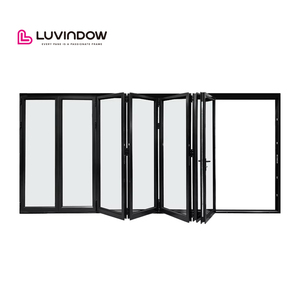
Panoramic Accordion Double Glazed Glass Doors Balcony Multi Panel Thermal Break Aluminum Heavy Duty Bi Fold Doors
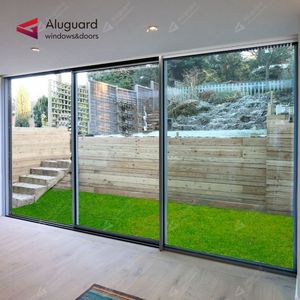
Minimalist House Automatic Sliding Door System Slim Double Wheels Thermal Break Aluminum Slide Doors for Interior Use
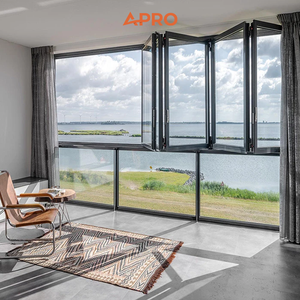
New Design Aluminium Sliding Window and Door Folding Australia Balcony Folding Balcony Bifold Window
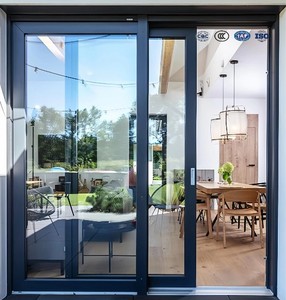
Modern Aluminum Alloy Sliding Windows and Doors with Tempered Glass Soundproof Exterior Use
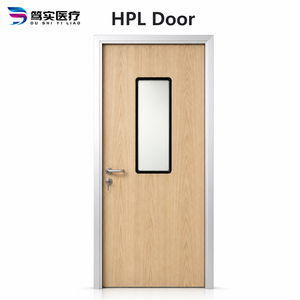
Commercial HPL Swing Door Waterproof Fire Resistant Antibacterial Door With Aluminum Honeycomb Core
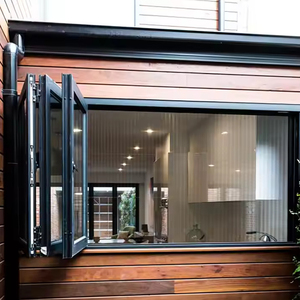
Thermal Break Modern Horizontal Aluminium Windows and Doors with 2.0mm Frame Multi Panel Folding for Kitchen Villa Patio Shop
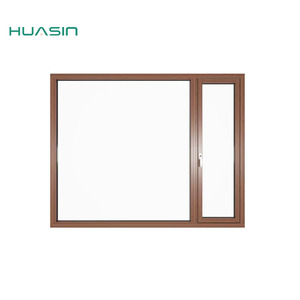
Huasin Modern Canada Standard 2026 Dustproof Waterproof Custom Aluminum Clad Wood Outdoor Exterior Doors Sound Insulation Level
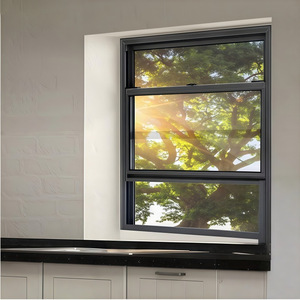
Wholesale Price American Style Top Bottom Aluminium Alloy Sliding Window Tempered Glass for Construction
Comprehensive Technical Specification & B2B Procurement Guide for OEM/ODM Aluminium Sliding Cupboard Systems
An authoritative analysis of extrusion alloys, mechanical hardware integration, surface treatments, and international compliance standards for global project specifiers.
1. Profile Metallurgy and Structural Wall Engineering
In high-end architectural joinery and commercial interior fit-outs, the performance of aluminium sliding cupboard and wardrobe doors depends fundamentally on the physical properties of the extruded profile alloy. As an established OEM/ODM exporter based in Foshan, Karon Window & Door Co., Ltd. utilizes 6063-T5 and 6061-T6 architectural-grade aluminium extrusions, engineered specifically to prevent vertical bowing, torsional flex, and sash deflection over extended usage cycles.
Standard interior cabinet extrusions frequently suffer from structural failure when tall panel heights exceed 2.4 meters. To eliminate panel warp under high aspect ratios, our custom profiles integrate localized structural ribbing with nominal wall thicknesses ranging from 1.2 mm to 2.0 mm. The 6063-T5 alloy exhibits a tensile strength exceeding 185 MPa and yield strength over 145 MPa, providing an optimal strength-to-weight ratio that maintains precise linear tolerances across span lengths up to 3.2 meters.
| Extrusion Spec Parameter | Standard Commercial Grade | KARON OEM/ODM Project-Grade | Engineering Benefit |
|---|---|---|---|
| Alloy Composition | 6063-T4 / Recycled Scrap Mix | 6063-T5 / 6061-T6 Primary Ingot | Superior structural rigidity & surface anodizing uniformity. |
| Profile Wall Thickness | 0.8 mm – 1.0 mm | 1.2 mm – 2.0 mm Reinforced | Zero frame warping on full-height ceiling-to-floor installations. |
| Tensile Strength (Rm) | < 130 MPa | ≥ 185 MPa | High wind load resistance & structural safety for room dividers. |
| Anodizing Film Thickness | 8 – 10 μm | 15 – 25 μm (Class 1 / Class 2) | Corrosion resistance passing 1,000h neutral salt spray (ASTM B117). |
| Hardware Cycle Lifetime | 10,000 Cycles | > 100,000 Cycles Tested | Commercial grade longevity for hotel & luxury villa fit-outs. |
2. Technological Innovations in Sliding Mechanism & Surface Engineering
Soft-Close & Dampened Roller Mechanics
Equipped with dual-directional hydraulic buffers and Japanese heavy-duty nylon-encapsulated steel ball bearing rollers. Capable of supporting sash loads up to 120kg per door leaf with operational noise levels under 30 dB.
Ultra-Narrow Sightline Aesthetics
Designed with slim vertical stiles (12mm to 18mm visible face) to maximize glass surface transparency. Compatible with 4mm toughened glass, mirror assemblies, fabric-laminated acoustic glass, or HPL wood panels.
Advanced Electrostatic Surface Finishes
Utilizes AkzoNobel and PPG Qualicoat Class 2 powder coatings, fluorocarbon PVDF spraying, matte anodizing, and thermal-transfer 3D wood-grain finishes resistant to UV fading, humidity, and chemical abrasion.
3. Product Industry & Technological Evolution Trends (2025–2030)
The architectural joinery market is undergoing a structural paradigm shift driven by urban spatial density, minimalist interior design philosophies, and strict environmental sustainability directives. B2B buyers and importers must align procurement strategies with these core industry vectors:
Motorized & Smart Capacitive Automation
Integration of low-voltage DC brushless motors, linear magnetic drive tracks, and smart home protocol compatibility (Zigbee/Matter/Tuya). Automatic opening via touchless infrared or radar sensors is becoming standard for luxury walk-in wardrobes and executive suite cabinets.
Acoustic Dampening & Interior Thermal Zoning
Application of multi-cavity thermal break extrusions and EPDM perimeter seals inside sliding closet doors. This structural isolation limits sound transmission (STC ratings up to 38 dB) between master suites, dressing rooms, and adjacent living quarters.
Universal Modular Infill Compatibility
Modern extrusions feature universal panel insertion channels (4mm–10mm) allowing interchangeable snap-in glass, metallic mesh, leather, or acoustic fabric infills without requiring specialized extrusion profile tooling changes.
Future B2B Procurement & Sourcing Trends
Key market intelligence factors shaping how general contractors, furniture manufacturers, and importers source aluminum sliding systems from China factories.
01. Complete Knock-Down (CKD) Packaging Optimization
Global sea freight container rates demand maximum volumetric packing density. Forward-thinking buyers are shifting from pre-assembled sliding door leaves to precision-machined CKD profile kits. KARON provides pre-drilled, CNC-notched extrusions with hardware corner connectors, cutting ocean freight costs by up to 65% per unit shipped.
02. Sustainable Low-Carbon Bauxite Sourcing
Strict carbon border adjustment mechanisms (CBAM in the EU) require verification of low-carbon aluminium production. Our profiles are sourced from certified smelters using hydroelectric power, providing documented EPD (Environmental Product Declaration) credentials required for LEED and BREEAM project certifications.
03. Direct Rapid OEM Die Tooling Prototyping
Custom commercial developments demand custom architectural profiles. With in-house CAD/CAM tooling facilities in Foshan, custom profile die development turnaround has dropped from 30 days down to 7–10 working days, allowing rapid sampling and immediate mock-up approvals for grand-scale tenders.
Why Sourcing from Karon Window & Door Co., Ltd. Delivers Competitive Advantage
Combining industrial Foshan extrusion supply chains with rigorous international safety glazing and structural building codes.
10,000 m² Foshan Production Hub
Located in Songxia Industrial Park, Nanhai District, Foshan—the world's premier aluminium extrusion manufacturing center. Our facility houses high-precision CNC cutting centers, corner-crimping machinery, and automated glass assembly lines.
Verified Global Compliance Matrix
Fully compliant with international safety glazing standards including CE (EN 12150), US SGCC, Australia AS 2208, New Zealand AS/NZS 2208, Thailand TISI, and Malaysia CIDB PPS certification. Every container includes factory test reports and batch compliance certificates.
Proven International Project Track Record
Trusted supplier for landmark global developments including the 672-unit Kora Beach Resort Phuket, luxury private villas across Texas (USA), France, and Greece, as well as commercial logistics offices and hotel complexes worldwide.
Frequently Asked Questions for B2B Sourcing & Technical Specifiers
Essential answers regarding MOQ, custom tooling, quality control, shipping, and architectural customization.
What is the minimum order quantity (MOQ) for custom OEM/ODM sliding cupboard door extrusions?
For standard anodized or powder-coated stock profiles, our MOQ starts at 300 kg per section profile. For custom OEM profile die creation requiring new extrusion tooling, the initial order minimum is 1 metric ton per profile series, with die fees waived upon reaching contract volume thresholds.
How does KARON guarantee glass safety compliance for overseas architectural projects?
All glass infills incorporated into our sliding door assemblies undergo strict thermal tempering or laminating processes. We provide verifiable safety glass certification matching destination market requirements: SGCC certification for North America, AS/NZS 2208 for Australia and New Zealand, and EN 12150 for Europe.
What is the turnaround lead time for sample development and mass production orders?
Standard sample production takes 7 to 10 working days. For custom extrusion profiles requiring new matrix dies, tooling takes 10 days followed by 5 days for sample extrusions. Mass production container orders are typically completed within 20 to 25 days post shop-drawing sign-off.
Can your aluminium sliding wardrobe systems handle heavy 10mm glass or solid wood panel infills?
Yes. Our heavy-duty architectural sliding series feature reinforced bottom tracks and heavy-load carriage rollers engineered to support up to 150 kg per panel leaf. Dual-wheel stainless steel tandem rollers ensure smooth movement for heavy 10mm tempered glass or dense HPL wood cores.
What surface finish options are recommended for high-humidity coastal resort environments?
For coastal applications subject to salt spray air (such as resort villas), we recommend fluorocarbon PVDF coating (min 30μm thickness) or 20μm+ hard-anodized architectural finishes compliant with AAMA 2605 or Qualicoat SeaSide standards to prevent filiform corrosion.
How are products packed to prevent scratch damage or bending during international transport?
Profiles and door leaves undergo a 4-layer export packaging protocol: protective surface film, EPE foam wrapping, reinforced cardboard edge guards, and fully sealed fumigated plywood crates or palletized steel frames designed for fork-lift unloading on site.