Featured OEM/ODM Architectural Glass Door & Window Systems
Explore our standardized and fully customizable aluminium profile systems engineered for residential villas, luxury resorts, multi-family construction, and modern commercial developments worldwide.
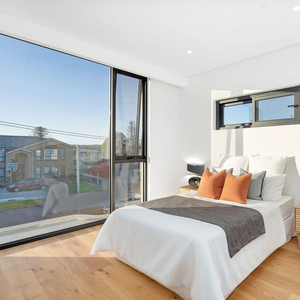
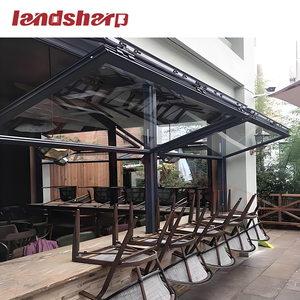
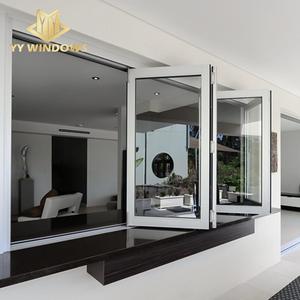
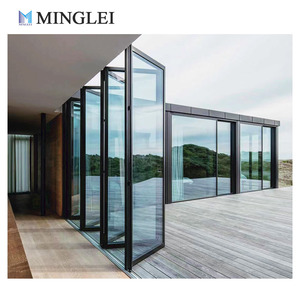
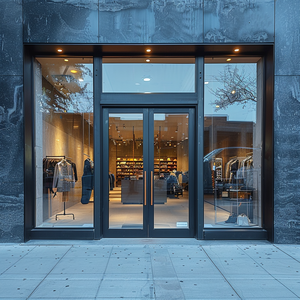
Executive Procurement Summary: Architectural Aluminium & Glass Systems
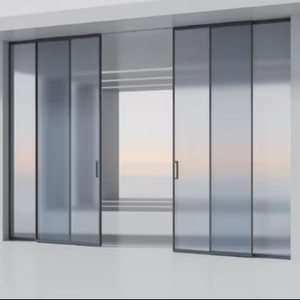
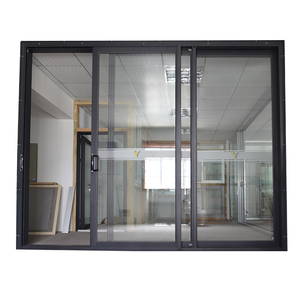
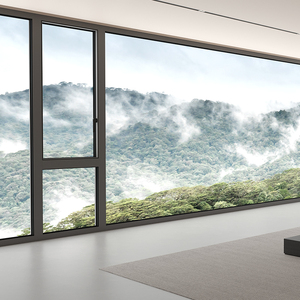
In contemporary architectural design, the demand for high-performance OEM/ODM aluminium glass doors and structural window systems has shifted from standard off-the-shelf fenestration to custom-engineered, climate-adaptive envelope solutions. As commercial developers, facade consultants, and general contractors seek lower overall U-factors, enhanced structural wind-load performance, and minimal frame sightlines, selecting the right manufacturing supplier in China becomes a pivotal strategic decision.
Operating out of Foshan, Guangdong—the global manufacturing core for advanced aluminium extrusion and fenestration technology—Karon Window & Door Co., Ltd. brings over 15 years of technical expertise. Spanning a 10,000 m² standardized manufacturing campus, our facility bridges high-capacity automated production with bespoke custom engineering to deliver architectural systems certified for the United States, North America, Europe, Australia, New Zealand, and Southeast Asia.
Material Science & Precision Engineering in Aluminium Door Manufacturing
High-end architectural doors require an unyielding balance of structural rigidity, longevity, thermal resistance, and operational smoothness. When procuring custom aluminium glass doors under OEM or ODM agreements, key material specifications directly determine long-term asset value.
1. Extrusion Alloys: 6063-T5 vs. 6063-T6 Structural Grade Aluminium
All KARON frames utilize primary 6063-grade aluminium alloy billets rather than remelted scrap. For slim-frame patio sliding doors and large-span bi-fold doors, heat treatment temper selection plays a key role:
- 6063-T5 Temper: Offers optimal extrudability, precise dimensional tolerance control, and superior surface finish quality ideal for complex thermal break profiles.
- 6063-T6 Temper: Artificially aged to achieve higher ultimate tensile strength (up to 205 MPa) and yield strength (170 MPa), specified for coastal hurricane-rated openings and oversized commercial storefront entrances.
2. Polyamide Thermal Break Technology (PA66-GF25)
Standard aluminium is a conductive metal. To prevent energy loss, high-performance exterior doors incorporate a thermal barrier strip. KARON utilizes imported PA66-GF25 (Polyamide 66 reinforced with 25% glass fiber) structural insulation strips. This ensures the thermal expansion coefficient of the insulating bridge matches the aluminium profiles perfectly, preventing seal failure under extreme seasonal temperature deltas (-30°C to +70°C).
3. Surface Finishing & Corrosion Defense Technologies
To withstand harsh salt-spray environments, desert humidity, and high ultraviolet radiation, our factory applies three industry-standard surface treatments compliant with AAMA 2605 and Qualicoat Class 2 specifications:
Fluorocarbon PVDF Spraying
Polyvinylidene Fluoride 3-coat finish offering 25+ years of color retention, chalk resistance, and chemical immunity against atmospheric acid rain.
Architectural Anodizing (Class I)
Controlled electrochemical oxidation building a dense protective oxide layer (≥ 18-25μm thickness) that delivers superior metallic texture and scratch hardness.
Sublimated Wood Grain Transfer
Eco-friendly vacuum heat-transfer process replicating organic timber texture while retaining the zero-maintenance and non-combustible properties of aluminium.
4. High-Performance Architectural Glazing Systems
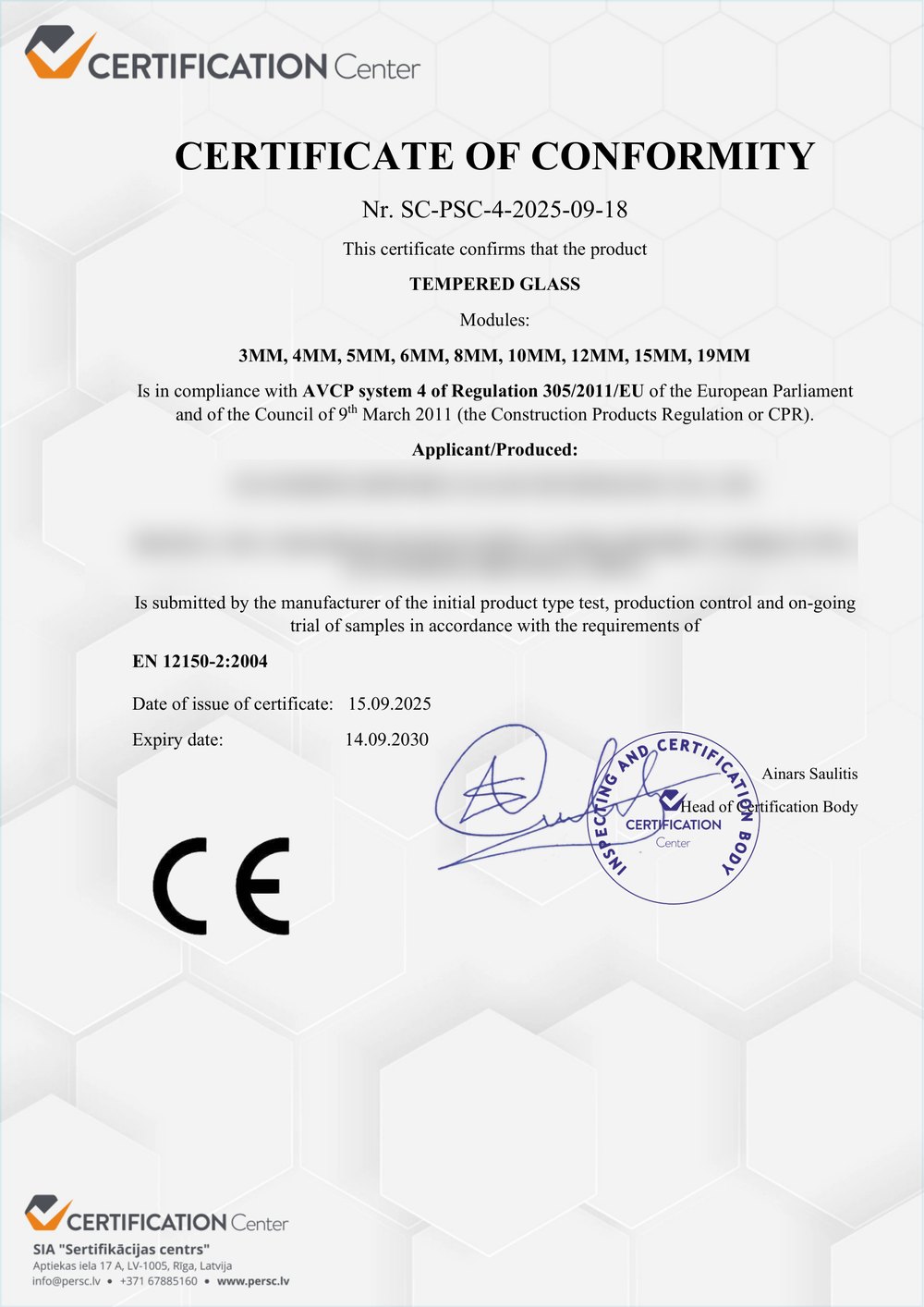
Glass accounts for 75% to 90% of a door opening's surface area. Our custom OEM configurations integrate advanced double and triple insulated glass units (IGUs) incorporating low-emissivity (Low-E) coatings, argon gas fill (90%+ concentration), warm-edge composite spacers, and safety tempering certified under international standards (SGCC, AS/NZS 2208, EN 12150).
Global Regulatory Compliance & Certification Matrix
One of the greatest friction points in cross-border fenestration procurement is navigating destination-market building codes. KARON eliminates compliance risk by maintaining active test reports and certification credentials verified by international testing bodies.
| Target Region | Key Standard / Certification | Testing Scope & Focus Area | KARON Technical Compliance Level |
|---|---|---|---|
| United States & Canada | SGCC / NFRC / ASTM E330 | Safety Glazing, U-Factor, SHGC, Structural Wind Load | Fully Certified (SGCC Mark, NFRC System Thermal Modeling) |
| European Union | CE EN 12150 / EN 14351-1 | Impact Safety, Watertightness (Pa), Air Permeability | CE Certified (EN 12150 Tempered Glass & System Standards) |
| Australia & New Zealand | AS 2047 / AS 2208 / AS 1288 | Structural Deflection, Water Penetration (Up to 450Pa+) | SAI Global StandardsMark & CSi PAS-Mark Certified |
| Thailand & ASEAN | TISI 965-2560 / TISI 1231-2560 | Flat Glass Safety, Tropical Thermal & Rainfall Resistance | Certified Industrial Standard Compliance |
| Malaysia | CIDB PPS Certification | Material Integrity & Construction Product Approval | Formal CIDB Approval (Cert Nos: 2-03250048 / 0049) |
Why Global Developers Partner with Karon Window & Door Co., Ltd.
Navigating foreign procurement requires a partner who understands architectural CAD drawings, structural wind engineering, shipping logistics, and quality assurance. KARON operates as an extension of your project design team.
1. Bespoke CAD & BIM Shop Drawings
Our engineering office converts tender drawings into fully detailed shop drawings detailing sash profiles, thermal breaks, drainage paths, anchoring methods, and perimeter seal flashing prior to production.
2. Global Hardware Systems Integration
We source top-tier global hardware brands including SIEGENIA, ROTO, CMECH, and HOPO, offering multi-point locking mechanisms rated for heavy-duty sashes up to 400 kg per panel.
3. Export Crating & Logistics Protection
Products are packed with protective film, corner guards, air-cushioned foam wrapping, and fully enclosed IPPC-stamped fumigated plywood crates to ensure zero transit damage across ocean freight container routes.
Proven Global Delivery Track Record
Our customized OEM/ODM window and door systems have been successfully integrated into high-profile international developments, including:
- Kora Beach Resort (Phuket, Thailand): Supplied 672 luxury resort units across 9 low-rise buildings with tropical coastal weather-sealed sliding door systems.
- Texas Luxury Residence (USA): High-end private villa featuring full ultra-slim thermal break lift-and-slide glass patio doors and SGCC safety tempered Low-E IGUs.
- Azure Blue Residence (Greece): Coastal Mediterranean architectural project requiring high salt-spray anodized finish and hurricane-resistant wind-load profile strength.
- Les Jardins de la Mer (France): European style thermal break casement doors with concealed multi-point security hardware.
- TIP Group Logistics Headquarters: Modern commercial office building incorporating commercial storefront glass entrance doors and soundproof curtain wall systems.
Future Procurement Trends in Architectural Glass Door Systems (2025–2030)
As building energy codes tighten globally (e.g., EU Nearly Zero-Energy Buildings standard, US Title 24, Australian NCC Section J), the market for OEM/ODM aluminium doors is evolving rapidly. Forward-thinking buyers should align their product specifications with the following emerging industry shifts:
1. Ultra-Narrow Sightlines with Concealed Frame Structures
Modern architectural aesthetics favor invisible frame profiles where the visible face width of the vertical interlocking stile is reduced to as little as 18mm to 25mm. Achieving this without sacrificing structural stiffness requires high-strength 6063-T6 alloy, heavy-duty hidden steel reinforcement rollers, and structural silicone structural glazing (SSG) technology.
2. Photovoltaic & Smart Electrochromic Glass Integration
Building-Integrated Photovoltaics (BIPV) and smart switchable privacy glass (PDLC / electrochromic dynamic glazing) are moving from niche luxury projects into standard OEM door portfolios. Smart doors now integrate low-voltage electrical pathways through the top track pivots to allow instant tint control via smart home automation apps or BMS systems.
3. Decarbonized Low-Carbon Aluminium Sourcing
International ESG reporting requires developers to evaluate the embodied carbon footprint of building materials. Procurement trends are favoring extrusion facilities utilizing hydro-powered primary aluminium smelters or high-content recycled aluminium billets, reducing carbon intensity per kilogram of extruded profile by up to 60%.
Frequently Asked Technical & Procurement Questions
Direct answers to the most common questions raised by developers, architects, and procurement officers during project evaluation.
Where is the KARON manufacturing facility located, and what is its production scale?
Karon Window & Door Co., Ltd. operates a 10,000 m² standardized manufacturing plant located in Songxia Industrial Park, Nanhai District, Foshan, Guangdong, China. Foshan is the world's primary manufacturing hub for architectural aluminium profiles. Our facility is equipped with automated CNC cutting, corner-crimping, thermal break strip insertion, and glazing lines under an ISO 9001 quality management framework.
Which international building certifications do your OEM/ODM glass doors carry?
Our product lines hold comprehensive market-access certifications including CE Certification (EU EN 12150), US SGCC (Safety Glazing Certification Council), Australia AS 2208 (SAI Global StandardsMark), New Zealand AS/NZS 2208 (CSi PAS-Mark for single pane and laminated safety glass), Thailand TISI (965-2560 & 1231-2560), and Malaysia CIDB PPS certification. Full test reports are available upon request.
What is the difference between thermal break and standard aluminium profiles?
Standard aluminium profiles consist of a continuous metal cross-section, which readily conducts heat and cold. Thermal break profiles separate the interior and exterior aluminium sections using a low-conductivity Polyamide PA66-GF25 insulating strip. This barrier significantly lowers thermal conductivity, prevents interior condensation, and dramatically improves building energy efficiency in both cold winter and hot summer climates.
Can KARON manufacture custom door profiles based on our architect's CAD drawings?
Yes. As a true OEM/ODM manufacturer, we engineer custom profiles directly from your architectural drawings, window schedules, or tender documents. Our engineering team reviews opening dimensions, wind-load pressure requirements, glass specifications, and hardware choices, generating comprehensive 2D shop drawings and 3D BIM models for formal client approval before casting custom extrusion dies or cutting profiles.
What is the standard lead time for OEM door production and shipping preparation?
Standard sample production takes approximately 15 to 20 days. Full container orders (20ft / 40ft HQ) typically require 30 to 40 days following shop drawing confirmation and initial deposit receipt. Custom extrusion die creation (if required) adds 10 to 15 days to the initial engineering phase.
How does KARON protect glass doors against shipping damage during sea transit?
Every sash and frame profile is wrapped in scratch-resistant protective film, fitted with reinforced plastic corner guards, wrapped in air-cushion bubble film, and secured inside fully enclosed, fumigated plywood crates with internal foam cushioning. Crates are engineered to allow direct forklift access and stacked securely to withstand sea container motion.
Ready to Engineer Your Custom OEM/ODM Glass Door Order?
Submit your architectural drawings, window schedule, or project specifications. Our technical engineering team will review opening parameters and provide a competitive factory-direct proposal within 24 hours.