Factory Direct Catalog
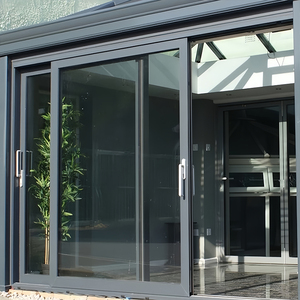
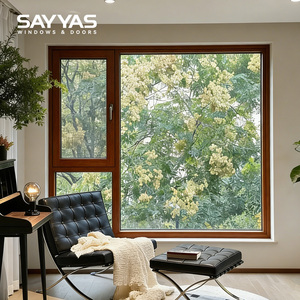
Featured Architectural Aluminum Door & Window Systems
Custom precision-extruded aluminum doors and high-performance glazed systems engineered to meet international CE, SGCC, AS 2208, and NFRC building standards.
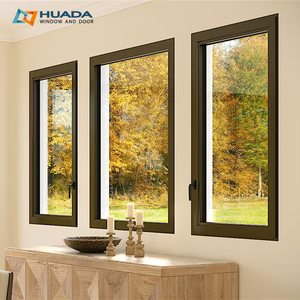
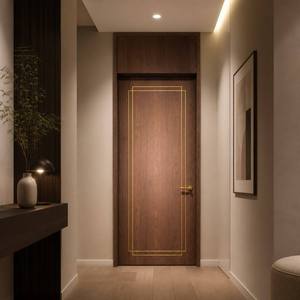
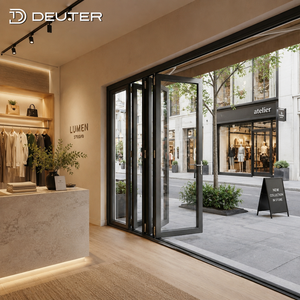
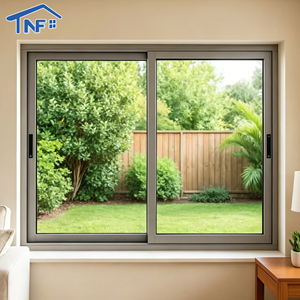
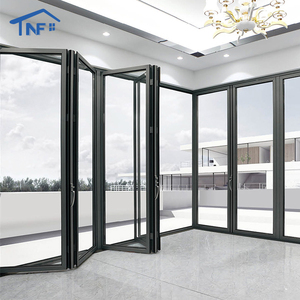
Technical Whitepaper Insight
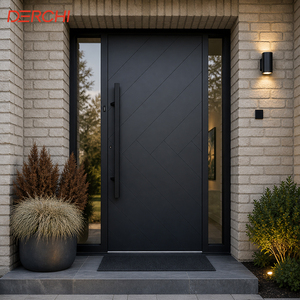
Engineering Standards for High-Performance Aluminum Casement Doors
A comprehensive analysis of structural metallurgy, thermal break mechanics, and hardware integration for B2B procurement professionals, architects, and structural engineering consultants.
Alloy Metallurgy & Profile Geometry
Superior structural integrity starts with raw billet selection. Professional OEM manufacturers utilize primary 6063-T5/T6 architectural aluminum alloy with profile wall thicknesses ranging from 2.0mm to 3.0mm. Precision multi-chambered extrusion designs enhance moments of inertia, resisting high wind pressures (up to 5000 Pa) without structural deflection in high-rise or coastal installations.
Thermal Barrier Technology
Modern building envelope codes require rigid U-factor compliance. Advanced OEM casement doors feature high-density Polyamide PA66-GF25 (25% Glass Fiber reinforced) thermal break strips. This mechanical separation eliminates thermal bridging, lowering overall thermal transmittance (U-values below 1.4 W/m²K) and dramatically mitigating interior surface condensation.
Hermetic Sealing & Acoustic Control
Acoustic insulation performance relies on perimeter compression. Casement door systems incorporate triple continuous EPDM (Ethylene Propylene Diene Monomer) gasket seals combined with multi-point locking mechanisms. This creates airtight sealing that achieves Sound Transmission Class (STC) ratings exceeding 42 dB, ideal for urban hotel and luxury villa environments.
System Performance Matrix
Architectural Specifications & Performance Benchmarks
Technical evaluation parameters comparing standard residential specs versus project-grade OEM/ODM commercial systems.
| Performance Feature | Standard Aluminum Casement Door | KARON High-Performance OEM/ODM System | Testing Standard / Compliance |
|---|---|---|---|
| Aluminum Profile Alloy | 6063-T5 (1.4mm - 1.6mm Wall Thickness) | 6063-T5 / T6 High-Tensile (2.0mm - 3.0mm) | GB 5237 / ASTM B221 |
| Thermal Insulation Strip | Standard PVC or Single PA66 (14.8mm) | PA66-GF25 Multi-Cavity Insulating Strip (24mm - 34mm) | EN 14024 / ISO 10077 |
| Glazing Configuration | 5mm+12A+5mm Tempered Clear Double Glass | 6mm Low-E + 16Ar + 6mm SGP Laminated / Triple Glazed | US SGCC / CE EN 12150 / AS 2208 |
| Air Permeability | Class 3 (A4) | Class 4 / Superior Tightness (ASTM E283 / EN 12207) | ASTM E283 / EN 12207 |
| Water Tightness | 300 Pa (Class 6A) | 750 Pa - 1050 Pa Hurricane Grade (Class 9A+) | ASTM E331 / EN 12208 |
| Hardware & Lock Integration | Single-point Latch System | Heavy-Duty Multi-Point Lock (Siegenia / CMECH / HOPO) | PAS 24 / EN 13126 |
Future Sourcing Trends
Key Procurement Trends in Aluminum Casement Door Sourcing (2025-2030)
Market intelligence and technological evolution reshaping global fenestration demand for architectural developers and importers.
1. Ultra-Narrow Sightlines & Structural Minimalism
Architectural demand is moving rapidly toward concealed frames and ultra-narrow stile profiles (under 30mm visible width). Future OEM manufacturing relies on structural glass bonding technology, transferring wind load stress directly into specialized glass panes while maximizing daylight transmission ratios.
2. Zero-Carbon & Recycled Aluminum Sourcing
With international ESG directives and green building certification requirements (LEED, BREEAM), developers prioritize factories utilizing post-consumer recycled aluminum and hydro-powered smelting process billets to significantly reduce embodied carbon footprints.
3. Smart Access & Automated Motorized Hardware
Next-generation casement doors seamlessly incorporate concealed biometric access controls, motorized automatic opening operators, and integrated magnetic smart glass tinting, communicating natively with commercial IoT automation protocols.
Enterprise Authority
Why Partner with Karon Window & Door Co., Ltd.?
Located in Foshan, Guangdong—the world’s premiere architectural aluminum manufacturing hub—Karon Window & Door Co., Ltd. (KARON) brings over 15 years of specialized export fabrication expertise to global construction projects.
- ✓ 10,000 m² Advanced Production Hub: Integrated modern CNC cutting, automatic corner crimping, and high-precision glazing assembly lines.
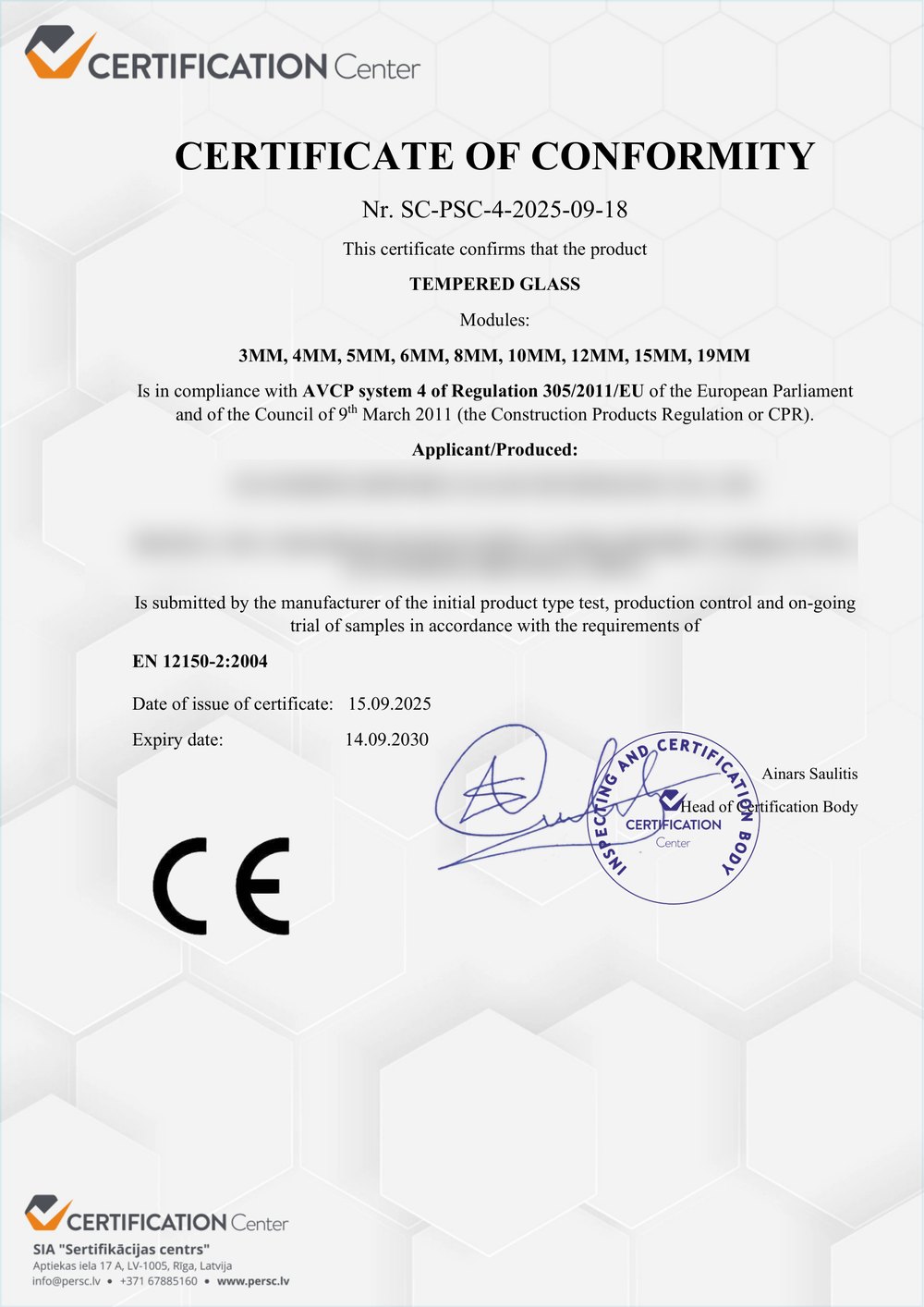
- ✓ Global Certification Portfolio: Fully certified under CE (EN 12150), US SGCC, Australia AS 2208, New Zealand AS/NZS 2208, Thailand TISI, and Malaysia CIDB standards.
- ✓ Full Drawing & Engineering Verification: In-house CAD/BIM engineers review architectural elevation drawings, wind-load data, and window schedules prior to production.
- ✓ Proven Overseas Track Record: Successfully executed supply contracts for high-rise resorts, luxury villa estates, and logistics complexes across the USA, France, Greece, Vietnam, and Thailand.
OEM / ODM Customization Capabilities
We convert complex architectural designs into precise manufacturing realities. Custom parameters include:
- • Surface Finishes: Qualicoat Powder Coating, Anodizing, PVDF, Wood Grain Flurocarbon
- • Hardware Options: German Siegenia, Hoppe, CMECH, or Customized Client Branding
- • Custom Dimensions: Single casement, French double doors, side-lite transom units
- • Security Ratings: Multi-point anti-burglary locks, bullet-proof glass integration
Procurement Guide
Frequently Asked Questions by International Buyers
Expert answers addressing technical specifications, factory lead times, engineering shop drawings, and quality control procedures.
What defines the difference between standard aluminum doors and OEM thermal break casement doors?
Thermal break casement doors use a reinforced polyamide (PA66-GF25) strip between inner and outer aluminum extrusions to block heat conduction. Non-thermal break doors conduct heat rapidly, whereas thermal break systems drastically reduce interior heating/cooling loss and eliminate condensation.
Can KARON fabricate casement doors to exact custom architectural drawings?
Yes. Every order is fully custom-engineered. Our engineering team reviews your shop drawings, structural opening schedules, wind load requirements, and hardware preferences, returning structural CAD/BIM submittals for approval before factory production begins.
What international safety glass and window certifications do your factory products carry?
KARON products comply with major global building codes. Our glass units hold CE (EN 12150), US SGCC safety glazing certification, Australia AS 2208, New Zealand AS/NZS 2208, Thailand TISI, and Malaysia CIDB certifications under ISO 9001 quality management systems.
How does your factory ensure surface treatment durability in harsh coastal climates?
We utilize Qualicoat-certified powder coating systems and marine-grade anodizing finishes. For coastal locations, we recommend 25-micron PVDF fluorocarbon coatings that resist salt spray corrosion, chalking, and intense UV degradation for over 15 to 20 years.
What is the typical manufacturing lead time for custom OEM/ODM commercial orders?
Following CAD drawing approval and glass specification confirmation, standard production lead times range between 25 and 35 days depending on the surface coating finish and overall project volume.
How are heavy casement doors packaged to prevent damage during long-distance sea transport?
Products are wrapped in protective scratch-proof film, padded with corner protectors, enclosed in waterproof bubble wrapping, and packed inside fully enclosed fumigated wooden crates or sturdy steel pallets designed for safe forklift unloading at job sites.
Ready to Request Engineering Shop Drawings & Project Pricing?
Send us your window schedule or project specifications. Our structural engineers will review your drawings and provide an immediate factory-direct quote.
Get a Quote