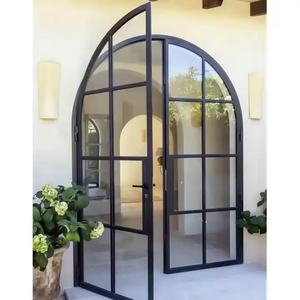
Featured Custom Architectural Doors & Window Systems
Engineered for global luxury residential villas, commercial developments, and high-end exterior openings.
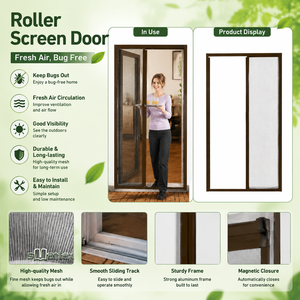
Diy Custom Size Retractable Pleated Insect Screen Door Fiberglass Mesh Door System Anti Mosquito Aluminum Roller Screen Door
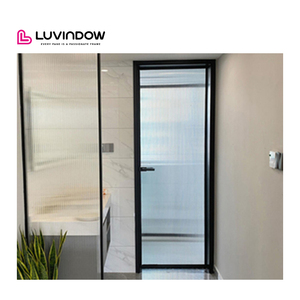
Modern Design Restaurant Kitchen Sliding Entrance Doors New Decoration Feature Aluminum Alloy Material for Villa Project
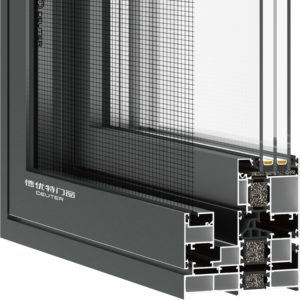
USA Villa Project Impact Resistant Outswing Aluminum Casement Window Double Glass Energy Efficient Hurricane Security Window
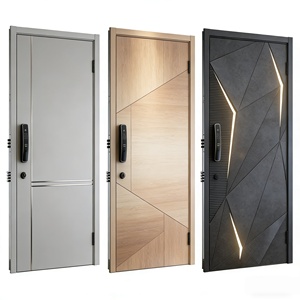
Modern Aluminum Security Door Residential Front Entrance Strong Outdoor Protection System Contemporary Minimalist Design
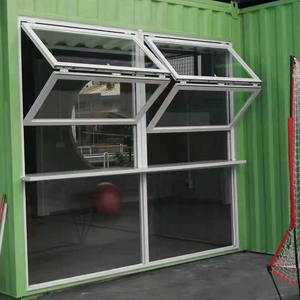
Modern Exterior Vertical Bi-folding Aluminum Alloy Window High Quality Hardware Heat Insulation Powder Coated Finish 3-Year
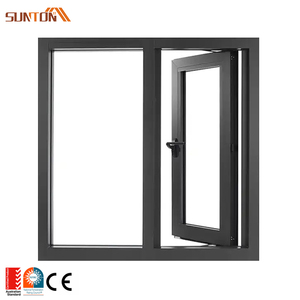
AS2047 Australian Standard Aluminium Alloy Double Glazed Glass Door and Aluminum Casement Window
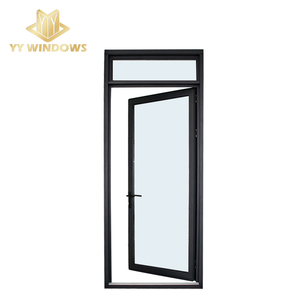
YY Windows High Quality Aluminium Double Tempered Glass Energy Efficient Casement Door
10,000 m²
Standardized Production Plant
15+ Years
OEM/ODM Engineering Expertise
6+ Global
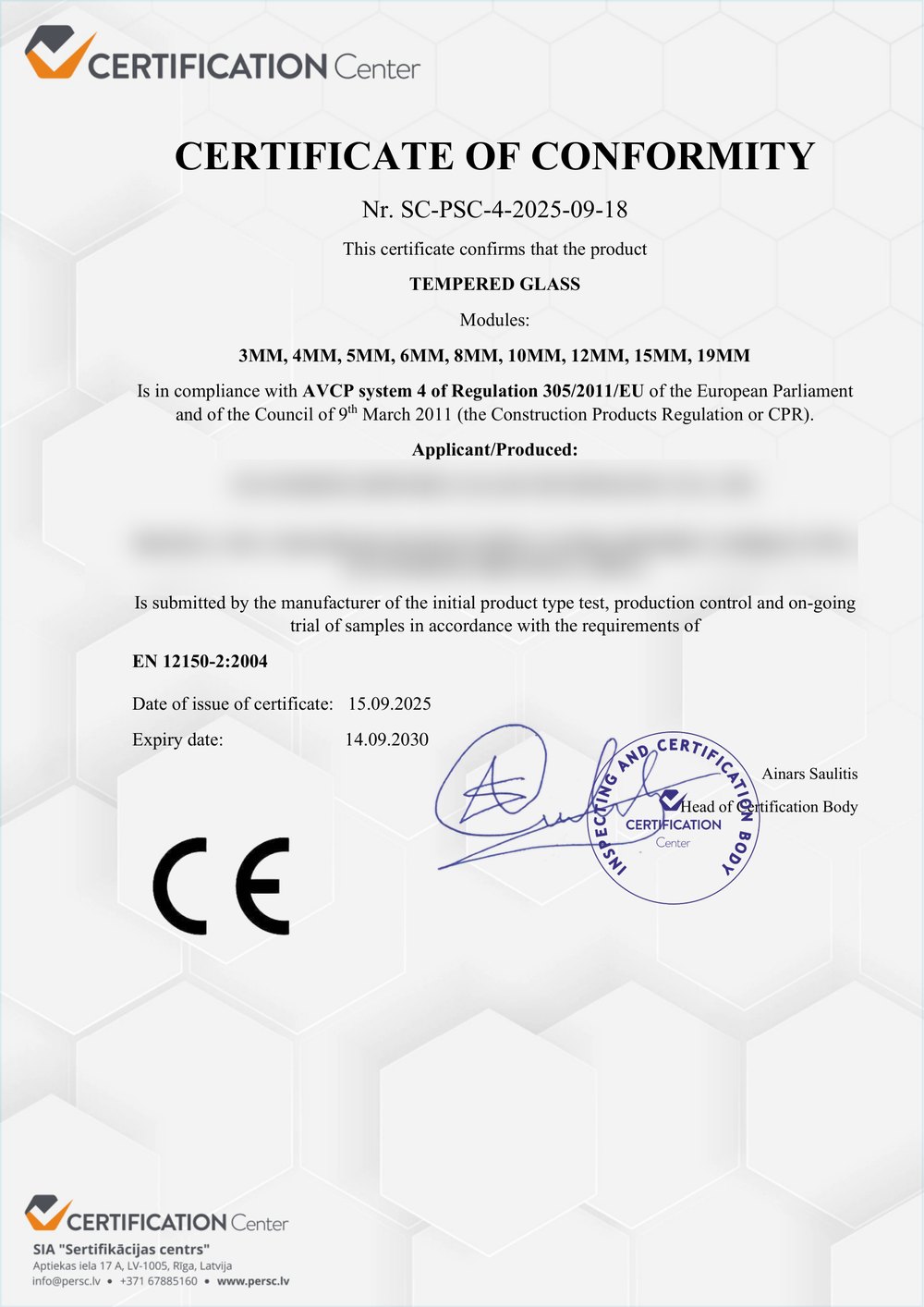
Certifications (CE, SGCC, AS2208)
100% Quality
Pre-Shipment Inspection
Engineering Guide: Custom OEM/ODM Aluminum Glass Front Doors
Technical insight into profile metallurgical specs, thermal break performance, security glass configurations, and hardware integration.
As modern architectural design moves toward ultra-slim profile sightlines, maximum daylighting, and seamlessly integrated indoor-outdoor transitions, the technical demand placed on residential and commercial entry doors has multiplied. An exterior entrance door is no longer merely a decorative barrier; it is an engineered structural facade component that must simultaneously deliver acoustic damping, thermal insulation, wind-load resistance, burglar resistance, and water-tight sealing under adverse climatic conditions.
For international real estate developers, architectural specifiers, general contractors, and trade importers, sourcing custom OEM/ODM aluminum glass front doors directly from China's manufacturing hubs—specifically Foshan, Guangdong—provides a distinct competitive advantage. However, securing long-term project success requires navigating deep technical parameters: selecting appropriate aluminum alloy tempers (6063-T5 vs. 6063-T6), specifying thermal break polyamide isolation strips (PA66-GF25), defining solar heat gain coefficients (SHGC), and ensuring full international compliance across target jurisdictions.
1. Structural Extrusion Metallurgical Specifications & Wall Thickness
The foundation of any high-performance exterior aluminum entrance door lies in its structural alloy extrusion. Premium B2B manufacturers strictly employ 6063-T5 or 6063-T6 architectural grade aluminum alloys. Magnesium and silicon are precisely alloyed within the aluminum matrix to optimize tensile strength, yield strength, and anodizing performance.
- Structural Wall Thickness: While standard interior door frames utilize 1.2mm to 1.4mm profile profiles, heavy-duty exterior entry doors demand a minimum structural wall thickness of 2.0mm to 3.0mm, expanding up to 4.0mm at high-stress hinge attachment corners and pivot bearing plates. This structural mass guarantees structural rigidity under severe wind-load pressures (testing up to Class 4 under ASTM E330 or EN 12210 standards).
- Polyamide Thermal Break Technology: To prevent thermal bridging across the interior and exterior environments, high-end entry systems feature structural thermal barriers constructed from PA66-GF25 (Polyamide 66 reinforced with 25% glass fiber). This material matches the coefficient of thermal expansion of aluminum, preventing structural shear stress, warping, or seal separation during extreme seasonal temperature fluctuations (−30°C to +70°C).
Impact Safety Glazing
Configured with double or triple-pane SGCC & AS/NZS 2208 certified tempered safety glass, optional SGP structural hurricane interlayers for windborne debris resistance.
Multi-Point Lock Systems
Integrated European-standard mortise hardware, featuring anti-pry stainless steel hook bolts, motorized smart biometric access, and keyless entry systems.
Custom Surface Coatings
Super-durable AkzoNobel powder coating, fluorocarbon (PVDF) spray finishing for coastal salt-spray resistance, and realistic architectural wood-grain sublimation.
2. Advanced Safety Glazing & Thermal Insulation Configuration
The glass fill within an aluminum front door typically accounts for over 70% of the unit's surface area. Achieving high energy efficiency performance (low U-values) while protecting against physical intrusion requires tailored insulated glass unit (IGU) build-ups:
- Double & Triple Glazed Low-E Units: Standard thermal builds comprise 6mm Tempered + 12mm Argon Gas Spacer + 6mm Soft-Coat Low-E Tempered glass. For cold climate installations or green building certifications (LEED/BREEAM), triple glazing with double Low-E coatings reduces overall U-values down to U ≤ 1.1 W/m²·K (0.19 BTU/h·ft²·°F).
- Laminated Hurricane Security Glass: Coastal regions facing hurricane threats require laminated glass incorporating PVB (Polyvinyl Butyral) or SGP (SentryGlas® Plus) structural interlayers. In impact testing, even if the tempered outer lite shatters, the SGP laminate retains structural integrity, defending against hurricane-force windward pressures up to 5,000 Pa.
- Acoustic Isolation Engineering: Noise pollution mitigation is accomplished by varying pane thicknesses (e.g., 8mm outer pane + 12mm sound-dampening warm-edge spacer + 6mm inner pane). This asymmetrical glass configuration disrupts acoustic wave harmonics, achieving Sound Transmission Class (STC) ratings exceeding 42 dB.
System Performance Matrix for B2B Sourcing
Compare technical engineering metrics across top OEM/ODM aluminum entry systems.
| System Type | Wall Thickness | Thermal U-Value Range | Acoustic Damping (STC) | Max Panel Height | Target Application |
|---|---|---|---|---|---|
| Heavy-Duty French Swing Door | 2.0mm - 2.5mm | 1.2 - 1.8 W/m²·K | 38 - 42 dB | 3,000 mm | Luxury Villas, Private Residential Entrances |
| Architectural Pivot Glass Door | 3.0mm - 4.0mm | 1.5 - 2.2 W/m²·K | 35 - 40 dB | 4,500 mm | Grand Villa Foyer, High-End Commercial Showrooms |
| Ultra-Slim Frame Sliding Entry | 2.0mm - 3.0mm | 1.3 - 1.9 W/m²·K | 36 - 40 dB | 3,500 mm | Modern Coastal Estates, Terrace & Courtyard Access |
| Armored Security Entry Door | 2.5mm - 3.5mm | 1.1 - 1.6 W/m²·K | 42 - 45 dB | 2,800 mm | High-Security Residences, Diplomatic & Executive Suites |
Future Procurement Trends in Aluminum Glass Entrance Systems
Market shifts driving global B2B procurement decisions over the next decade.
The global architectural fenestration industry is undergoing rapid technical evolution. B2B buyers, property developers, and importers must align their procurement strategies with emerging structural, smart technology, and environmental standards to remain competitive in their regional markets.
Trend 1: Smart Access & Fully Integrated IoT Automation
Mechanical keys are quickly becoming redundant in luxury residential developments. Modern OEM/ODM glass front doors now natively embed hidden electrical conduit raceways, motorized multipoint lock actuators, and 3D facial recognition or biometric fingerprint sensors built flush directly inside the vertical pull handles. Global buyers increasingly request doors pre-wired for seamless integration with Control4, Crestron, or KNX smart home automation protocols.
Trend 2: Ultra-Minimalist Profiles with Concealed Pivot Systems
Architects are aggressively favoring visual transparency. Sightlines are shrinking while glass dimensions grow. Modern architectural pivot front doors utilize heavy-duty floor-concealed hydraulic pivot hinges capable of supporting single panel weights over 500 kg with effortless push-pull force under 15 N. By concealing structural hinges inside the top header and bottom floor plate, the entrance achieves a clean, floating aesthetic with 360-degree rotation capabilities.
Trend 3: Stringent Carbon Border Regulations & EPD Compliance
Environmental standards such as the EU’s Carbon Border Adjustment Mechanism (CBAM) and North America’s Buy Clean initiatives are shifting procurement preferences toward verified green supply chains. Forward-thinking manufacturers like KARON Window & Door utilize low-carbon recycled aluminum billets, eco-friendly powder coatings free of VOCs, and provide certified Environmental Product Declarations (EPD) to support zero-carbon architectural projects worldwide.
Why Partner with KARON Window & Door Co., Ltd.?
Foshan’s leading standardized manufacturing plant for high-grade architectural fenestration.
Located in Songxia Industrial Park, Nanhai District, Foshan, Guangdong—the epicenter of China's aluminum processing industry—Karon Window & Door Co., Ltd. represents the benchmark for project-grade fenestration manufacturing. Spanning a 10,000 m² standardized production facility with over 15 years of OEM/ODM export history, KARON bridges the gap between complex architectural design and flawless field execution.
Full-Process CAD/BIM Detailing
Our dedicated engineering department reviews architectural schedules, performs structural wind deflection calculations, and issues 3D shop drawings before production approval.
Certified Global Compliance
Fully certified test portfolio: CE (EN 12150), US SGCC safety glazing, Australia AS 2208, New Zealand AS/NZS 2208, Thailand TISI, and Malaysia CIDB PPS accreditation.
Custom Export Crating & Logistics
Every door unit is packed in fully enclosed plywood crates with corner edge protectors, waterproof plastic wrapping, and steel strap reinforcement for ocean transport.
Frequently Asked Procurement Questions (FAQ)
Direct technical answers for trade buyers, architects, and project managers.
What is the typical Minimum Order Quantity (MOQ) for custom OEM/ODM door orders?
For standard profile systems and finishes (such as matte black, white, or dark bronze powder coating), our MOQ starts at 1 set for sample or villa mock-up projects. For fully custom extrusion die development or proprietary architectural finishes, our minimum project scope is typically 50 square meters or equivalent tooling cost coverage.
How does KARON ensure water tightness and air filtration on slim-frame glass doors?
We employ a multi-barrier sealing architecture utilizing continuous EPDM (Ethylene Propylene Diene Monomer) rubber gaskets combined with siliconized weather-stripping. High-traffic sill thresholds feature concealed drainage channels with anti-backflow gravity valves that drain water outward during severe rainfall while blocking wind infiltration.
Can you supply doors compliant with Florida Hurricane Impact or NFRC Energy standards?
Yes. We engineer specialized heavy-duty aluminum series specifically tailored for hurricane zones and high-energy efficiency requirements. These feature laminated safety glass with SGP interlayers, reinforced heavy-wall extrusions, and thermal break designs optimized to achieve low U-factors compliant with NFRC and regional Energy Code standards.
What hardware brands can be integrated into your OEM/ODM aluminum front doors?
We provide full hardware flexibility. We offer standard premium Chinese hardware (CMECH, Kin Long) as well as top-tier European hardware brands including HOPPE, Siegenia, Sobinco, GU, and Master. We can also precision-machine door cutouts to accept customer-supplied specified mortise locksets.
How are shop drawings and design approvals handled prior to mass production?
Once project specifications and CAD window schedules are received, our engineering team generates comprehensive 2D production shop drawings detailing cross-sectional profiles, glass build-ups, anchor points, and hardware locations within 48 hours. Mass production only begins after signed formal drawing confirmation from the client.
What are your standard manufacturing lead times and ocean shipping timelines?
Standard manufacturing lead time is 25 to 35 days from shop drawing approval and deposit receipt. For complex custom extrusion profiles or specialized glass configurations, lead times range from 35 to 45 days. Transit time varies by destination seaport: 12-18 days to US West Coast, 28-35 days to US East Coast, 25-30 days to Europe, and 10-15 days to Australia.
Ready to OEM/ODM Your Custom Aluminum Glass Front Doors?
Send us your architectural drawings, window schedules, or project specifications today. Our engineering team will provide a comprehensive technical review, structural recommendation, and itemized B2B quotation within 24 hours.