Featured Commercial & Residential Storm Window Systems
Explore our top-tier OEM/ODM aluminum storm window extrusions, tilt-and-turn units, thermal break casements, and heavy-duty sliding systems manufactured for global export standards.
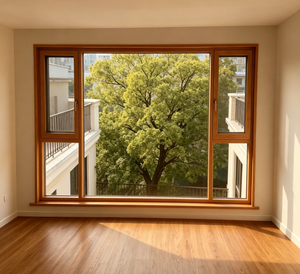
Hot Sale China Manufacturer Modern Aluminum Clad Wood Tilt And Turn Swing Open Windows For Green Buildings
Inquire Specification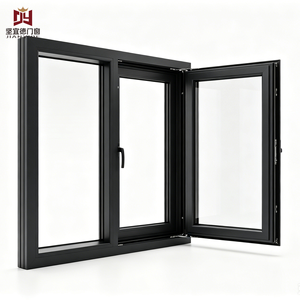
Aluminium System Casement Windows Energy Saving Double Safety Glass Aluminum Tilt and Turn Window
Inquire Specification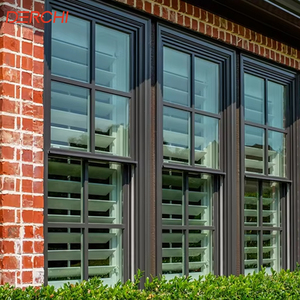
DERCHI Adjustable Heat Insulated Double Pane Low E Aluminum Up Down American NFRC Certification Double Glass Hung Window
Inquire Specification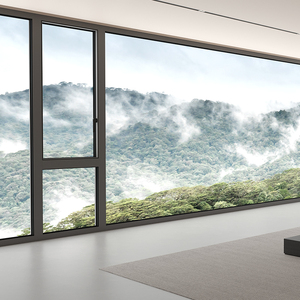
DERCHI Hurricane Proof Aluminum Casement Window Double Glazed Tilt Turn Slim Narrow Frame Aluminum windows for Residential
Inquire Specification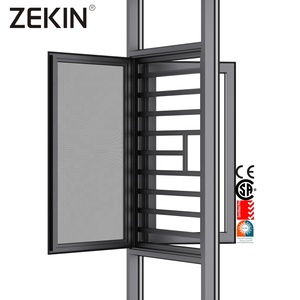
Customized for Engineering Project Florida Hurricane Impact Certification Aluminum Window Thermal Break Casement Window
Inquire Specification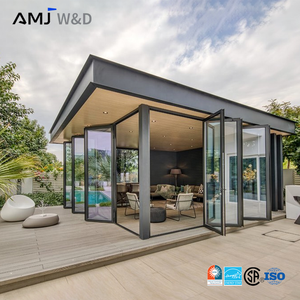
Middle East Insulating Glass Bifold Door Modern Foldable Screen Aluminum Folding Doors Exterior
Inquire Specification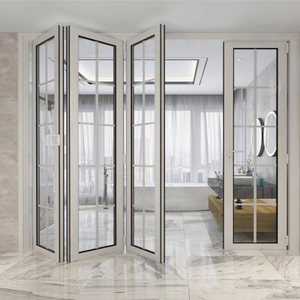
Safety Glass Aluminum Bi Folding Door Heavy Duty Frame Wide Opening Modern Design Stable Folding Door
Inquire Specification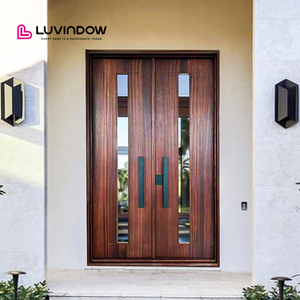
Luvindow Custom USA Villa Modern Design Exterior Solid Wood Main Entry French Door Pivot Aluminum Entry Doors For House
Inquire SpecificationFoshan Precision Engineering: Custom OEM/ODM Aluminum Storm Window Manufacturing
Situated in the heart of China’s architectural aluminum hub—Songxia Industrial Park, Nanhai District, Foshan, Guangdong—our factory operates a modern 10,000 square meter facility engineered for end-to-end custom fenestration production. As a specialized OEM/ODM aluminum storm window exporter, we bridge the gap between complex architectural blueprints and physical, code-compliant envelope assemblies.
Our operational framework relies on a rigorous ISO 9001 quality management architecture. Every extruded profile utilizes prime-grade 6063-T5 or 6063-T6 aluminum alloys, precision-machined using multi-axis CNC technology, corner-crimped with high-tonnage pneumatic presses, and sealed with EPDM gaskets to maintain exceptional air and water tightness under maximum wind loads.
Global procurement teams, real estate developers, and fenestration importers choose our OEM/ODM exporter capabilities because we eliminate supply chain friction. From shop drawing verification and custom profile extrusion die creation to multi-layer Low-E safety glass glazing and ocean-freight crate packaging, our engineering division controls every detail.
Storm & Impact Resistance
Engineered to withstand coastal high-velocity hurricane zones (HVHZ). Certified to meet Florida Building Code standards and ASTM E1996/E1300 large missile impact requirements.
Thermal Break Polyamide Bars
Incorporating PA66GF25 structural polyamide strips to break thermal bridges, drastically reducing U-factors and interior HVAC load in extreme climate zones.
Global Compliance Portfolio
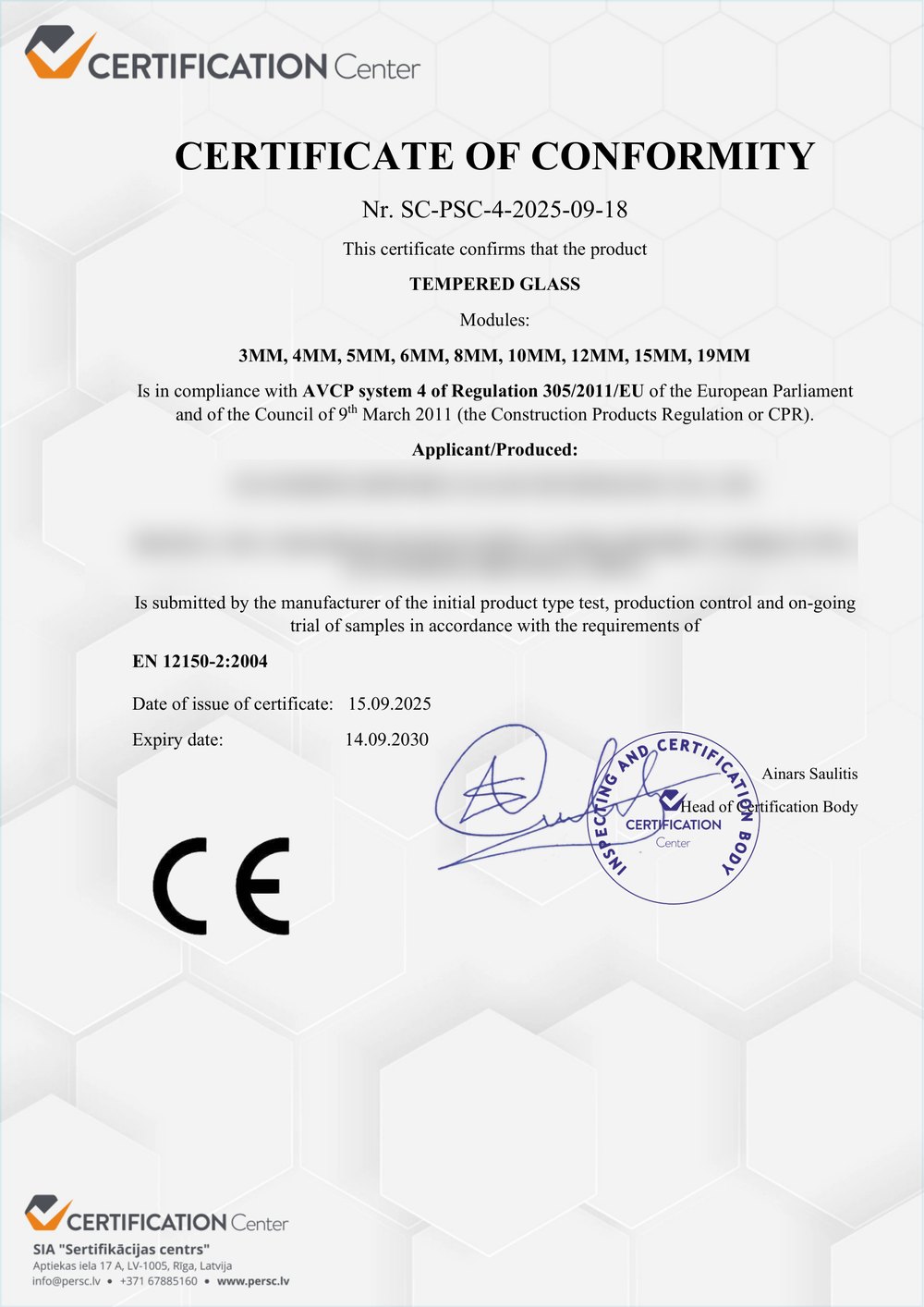
Fully compliant with international standard testing schemes: CE EN 12150, US SGCC safety glazing, Australia AS 2208, AS/NZS 2208, Thailand TISI, and Malaysia CIDB PPS.
Architectural & Future Development Trends in Aluminum Storm Windows
An in-depth whitepaper analysis on structural fenestration shifts, materials science, energy regulations, and building envelope design through 2030.
1. Multi-Chamber Thermal Insulation & Structural Aerodynamics
The global demand for high-performance building envelopes has transformed the humble aluminum storm window from a seasonal overlay into an engineered secondary barrier system. Future product trajectories emphasize multi-chamber extrusion geometry paired with advanced glass configurations. Modern aluminum storm window designs utilize insulated frame profiles that integrate glass-reinforced polyamide thermal breaks. This mechanical barrier prevents thermal conduction across the frame interior and exterior, solving historic aluminum condensation issues while dramatically lowering total building U-values.
Furthermore, aerodynamic exterior frame profiles now incorporate concealed drainage channels and multi-point pressure-equalized rain-screen cavities. When subjected to extreme weather events—such as Category 4 and 5 hurricanes or intense freezing rains—these structural profiles deflect water away from the primary structure while maintaining structural wall deflection standards below L/175 or L/240 under peak wind pressures.
2. Advanced Acoustic Attenuation & Double/Triple Glazing Systems
Urbanization and increased commercial density near transit corridors have positioned acoustic dampening as a core procurement metric. OEM/ODM exporters are now required to engineer storm window sash units that perform high Sound Transmission Class (STC) ratings. By configuring asymmetric double-pane tempered glass units (e.g., 6mm outer glass + 12A gas gap + 8mm inner laminated glass), sound pressure waves across low-frequency traffic rumble and high-frequency wind shears are effectively absorbed. The inclusion of inert Argon or Krypton gas fills inside hermetically sealed warm-edge spacer units further enhances acoustic decay while reducing radiative heat gain.
3. Ultra-Narrow Sightlines & Minimalist Architectural Integration
Contemporary architectural aesthetics favor expansive daylight opening areas (DLO) without compromising wind resistance. The industry is seeing rapid growth in slim-frame aluminum storm windows, featuring sash sightlines as narrow as 25mm to 38mm. Achieving structural rigidity with such narrow profiles demands high-tensile 6063-T6 aluminum extrusion alloys, custom structural silicone bonding (IGU structural glazing), and internal steel or titanium reinforcement bars. Commercial buyers are increasingly requesting custom powder coatings (AAMA 2604/2605 compliant PVDF fluorocarbon coatings) that resist salt spray corrosion for over 3,000 hours in harsh coastal marine environments.
Global Procurement & Supply Chain Dynamics for OEM/ODM Aluminum Windows
As international energy codes tighten—such as Europe’s EPBD directive, North America’s IECC standards, and Australia’s NCC National Construction Code—commercial purchasing agents can no longer rely on off-the-shelf fenestration solutions. B2B procurement strategies are shifting decisively toward specialized direct-factory OEM/ODM partnerships for several key operational reasons:
- Custom Tooling & Die Fabrication: Importers require customized extrusion profiles to match local structural wall depths, retrofitting existing timber or masonry rough openings without structural demolition.
- Traceable Material Compliance: Institutional real estate developers demand full mill test reports (MTRs) verifying aluminum billet chemistry, glass temper compliance, and hardware cycle-test durability (100,000+ open-close cycles).
- Modular Shipping Logistics: To optimize ocean freight container utilization, OEM exporters provide knocked-down (KD) or semi-knocked-down (SKD) frame kits alongside fully assembled unitized sashes, complete with custom foam edge protection and export-grade wooden crates.
- Decarbonization Mandates: Procurement mandates now evaluate the embodied carbon of aluminum extrusions. Factory integration of low-carbon recycled aluminum billets is quickly becoming a critical selection benchmark for corporate ESG compliance.
OEM/ODM Manufacturing Capabilities & Performance Matrix
Technical specifications and customizable engineering options available across our aluminum storm window manufacturing lines.
| Performance Metric / Parameter | Standard OEM Configuration | High-Performance ODM / Engineering Grade |
|---|---|---|
| Frame Material & Alloy | 6063-T5 Architectural Extruded Aluminum | 6063-T6 / 6005-T5 High-Tensile Structural Alloy |
| Profile Wall Thickness | 1.4mm – 1.8mm (Residential Code) | 2.0mm – 3.0mm (Commercial / Heavy-Duty Storm) |
| Thermal Insulation Tech | Non-thermal break or 14.8mm Polyamide Strip | 24mm – 34mm PA66GF25 Multi-Chamber Thermal Break |
| Glazing Specification | 5mm + 9A/12A + 5mm Tempered Glass | 6mm + 16A Argon + 6mm Low-E / Triple Glazed Laminated |
| Structural Load (DP Rating) | DP 35 – DP 50 | DP 70 – DP 100+ (High Velocity Hurricane Zones) |
| Surface Finish & Treatment | Qualicoat Powder Coating (60-80 microns) | AAMA 2605 PVDF Fluorocarbon / Hard Anodized 25μm |
| Air Permeability & Water Tightness | Class 3 / 300 Pa Water Resistance | Class 4 (EN 12207) / 750 Pa (EN 12208) Water Tightness |
| Hardware Systems | Top-tier Chinese Architectural Hardware | German Origin (ROTO, SIEGENIA, HOPPE) Heavy-Duty Hardware |
Frequently Asked Questions for Commercial Buyers & Importers
Get authoritative answers to key operational, engineering, and logistical questions regarding custom aluminum storm window exports.
Elevate Your Engineering Portfolio with Custom OEM/ODM Aluminum Storm Windows
Partner directly with Foshan's leading fenestration manufacturer. Send your architectural drawings, window schedules, or OEM specifications to our engineering team today for an accurate factory-direct estimate.
Contact Us