Featured Aluminum Swing & Sliding Systems
Factory-direct OEM/ODM fenestration solutions crafted for extreme weatherability, acoustic isolation, and low U-values.
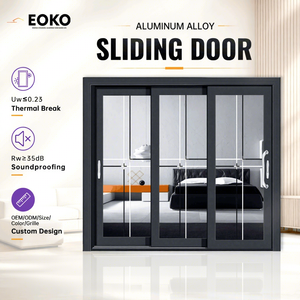
EOKO Thermal Break Aluminum Sliding Patio Door U-Value 1.2W/m²K Energy Efficient Glass Sliding Door with Screen for Balcony
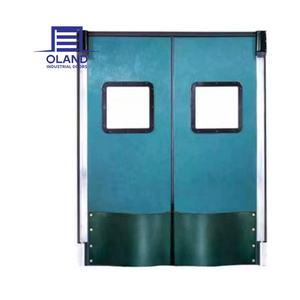
Wholesale New Design Double Glazed Aluminum Traffic Door with Anti-Collision Stainless Steel Impact Plate Swing Industrial Door
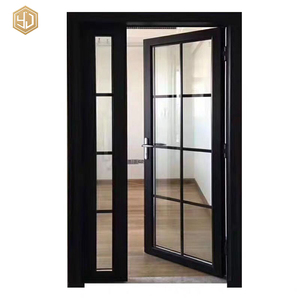
French Style Aluminum Alloy Casement Doors One and Half Door for Kitchen and Balcony Door
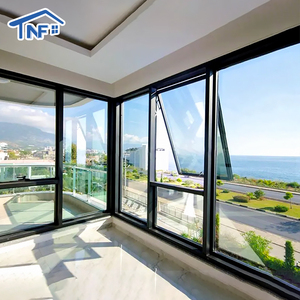
Custom Thermal Break Hand Crank Window Double Glass Manual Handle Ventilation Energy Efficient Awing Casement Aluminum Windows
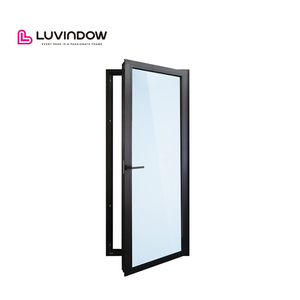
Customizable Thermal Break Soundproof Aluminum Doors for North American Builder
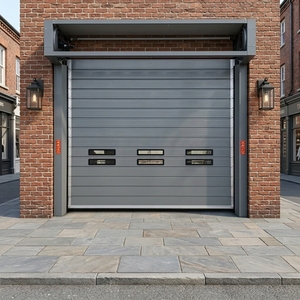
Heavy Duty Aluminum Spiral High Speed Door Windproof Anti-Theft Fast Door Aluminum Entrance Door for Retail Stores
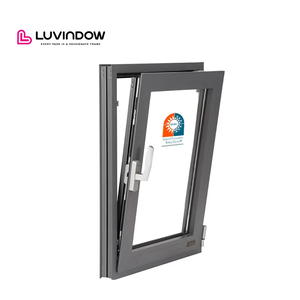
Modern Designed Two-Way Open Aluminum Profile Tilt Turn Casement Glass Window For Hotels Aluminum Alloy Frame Horizontal Opening
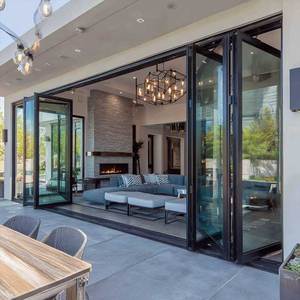
Sunnysky Panoramic Bi Fold Door Heavy Duty Top Hung Roller System Aluminum Framed Glass Folding Balcony Patio Doors
Foshan Precision Manufacturing & Global Engineering Excellence
Operating from Songxia Industrial Park, Nanhai District, Foshan—the epicenter of global architectural aluminum extrusion—Karon Window & Door Co., Ltd. delivers contract-grade fenestration systems tailored to strict architectural drawings.
10,000㎡ Standardized Plant
Fully integrated production floor equipped with 5-axis CNC machining centers, automated corner-crimping equipment, precision double-head cutting saws, and automated glass glazing lines.
Verified Compliance & Testing
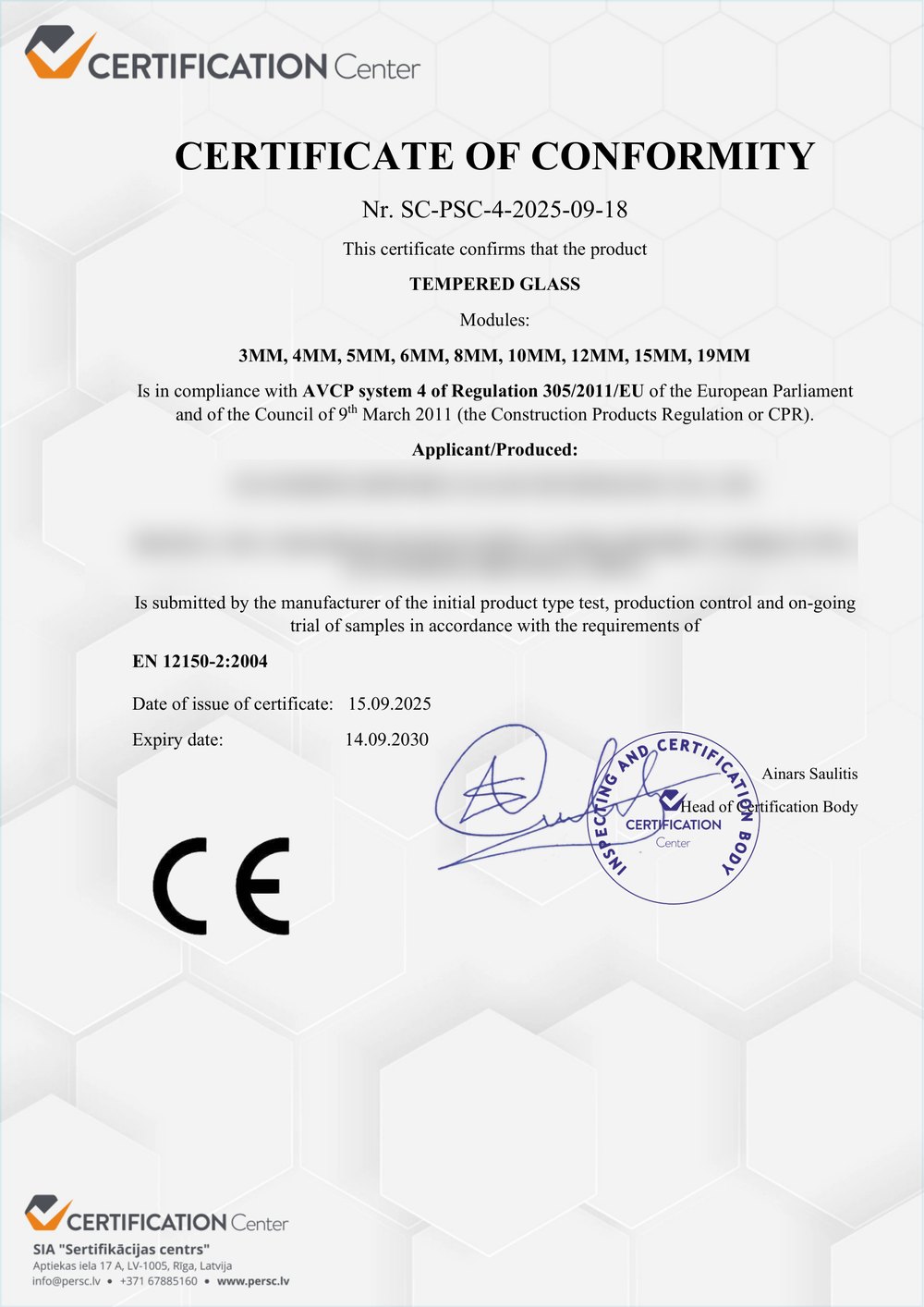
Products undergo rigorous structural, air permeability, water tightness, and acoustic testing. Fully compliant with CE (EN 12150), US SGCC, Australia AS 2208, NZ AS/NZS 2208, TISI, and CIDB.
Bespoke OEM/ODM Workflows
From custom extrusion die development to hardware customization and structural calculations, our engineering team collaborates directly with architectural firms, builders, and developers.
Engineering Principles of High-Performance Aluminum Swing Windows
An in-depth technical benchmark for architects, structural engineers, and commercial fenestration procurement teams.
1. Profile Metallurgy & Structural Alloy Selection
Architectural aluminum swing windows rely heavily on profile structural integrity. We utilize 6063-T6 and 6063-T66 high-precision aluminum alloy extrusions compliance-tested against GB/T 5237 and EN 755 standards. Aluminum 6063-T6 offers superior tensile strength (≥ 205 MPa) and yield strength (≥ 180 MPa), ensuring that window sashes withstand wind load pressure up to 5,000 Pa without plastic deformation.
Profile wall thickness is engineered according to structural requirements: standard window sashes maintain a nominal wall thickness of 1.4 mm to 2.0 mm, while heavy-duty exterior swing doors and coastal high-rise curtain-wall windows feature reinforced wall sections up to 3.0 mm.
2. Polyamide Thermal Barrier Technology (PA66GF25)
To combat thermal bridging in conductive aluminum profiles, our thermal break swing windows incorporate German Technoform PA66GF25 polyamide insulating strips (25% fiberglass reinforcement). Unlike cheap PVC alternatives that degrade under UV radiation and extreme heat, PA66GF25 exhibits an identical thermal expansion coefficient to aluminum (2.3 × 10⁻⁵ /K), preventing structural debonding over decades of operational thermal cycling.
| Engineering Property | Standard Aluminum Window | KARON Thermal Break Swing System | International Compliance Benchmark |
|---|---|---|---|
| Thermal Transmittance (U-Value) | 4.5 - 5.8 W/m²K | 1.1 - 1.6 W/m²K | ISO 10077-2 / NFRC 100 |
| Air Infiltration / Permeability | Class 3 (EN 12207) | Class 4 (EN 12207) / ASTM E283 | ASTM E283 / AS 2047 |
| Water Penetration Resistance | 300 Pa (Class 7A) | 700 Pa - 900 Pa (Class E900) | ASTM E331 / EN 12208 |
| Wind Load Resistance | 2.5 kPa (Class 4) | 5.0 kPa (Class C5 / HVHZ) | ASTM E330 / AS 4055 |
| Acoustic Isolation (STC / Rw) | 25 - 28 dB | 38 - 45 dB (Double/Triple IGU) | ISO 140-3 / ASTM E90 |
3. Multi-Chamber Continuous EPDM Sealing & Dual-Component Corner Crimping
Air leaks and moisture penetration occur primarily at frame corners and perimeter sashes. Our factory implements a dual-seal strategy:
- Automated 45° Hydraulic Corner Crimping: Reinforced with stainless steel corner cleats and injected with two-component polyurethane corner adhesive (German Weiss glue) to create watertight, rigid frame joints.
- Continuous EPDM Gasket System: High-density automotive-grade EPDM rubber seals utilize co-extruded cellular sponge rubber technology for continuous compression along frame sashes, maintaining elasticity between -40°C and +120°C.
4. Hardware Integration: Multi-Point Security & Heavy-Duty Friction Stays
A window's functional lifespan hinges on hardware quality. We engineer our swing windows with top-tier hardware systems including CMECH, Siegenia-Aubi, Roto Frank, and Hoppe. For heavy double-glazed sashes weighing up to 130 kg, stainless steel 304/316 four-bar friction stays are integrated, tested to 50,000 open-close operational cycles without sagging.
Future Technological & Development Trends in Swing Windows
How global building codes, sustainability mandates, and architectural aesthetics are reshaping the fenestration landscape.
1. Vacuum Insulated Glass (VIG) & Ultra-Low U-Values
The fenestration industry is rapidly transitioning from traditional double-glazed units to hybrid Vacuum Insulated Glass (VIG). VIG technology achieves U-factors as low as 0.6 W/m²K in a profile thickness of just 8.3 mm. This allows swing windows to match the thermal resistance of solid insulated walls while retaining slim architectural profiles.
2. Flush Minimalist Frames & Concealed Hinges
Modern luxury residential architecture demands ultra-narrow frame sightlines. Next-generation swing windows feature concealed 180° opening hinges completely hidden inside the profile rebate, creating a 100% flush interior and exterior profile aesthetic without visible hardware components.
3. Motorized Smart Actuation & BIPV Solar Glazing
Automation is transforming windows into intelligent building skin components. Modern swing windows integrate hidden electronic chain actuators synchronized with smart home automation (KNX, Zigbee), automatically tilting sashes for natural night-cooling ventilation or sealing shut upon rain detection.
4. Low-Carbon Recycled Aluminum & EPD Certification
Driven by net-zero building directives in Europe and North America, developers prioritize low-carbon aluminum profiles smelted using hydro or solar power (reducing embodied carbon to ≤ 4.0 kg CO₂/kg Al). EPD (Environmental Product Declaration) reporting is becoming mandatory for international project bidding.
Global Sourcing & Future Procurement Trends for B2B Buyers
Key market shifts impacting window importers, real estate developers, and facade contractors.
Whole-Envelope Bundling
Procurement managers are shifting away from fragmented multi-vendor sourcing. Buying windows, doors, glass railings, and sunrooms from a single integrated factory ensures identical powder-coat color matching (RAL codes), unified shipping logistics, and one accountable warranty point.
Stringent Code Enforcement
Customs and municipal code authorities are increasingly demanding verified, third-party lab certification reports (such as US SGCC, Australian AS 2208, and EU CE marking). Purchasing uncertified fenestration risks costly container rejections or site lockouts.
Custom DFM Collaboration
Leading importers engage manufacturers during early CAD design stages. Design-For-Manufacturing (DFM) reviews allow engineers to optimize profile extrusions for reduced shipping volume, higher structural efficiency, and faster site installation.
B2B Procurement & Technical Engineering FAQ
Answers to common technical, manufacturing, and logistic inquiries raised by international project procurement teams.
What are the key technical differences between OEM and ODM window manufacturing at your factory?
Which international structural and glass safety certifications do KARON products carry?
How does thermal break aluminum compare to non-thermal break profiles in energy efficiency?
What surface finish options and corrosion protection coatings are available?
- Electrostatic Powder Coating: AkzoNobel / PPG powders with 10-20 year weatherability warranties in full RAL color spectrum.
- PVDF Fluorocarbon Coating: Recommended for severe coastal environments prone to salt spray and high UV radiation.
- Anodizing: 15μm - 25μm film thickness in silver, champagne, bronze, and black finishes.
- Wood-Grain Sublimation: Heat-transfer technology combining natural timber aesthetics with aluminum structural durability.
What is your typical lead time for custom die creation and volume container orders?
How are windows packaged to prevent damage during ocean transport?
Can you supply matching hardware and glass configurations for hurricane zones?
Ready to Engineer Your Project Fenestration Package?
Send your architectural CAD drawings, window schedules, or performance criteria to our engineering team for instant DFM analysis and competitive factory-direct pricing.