Featured Heritage & Architectural Glazing Systems
Precision-engineered aluminium French doors, thermal break casement windows, and high-performance sliding systems manufactured in our 10,000m² Foshan plant.
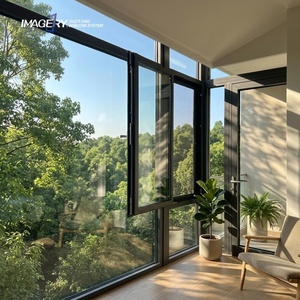
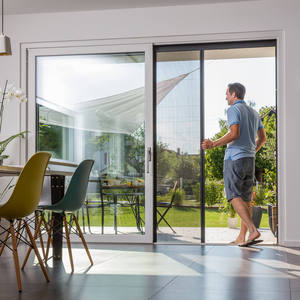
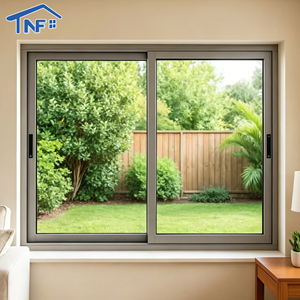
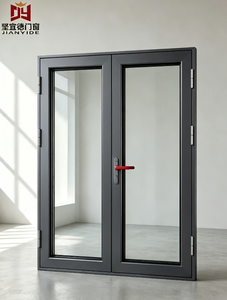
KARON Window & Door: Enterprise Manufacturing Power
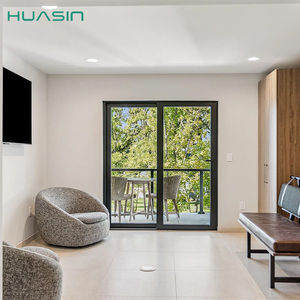
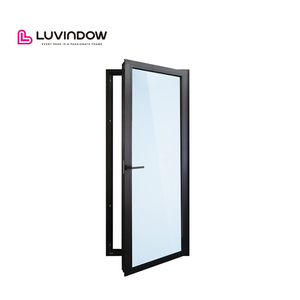
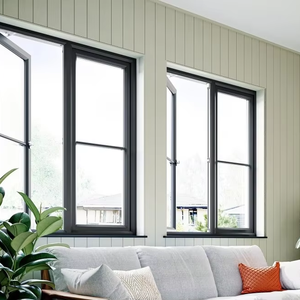
Operating out of Songxia Industrial Park in Foshan—China’s epicenter for precision architectural aluminium extrusion—Karon Window & Door Co., Ltd. specializes in OEM/ODM production of architectural thermal break aluminium windows, heritage French doors, sunrooms, and structural glass balustrades. Equipped with computerized CNC corner-crimping, double-head precision cutting saws, and automated insulating glass lines, we provide structural integrity benchmarked to rigorous international safety codes.
Architectural Sourcing Guide: Top 10 Aluminium Heritage French Doors Suppliers
The demand for Aluminium Heritage French Doors (frequently designated as steel-look doors, industrial grid doors, or modern Crittall-style aluminium systems) has surged globally across high-end residential, hotel refurbishment, and commercial adaptive-reuse projects. Combining the timeless visual elegance of classic 19th-century steel glazing bars with modern thermal efficiency, corrosion resistance, and low maintenance, aluminium heritage systems are now the preferred choice for architects, façade engineers, and real estate developers.
Navigating the global supply chain to source reliable manufacturers requires evaluating profile engineering, thermal polyamide strip performance, glass specification, and certification compliance. This comprehensive whitepaper provides an in-depth technical analysis, market supplier rankings, procurement frameworks, and strategic insights for importing high-performance aluminium heritage French doors.
1. Technical Evolution: Steel vs. Thermally Broken Aluminium Heritage Doors
Traditional legacy heritage doors relied on hot-rolled solid steel sections. While exceptionally strong with minimal sightlines, uninsulated steel suffers from severe thermal bridging, condensation accumulation, and susceptibility to rust over time unless hot-dip galvanized and frequently recoated. Modern extruded aluminium alloy (6063-T5 or 6063-T6) solves these limitations through structural polyamide (PA66GF25) thermal breaks.
Ultra-Slim Sightlines
Advanced extruded profiles achieve vertical mullion sightlines as narrow as 20mm to 35mm, perfectly mimicking classic steel profiles while offering higher torsional rigidity.
Thermal Insulation
Multi-chamber polyamide thermal barriers significantly reduce overall U-values down to 1.2 – 1.6 W/m²K, preventing interior surface condensation in cold climates.
Multi-Point Security
Unlike basic latch systems, modern heritage doors incorporate European-groove multi-point locking (shoot bolts, hook locks) meeting PAS 24 burglar resistance standards.
2. Global Market Comparison: Top 10 Aluminium Heritage French Doors Suppliers
When selecting a supply chain partner, procurement directors must evaluate technical capability, lead times, custom OEM flexibility, factory-direct pricing, and testing certifications. Below is a structured benchmark of the top 10 international suppliers and manufacturing leaders dominating the architectural heritage door market:
| Supplier / Manufacturer | HQ Location | Core Profile Advantage | Max Panel Height | Target Market / Certs |
|---|---|---|---|---|
| 1. KARON Window & Door Co. | Foshan, China | Custom Thermal Break OEM, 20mm Slim Mullions, Factory Direct | 3200 mm | Global / CE, SGCC, AS2208, TISI |
| 2. Smart Architectural Aluminium | United Kingdom | Alitherm Heritage System, Standardized Domestic Kits | 2400 mm | UK & Europe / PAS 24, BS 6375 |
| 3. Reynaers Aluminium | Belgium | SL 38 Slim Line High-End Architectural Systems | 3000 mm | Global / Qualicoat, Minergie |
| 4. Cortizo Systems | Spain | Cor-Vision & Heritage Casement, Thermally Broken | 2800 mm | Europe & LatAm / CE Certified |
| 5. Schüco International | Germany | AWS 70 BS.HI Heritage Design, Premium Engineering | 3000 mm | Global Luxury / Passive House |
| 6. Origin Frames | United Kingdom | OB-36 Soho Series Steel-Look Systems | 2500 mm | UK & USA / Secured by Design |
| 7. AluK Systems | Luxembourg / Global | 58BW ST Steel Replacement Window & Door Range | 2600 mm | Global / EN Standards |
| 8. Alumil Aluminium | Greece | SUPREME S91 & S77 Urban Heritage Profiles | 2800 mm | Europe & Middle East / IFT Rosenheim |
| 9. Universal Window & Door | United States | Historic Replica Commercial Window & Door Series | 2400 mm | North America / AAMA Certified |
| 10. Clement Windows Group | United Kingdom | EB24 Custom Heritage Steel & Aluminium Profiles | 2400 mm | UK Conservation Areas |
3. Strategic Supplier Analysis & Sourcing Evaluation
While European brands like Schüco and Reynaers offer prestige engineering, their multi-tiered distribution models and localized fabrication costs significantly inflate total project expenditure. Conversely, top-tier specialized direct manufacturers like KARON Window & Door Co., Ltd. in Foshan allow architects and project developers to procure project-grade, certified heritage doors directly from the source—reducing unit material costs by 35% to 50% without compromising technical performance.
When auditing potential suppliers for large-scale multi-unit developments, residential estates, or resort villas, consider the following technical factors:
- Astragal Bars vs. Authentic Glass Dividers: Applied surface astragal bars (bonded with 3M VHB tape and internal aluminum grid spacer bars) preserve thermal insulated glass unit (IGU) integrity while maintaining the classic multi-lite appearance. True divider mullions structurally segment the glass, which can reduce total thermal performance and elevate glass replacement costs.
- Finishing & Powder Coating Specs: Heritage doors demand tactile, low-gloss textured finishes (such as Matt Black, Anthracite Grey RAL 7016, or Bronze). Ensure the factory utilizes Qualicoat Class 2 architectural powder coatings capable of enduring 1,000+ hours of salt spray testing for coastal applications.
- Corner Joinery Engineering: High-end aluminium doors should utilize heavy-duty cast aluminum corner cleats with pneumatic crimping and dual-component epoxy resin injection to prevent joint opening, air infiltration, or frame sagging over time.
4. Future Procurement Trends in Heritage Aluminium Systems (2025–2030)
The architectural fenestration sector is experiencing significant technological transformations. Forward-thinking procurement teams and real estate developers should align their architectural window schedules with these emerging market trends:
Aerogel & Vacuum Insulation
Integration of Aerogel-infused thermal break cavities and ultra-thin Vacuum Insulated Glass (VIG) allows 12mm thin glass units to achieve U-values under 0.6 W/m²K, matching Passive House targets.
Concealed Smart Hardware
Heritage doors are evolving beyond manual latch handles. Electric multi-point drop bolts, biometric handle integration, and hidden motorization allow smart home control without compromising vintage aesthetics.
Low-Carbon Recycled Billets
Leading suppliers are shifting to certified low-carbon aluminium extrusions made from 75%+ post-consumer scrap (such as Hydro CIRCAL), drastically cutting embodied carbon in building facades.
5. Step-by-Step B2B Procurement & Auditing Framework
To ensure flawless execution from initial drawing submission to container unloading on-site, institutional buyers should follow this standardized project workflow:
- Architectural Drawing & Schedule Review: Transmit shop drawings, elevation CAD files, wind-load ratings, and target U-values to the factory engineering team.
- System & Hardware Customization: Select profile depth, thermal break size, glass build-up (e.g., 6mm Low-E + 12Ar + 6mm Toughened), handle hardware finish, and sub-frame flashing details.
- Sample Approval & Mock-Up Testing: For hotel or multi-unit projects, require a full-scale corner sample or physical door mock-up to verify corner crimping tolerances and powder coating finish.
- Production Checkpoints & Quality Inspection: Documented check steps including raw profile wall thickness verification (≥1.6mm for windows, ≥2.0mm for heavy-duty doors), hardware cycle testing, and water tightness testing.
- Export Packaging & Logistics: Doors must be packed with protective corner caps, multi-layer bubble wrap, and fumigated wooden crates suitable for sea freight container shipping.
Frequently Asked Questions (FAQ)
Key considerations for importers, contractors, and architects purchasing custom aluminium heritage doors and window systems.
What defines an "Aluminium Heritage French Door" compared to a standard casement door?
Aluminium heritage French doors feature ultra-slim profile sightlines, stepped profile extrusions, dark low-gloss finishes, and horizontal/vertical glazing bars designed to emulate vintage industrial steel (Crittall-style) doors. They incorporate modern thermal break technology, multi-point locks, and double/triple glazed safety glass.
What thermal U-values can KARON aluminium heritage doors achieve?
Equipped with PA66GF25 polyamide thermal break strips, Argon-filled double glazing, and Low-E glass coatings, our heritage French doors achieve overall system U-values between 1.3 W/m²K and 1.6 W/m²K, satisfying stringent European and North American energy efficiency building codes.
Which international safety glass certifications apply to overseas shipments?
Our glass processing partners hold global safety glazing credentials, including European CE (EN 12150), American SGCC (ANSI Z97.1 / CPSC 16 CFR 1201), Australian AS 2208, New Zealand AS/NZS 2208, Thailand TISI, and Malaysian CIDB PPS compliance. Certificates are provided with each export batch.
How are glazing bars attached: true structural dividers or surface-bonded bars?
We supply both configurations. However, we strongly recommend surface-mounted aluminium astragal bars combined with interior duplex spacers inside the double glass unit. This delivers the authentic grid visual while maximizing thermal insulation and preventing air leak points.
Can heritage aluminium French doors be customized for coastal high-wind areas?
Yes. For coastal or high-wind zones, we utilize heavy-wall aluminum extrusions (2.0mm+ profile thickness), reinforced stainless steel hinges, hurricane-impact laminated glass (PVB/SGP interlayers), and multi-seal EPDM gaskets tested for elevated wind pressure and water penetration resistance.
What is the typical production lead time for direct factory orders?
Following shop drawing approval and color sample confirmation, standard manufacturing requires 25 to 35 days. Custom extrusions or specialized anodized finishes may require an additional 7–10 days prior to ocean freight dispatch.
How do I request a detailed project quotation and CAD shop drawings?
Simply click the "Get Catalog" button to connect directly with our engineering team via LiveChat. Send your window schedule, elevation drawings, opening dimensions, and quantity specifications to receive a complete direct-factory quote and engineering proposal.
Ready to Source Certified Heritage Aluminium Doors?
Partner directly with Foshan's premier architectural fenestration manufacturer. Receive factory-direct pricing, shop drawing support, and reliable international delivery.