Featured Architectural Hinged & Casement Window Systems
Direct Factory OEM/ODM Export Solutions Engineered for Residential, Villa, Commercial & High-Rise Applications
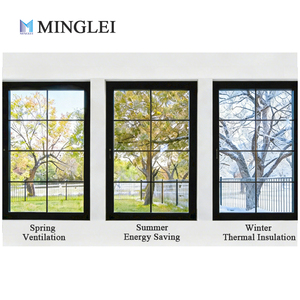
High Heat Insulation Energy Saving Black Aluminum Window Thin Profile USA Style
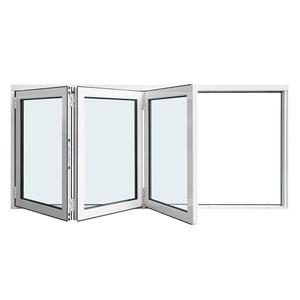
Aluminium Double Glazed Windows Aluminum Folding Windows Bifold Window
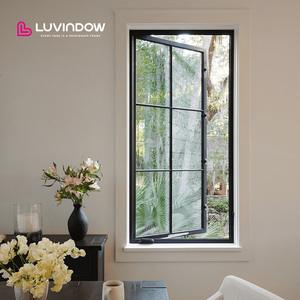
Americana Old Style Aluminium Casement Window Panels Black Single Hinged Fix Part Limit Device
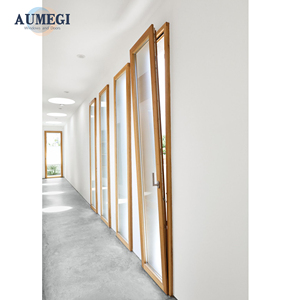
Aumegi Heavy Duty Casement Windows Outward Open Double Casement Tilt & Turn
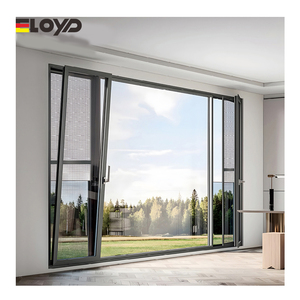
Eloyd Double Glazed Aluminum Tilt and Turn Window with Germany Hardware (10 Year Warranty)
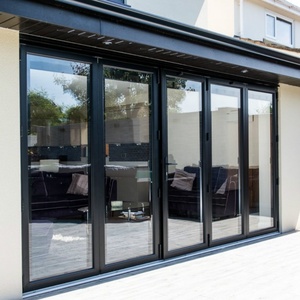
High Quality Aluminum Hinged Windows Black Aluminum Frame Architectural Doors
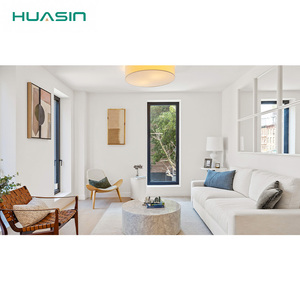
Huasin Aluminium Windows Tilt Turn Fly Screen Triple Pane Energy Efficient Glass
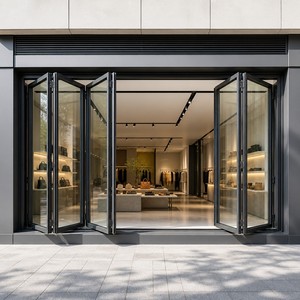
Commercial Aluminum Bifold Window Storefront Shopfront Slim Profile Heavy Duty
1. Global Supply Chain Dynamics in Aluminium Hinged Window Procurement
In modern architectural engineering, the aluminium hinged window (inclusive of traditional side-hung casement, top-hung awning, and dual-action tilt-and-turn configurations) represents the paramount fenestration mechanism for demanding structural and thermal performance. Unlike horizontal sliding mechanisms, hinged window frames rely on full-perimeter mechanical compression seals. This fundamental acoustic and weather-tightness advantage drives extensive specification across high-end single-family residential projects, coastal villa estates, luxury resort developments, and high-rise commercial structures across North America, Europe, Australia, and the Middle East.
As global energy efficiency directives intensify—such as the European Union's Energy Performance of Buildings Directive (EPBD), California's Title 24 Building Energy Efficiency Standards, and Australia's NatHERS thermal regulations—procurement directors, facade consultants, and general contractors are pivoting rapidly toward international OEM suppliers who master advanced thermal break extrusions and high-performance glass assembly integration.
Key Strategic Takeaway for Buyers: A window's overall thermal performance (U-factor/U-value) is determined not merely by the glass build-up, but fundamentally by the quality of the multi-chambered polyamide (PA66-GF25) thermal barrier strips and the geometric precision of the aluminium alloy profile extrusion (typically 6063-T5 or T6 grade).
Foshan, China, has established itself as the global epicenter of precision aluminium extrusion and fenestration engineering. Sourcing directly from top-tier Foshan manufacturers allows global buyers to capture substantial cost efficiencies—often reducing capital expenditure by 30% to 50% compared to Western European fabricators—without sacrificing structural wind-load performance, water penetration resistance, or aesthetic design integrity.
2. Technical Evaluation Matrix: Top 10 Aluminium Hinged Window Exporters
Evaluating international B2B suppliers requires a rigorous multi-tier audit protocol. The following analysis outlines the technical benchmark criteria utilized by global project developers to rank leading aluminium hinged window factories and export manufacturers in 2025.
| Tier / Category | Primary Manufacturing Hub | Extrusion Profile Alloy | Thermal Break Technology | Target Market Compliance | Customization Level |
|---|---|---|---|---|---|
| Tier 1 Custom OEMs (e.g., KARON Window) | Foshan, Guangdong (China) | High-Precision 6063-T5 / T6 Architectural Aluminium | PA66-GF25 Polyamide Strips (24mm - 34mm Multi-Chamber) | CE (EN 12150), US SGCC, AS 2208, AS/NZS 2208, TISI, CIDB | 100% Bespoke to Architectural Shop Drawings |
| European Systems Licensing Brands | Germany / Italy / Spain | EN AW-6060 / 6063 T6 | Polyamide & Low-E Foam Inserts | CE Mark, Passive House Institute Certified | Catalog Standard System Modules |
| Standard Volume Exporters | Shandong / Jiangsu (China) | Standard 6063-T5 Alloy | Standard PVC or Thin Polyamide Strips | National Standard (GB/T 8814), Basic CE | Semi-Customized Stock Sizes |
| Regional Assemblers | Southeast Asia / Middle East | Imported Profile Billets | Non-Thermal or Minimal Strip Insulation | Local Municipal Building Codes | Limited Profile Geometry Options |
When selecting among top exporters, leading procurement professionals look beyond basic profile thickness. Critical engineering metrics include:
- Structural Profile Wall Thickness: Minimum wall thickness must range between 1.4mm and 2.0mm for windows (extending up to 3.0mm for heavy-duty commercial doors) to meet high wind-load pressure requirements (AAMA / WDMA / CSA 101/I.S.2/A440 rating).
- Corner Crimping Precision: Injection of dual-component corner assembly sealant combined with stainless steel mechanical corner cleats guarantees structural frame rigidity and prevents micro-gapping over long-term operation.
- Hardware Integration: Premium European multi-point locking systems (such as Siegenia, Hoppe, or G-U) or heavy-duty custom concealed friction hinges engineered for maximum sash weight loads (up to 180kg+).
3. Key Architectural Engineering Components
Understanding the Anatomy of a High-Performance Aluminium Hinged Window
Polyamide Thermal Barriers
Structural PA66-GF25 (25% fiberglass reinforced) insulating strips physically isolate internal and external aluminium profiles, drastically stopping thermal bridging and interior condensation.
High-Safety Glazing Builds
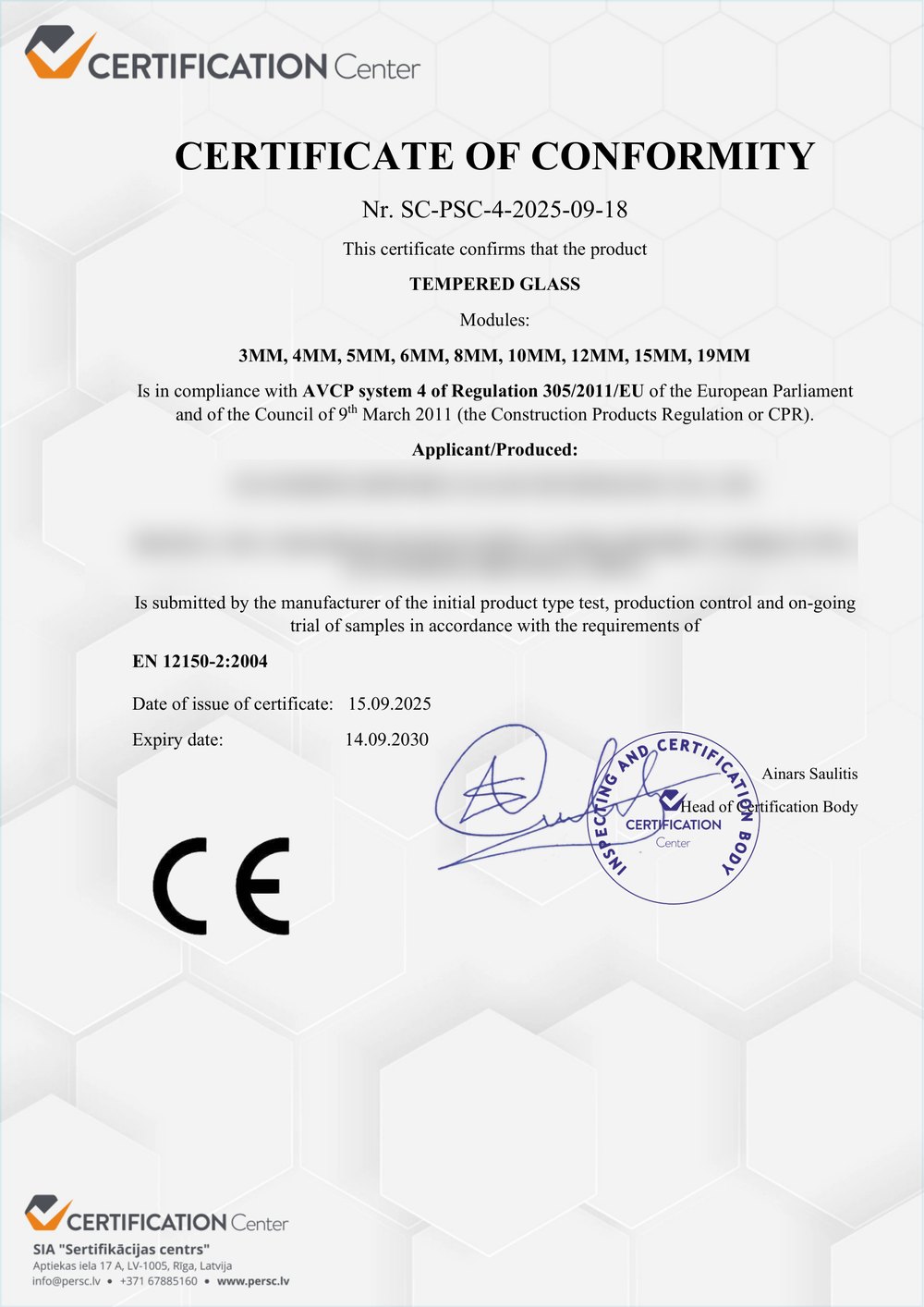
Double or triple-glazed tempered glass units with Low-E coatings, argon gas fill, and warm-edge spacers certified to US SGCC, EU EN 12150, and Australia AS 2208 safety standards.
EPDM Perimeter Weather Stripping
Automotive-grade EPDM (Ethylene Propylene Diene Monomer) gasket system ensuring airtight seals (Class 4 EN 12207) and superior resistance to UV degradation and extreme weather.
4. Sourcing & Technical Trends Shaping Window Manufacturing (2025–2030)
As the international construction industry transitions toward carbon-neutral building design, fenestration specification trends are evolving rapidly. Procurement buyers and facade architects should align their sourcing strategies with four core macro-trends:
1. Ultra-Slim Sightlines & Concealed Hinges
Modern luxury architecture demands maximum daylight penetration. Top factories are introducing ultra-thin aluminum profile frames (sightlines under 45mm) combined with 180-degree concealed heavy-duty hinges that eliminate visible hardware clutter while maintaining high sash load capacities.
2. Integrated Micro-Ventilation & Smart Actuators
Dual-function tilt-and-turn hinged windows featuring motorized micro-ventilation positions are becoming standard in high-end commercial and smart residential projects, integrating seamlessly with Building Management Systems (BMS).
3. Passive House Certification (U-Factor < 0.8 W/m²K)
Next-generation thermal break designs utilize triple-chamber polyamide profiles combined with aerogel frame insulations and krypton gas-filled triple Low-E glazing units to achieve Passive House performance metrics.
4. Recycled Aluminium Billets & Low-Carbon Powder Coating
Environmental, Social, and Governance (ESG) compliance is requiring factories to utilize post-consumer recycled aluminum billets (certified low embodied carbon) and AAMA 2605 fluorocarbon (PVDF) dry powder coatings with zero VOC emissions.
Karon Window & Door Co., Ltd. — Your Premier Foshan Factory Partner
Based in Songxia Industrial Park, Nanhai District, Foshan, Guangdong, Karon Window & Door Co., Ltd. operates a modern 10,000 m² standardized manufacturing facility backed by over 15 years of continuous engineering leadership in custom architectural aluminium windows, doors, sunrooms, and glass railing systems.
Our in-house engineering team provides complete shop drawing production, static wind-load calculations, thermal modeling, and full container-loading optimization for commercial developments, luxury resort complexes (such as Kora Beach Resort Phuket - 672 units), and private residential villas across North America, Europe, Australia, and Asia.
Consult with Our Technical Engineers
Frequently Asked Procurement Questions (FAQ)
Expert Insights for Importers, General Contractors, and Architects Sourcing from China
Where is the KARON factory located and what are its core manufacturing capabilities?
Karon Window & Door Co., Ltd. is headquartered in Songxia Industrial Park, Nanhai District, Foshan City, Guangdong Province, China. We operate a 10,000 m² production facility specializing in custom thermal break aluminium casement/hinged windows, sliding windows, bi-fold windows, tilt-and-turn systems, architectural doors, sunrooms, and frameless glass railings.
What international certifications do KARON window and door systems possess?
Our products hold rigorous international certifications tailored for global market entry, including European CE certification (EN 12150), US SGCC safety glazing compliance, Australia AS 2208 and New Zealand AS/NZS 2208 standards for single pane and laminated glass, Thailand TISI 965-2560 / 1231-2560 certification, and Malaysia CIDB PPS compliance. Production is audited under ISO 9001 quality management.
Can KARON manufacture custom hinged windows according to architectural CAD/BIM drawings?
Yes, 100% of our production runs are tailored to client architectural drawings, structural window schedules, opening dimension callouts, preferred profile finishes (anodized, powder-coated, wood-grain), glass build-up requirements, and hardware specifications. Our CAD engineering staff reviews and confirms formal shop drawings before raw material extrusion cut approval.
What is the primary difference between thermal break and non-thermal break aluminium hinged windows?
Thermal break aluminium profiles feature an engineered structural polyamide (PA66-GF25) insulating strip separating the inner and outer aluminum frames. This prevents heat transfer, lowers interior energy consumption (heating/cooling loads), and eliminates interior frame condensation. Non-thermal profiles lack this insulating bridge and are recommended primarily for internal office partitions or mild tropical climates with low energy code constraints.
How does KARON guarantee product quality control and packaging safety for international sea freight shipping?
Quality control follows a strict 4-stage process: raw aluminium billet/profile thickness inspection, hardware mechanism fit testing, sealed double/triple glazing unit stress testing, and final frame water-tightness spot checks. Finished units are wrapped in multi-layer protective film, foam edge guards, and packed inside fully enclosed fumigated plywood crates engineered for seamless forklift loading and sea-freight container transport.
What is the typical lead time and sample verification process for global projects?
For custom sample profiles and corner mock-ups, lead time is typically 7 to 10 working days. Full project container order production ranges from 25 to 35 calendar days following shop drawing sign-off and deposit receipt. Expedited schedules are available for time-sensitive commercial project developments.
Ready to Source High-Performance Aluminium Hinged Windows?
Send your architectural drawings, window schedule, or project specifications directly to our engineering division. Get competitive factory-direct pricing, thermal performance calculations, and custom sample support.