High-Performance Aluminium Architectural Windows & Systems
Engineered for extreme structural integrity, weather-tightness, and energy efficiency across international building codes.
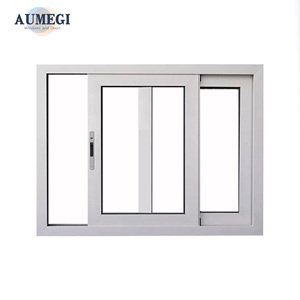
Aumegi Wall Thickness 1.4MM Aluminum Automatic Sliding Window Small Sliding Windows
Inquire Now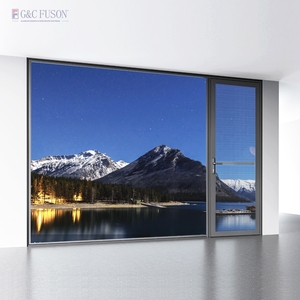
Fuson Passive House Windows Triple Glazed Windows Passive House Windows for Home
Inquire Now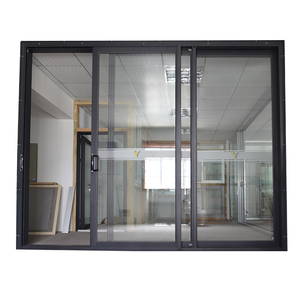
NFRC Certificate New Modern Big Entrance Aluminium Low-e Sliding Rail Glass Patio Doors
Inquire Now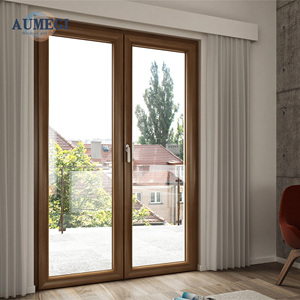
AUMEGI NFRC German Style Casement windows Casement windows Design Philippines Tilt And Turn Window
Inquire Now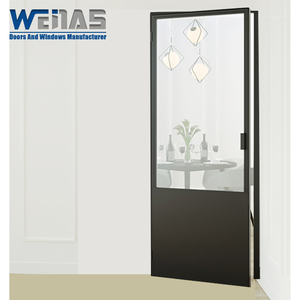
New Design Minimalist Ultra Narrow Slim Aluminum Frame Bathroom Kitchen Back Door Aluminum Alloy Casement Door
Inquire Now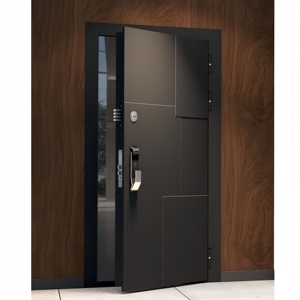
ZEKIN Customized Size Security Entrance Doors Exterior Residential Entry Doors Thermal Insulation Anti-Theft Front Pivot Doors
Inquire Now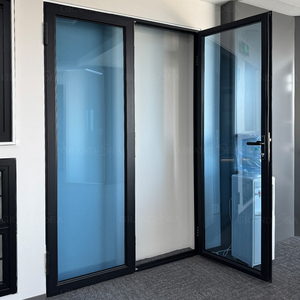
Residential Crittall Door Interior Partition Aluminum Tempered Glass French Entry Casement Doors
Inquire Now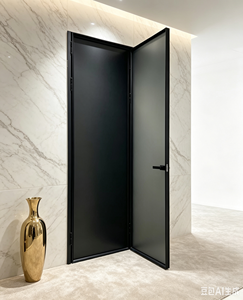
Factory Direct Price Design Impact Aluminum Frame Tempered Glass Casement Door with Door Handle for Laundry/office/house
Inquire NowExecutive Sourcing Guide: Architectural Pitched Roof Windows
Understanding structural dynamics, moisture prevention, and thermal barrier engineering for slanted roof Fenestration systems.
Pitched roof windows and architectural skylight systems occupy a critical segment in modern envelope engineering. Unlike standard vertical fenestration, pitched roof installations (typically inclined between 15° and 85°) face relentless direct exposure to atmospheric stresses—including intense UV radiation, gravitational water pooling, hail impact, and severe wind uplift pressures. For real estate developers, architectural specifiers, and commercial procurement managers, selecting an OEM/ODM partner requires deep technical scrutiny of extrusions, thermal break polyamides, perimeter flashing integration, and automated glazing hardware.
Modern architectural design increasingly demands large-format glazed roof openings to maximize natural daylighting (Daylighting Autonomy DA > 75%), improve indoor air quality via stack effect passive ventilation, and meet net-zero carbon building performance guidelines (LEED v4.1 & Passive House Institute standards). Consequently, aluminum alloy has emerged as the premier framing substrate due to its superior strength-to-weight ratio, structural rigidity under high snow loads, exceptional corrosion resistance, and 100% recyclability.
Polyamide Thermal Barrier (PA66-GF25)
Standard non-thermal aluminum frames conduct atmospheric thermal energy, leading to interior condensation. Top-tier manufacturers utilize multi-chambered PA66 polyamide strips reinforced with 25% glass fiber, maintaining structural strength while isolating external temperatures.
Triple Gasket EPDM Drainage Systems
Pitched installations rely on continuous dynamic drainage channels. High-spec roof windows incorporate vulcanized EPDM triple-gasket seals and integrated aluminum step-flashing, ensuring zero water penetration under hurricane-force rain conditions (Class E1500).
Laminated Toughened Safety Glazing
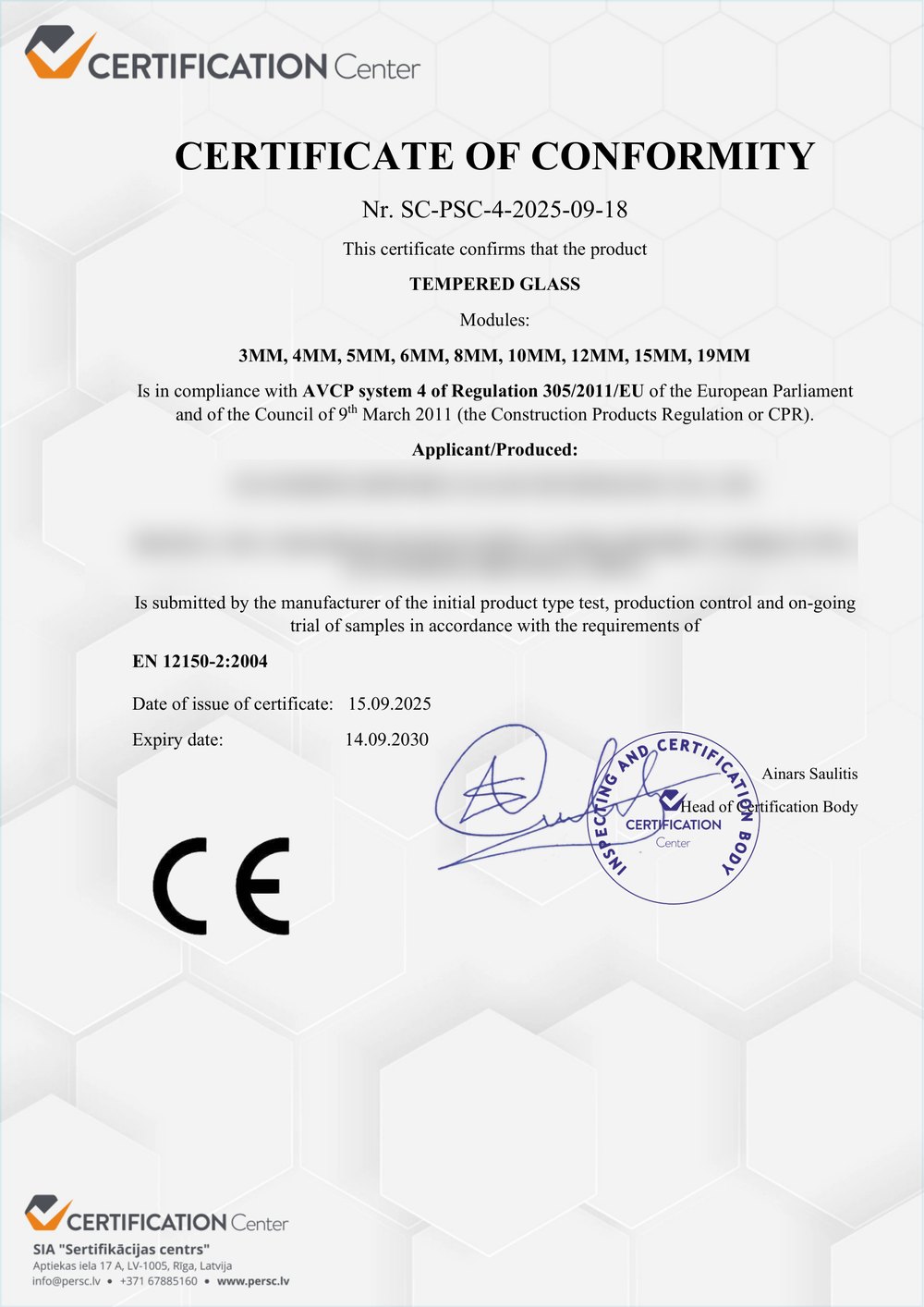
To adhere to global safety codes (EN 12150, SGCC, AS 2208), roof windows mandate toughened exterior glass paired with PVB/SGP laminated interior glass, preventing shatter risks and delivering high sound attenuation (Rw > 42 dB).
Top 10 Aluminium Pitched Roof Windows Manufacturers & Exporters
Evaluated based on manufacturing infrastructure, thermal innovation, compliance certifications, and global export track record.
1. Karon Window & Door Co., Ltd. (China)
Premier Custom OEM/ODM ExporterOperating a standardized 10,000 m² manufacturing plant in Foshan, China's aluminum industrial heartland, Karon Window & Door Co., Ltd. has established itself as a global leader in project-grade fenestration systems. Backed by over 15 years of engineering experience, KARON specializes in custom thermal break aluminum pitched roof windows, tilt-and-turn windows, slim-line sliding systems, and integrated sunroom enclosures. Possessing ISO 9001 quality management systems, KARON products hold verified international certifications including CE (EN 12150), US SGCC, Australia AS 2208, NZ AS/NZS 2208, Thailand TISI, and Malaysia CIDB. From luxury villas in Texas to 600+ unit resort developments in Phuket, KARON delivers project-tailored shop drawings, rigorous quality control, and direct export capabilities.
2. Velux Group (Denmark)
Global Market PioneerHeadquartered in Denmark, Velux is synonymous with roof window manufacturing. Known for its automated roof skylights, polyurethane-coated wooden core, and aluminum exterior clad profiles, Velux leads in solar-powered roof window integration and smart home connectivity (Velux ACTIVE). Their products excel in Scandinavian cold-climate thermal efficiency.
3. FAKRO (Poland)
European Manufacturing GiantFAKRO holds a major market share in Europe, producing a wide matrix of aluminum-clad pitched roof windows, loft ladders, and flat roof skylights. FAKRO’s top-hung and center-pivot windows incorporate thermoPro technology, improving thermal insulation, acoustic barrier ratings, and structural durability under heavy snow loads.
4. Roto Frank AG (Germany)
Precision Hardware & Roof SystemsRoto Frank is renowned for high-end German window hardware engineering and premium roof window systems. Utilizing multi-point mechanical locking mechanisms and high-grade aluminum extrusions, Roto pitched roof windows offer effortless top-pivot operation, superior burglar resistance (RC2 certification), and passive house thermal ratings.
5. Lamilux Heinrich Strunz GmbH (Germany)
Commercial & Glass Roof ArchitectureLamilux specializes in heavy-duty commercial skylights, glass roofs, and continuous rooflight structures. Their aluminum frame designs are widely specified for large architectural pitched roofs, incorporating integrated smoke and heat exhaust ventilation systems (SHEVS) compliant with EN 12101-2.
6. Keylite Roof Windows (UK/Ireland)
Innovative Installation SystemsKeylite is widely recognized across the UK and Australia for its patented Integrated Thermal Collar technology, which eliminates cold bridging between the window frame and roof structure. Their aluminum-clad roof windows feature hassle-free flashing kits and pre-fitted installation brackets.
7. Andersen Windows & Doors (USA)
North American Premium FenestrationAndersen is a dominant manufacturer in North America, manufacturing architectural roof skylights and custom slope glazing systems. Incorporating Fibrex composite material reinforced with heavy-gauge exterior aluminum cladding, Andersen systems excel in NFRC-certified solar heat gain coefficient (SHGC) control.
8. RoofLITE+ (Luxembourg)
Cost-Efficient Project FenestrationRoofLITE+ produces reliable, cost-effective aluminum pitched roof windows designed specifically for residential developers and budget-conscious commercial builds across Europe. Their windows feature double-glazed Low-E argon-filled units and robust weatherproof aluminum covers.
9. Glazing Vision (UK)
Minimalist Architectural Glass SkylightsGlazing Vision leads the market in ultra-slim frame and frameless glass roof windows. Their bespoke motorized sliding rooflights and hinged access windows utilize thermally broken aluminum frames designed to maximize clear daylight view with minimal visible sightlines.
10. Dakea (Denmark/Europe)
Professional Trade SupplierDakea caters primarily to professional installers and construction contractors, manufacturing durable aluminum-clad pitched roof windows with extended up to 20-year guarantees. Their systems emphasize fast flashing assembly and reinforced frame stability (Toughened Panes with Titan Glass coating).
Engineering Trends Shaping Pitched Roof Window Sourcing (2025–2030)
Key technological shifts procurement teams must evaluate when specifying aluminum fenestration for next-generation construction projects.
1. Smart Automation & IoT Actuators
Modern pitched roof windows are transitioning from manual crank operations to integrated 24V DC electric chain actuators. Procurement teams are specifying windows with concealed motors connected to rain sensors, wind speed meters, and smart building management systems (BMS via RS485, KNX, or Zigbee protocols) for automatic climate control.
2. BIPV & Solar-Powered Self-Sufficiency
With global green building directives (EU EPBD & US Title 24), pitched roof windows are integrating thin-film Building Integrated Photovoltaics (BIPV) directly onto the glass or aluminum frame. Solar-powered roof windows operate completely off-grid, utilizing internal battery storage to drive motorized openers and blackout blinds.
3. Vacuum Insulated Glass (VIG) & Aerogel Strips
To reduce overall window profile weight while achieving Passive House U-factors (< 0.6 W/m²K), manufacturers are replacing thick triple-pane glass with Vacuum Insulated Glass (VIG). Paired with aerogel thermal cavity insulation, VIG roof windows achieve superior thermal performance in a slim 8mm profile thickness.
4. Extreme Weather & Impact Resilience
Climate volatility has elevated demand for hurricane-impact certified (ASTM E1996 / Florida Building Code) and high hail-resistance glass configurations. Exporters must provide robust 6mm+6mm tempered-laminated glass options with reinforced structural aluminum alloy profiles (6063-T6).
Structural & Performance Sourcing Checklist
Compare standard fenestration specifications against high-performance architectural pitched roof window requirements.
| Performance Parameter | Standard Residential Spec | Project-Grade / Luxury Spec | KARON Standard Compliance |
|---|---|---|---|
| Frame Profile Alloy | Standard Aluminum (1.2mm - 1.4mm) | Heavy-Duty 6063-T5/T6 (1.8mm - 3.0mm) | High-Tensile 6063-T5 Structural Profile |
| Thermal Break Technology | Single PVC / Low PA Strip | Multi-Chamber PA66-GF25 Polyamide | Integrated PA66-GF25 Insulation Strip |
| Glazing Assembly | Double Glazed Toughened (5+12A+5) | Triple Glazed Low-E Laminated (6+12A+5+1.52PVB+5) | Customizable Low-E Triple Glazed / SGCC Certified |
| Overall U-Factor (W/m²K) | 1.8 - 2.4 W/m²K | 0.8 - 1.2 W/m²K | U-Factor ≤ 1.1 W/m²K (Climate Code Optimized) |
| Water Tightness Rating | 300 Pa - 600 Pa (Class 9A) | 1000 Pa - 1500 Pa (Class E1500) | Class E1500 Dynamic Pressure Tested |
| Acoustic Insulation (STC) | 28 - 32 dB | 38 - 45+ dB | Rw ≥ 42 dB Acoustic Laminate Build-up |
| Surface Powder Coating | Standard Anodized / Basic Paint | AkzoNobel / PPG Fluorocarbon (PVDF) | 20+ Year Weather-Resistant PVDF Coating |
Why Sourcing Buyers Partner with KARON Window & Door Co., Ltd.
A full-capability Foshan OEM/ODM manufacturer engineering enterprise window solutions for global markets.
10,000 m² Advanced Production Line
Located in Songxia Industrial Park, Nanhai District, Foshan, KARON operates state-of-the-art CNC machining centers, automated corner crimping lines, double-head precision cutting saws, and automated insulated glass assembly lines.
100% Custom Engineering & Shop Drawings
No forced standard sizes. Every window schedule is custom engineered according to architectural CAD/BIM drawings, structural wind-load requirements, opening pitch angles, and specific hardware requirements.
Rigorous Multi-Country Certification Portfolio
KARON products undergo full-process quality inspection under ISO 9001 management, carrying verified test reports for CE EN 12150, US SGCC, Australia AS 2208, New Zealand AS/NZS 2208, Thailand TISI, and Malaysia CIDB PPS.
Proven Overseas Project Delivery
Direct export track record supplying multi-unit residential developments, resort hotels (e.g., Kora Beach Resort Phuket - 672 units), luxury villas in North America, and commercial office parks across Europe and Southeast Asia.
Frequently Asked Questions (FAQ) for Overseas B2B Buyers
Addressing crucial engineering, logistics, and customization questions for international fenestration buyers.
What roof pitch angles are suitable for aluminum pitched roof windows?
Standard aluminum pitched roof windows are designed for installation on roof slopes angled between 15° and 85°. For roof pitches below 15°, specialized raised curb upstands (typically 5° to 10° angled sub-frames) are required to prevent water pooling and ensure positive gravity drainage across perimeter flashings. For vertical installations above 85°, standard wall casement systems are recommended.
How does KARON prevent water leakage on inclined roof window installations?
KARON utilizes a triple-barrier waterproofing system: (1) Customized seamless aluminum perimeter flashing kits tailored to tile, corrugated metal, or flat membrane roofs; (2) Multi-layered EPDM rubber compression gaskets that maintain elasticity under temperature extremes; and (3) Concealed internal condensation drainage channels that route any trace moisture safely outside the frame envelope.
What glass build-up is required to meet international safety codes for overhead glazing?
International safety standards (such as US International Building Code IBC Section 2405 and European EN 12600) strictly mandate that overhead glazing must incorporate an outer pane of toughened safety glass (to withstand hail and impact) and an inner pane of laminated safety glass (with PVB or SGP interlayer). If the outer glass breaks, the inner laminated glass holds the shattered fragments intact, preventing interior injury.
Can KARON manufacture motorized roof windows compatible with local smart home systems?
Yes. KARON supplies concealed electric chain actuators operating on 24V DC or 110V-240V AC. Our motors can be integrated with wall switches, remote controls, rain/wind automated sensors, or connected to smart home automation platforms (Zigbee, Matter, RS485, and KNX) for automated natural ventilation and climate management.
What is the typical production lead time and export packaging standard for volume orders?
Standard fabrication lead time is 25 to 35 business days following final shop drawing approval and deposit receipt. For international sea freight, all windows and doors are individually wrapped in protective film, corner-guarded, cushioned with EPE foam, and fully sealed inside solid ISPM-15 compliant fumigated plywood crates to ensure 100% damage-free delivery.
How do I obtain a formal engineering quotation and shop drawing review from KARON?
Simply send your architectural window schedules, CAD/PDF drawings, estimated quantities, and target performance requirements to our technical team via the inquiry portal. Our fenestration engineers will provide structural calculation checks, recommend suitable aluminum profile series, and issue itemized quotations within 24 hours.
Ready to Spec Your Project with High-Performance Roof Windows?
Connect directly with KARON’s engineering team to review architectural drawings, request factory test reports, or receive custom volume pricing.