Featured Architectural Door & Window Product Showcase
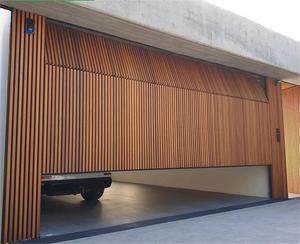
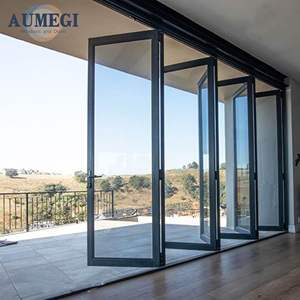
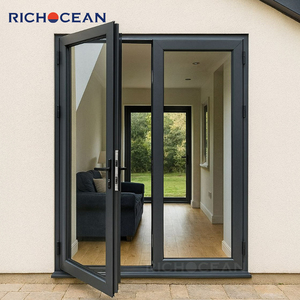
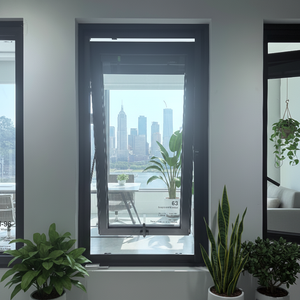
Engineered to pass rigorous wind-load tests, energy codes, and extreme acoustic demands. Below are 8 flagship engineering systems manufactured for international hotel projects, luxury villas, and commercial real estate.
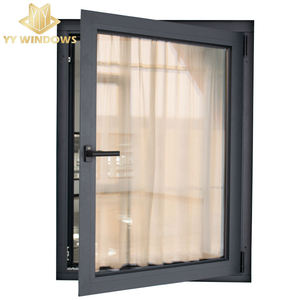
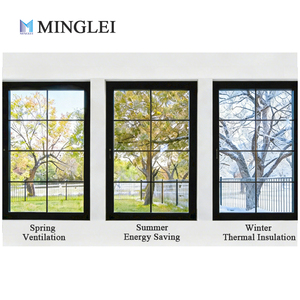
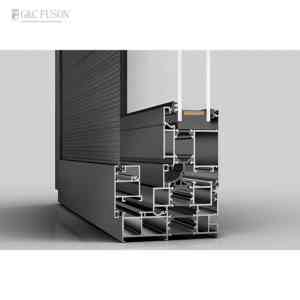
Global Landscape: Evaluating Top 10 Aluminum Alloy Doors & Windows Manufacturers & Exporters
The global demand for high-performance architectural fenestration has undergone a structural shift over the past decade. Commercial developers, general contractors, and residential facade architects are moving away from traditional un-insulated steel and vinyl frames toward Thermal Break Aluminum Alloy 6063-T5 profiles. Aluminum offers an unparalleled strength-to-weight ratio, enabling expansive floor-to-ceiling glass openings without sacrificing structural integrity against severe wind loads or seismic displacement.
When assessing the Top 10 aluminum alloy doors and windows manufacturers and exporters across major production hubs—including Foshan (China), Germany, Italy, the United States, and Australia—B2B procurement directors must evaluate manufacturers not merely by price per square meter, but through a multi-dimensional matrix of structural engineering, thermal insulation values (U-Factor / SHGC), glazing safety standards, hardware durability, and international certification compliance.
Foshan Manufacturing Ecosystem Advantage
Foshan, Guangdong serves as the epicenter of global aluminum extrusion and fenestration technology. Representing over 30% of global architectural aluminum exports, Foshan-based manufacturers benefit from an integrated supply chain cluster—ranging from primary aluminum billet smelting to precision CNC extrusion machining, surface anodizing, Qualicoat powder coating, and specialized hardware integration.
European & American Engineering Synergies
Top-tier Chinese exporters have successfully fused European engineering standards (utilizing German Siegenia, Roto, and HOPO hardware alongside Italian Giesse systems) with highly automated, cost-optimized production lines. This allows global buyers to procure windows that meet strict EU Passive House standards or US NFRC specs at a fraction of Western manufacturing lead times and costs.
Enterprise Advantage: Why Industry Leaders Partner with Karon Window & Door Co., Ltd.
As a pioneer among premier aluminum doors and windows exporters, Karon Window & Door Co., Ltd. (KARON) operates a 10,000 square meter standardized manufacturing complex located in Songxia Industrial Park, Nanhai District, Foshan. Backed by over 15 years of specialized technical expertise, KARON delivers project-grade fenestration solutions customized to precise architectural shop drawings.
10,000㎡ Modernized Plant
Equipped with double-head precision cutting saws, automatic CNC corner-crimping machines, and automated insulated glass assembly lines to guarantee frame dimensional tolerances within ±0.5mm.
Full Certification Portfolio
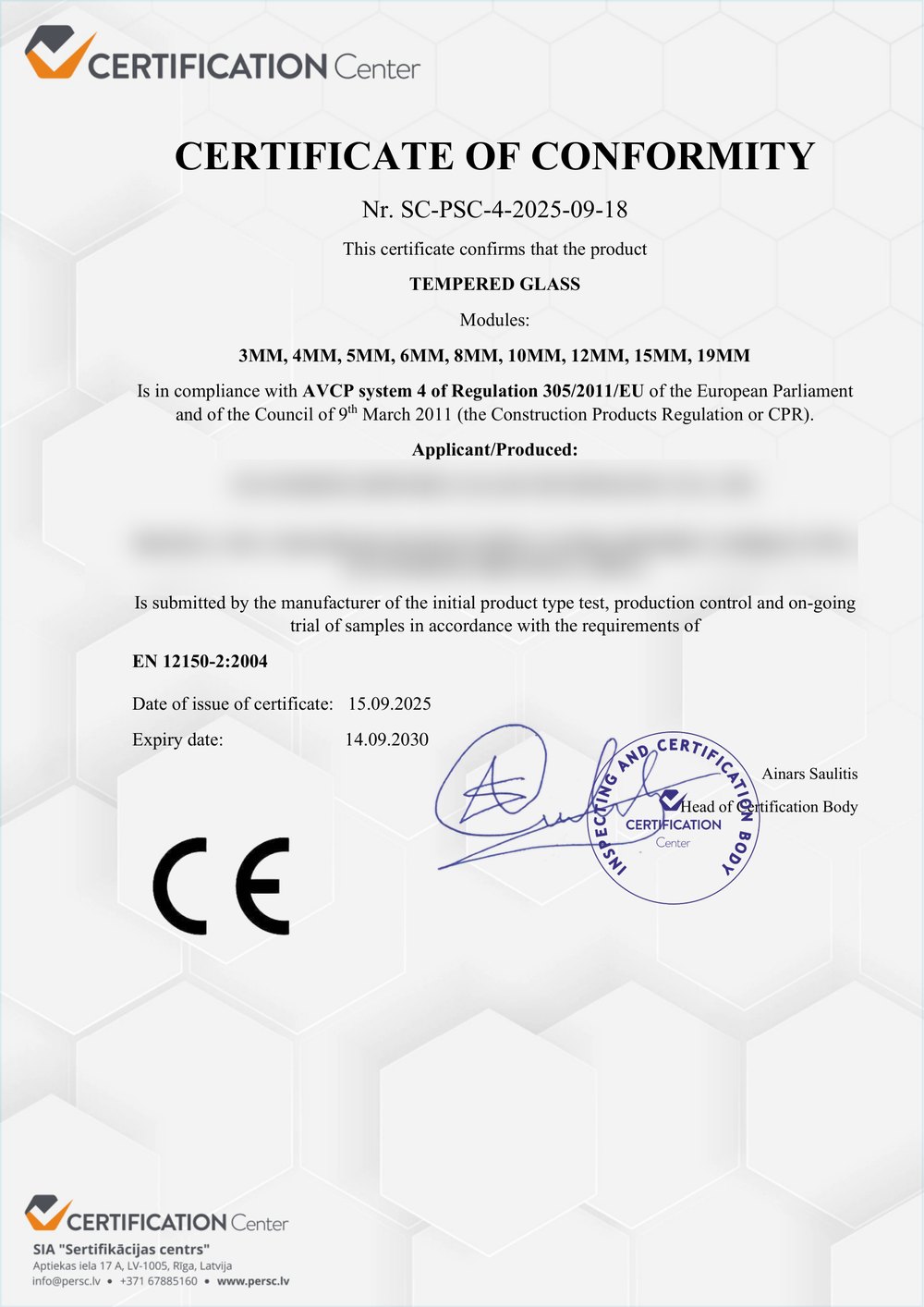
Products are certified under CE (EN 12150), US SGCC safety glazing, Australia AS 2208, New Zealand AS/NZS 2208, Thailand TISI (965-2560), and Malaysia CIDB PPS standards.
One-Stop System Integration
From thermal break casement windows, ultra-slim sliding patio doors, bi-fold doors, to architectural sunrooms, glass balustrades, and shower enclosures—all coordinated under a single finish color and profile system.
Strict Quality Control & Material Assurance
At KARON, quality control is implemented across five non-negotiable inspection gates: raw 6063-T5 profile wall thickness verification (standardized ≥1.4mm for windows, ≥2.0mm for heavy-duty doors), polyamide PA66-GF25 thermal strip tension testing, double-sealed EPDM weather strip elasticity checks, IG units dew-point testing (-40°C), and 100% pre-shipment dry-fitting in factory mock-ups.
Strategic Industry Trends: Future Sourcing & Product Development (2025–2030)
Procurement directors and facade engineers evaluating window and door suppliers for multi-year project pipelines must align with key technology vectors driving the building envelope sector:
1. Ultra-Narrow Sightlines with Structural Glass Bonding
Architectural aesthetics favor invisible frame profiles. Modern slim-frame sliding doors feature interlock sightlines as thin as 16mm to 21mm. Achieving wind-load resistance with minimal aluminum face widths requires structural silicone glazing (SSG) technology where the insulated glass unit becomes a load-bearing component of the sash.
2. Advanced Thermal Barrier Tech & Aerogel Fillers
With net-zero carbon building regulations taking effect across Europe, North America, and Australia, basic thermal break profiles are expanding. Multi-cavity PA66-GF25 insulating strips infused with aerogel or polyurethane foam insulation are becoming standard to lower window U-factors below 0.8 W/(m²·K).
3. Hurricane Impact & Severe Weather Resilience
Climate volatility has heightened demand for hurricane impact-rated fenestration in coastal regions like Florida, the Caribbean, Southeast Asia, and Australia. Export trends highlight heavy-gauge aluminum profiles paired with SGP (Kuraray SentryGlas®) laminated safety glass capable of withstanding Large Missile Impact (ASTM E1996) and cyclic wind pressures.
4. Smart Automation & Concealed Motorization
B2B buyers are increasingly specifying motorized tilt-and-turn windows, smart electric vertical-lift windows, and automated sliding glass walls. Integrated with Building Management Systems (BMS) or smart home hubs (Zigbee/Matter), these systems automatically adjust for natural ventilation, rain sensor closure, and solar shading.
Global Compliance & Standards Decision Matrix
Understanding market-specific testing mandates is essential to ensure smooth customs clearance and local building code compliance. The comparison matrix below outlines the critical certifications required across key export destinations:
| Target Region | Governing Standard | Glazing Safety Spec | Thermal / Air / Water Test | Required Documentation |
|---|---|---|---|---|
| North America (USA & Canada) | NFRC / AAMA / WDMA | SGCC (ANSI Z97.1 / CPSC 16 CFR 1201) | ASTM E283 (Air), ASTM E331 (Water), ASTM E330 (Structural) | NFRC Thermal Performance Label & SGCC Factory Audit Certification |
| European Union (EU) | CE Marking (EN 14351-1) | EN 12150 (Toughened Safety Glass) | EN 1026 (Air Permeability), EN 1027 (Watertightness), EN 12210 (Wind) | Declaration of Performance (DoP) & Factory Production Control (FPC) |
| Australia & New Zealand | AS 2047 / AS 1288 | AS/NZS 2208 (Safety Glazing Materials) | AS 4420 Wind Pressure, Water Penetration & Air Infiltration | SAI Global / CSi PAS-Mark Certificate & Structural Calculation Report |
| Southeast Asia (Thailand & Malaysia) | TISI / CIDB PPS | TISI 965-2560 / 1231-2560 | Local Wind Load DP Ratings & Salt Spray Corrosion Test (1000 hrs) | CIDB Certificate of Approval (COA) & Factory Inspection Report |
B2B Procurement FAQ: Critical Guidance for Overseas Buyers
Where is the KARON factory located, and what is your annual manufacturing capacity?
What is the difference between thermal break and non-thermal break aluminum profiles?
Which international safety and performance certifications can KARON supply for architectural projects?
Can KARON manufacture custom window and door systems based on CAD shop drawings and architectural specs?
What hardware brands do you integrate into your aluminum window and door assemblies?
How are products packaged to prevent damage during long-distance ocean shipping?
What is the standard lead time for factory production and sample validation?
How do I initiate an inquiry or request an engineering quote from KARON?
Ready to Upgrade Your Architectural Project Envelope?
Whether you are managing a multi-unit resort hotel in Thailand, luxury private residential villas in Florida or Texas, or commercial office developments in Australia, KARON delivers certified, high-precision aluminum window and door systems directly from our Foshan factory.