Impact Villa
Engineered for extreme structural wind loads, hurricane impact protection, and acoustic insulation. Verified for global commercial and residential developments.
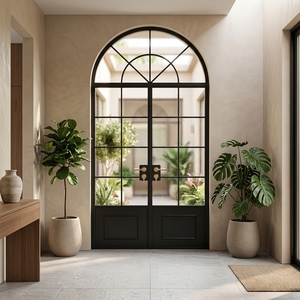
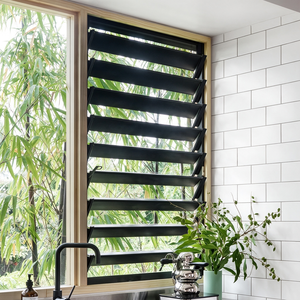
A comprehensive technical report on extruded aluminum profiles, structural glazing parameters, impact performance metrics, and global OEM/ODM manufacturer auditing.
Selecting architectural exterior storm windows for coastal commercial complexes, luxury high-rise residential towers, and extreme-weather hospitality developments requires navigating a complex matrix of structural wind-load demands, thermal envelope regulations, acoustic mitigation parameters, and material longevity standards. Modern aluminum storm windows have evolved far beyond basic secondary glazing; today’s systems serve as high-performance exterior envelope barriers engineered to withstand severe hurricane pressures (DP50 to DP100+), wind-borne debris impacts, intense thermal bridging, and saline atmospheric corrosion.
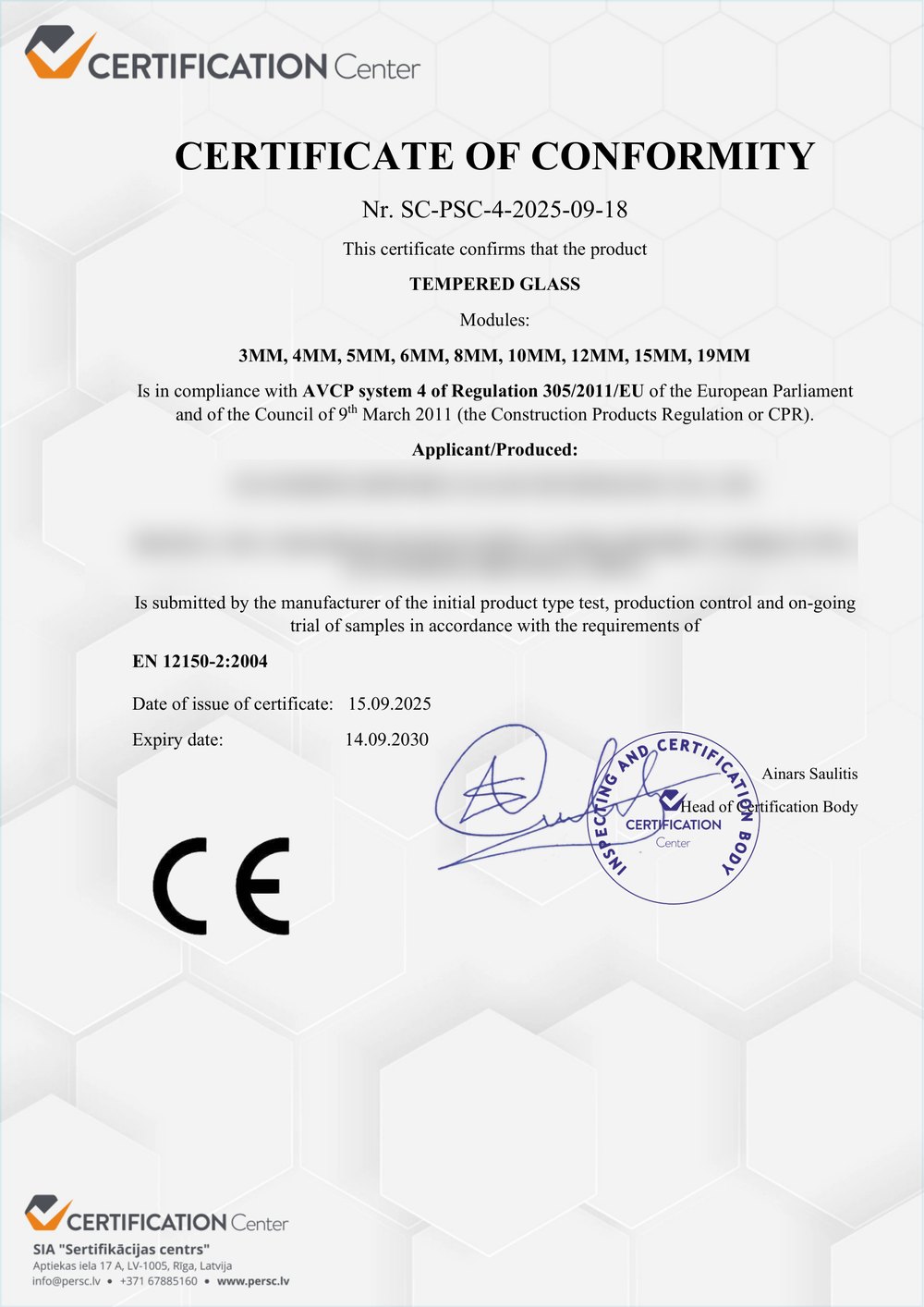
Unlike standard non-thermal windows, architectural exterior storm systems utilize high-tensile 6063-T6 aluminum alloys combined with polyamide (PA66 GF25) thermal breaks and multi-layered laminated safety glass (SGP or PVB interlayers). Procurement directors must evaluate suppliers based on certified Design Pressure (DP) capacity, water penetration resistance under dynamic pressure, corner crimping shear strength, and international lab accreditations including CE (EN 12150), US SGCC, Australia AS 2208, and Thailand TISI standards.
When procurement officers audit OEM/ODM factories in premier aluminum fabrication hubs such as Foshan, China, relying on visual finish alone introduces significant structural risk. Industrial buyers must evaluate the following four core engineering pillars:
The structural backbone of any hurricane or heavy-weather storm window is its extruded aluminum alloy profile. Leading international standards (such as ASTM B221 and GB/T 5237) mandate minimum wall thicknesses ranging from 1.4mm for residential casements to 2.0mm–3.0mm for commercial curtain walls and heavy-duty storm sashes. The chemical composition must strictly adhere to 6063-T5 or 6063-T6 temper specifications, delivering a yield strength exceeding 170 MPa. Premium profile extrusions undergo multi-stage anodizing or fluorocarbon (PVDF) powder coating, providing salt-spray corrosion resistance up to 3,000 hours under ASTM B117 testing.
To comply with modern building energy codes (such as ASHRAE 90.1, NFRC standards, and EU EPBD directives), exterior storm windows must feature thermal insulation breaks. Procurement managers should specify PA66 GF25 (25% Glass-Fiber Reinforced Polyamide 66) mechanical insertion strips over lower-grade PVC or polyurethane pour-and-debridge fills. PA66 GF25 strips possess thermal expansion coefficients virtually identical to aluminum, eliminating frame warping, seal degradation, or structural delamination during drastic ambient temperature fluctuations (-30°C to +80°C).
Storm window resistance against flying debris during tropical cyclones hinges on advanced glass laminate design. Low-E double-glazed insulated impact glass setups typically integrate a tempered outer pane with a laminated inner pane containing SentryGlas® (SGP) or high-viscosity Polyvinyl Butyral (PVB) interlayers. SGP interlayers offer 5 times the tear strength and 100 times the rigidity of standard PVB, preventing window pane collapse even if both glass layers shatter during a Category 5 hurricane event.
| Performance Standard | Technical Threshold | Engineering Significance | Target Application |
|---|---|---|---|
| Structural Wind Load (ASTM E330) | DP50 to DP100 (2400 Pa – 4800 Pa) | Verifies frame deformation resistance under violent gale forces | Coastal High-Rise Towers & Villas |
| Large Missile Impact (ASTM E1886/E1996) | 9 lb timber stud @ 50 ft/s (TAS 201/203) | Simulates severe wind-borne debris strikes during hurricanes | Severe Weather & Coastal Regions |
| Acoustic Attenuation (ISO 717-1) | STC 38 – 45 dB / OITC 32 – 38 dB | Dampens ambient urban noise, wind roar, and exterior vibration | Airport / Highway / Hospitality Projects |
| Thermal Transmittance (NFRC / EN ISO 10077) | U-factor 1.2 – 2.0 W/m²·K | Minimizes conductive heat gain/loss across building envelopes | Green Building / LEED Certified Projects |
| Water Penetration Resistance (ASTM E331) | 750 Pa (15.6 psf) zero leakage | Prevents water ingress during torrential rainstorms and surges | Exposed High-Altitude Envelopes |
The global market for aluminum exterior storm windows is undergoing a rapid transition driven by climate resilience mandates, zero-carbon building initiatives, and smart automation technology. B2B buyers must align their procurement roadmaps with four macro trends shaping manufacturing through 2030:
Architectural design heavily favors minimalist sightlines. Next-generation storm windows combine ultra-slim profile profiles (down to 25mm visible frame width) with concealed multi-point hardware while retaining DP60 structural integrity.
Global developers demand carbon transparency. Factories utilizing hydro-powered primary smelting or post-consumer recycled aluminum billets (low-embodied carbon < 4.0 kg CO2/kg Al) gain competitive compliance advantages under EU CBAM regulations.
Storm windows are increasingly integrated into Building Management Systems (BMS). Motorized electric lift sash systems equipped with automatic wind/rain sensors seal window sashes tightly prior to storm landfall.
Evaluating the top 10 aluminum exterior storm window factories requires assessing both engineering capability and international compliance. Leading manufacturers set themselves apart by maintaining in-house testing laboratories, customized die extrusion development, and complete ownership of fabrication workflows—from raw billet melting to final export crating.
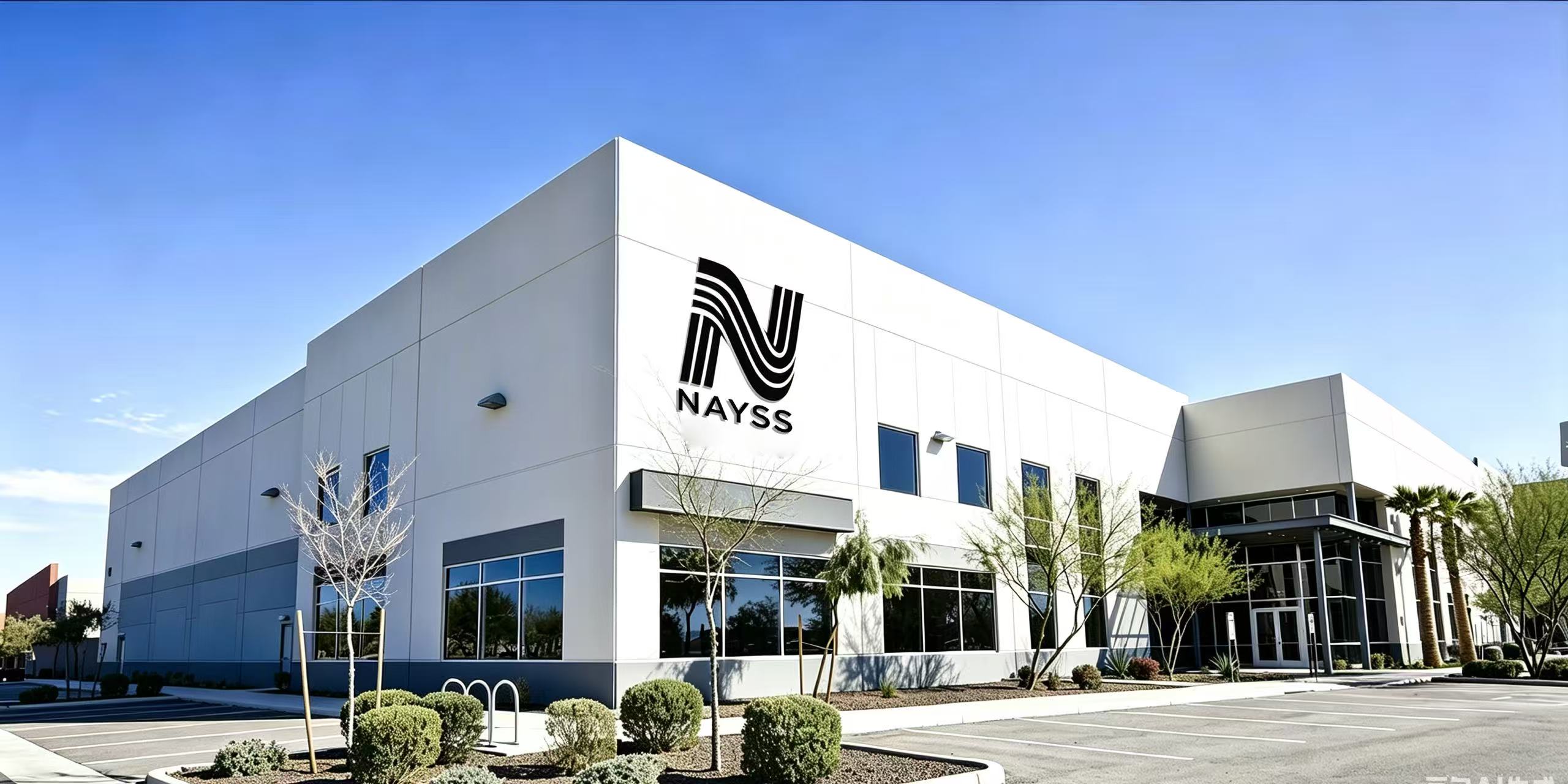
Tier-1 factories situated in global industrial manufacturing clusters like Foshan, Guangdong possess distinct advantages over small assembly workshops. Operating standardized plants exceeding 10,000 m², these manufacturers deploy 5-axis CNC machining centers, automated corner-crimping machinery, and computerized dual-component silicone sealing lines. This level of automation guarantees strict tolerances within ±0.5mm across high-volume production runs, preventing on-site installation failures and air leakage.
Operating a standardized 10,000 m² manufacturing plant in Songxia Industrial Park, Foshan, Karon Window & Door Co., Ltd. brings over 15 years of continuous engineering excellence to international commercial and residential projects.