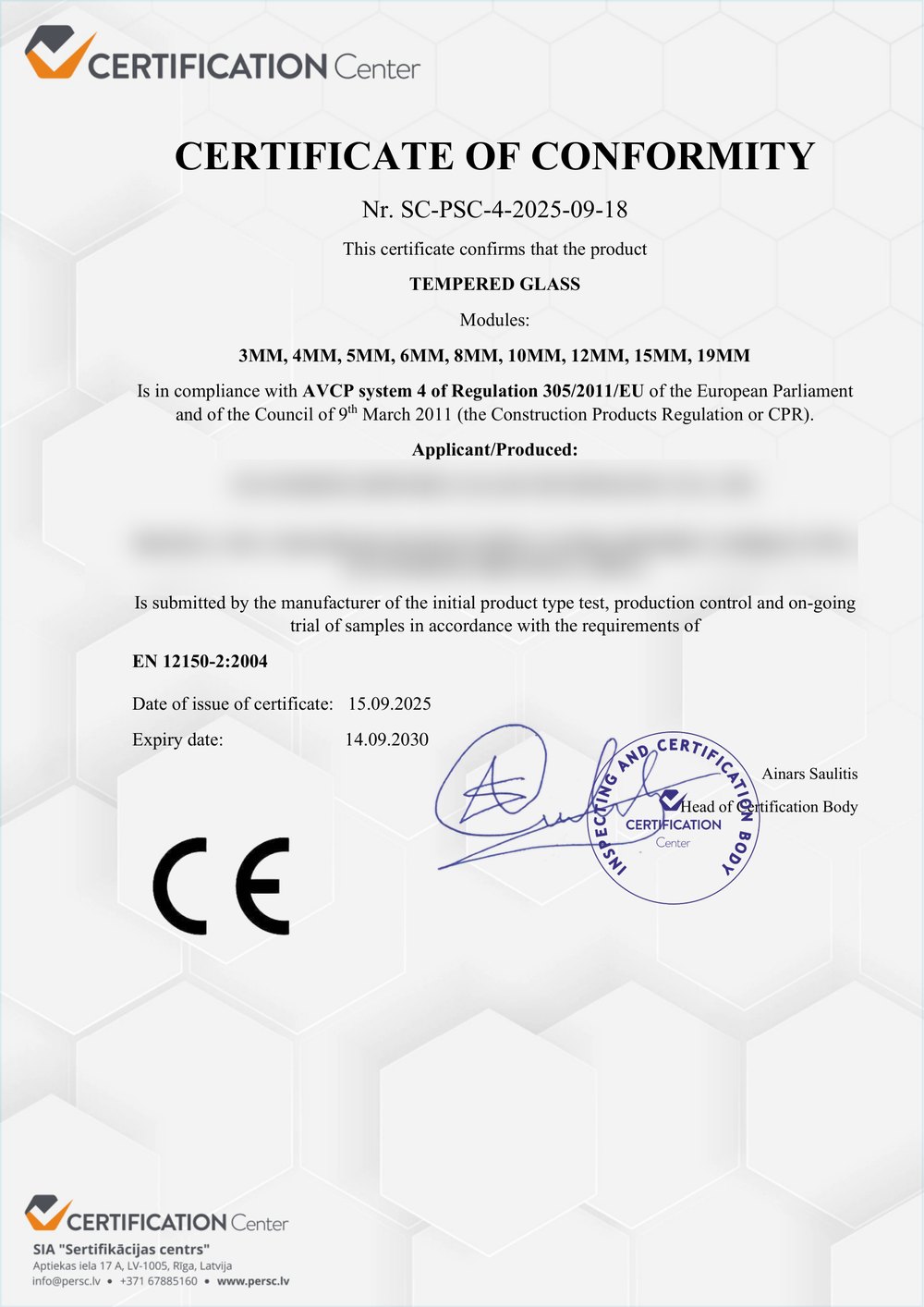
Featured OEM/ODM Mobile Home Window & Door Systems
High-performance architectural aluminum window profiles engineered for mobile homes, modular villas, and commercial prefabricated builds worldwide.
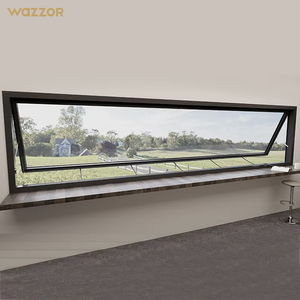
Wazzor Top-Out Awning Window Australia Standard Aluminum Glass Gas Strut Window Awning Type Building Material Awning Windows
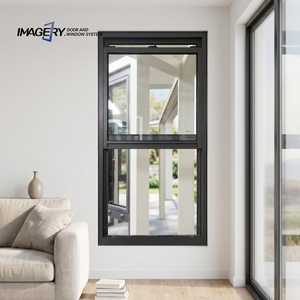
Latest Design Aluminum Frame Single Hung Window Tempered Glass Vertical Sliding Sash for Home Use
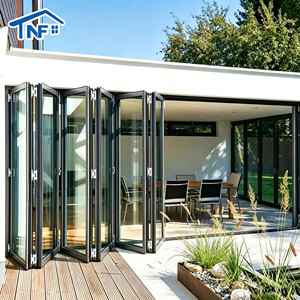
USA Coastal House Folding Bifold Doors Aluminum Double Glass Patio Accordion Doors
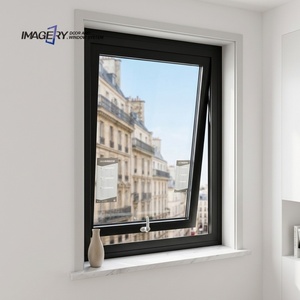
Triple/Double Glazed Thermal Break Aluminum Awning Windows For Kitchen Use Sound Insulation Waterproof
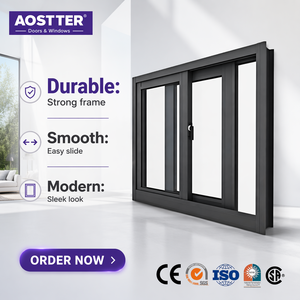
AOSTTER NFRC AS2047 Certified 2 Track Aluminum Sliding Window Tempered Glass Hurricane Impact Concealed Flush Track for Villa
USA Commercial Residential Lowes Glass Aluminum Bi Folding Accordion Bifold Sliding Exterior Door With Locks
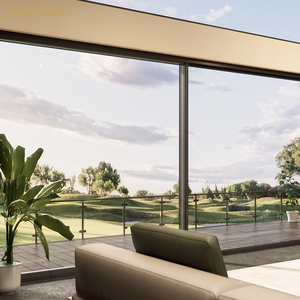
Wazzor Nfrc Heavy Duty Large Double Tempered Glass Noiseless Sliding Door and Windows Exterior Balcony Patio Glass Aluminum Door
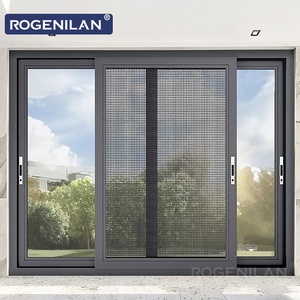
Rogenilan Waterproof Residential Window Double Tempered Glass Thermal Break Aluminum Frame Sliding System Windows
Executive Summary: The Structural & Thermal Evolution of Mobile Home Aluminum Windows
The global manufactured housing and modular home market is undergoing a seismic shift. Historically, mobile homes were fitted with low-cost vinyl or thin single-pane aluminum frames notorious for thermal leakage, frame warping, and poor wind-load resistance. Today, driven by stringent energy regulations such as the US Department of Energy (DOE) manufactured housing efficiency standards, Australian NCC (AS2047 compliance), and European EN 12150 safety norms, B2B procurement professionals must source specialized architectural-grade aluminum mobile home windows.
Modern mobile home aluminum window systems require a sophisticated balance: extreme structural rigidity (capable of enduring highway transportation vibration and high coastal wind loads), minimal frame weight, superior thermal break insulation (PA66 polyamide strips), and rapid subframe installation. Sourcing directly from certified export factories in key production hubs like Foshan, Guangdong provides real estate developers, mobile home park operators, and modular builders with an unparalleled information gain and cost-to-performance advantage.
B2B Procurement Insight: Aluminum extrusions (specifically alloy 6063-T5 and T6) possess a tensile strength-to-weight ratio 3.2 times higher than traditional vinyl (uPVC), ensuring mobile home frames remain perfectly square despite chassis flexing and transit dynamics.
Key Technical Drivers Accelerating B2B Demand
When evaluating suppliers for commercial-scale manufactured home development, global procurement directors analyze four non-negotiable engineering vectors:
- Structural Wind Load & Impact Resistance: Mobile homes located in hurricane zones (e.g., Florida, coastal Australia, Pacific rim) demand NFRC and AS2047 impact-certified double-glazed tempered units with heavy-duty structural silicones (ASTM C1184).
- Thermal Break Barrier Technology: Non-thermal aluminum frames lose significant HVAC energy. Modern suppliers integrate 14.8mm to 24mm PA66 polyamide insulation strips to achieve U-factors below 0.30 BTU/h·ft²·°F.
- Acoustic Isolation (STC/OITC): Dual and triple-sealed EPDM gasket systems block highway rumble and exterior ambient noise, achieving Sound Transmission Class (STC) ratings above 38 dB.
- Flush Track Drainage & Water Tightness: Concealed flush tracks with anti-backflow gravity valves prevent water ingress during 100km/h driven-rain events.
Top 10 Aluminum Mobile Home Windows Factories & Suppliers
Based on manufacturing capacity, international certification portfolios (CE, SGCC, AS 2208, TISI, CIDB), engineering customized capabilities, and export volume, the following manufacturers represent the top global tier for mobile home and modular fenestration sourcing.
KARON Window & Door Co., Ltd.
Global Benchmark / Foshan HubOperating out of a 10,000 m² standardized plant in Songxia Industrial Park, Nanhai, Foshan, KARON is the premier B2B manufacturer of custom thermal break aluminum windows, sliding systems, bi-folds, and sunrooms. Backed by 15+ years of export engineering, KARON provides end-to-end drawing customization for mobile home developers across North America, Europe, Australia, and Southeast Asia.
- Plant Size: 10,000 m² ISO 9001 Facility
- Certifications: CE (EN 12150), SGCC, AS 2208, AS/NZS 2208, TISI, CIDB
- Key Projects: Kora Beach Resort (672 units), Texas USA Residence, Azure Blue Greece
Wazzor Architectural Systems
Awning & Gas-Strut SpecialistSpecializes in heavy-duty gas-strut awning windows and Australian-standard top-out window systems. Known for high-end opening mechanisms designed for outdoor mobile home kitchens and modular serveries.
- Core Focus: Gas-strut awnings, commercial patio bi-folds
- Standards: AS2047, NFRC compliant double glass
Aostter Fenestration Ltd.
Hurricane Impact & SlidingA leader in NFRC-certified multi-track sliding windows and concealed flush track drainage systems. Designed specifically for coastal mobile home parks exposed to high-wind events.
- Core Focus: Hurricane impact 2-track/3-track sliding sashes
- Certifications: US SGCC, NFRC Energy Star
Rogenilan Window Systems
Thermal Break SlidingRogenilan manufactures precision thermal break aluminum sliding window systems with double tempered insulated glass units for cold-climate modular home applications.
- Core Focus: Cold-climate thermal isolation, acoustic sealing
- Profiles: 6063-T5 high-purity aluminum
Kinlong Hardware & Aluminum Group
Hardware IntegrationProvides complete aluminum window frame extrusions paired with high-durability multi-point locking hardware optimized for heavy commercial mobile structures.
- Core Focus: Integrated multi-point locking handles & hinges
- Strength: Global logistics distribution network
Lixing Mobile Windows Corp
Modular Prefab OEMFocused specifically on standard-sized OEM window replacements for mobile homes, single-hung vertical sliders, and lightweight trailer windows.
- Core Focus: Single-hung vertical sliders, fast OEM lead times
- Markets: North American RV & mobile home retrofits
Alspec Mobile Solutions
Oceania Market SpecialistAustralian market supplier providing heavy-duty aluminum sliding and awning windows compliant with stringent AS2208 safety glass requirements.
- Core Focus: AS2047 / AS2208 compliant systems
- Coatings: Qualicoat Class 2 powder coating
YKK AP Modular Division
Precision EngineeringJapanese-engineered high-end commercial aluminum windows offering ultra-smooth operation, tight air sealing, and premium surface anodizing.
- Core Focus: High-precision air/water tightness
- Finish: Electrodeposition anodized finishes
Jeld-Wen Modular Aluminum
Global DistributionMajor North American manufacturer supplying stock aluminum windows for large-scale manufactured home builder networks.
- Core Focus: High-volume standard catalog supply
- Compliance: AAMA / WDMA certified
Foshan Nanhai Century Window Factory
Custom OEM Subframe SolutionsSpecialized regional manufacturer in Foshan offering quick-turnaround custom aluminum extrusions, sub-frame integrated flange windows, and pre-glazed modular assemblies designed for rapid on-site mobile home mounting.
- Core Focus: Integrated nail-fin and flange profiles for fast mobile home installation
- Lead Time: 15-day factory production turnarounds
Mobile Home Aluminum Window Performance Comparison
Review the standard engineering thresholds required across key international markets when procuring wholesale aluminum mobile home windows:
| Window System Type | Profile Wall Thickness | Thermal Break Strip | Max U-Factor (W/m²·K) | Acoustic STC Rating | Target Mobile Home Application |
|---|---|---|---|---|---|
| Thermal Break Casement | 1.4mm - 2.0mm | 20mm PA66 Polyamide | 1.6 - 2.0 | 38 - 42 dB | High-end modular villas & extreme cold/heat zones |
| Heavy Duty Sliding (2-Track) | 1.4mm - 1.8mm | 14.8mm PA66 Option | 2.2 - 2.6 | 32 - 36 dB | Main living rooms, space-saving patio openings |
| Single / Double Hung | 1.4mm | Optional Thermal Barrier | 2.4 - 2.8 | 30 - 34 dB | Standard North American mobile home bedrooms |
| Gas-Strut Top-Out Awning | 2.0mm Heavy Duty | Integrated Break | 2.0 - 2.4 | 35 - 38 dB | Modular kitchen serveries & outdoor entertainment decks |
| Accordion Bi-Folding Door | 2.0mm - 3.0mm | 24mm Multi-Cavity | 1.5 - 1.8 | 40 - 45 dB | Seamless indoor-outdoor mobile home expansion patio |
Future Procurement & Development Trends in Mobile Home Fenestration
As the modular housing industry expands to address global affordable housing shortages and luxury resort expansions (such as Phuket resort villas and North American eco-communities), aluminum window procurement is rapidly evolving. B2B buyers must align with factories adapting to these key macro-trends:
1. Widespread Adoption of Polyamide Thermal Break Profiles
Rising global energy costs and net-zero building codes have rendered non-thermal aluminum obsolete for primary residential structures. Sourcing is shifting toward 6063-T5 aluminum extrusions engineered with dual PA66 nylon thermal break strips. This design prevents thermal bridging, eliminates indoor condensation, and reduces HVAC energy load by up to 40%.
2. Factory-Integrated Mounting Flanges (Nail-Fins)
To reduce expensive site labor, mobile home manufacturers demand pre-engineered perimeter nail-fins and flush mounting flanges. Windows arrive on-site factory-sealed with integrated EPDM flashings, allowing installers to secure a window frame into a prefabricated wall panel in under 10 minutes.
3. High-Performance Glass Configuration (Low-E & Argon Gas)
Single glass is quickly being phased out. Standard specifications now call for double-glazed 5mm + 12Ar + 5mm tempered glass units with Low-Emissivity (Low-E) coatings. In cyclone-prone regions, laminated PVB/SGP impact glass (such as SGCC and AS2208 certified builds) ensures structural integrity under extreme pressure differentials.
4. Ultra-Slim Sightlines with Concealed Flush Tracks
Aesthetic preferences are leaning heavily toward modern minimalist designs. Modern sliding systems feature ultra-narrow interlock profiles (as thin as 20mm sightlines) paired with sub-floor flush tracks, allowing seamless barrier-free transit between mobile home living rooms and exterior sun decks.
Why Global Buyers Partner with Foshan Window Factories
Foshan, Guangdong is recognized globally as the capital of architectural aluminum extrusion and custom window fabrication. Factories like KARON Window & Door Co., Ltd. combine raw material supply chain dominance with rigorous international testing certifications.
Full Drawing Customization
Engineered directly from your architectural CAD / BIM shop drawings.
Certified Glazing
CE EN 12150, US SGCC, Australia AS 2208, and TISI certified glass.
Rigorous Inspection
Air permeability, water tightness, and hardware cycle-tested before packing.
Direct OEM Value
Save 30-50% compared to local distributor margins without compromising standards.
Frequently Asked Questions in Mobile Home Window Procurement
Key technical insights addressing common concerns raised by developers, architects, and wholesale importers during supplier evaluation.
1. What is the main structural advantage of aluminum over vinyl (uPVC) for mobile home windows?
2. How does a thermal break aluminum window prevent energy loss in modular housing?
3. Which international certifications are required when importing mobile home windows into North America or Australia?
4. Can Chinese factories manufacture mobile home aluminum windows according to my architectural CAD shop drawings?
5. What surface finish treatment offers the best corrosion resistance for coastal mobile home parks?
6. How are aluminum mobile home windows packaged for ocean freight to prevent transit damage?
7. What is the typical lead time for a wholesale order of custom aluminum mobile home windows?
8. How do I request an engineering evaluation and competitive quote for my project window schedule?
Ready to Source High-Performance Mobile Home Windows?
Connect with factory engineers to review architectural drawings, request physical profile samples, or receive competitive container-load pricing.
Get a Quote