In modern commercial architecture, office doors are no longer simple entryways; they are engineered environmental control systems that directly impact workplace productivity, acoustic privacy, thermal efficiency, and corporate branding. As corporate real estate trends shift toward hybrid workspaces, agile floor plans, and stringent ESG (Environmental, Social, and Governance) targets, international procurement teams must re-evaluate their supply chain benchmarks when sourcing aluminum office doors from manufacturing hubs like Foshan, China.
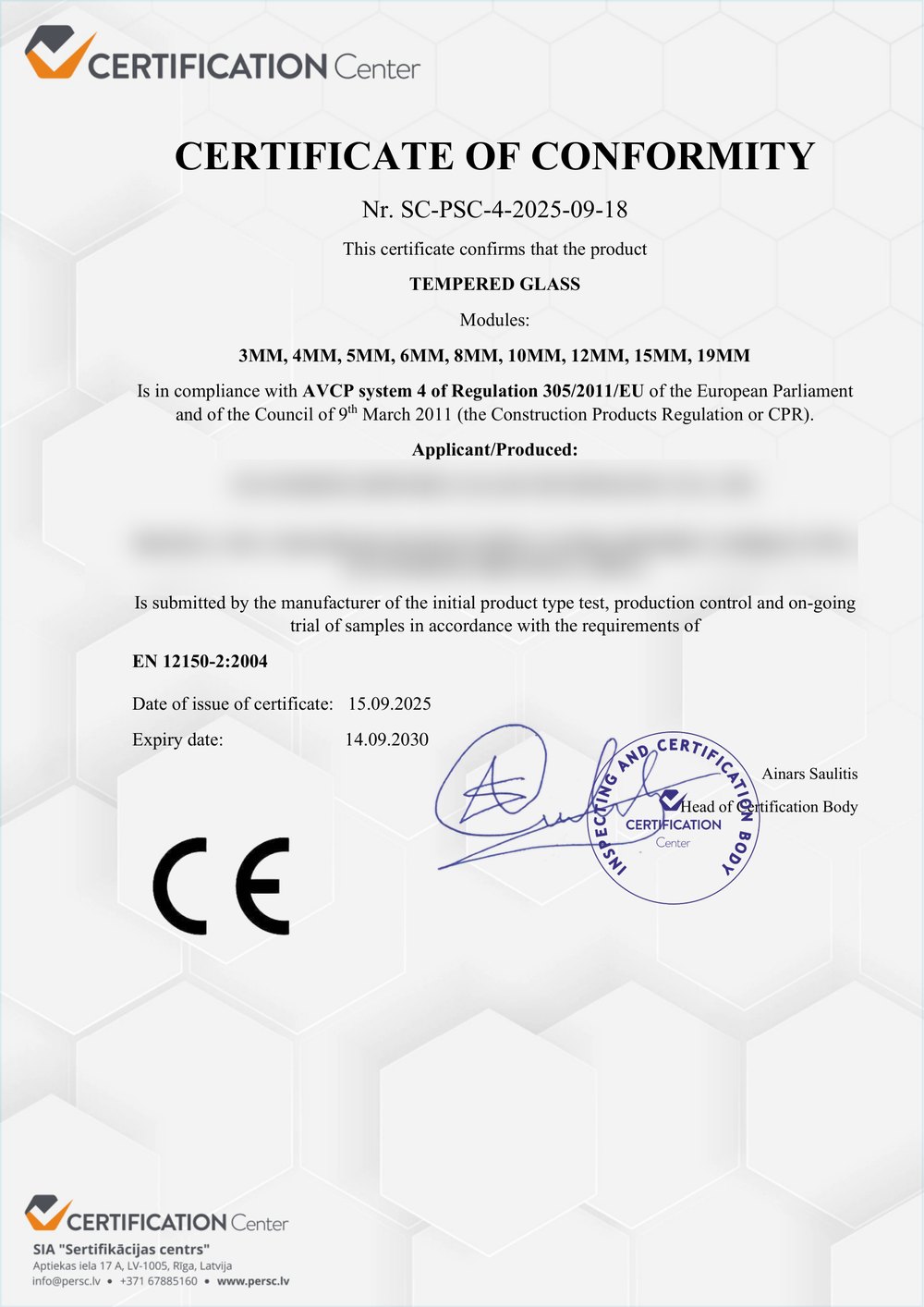
Key Takeaway for B2B Importers & General Contractors: Sourcing from top-tier aluminum door exporters requires moving beyond surface aesthetics. Evaluating extrusion alloy purity (6063-T5 vs 6061-T6), acoustic Sound Transmission Class (STC) ratings, PA66GF25 thermal breaks, and international lab certifications (CE, SGCC, AS 2208) is mandatory to guarantee structural compliance and project profitability.
1. Acoustic Decoupling & Sound Transmission Class (STC) Optimization
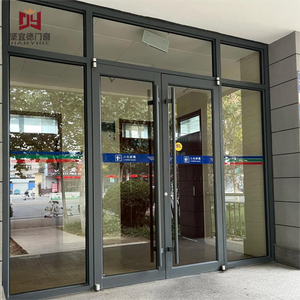
Open-plan commercial spaces require localized acoustic isolation for conference rooms, executive suites, and phone booths. Sourcing trends reveal a massive surge in demand for aluminum glass partition doors certified for STC ratings between 38 dB and 48 dB. To achieve this level of acoustic damping, leading factories utilize multi-chambered aluminum extrusions lined with EPDM (Ethylene Propylene Diene Monomer) gasket seals and double-glazed acoustic laminated glass filled with argon gas.
2. Minimalist Ultra-Narrow Profile & Modern Crittall Aesthetics
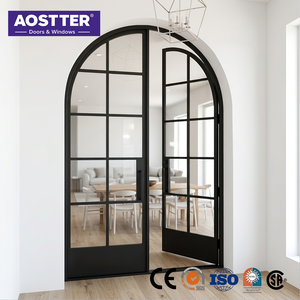
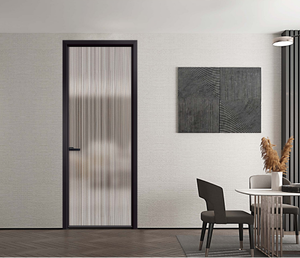
Architectural interior trends heavily favor minimal frame visibility. The modern "Crittall-style" aluminum door—exemplified by slim black-anodized profiles with visible widths under 20mm—provides a sophisticated industrial aesthetic while maximizing natural day-lighting across interior office zones. Advanced factories employ precision CNC corner-crimping and hidden heavy-duty pivot hinges capable of supporting glass panel weights up to 180 kg per leaf without sash sagging over time.
3. Integration of Smart Access Control & Building Management Systems (BMS)
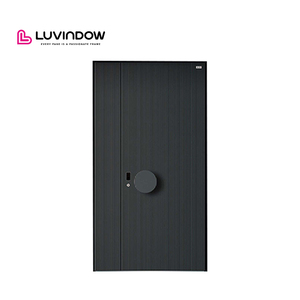
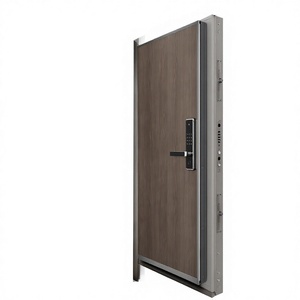
Commercial office security has migrated from key-operated locks to contactless biometric, RFID, and smart IoT access control. Premier aluminum office door exporters now engineer door frames with pre-routed wiring channels, electric strike cutouts, and concealed magnetic sensors. This factory-level integration ensures seamless installation of smart lock systems on site, eliminating destructive post-delivery frame machining.
4. Carbon-Neutral Manufacturing & Recycled Aluminum Extrusions
Global green building standards such as LEED (Leadership in Energy and Environmental Design) and BREEAM mandate low embodied carbon in building materials. Aluminum is infinitely recyclable without structural degradation. Leading Foshan manufacturers like Karon Window & Door Co., Ltd. utilize primary aluminum billets supplemented by eco-certified post-industrial recycled extrusions, paired with non-toxic, zero-VOC powder coatings or electrostatic anodizing finishes.