Evaluating Top Aluminum White Door Manufacturers Worldwide
White architectural aluminum doors and windows have experienced a 34% surge in global commercial and high-end residential demand. Driven by minimalist design trends, Scandinavian interior aesthetics, and stringent energy efficiency codes (such as US NFRC, EU NZEB, and Australian NCC), procuring high-performance white aluminum systems requires technical clarity. This comprehensive guide details key manufacturing parameters—from electro-statically applied RAL 9016 white powder coating and thermal break polyamide barrier engineering to acoustic isolation standards—helping architects, facade consultants, and general contractors partner with reliable OEM/ODM factories.
Top-Tier Aluminum White Door & Window Systems Catalog
Engineered using high-precision 6063-T5/T6 structural aluminum extrusion profiles, multi-cavity insulation strips, and premium safety glass build-ups.
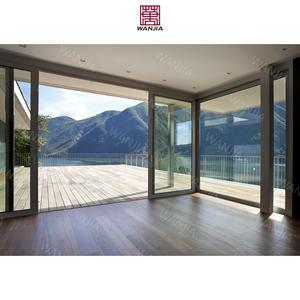
Custom-Made Louvered Doors / Aluminum Sliding Glass Doors
Inquire Now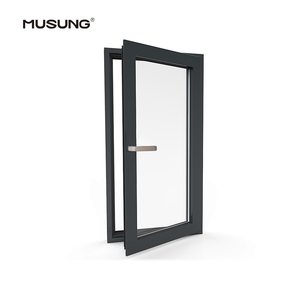
Soundproof Energy Saving Double Glass Thermal Break Casement Window
Inquire Now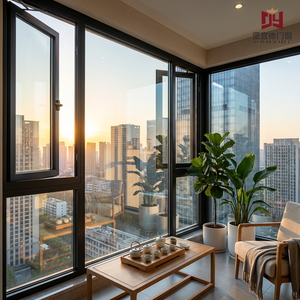
Premium Soundproof System Aluminum White Casement Window for Balcony
Inquire Now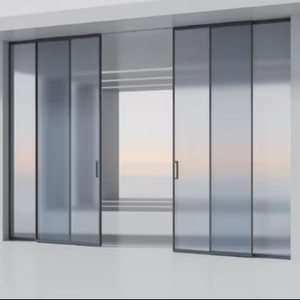
Three Tracks Narrow Slim Frame Patio Low-E Double Glazed Sliding Door
Inquire Now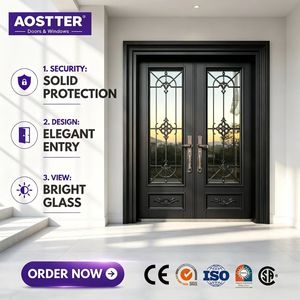
Powder Coated Exterior Heat Insulation Patio Aluminum Casement Door
Inquire Now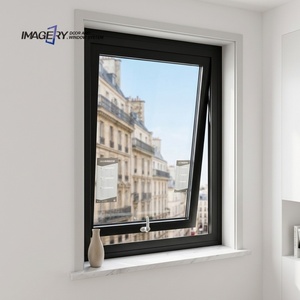
Triple / Double Glazed Thermal Break Aluminum White Awning Windows
Inquire Now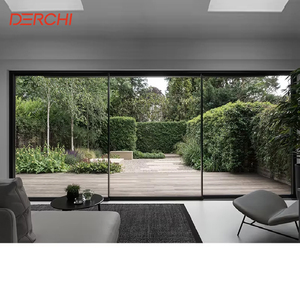
Floor-to-Ceiling Panoramic Glass & Heavy-Duty Terrace Sliding Doors
Inquire Now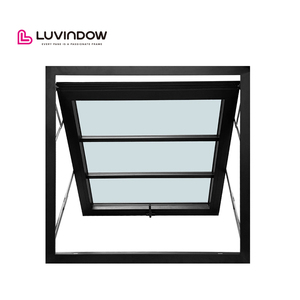
Low-E Transom Ventilation Push-Out Awning Window for Small Bathrooms
Inquire NowTechnical Specification Benchmark: Top 10 Factory Metrics
When sourcing aluminum white doors directly from OEM factories, procurement directors must evaluate key physical profile properties, surface treatment technologies, and international building certification compliance.
| Evaluation Parameter | Tier 1 Premium Factory Standard | Standard OEM Factory Level | Impact on Project & Longevity |
|---|---|---|---|
| Profile Aluminum Alloy | Primary 6063-T5 / T6 Virgin Billet | Secondary / Recycled Mix Extrusion | Determines structural wind-load rating & screw holding torque strength |
| White Surface Coating | PVDF Fluorocarbon / AkzoNobel Powder (AAMA 2605) | Standard Industrial Spraying (AAMA 2603) | Prevents yellowing, chalking, and peeling under intense UV exposure |
| Thermal Barrier Strip | PA66-GF25 Polyamide (25% Glass Fiber Reinforced) | PVC or Low-Grade Polymer Strip | Maintains frame U-factor integrity & prevents thermal expansion cracking |
| Glazing Unit Certification | SGCC (US) / AS 2208 (AU) / CE EN 12150 (EU) | Non-Certified Local Glass Supplier | Mandatory for regional building code compliance and occupant safety |
| Acoustic Isolation (STC) | STC 35 – STC 42 (Double/Triple Insulated) | STC 25 – STC 28 (Single/Basic Double) | Vital for luxury hotels, coastal resorts, and urban noise reduction |
Future Sourcing & Engineering Trends for White Aluminum Systems
The architectural window and door ecosystem is undergoing rapid innovation driven by smart building automation, carbon footprint mandates, and modern minimal-frame aesthetics.
1. Micro-Arc & Matte Fluorocarbon Coatings
Traditional high-gloss white paints are being replaced by ultra-matte (RAL 9016 / 9010) powder coating and micro-arc fluorocarbon coatings. These advanced finishes eliminate harsh solar reflection, provide anti-fingerprint properties, and offer superior scratch resistance during site installation.
2. Ultra-Slim Sightline Minimalist Frame Designs
Developers are requesting interlock sightlines down to 18mm–25mm. By combining structural silicone glazing (SSG) with hidden frame outer channels, modern white aluminum doors deliver max glass ratios while hiding outer frame profiles into surrounding wall reveals.
3. Multi-Cavity PA66 Thermal Break Systems
To comply with strict energy codes (such as California Title 24 and European Passive House standards), white aluminum frames are migrating from single PA66 strips to 3-cavity and multi-cavity thermal barriers filled with aerogel insulation foam, pushing frame U-values below 1.2 W/m²K.
4. Concealed Smart Hardware & Actuators
The integration of motorized lift-and-slide actuators, invisible concealed hinges, and smart biometric locksets within white aluminum stiles allows seamless smartphone app control and building management system (BMS) automation without cluttering interior lines.
5. Green Recycled Low-Carbon Aluminum Billets
Major international developers prefer factories utilizing hydro-powered recycled aluminum extrusions. Specifying low-carbon prime aluminum cuts embodied carbon emissions by up to 70% per ton, aiding LEED and BREEAM project certification points.
6. Extreme Hurricane & Typhoon Pressure Ratings
Coastal developments require white aluminum patio doors with structural glass bonding capable of withstanding wind loads exceeding 5000 Pa. Modern factory testing incorporates dynamic water jetting and cyclic pressure chamber simulation.
E-E-A-T Sourcing Insight: Preventing White Coating Degradation
A frequent issue reported by commercial buyers sourcing white aluminum doors from unverified suppliers is frame yellowing or powder delamination after 12–24 months under solar radiation. Premium factories like Karon Window & Door Co., Ltd. strictly utilize chrome-free conversion pre-treatment tanks followed by electro-static application of thermosetting fluorocarbon resins (PVDF) or Class 2 Super-Durable architectural powders. This multi-stage process guarantees color stability (Delta E < 2.0) over a 10-to-15 year operational lifespan even in tropical or high-salinity marine environments.
Karon Window & Door Co., Ltd. Manufacturing Advantage
Headquartered in Songxia Industrial Park, Nanhai District, Foshan, Guangdong—the heart of China's premium aluminum extrusion manufacturing hub.
10,000㎡ Standardized Plant
Equipped with advanced CNC double-head cutting saws, automated corner crimping stations, and dedicated structural silicone curing lines ensuring millimetric dimensional tolerances on custom shop drawings.
Full International Certifications
Verified market access compliance including CE (EN 12150), US SGCC Safety Glazing certification, Australia AS 2208 StandardsMark, NZ AS/NZS 2208, Thailand TISI (965-2560/1231-2560), and Malaysia CIDB PPS certification under ISO 9001 governance.
Global Project Achievements
Trusted supplier for landmark developments worldwide: Kora Beach Resort Phuket (672 units across 9 buildings), Texas luxury villas (USA), Azure Blue Residence (Greece), Les Jardins de la Mer (France), and Vinhomes Ocean Park (Vietnam).
Frequently Asked Questions for Aluminum White Door Buyers
Addressing key technical, logistical, and architectural questions raised by overseas importers, real estate developers, and trade buyers.
Why choose aluminum white doors over uPVC or timber door frames?
What is the standard powder coating specification for architectural white doors?
How do thermal break aluminum white doors save building energy?
Can the factory manufacture white aluminum doors based on architectural CAD drawings?
Which glass options are recommended for high soundproofing and insulation?
What are the container packaging and shipping protective measures for white frames?
Ready to Source Project-Grade Aluminum White Doors?
Partner with Foshan's leading custom aluminum window and door manufacturer. Send us your architectural elevation plans, door schedule, or tender specs for an engineering review and factory-direct quotation.
Inquire Now